Richard Ian Kimball – författare
Visar alla böcker från författaren Richard Ian Kimball. Handla med fri frakt och snabb leverans.
4 produkter
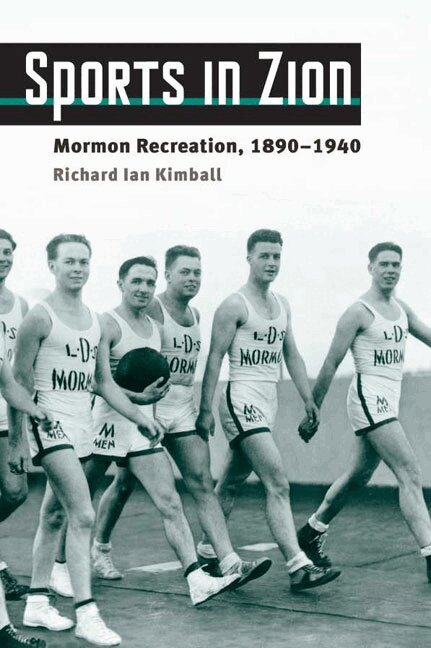
Sports in Zion
Mormon Recreation, 1890-1940
Häftad, 2009
357 kr
Lägg i varukorg
If a religion cannot attract and instruct young people, it will struggle to survive, which is why recreational programs were second only to theological questions in the development of twentieth-century Mormonism. In this book, Richard Ian Kimball explores how Mormon leaders used recreational …
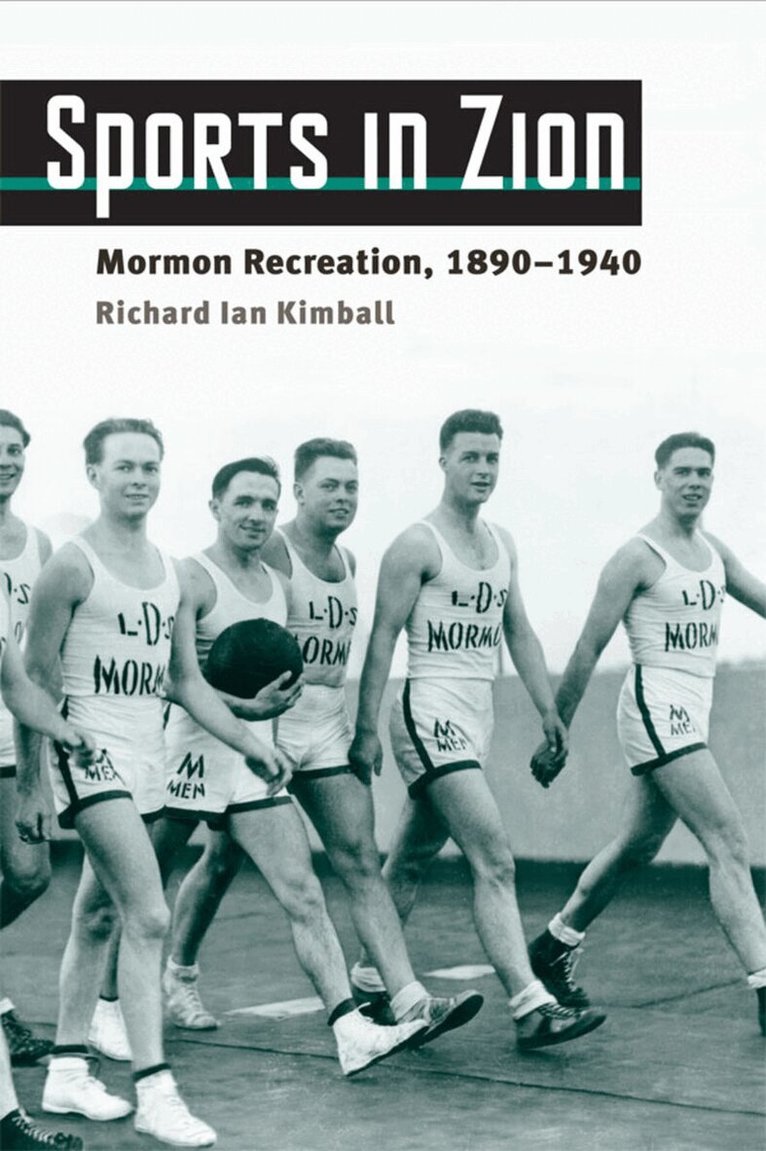
Sports in Zion
Mormon Recreation, 1890-1940
E-bok, 2010
568 kr
Lägg i varukorg
If a religion cannot attract and instruct young people, it will struggle to survive, which is why recreational programs were second only to theological questions in the development of twentieth-century Mormonism. In this book, Richard Ian Kimball explores how Mormon leaders used recreational …
Legends Never Die
Athletes and Their Afterlives in Modern America
Inbunden, 2017
667 kr
Lägg i varukorg
With every touchdown, home run, and three-pointer, star athletes represent an American dream that only an elite group blessed with natural talent can achieve. However, Kimball concentrates on what happens once these modern warriors meet their untimely demise. As athletes die, legends rise in their …
Legends Never Die
Athletes and their Afterlives in Modern America
E-bok, 2017
270 kr
Lägg i varukorg
With every touchdown, home run, and three-pointer, star athletes represent an American dream that only an elite group blessed with natural talent can achieve. However, Kimball concentrates on what happens once these modern warriors meet their untimely demise. As athletes die, legends rise in their …