Richard Ingham – författare
Visar alla böcker från författaren Richard Ingham. Handla med fri frakt och snabb leverans.
14 produkter
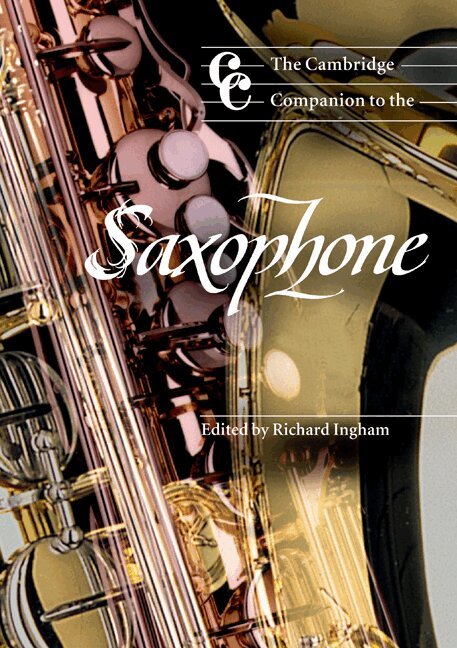
The Cambridge Companion to the Saxophone
Häftad, 1999
452 kr
Lägg i varukorg
The Cambridge Companion to the Saxophone, first published in 1999, tells the story of the saxophone, its history and technical development from Adolphe Sax (who invented it c. 1840) to the end of the twentieth century. It includes extensive accounts of the instrument's history in jazz, rock and …
Ski Whizz
Häftad, 1990
219 kr
Lägg i varukorg
It is opening day at Ernst Edelbaum's hotel and already things are going wrong. His English niece turns out to be Leslie, a male punk, most of his guests don't arrive and the tour company are about to discover that his required wife doesn't exist. As for the guests, they all have their own problems …
Cambridge Companion to the Saxophone
E-bok, 1999
437 kr
Lägg i varukorg
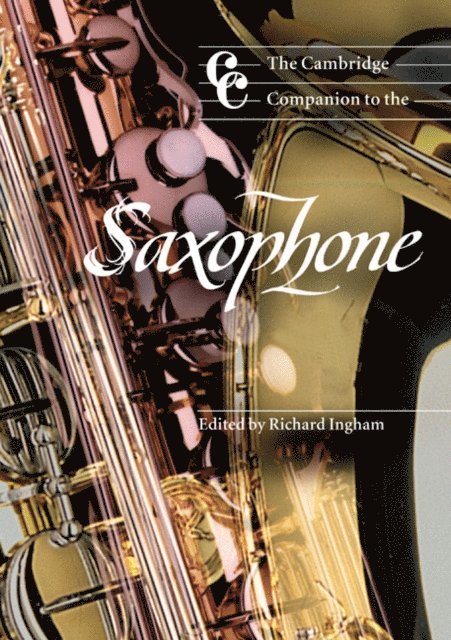
The Cambridge Companion to the Saxophone, first published in 1999, tells the story of the saxophone, its history and technical development from Adolphe Sax (who invented it c. 1840) to the end of the twentieth century. It includes extensive accounts of the instrument''s history in jazz, rock and …
Cambridge Companion to the Saxophone
E-bok, 1999
437 kr
Lägg i varukorg
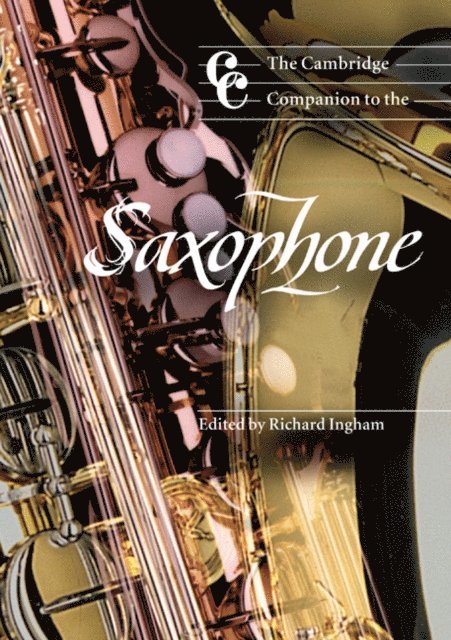
The Cambridge Companion to the Saxophone, first published in 1999, tells the story of the saxophone, its history and technical development from Adolphe Sax (who invented it c. 1840) to the end of the twentieth century. It includes extensive accounts of the instrument''s history in jazz, rock and …
Anglo-Norman Language and its Contexts
Inbunden, 2010
1415 kr
Lägg i varukorg
Collection examining the Anglo-Norman language in a variety of texts and contexts, in military, legal, literary and other forms.The question of the development of Anglo-Norman (the variety of medieval French used in the British Isles), and the role it played in the life of the medieval English …
Evolution of Negation
Beyond the Jespersen Cycle
Av Pierre Larrivée, Richard Ingham
Inbunden, 2011
2338 kr
Lägg i varukorg
Why do grammars change? The cycle of negation proposed by Jespersen is crucially linked to the status of items and phrases. The definition of criteria establishing when a polarity item becomes a negative element, and the identification of the role of phrases for the evolution of negation are the …
Evolution of Negation
Beyond the Jespersen Cycle
Av Richard Ingham, Pierre Larrivee
E-bok, 2011
2364 kr
Lägg i varukorg
Why do grammars change? The cycle of negation proposed by Jespersen is crucially linked to the status of items and phrases. The definition of criteria establishing when a polarity item becomes a negative element, and the identification of the role of phrases for the evolution of negation are the …
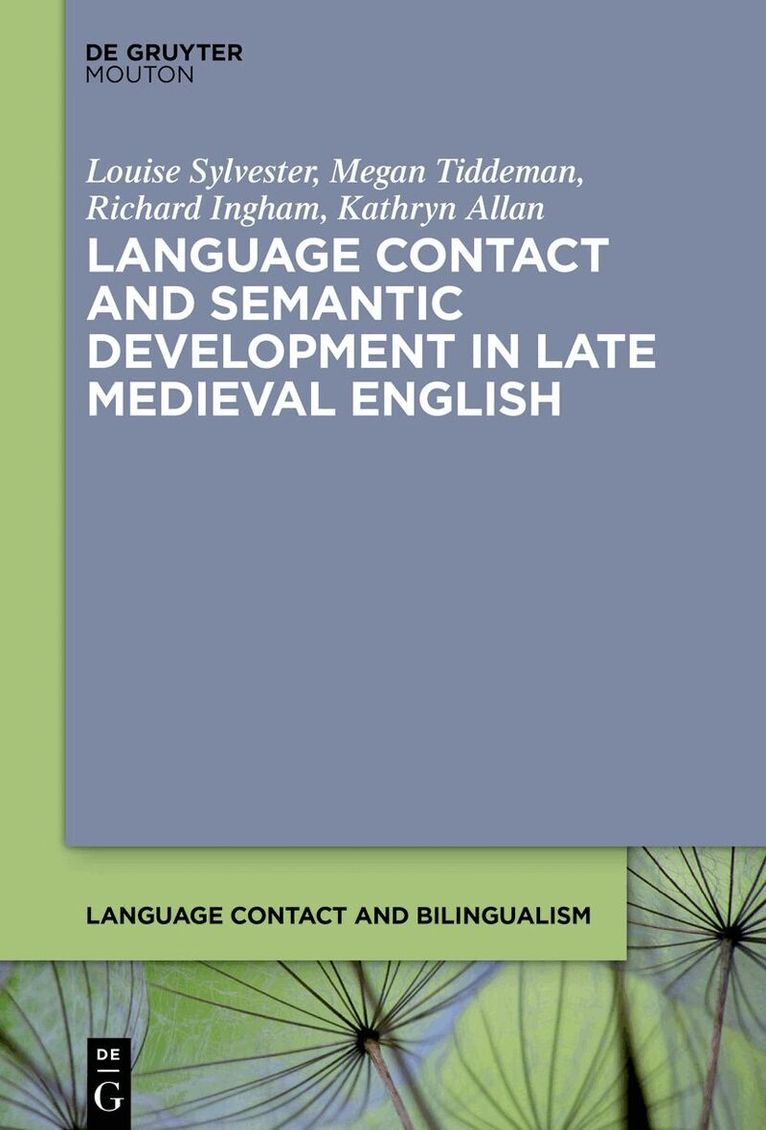
Language Contact and Semantic Development in Late Medieval English
Av Louise Sylvester, Megan Tiddeman m. fl.
Inbunden, 2025
1781 kr
Lägg i varukorg
The multilingual context of medieval Britain has been a focus of historical linguistic scholarship for some time, but Middle English has often been examined in isolation. This book analyzes a large dataset of English vocabulary from the late Middle Ages, a time when the language was gaining new …
Language Contact and Semantic Development in Late Medieval English
Av Kathryn Allan, Richard Ingham m. fl.
E-bok, 2025
1572 kr
Lägg i varukorg
The multilingual context of medieval Britain has been a focus of historical linguistic scholarship for some time, but Middle English has often been examined in isolation. This book analyzes a large dataset of English vocabulary from the late Middle Ages, a time when the language was gaining new …