Richard Last – författare
Visar alla böcker från författaren Richard Last. Handla med fri frakt och snabb leverans.
5 produkter
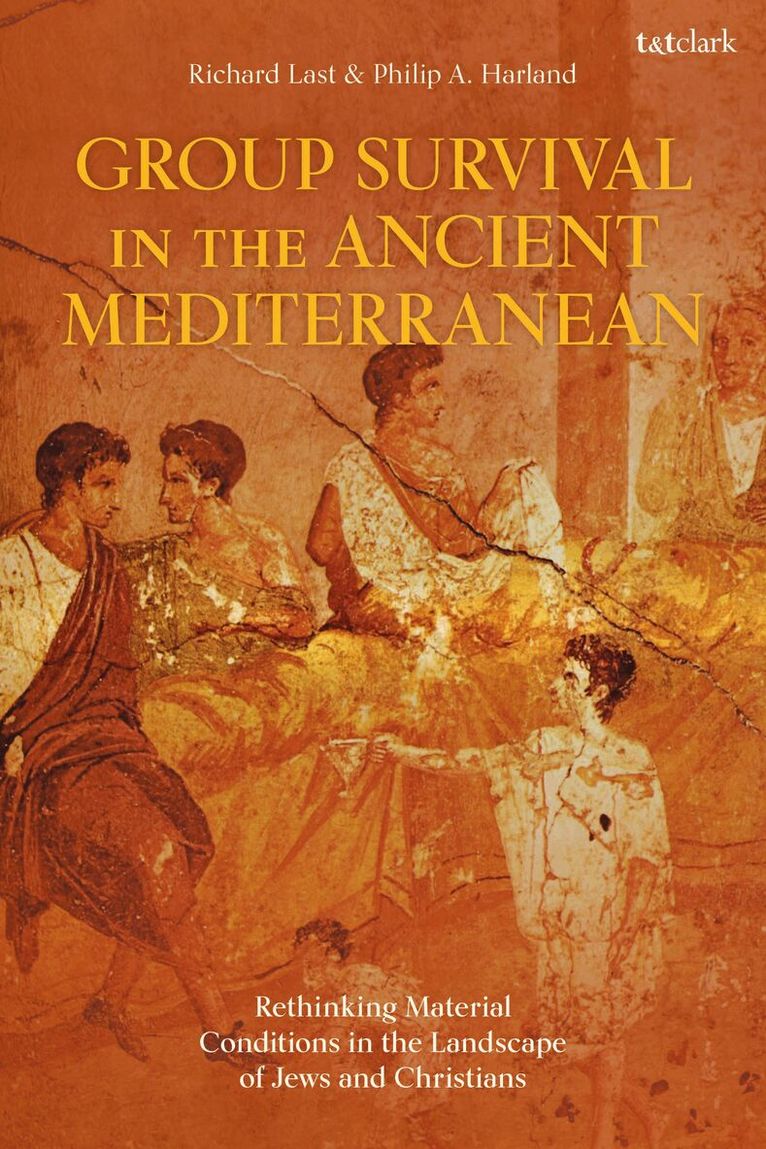
Group Survival in the Ancient Mediterranean
Rethinking Material Conditions in the Landscape of Jews and Christians
Av Philip A. Harland, Richard Last
Inbunden, 2020
1567 kr
Lägg i varukorg
Philip A. Harland and Richard Last consider the economics of early Christian group life within its social, cultural and economic contexts, by drawing on extensive epigraphic and archaeological evidence. In exploring the informal associations, immigrant groups, and guilds that dotted the world of …
Group Survival in the Ancient Mediterranean
Rethinking Material Conditions in the Landscape of Jews and Christians
Av Philip A. Harland, Richard Last
E-bok, 2020
499 kr
Lägg i varukorg
Philip A. Harland and Richard Last consider the economics of early Christian group life within its social, cultural and economic contexts, by drawing on extensive epigraphic and archaeological evidence. In exploring the informal associations, immigrant groups, and guilds that dotted the world of …
Group Survival in the Ancient Mediterranean
Rethinking Material Conditions in the Landscape of Jews and Christians
Av Philip A. Harland, Richard Last
E-bok, 2020
499 kr
Lägg i varukorg
Philip A. Harland and Richard Last consider the economics of early Christian group life within its social, cultural and economic contexts, by drawing on extensive epigraphic and archaeological evidence. In exploring the informal associations, immigrant groups, and guilds that dotted the world of …
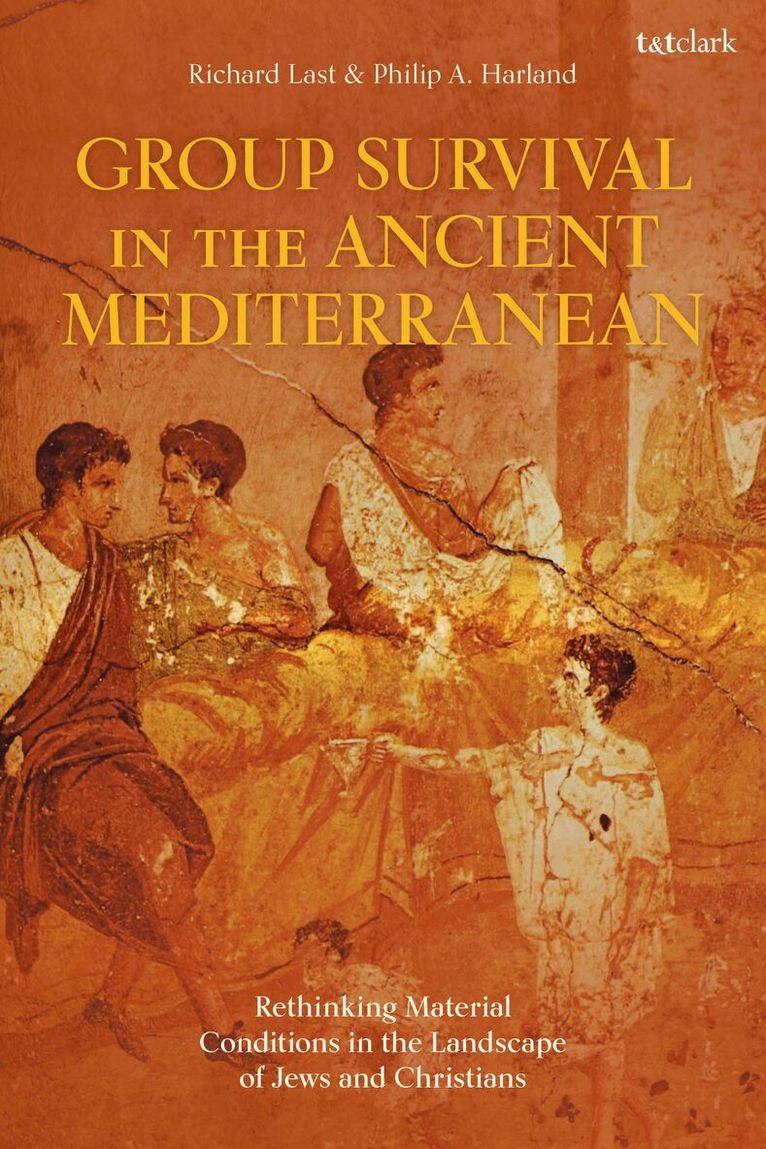
Group Survival in the Ancient Mediterranean
Rethinking Material Conditions in the Landscape of Jews and Christians
Av Philip A. Harland, Richard Last
Häftad, 2021
461 kr
Lägg i varukorg
Philip A. Harland and Richard Last consider the economics of early Christian group life within its social, cultural and economic contexts, by drawing on extensive epigraphic and archaeological evidence. In exploring the informal associations, immigrant groups, and guilds that dotted the world of …
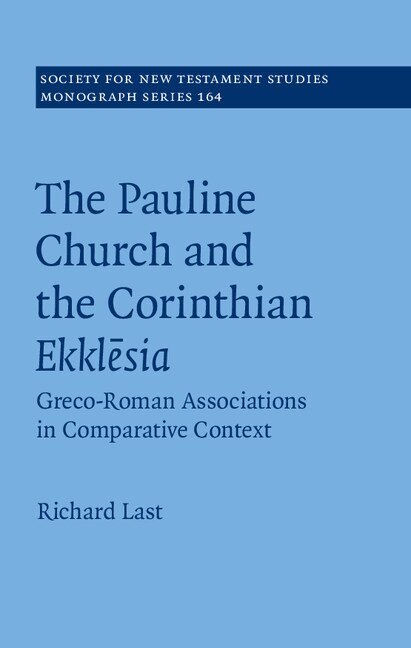
The Pauline Church and the Corinthian Ekklesia
Greco-Roman Associations in Comparative Context
Av Richard Last
Inbunden, 2015
1609 kr
Lägg i varukorg
Moving past earlier descriptions of first-century Christ groups that were based on examining the New Testament in isolation from extant sources produced by analogous cult groups throughout Mediterranean antiquity, this book engages with underexplored epigraphic and papyrological records and …