Richard W. Pew – författare
Visar alla böcker från författaren Richard W. Pew. Handla med fri frakt och snabb leverans.
12 produkter
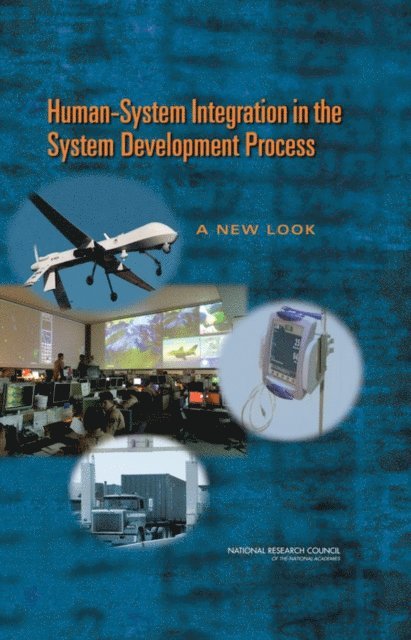
Human-System Integration in the System Development Process
A New Look
Av Committee on Human-System Design Support for Changing Technology, Committee on Human Factors m. fl.
E-bok, 2007
788 kr
Lägg i varukorg
In April 1991 BusinessWeek ran a cover story entitled, "I Can''t Work This ?#!!@ Thing," about the difficulties many people have with consumer products, such as cell phones and VCRs. More than 15 years later, the situation is much the same—but at a very different level of scale. The disconnect …
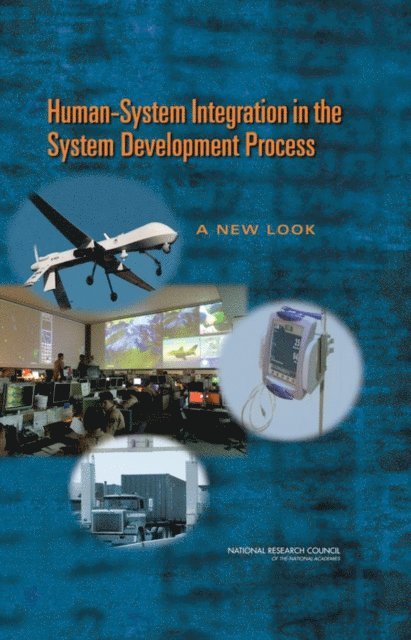
Human-System Integration in the System Development Process
A New Look
Av Committee on Human-System Design Support for Changing Technology, Committee on Human Factors m. fl.
E-bok, 2007
1101 kr
Lägg i varukorg
In April 1991 BusinessWeek ran a cover story entitled, "I Can''t Work This ?#!!@ Thing," about the difficulties many people have with consumer products, such as cell phones and VCRs. More than 15 years later, the situation is much the same—but at a very different level of scale. The disconnect …
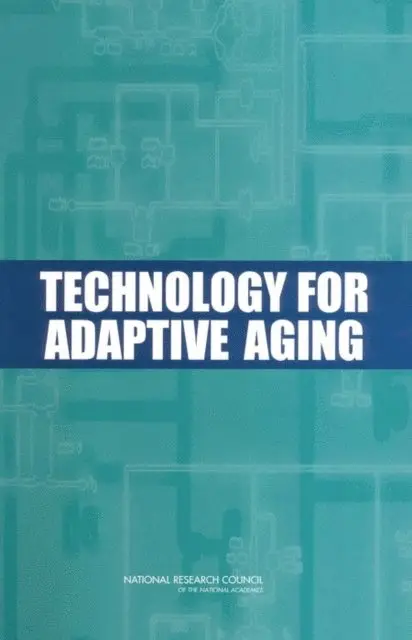
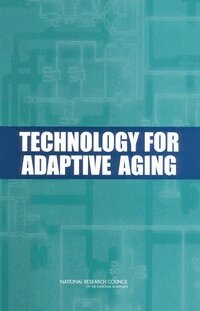
Technology for Adaptive Aging
Av Steering Committee for the Workshop on Technology for Adaptive Aging, and Sensory Sciences Board on Behavioral, Cognitive m. fl.
E-bok, 2004
960 kr
Lägg i varukorg
Emerging and currently available technologies offer great promise for helping older adults, even those without serious disabilities, to live healthy, comfortable, and productive lives. What technologies offer the most potential benefit? What challenges must be overcome, what problems must be …
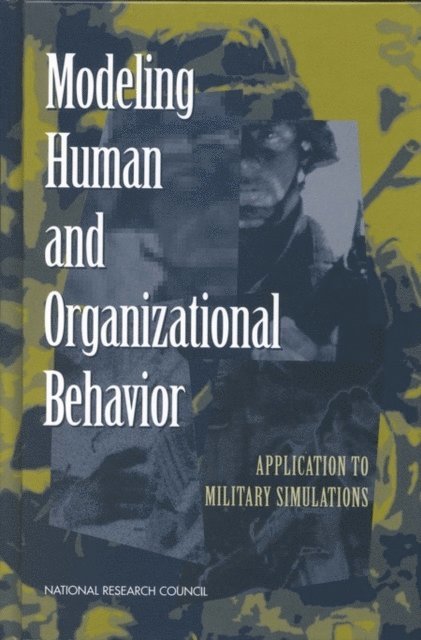
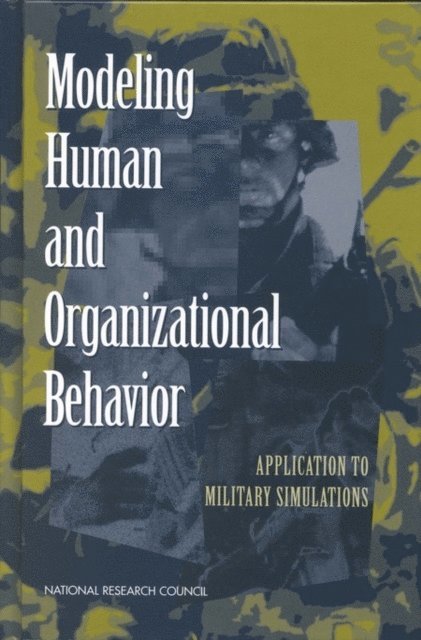
Modeling Human and Organizational Behavior
Application to Military Simulations
Av Panel on Modeling Human Behavior and Command Decision Making: Representations for Military Simulations, Board on Human-Systems Integration m. fl.
E-bok, 1998
1558 kr
Lägg i varukorg
Simulations are widely used in the military for training personnel, analyzing proposed equipment, and rehearsing missions, and these simulations need realistic models of human behavior. This book draws together a wide variety of theoretical and applied research in human behavior modeling that can …
Modeling Human and Organizational Behavior
Application to Military Simulations
Av Panel on Modeling Human Behavior and Command Decision Making: Representations for Military Simulations, Board on Human-Systems Integration m. fl.
E-bok, 1998
1437 kr
Lägg i varukorg
Simulations are widely used in the military for training personnel, analyzing proposed equipment, and rehearsing missions, and these simulations need realistic models of human behavior. This book draws together a wide variety of theoretical and applied research in human behavior modeling that can …
Technology for Adaptive Aging
Av Steering Committee for the Workshop on Technology for Adaptive Aging, and Sensory Sciences Board on Behavioral, Cognitive m. fl.
E-bok, 2004
669 kr
Lägg i varukorg
Emerging and currently available technologies offer great promise for helping older adults, even those without serious disabilities, to live healthy, comfortable, and productive lives. What technologies offer the most potential benefit? What challenges must be overcome, what problems must be …
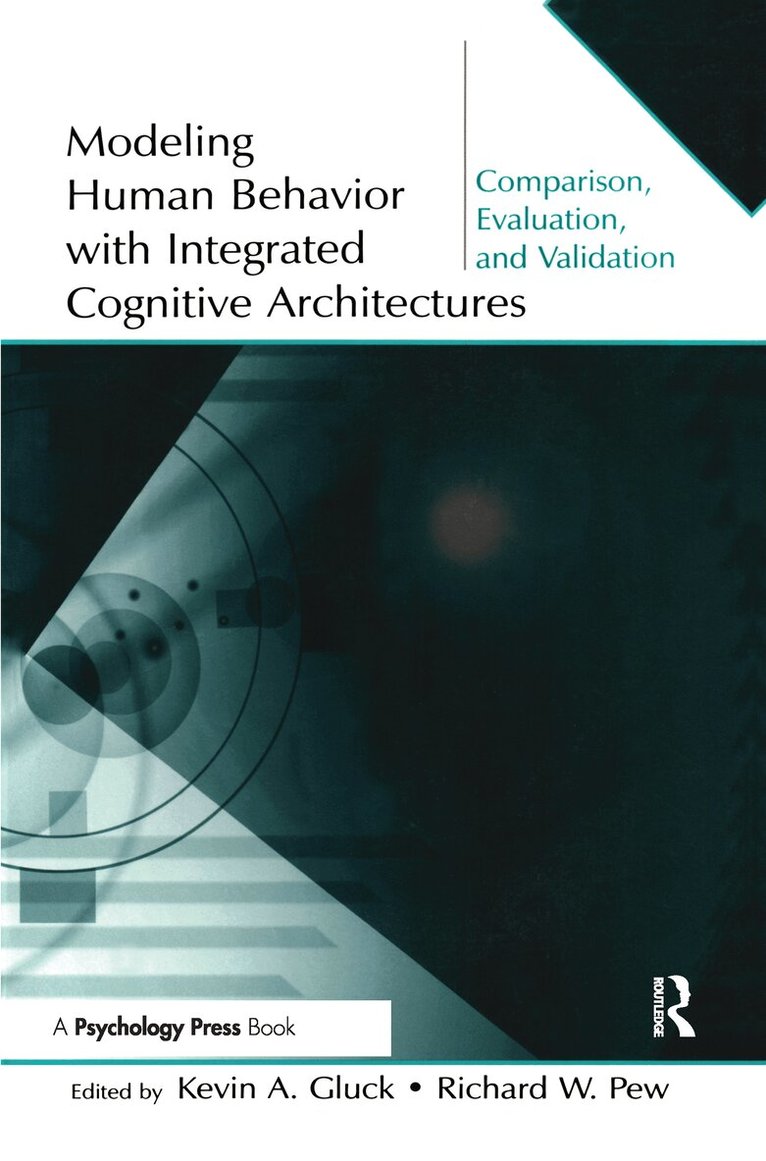
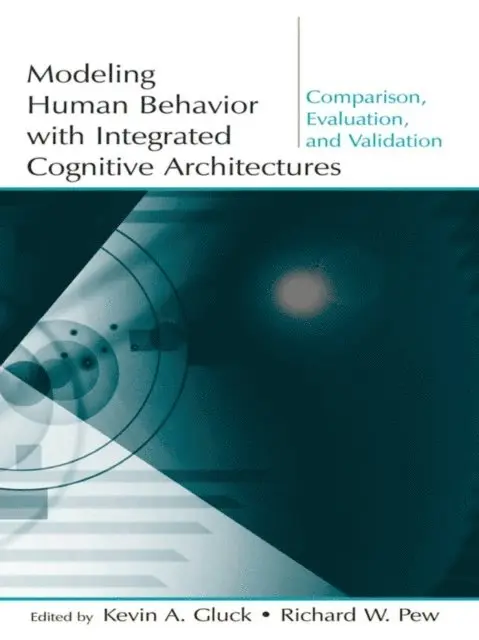
Modeling Human Behavior With Integrated Cognitive Architectures
Comparison, Evaluation, and Validation
Av Kevin A. Gluck, Richard W. Pew
Inbunden, 2005
2590 kr
Lägg i varukorg
Resulting from the need for greater realism in models of human and organizational behavior in military simulations, there has been increased interest in research on integrative models of human performance, both within the cognitive science community generally, and within the defense and aerospace …
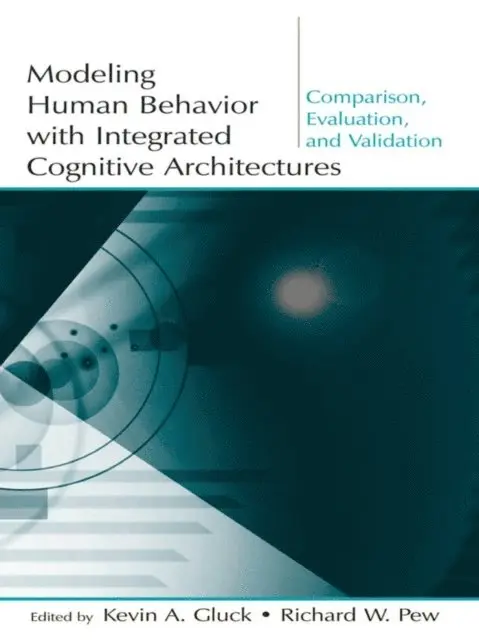
Modeling Human Behavior With Integrated Cognitive Architectures
Comparison, Evaluation, and Validation
Av Kevin A. Gluck, Richard W. Pew
Häftad, 2005
953 kr
Lägg i varukorg
Resulting from the need for greater realism in models of human and organizational behavior in military simulations, there has been increased interest in research on integrative models of human performance, both within the cognitive science community generally, and within the defense and aerospace …
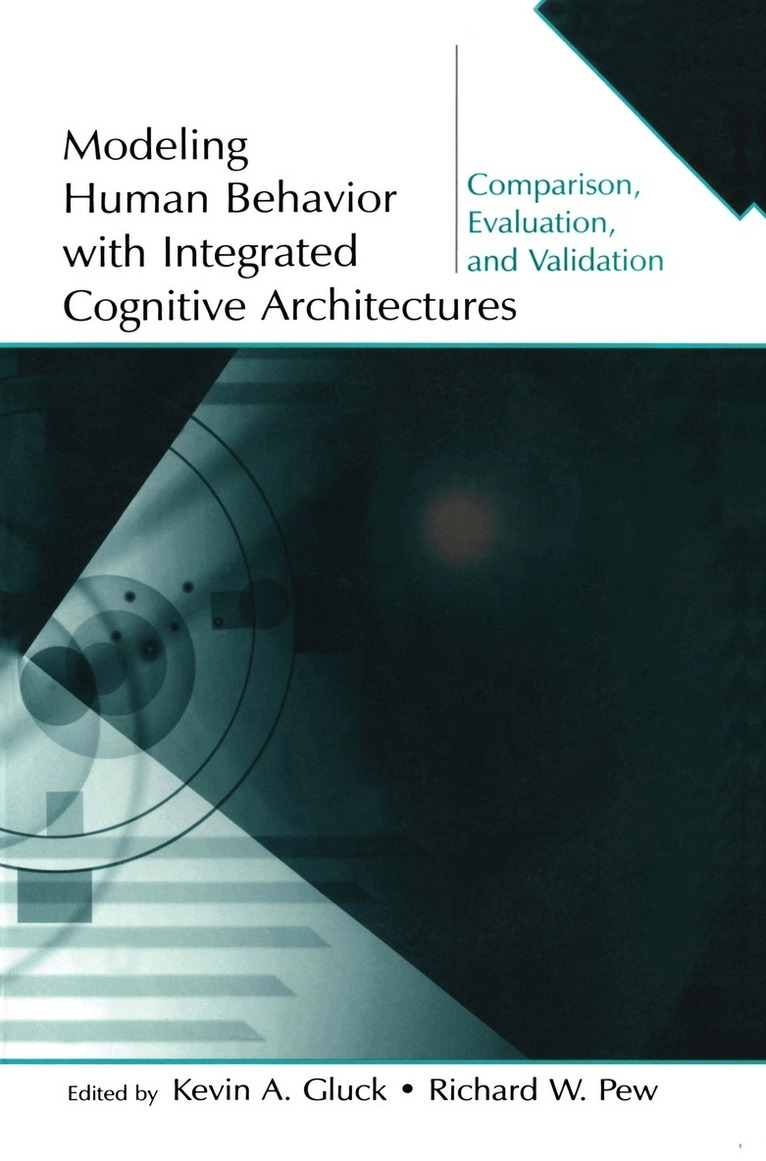
Modeling Human Behavior With Integrated Cognitive Architectures
Comparison, Evaluation, and Validation
Av Richard W. Pew, Kevin A. Gluck
E-bok, 2006
1060 kr
Lägg i varukorg
Resulting from the need for greater realism in models of human and organizational behavior in military simulations, there has been increased interest in research on integrative models of human performance, both within the cognitive science community generally, and within the defense and aerospace …
Modeling Human Behavior With Integrated Cognitive Architectures
Comparison, Evaluation, and Validation
Av Richard W. Pew, Kevin A. Gluck
E-bok, 2006
1037 kr
Lägg i varukorg
Resulting from the need for greater realism in models of human and organizational behavior in military simulations, there has been increased interest in research on integrative models of human performance, both within the cognitive science community generally, and within the defense and aerospace …
Technology for Adaptive Aging
Av National Research Council, Division of Behavioral and Social Sciences and Education m. fl.
Häftad, 2004
888 kr
Tillfälligt slut
Emerging and currently available technologies offer great promise for helping older adults, even those without serious disabilities, to live healthy, comfortable, and productive lives. What technologies offer the most potential benefit? What challenges must be overcome, what problems must be …
Modeling Human Behavior with Integrated Cognitive Architectures : Comparison, Evaluation, and Validation
Comparison, Evaluation, and Validation
Av Richard W Pew, Kevin A Gluck
E-bok, 2005
470 kr
Tillfälligt slut