Robert C. Mainfort - Böcker
Visar alla böcker från författaren Robert C. Mainfort. Handla med fri frakt och snabb leverans.
4 produkter
4 produkter
325 kr
Skickas inom 10-15 vardagar
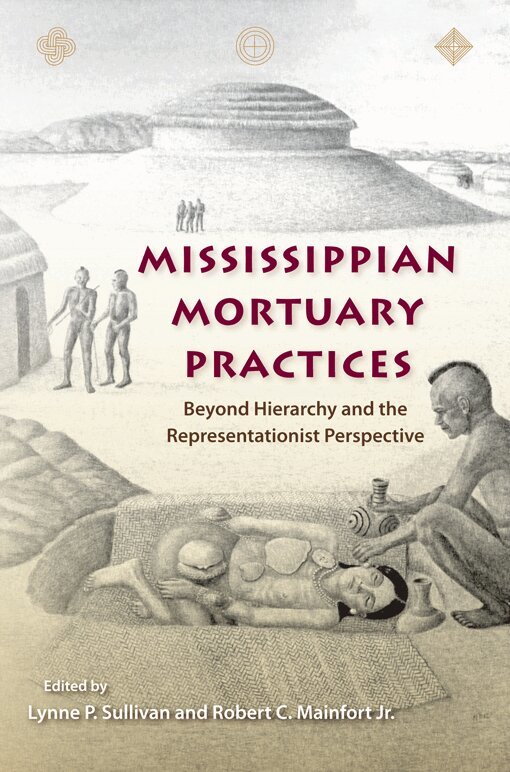
Mississippian Mortuary Practices
Beyond Hierarchy and the Representationist Perspective
Häftad, Engelska, 2012
381 kr
Skickas inom 10-15 vardagar
The residents of Mississippian towns principally located in the southeastern and midwestern United States from 900 to1500 A.D. made many beautiful objects, which included elaborate and well-crafted copper and shell ornaments, pottery vessels, and stonework. Some of these objects were socially valued goods and often were placed in ritual context, such as graves. The funerary context of these artefacts has sparked considerable study and debate among archaeologists, raising questions about the place in society of the individuals interred with such items, as well as the nature of the societies in which these people lived. By focusing on how mortuary practices serve as symbols of beliefs and values for the living, the contributors to Mississippian Mortuary Practices explore how burial of the dead reflects and reinforces the cosmology of specific cultures, the status of living participants in the burial ceremony, on-going kin relationships, and other aspects of social organisation.
526 kr
Skickas inom 7-10 vardagar
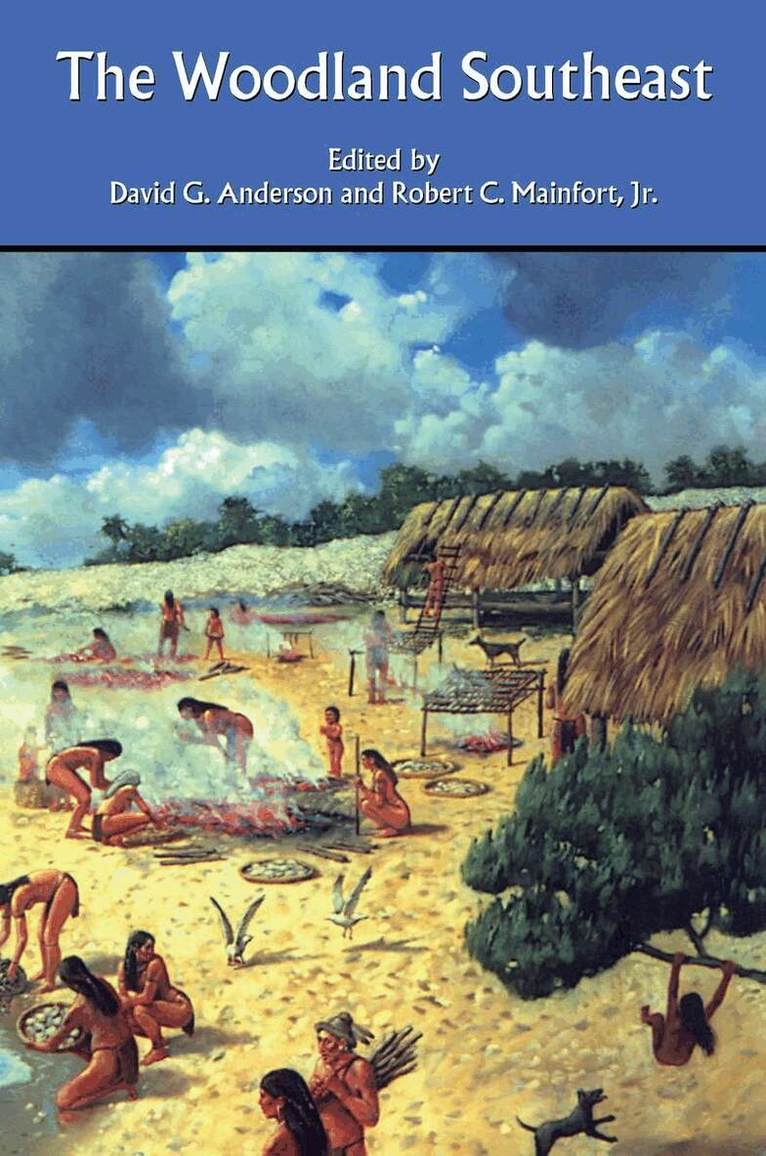
The Woodland Period (ca. 1200 B.C. to A.D. 1000) has been the subject of a great deal of archaeological research over the past 25 years. Researchers have learned that in this approximately 2000-year era the peoples of the Southeast experienced increasing sedentism, population growth, and organizational complexity. At the beginning of the period, people are assumed to have been living in small groups, loosely bound by collective burial rituals. But by the first millennium A.D., some parts of the region had densely packed civic ceremonial centers ruled by hereditary elites. Maize was now the primary food crop. Perhaps most importantly, the ancient animal-focused and hunting-based religion and cosmology were being replaced by solar and warfare iconography, consistent with societies dependent on agriculture, and whose elites were increasingly in competition with one another. This volume synthesizes the research on what happened during this era and how these changes came about while analyzing the period's archaeological record. In gathering the latest research available on the Woodland Period, the editors have included contributions from the full range of specialists working in the field, highlighted major themes, and directed readers to the proper primary sources. Of interest to archaeologists and anthropologists, both professional and amateur, this will be a valuable reference work essential to understanding the Woodland Period in the Southeast.
375 kr
Skickas inom 7-10 vardagar
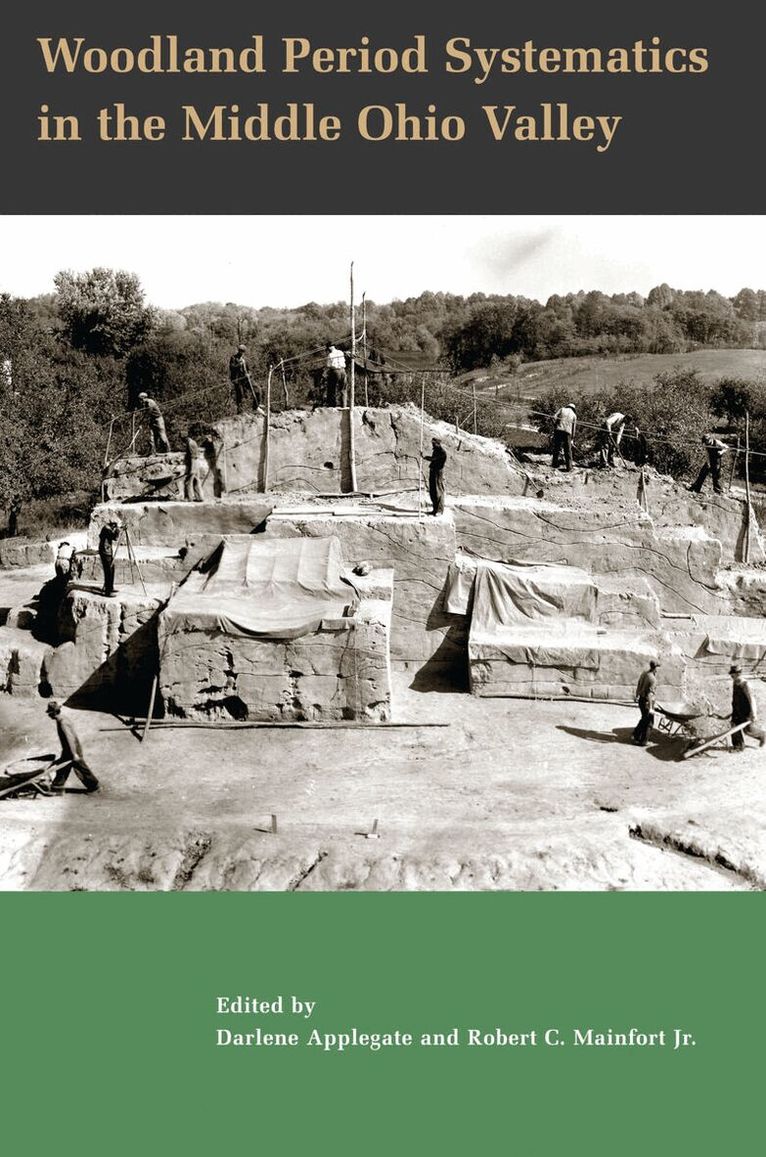
This collection provides a comprehensive vocabulary for defining the cultural manifestation of the term ""Woodland."" The Middle Ohio Valley is an archaeologically rich region that stretches from southeastern Indiana, across southern Ohio and northeastern Kentucky, and into northwestern West Virginia. In this area are some of the most spectacular and diverse Woodland Period archaeological sites in North America. These sites gave rise to some of the earliest broadly inclusive archaeological taxonomic units in eastern North America, but these constructs have long outlived their usefulness. This volume, with contributions by most of the senior researchers in the field, represents an important step toward establishing terminology and taxa that are more appropriate to interpreting cultural diversity in the region. The important questions are diverse. What criteria are useful in defining periods and cultural types, and over what spatial and temporal boundaries do those criteria hold? How can we accommodate regional variation in the development and expression of traits used to delineate periods and cultural types? How does the concept of tradition relate to periods and cultural types? Is it prudent to equate culture types with periods? Is it prudent to equate archaeological cultures with ethnographic cultures? How does the available taxonomy hinder research? Contributing authors address these issues, and others in the context of their Middle Ohio Valley Woodland Period research.