Robert D. Truog - Böcker
Visar alla böcker från författaren Robert D. Truog. Handla med fri frakt och snabb leverans.
3 produkter
3 produkter
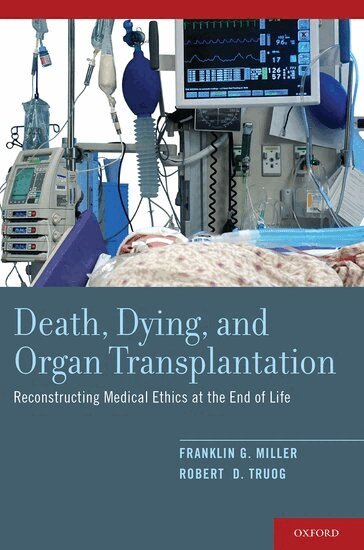
Death, Dying, and Organ Transplantation
Reconstructing Medical Ethics at the End of Life
Häftad, Engelska, 2016
438 kr
Skickas inom 5-8 vardagar
In Death, Dying, and Organ Transplantation: Reconstructing Medical Ethics at the End of Life, Miller and Truog challenge fundamental doctrines of established medical ethics. They argue that the routine practice of stopping life support technology in hospitals causes the death of patients and that donors of vital organs (hearts, lungs, liver, and both kidneys) are not really dead at the time that their organs are removed for life-saving transplantation. These practices are ethically legitimate but are not compatible with traditional rules of medical ethics that doctors must not intentionally cause the death of their patients and that vital organs can be obtained for transplantation only from dead donors. In this book Miller and Truog undertake an ethical examination that aims to honestly face the reality of medical practices at the end of life. They expose the misconception that stopping life support merely allows patients to die from their medical conditions, and they dispute the accuracy of determining death of hospitalized patients on the basis of a diagnosis of "brain death" prior to vital organ donation. After detailing the factual and conceptual errors surrounding current practices of determining death for the purpose of organ donation, the authors develop a novel ethical account of procuring vital organs. In the context of reasonable plans to withdraw life support, still-living patients are not harmed or wronged by organ donation prior to their death, provided that valid consent has been obtained for stopping treatment and for organ donation. Recognizing practical difficulties in facing the truth regarding organ donation, the authors also develop a pragmatic alternative account based on the concept of transparent legal fictions. In sum, Miller and Truog argue that in order to preserve the legitimacy of end-of-life practices, we need to reconstruct medical ethics.
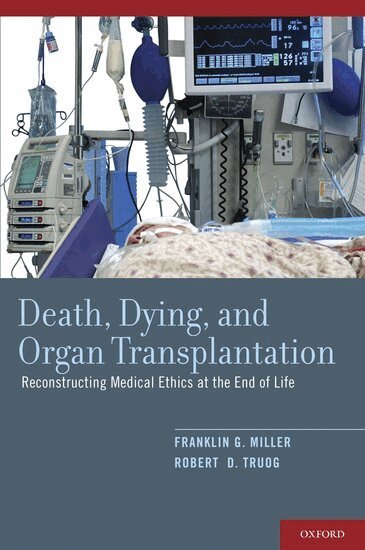
Death, Dying, and Organ Transplantation
Reconstructing Medical Ethics at the End of Life
Inbunden, Engelska, 2011
1 128 kr
Skickas inom 5-8 vardagar
In Death, Dying, and Organ Transplantation: Reconstructing Medical Ethics at the End of Life, Miller and Truog challenge fundamental doctrines of established medical ethics. They argue that the routine practice of stopping life support technology in hospitals causes the death of patients and that donors of vital organs (hearts, lungs, liver, and both kidneys) are not really dead at the time that their organs are removed for life-saving transplantation. These practices are ethically legitimate but are not compatible with traditional rules of medical ethics that doctors must not intentionally cause the death of their patients and that vital organs can be obtained for transplantation only from dead donors. In this book Miller and Truog undertake an ethical examination that aims to honestly face the reality of medical practices at the end of life. They expose the misconception that stopping life support merely allows patients to die from their medical conditions, and they dispute the accuracy of determining death of hospitalized patients on the basis of a diagnosis of "brain death" prior to vital organ donation. After detailing the factual and conceptual errors surrounding current practices of determining death for the purpose of organ donation, the authors develop a novel ethical account of procuring vital organs. In the context of reasonable plans to withdraw life support, still-living patients are not harmed or wronged by organ donation prior to their death, provided that valid consent has been obtained for stopping treatment and for organ donation. Recognizing practical difficulties in facing the truth regarding organ donation, the authors also develop a pragmatic alternative account based on the concept of transparent legal fictions. In sum, Miller and Truog argue that in order to preserve the legitimacy of end-of-life practices, we need to reconstruct medical ethics.
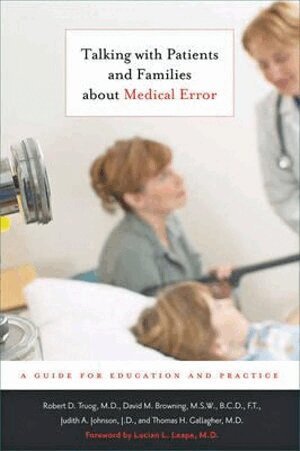
Talking with Patients and Families about Medical Error
A Guide for Education and Practice
Inbunden, Engelska, 2011
384 kr
Skickas inom 11-20 vardagar
More than a million patient safety incidents occur every year, and medical error is the third leading cause of death in the United States. Illuminating the experiences of those affected by medical error-patients, their loved ones, and physicians and other medical professionals- Talking with Patients and Families about Medical Error delves deeply into the challenges of communicating honestly and openly about mistakes in medical practice. Based on guidelines from the Institute for Professional and Ethical Practice and the authors' own experiences, the practice-based approaches outlined here offer concrete guidance on * initiating discussions * dealing professionally and compassionately with patients' reactions * who should be included in the conversation* what information should be documented in the medical record* how to respond to questions about financial compensation Aimed at promoting resolution and healing, this book stresses the importance of clear, empathetic communication that will improve clinical and organizational responses to medical missteps and mismanagement.It emphasizes five features of the physician-patient relationship deserving of special attention: transparency, respect, accountability, continuity, and kindness (TRACK). Narrative examples of common situations demonstrate how conversations about medical error can lead to healing.