Robert Fredona – författare
Visar alla böcker från författaren Robert Fredona. Handla med fri frakt och snabb leverans.
7 produkter
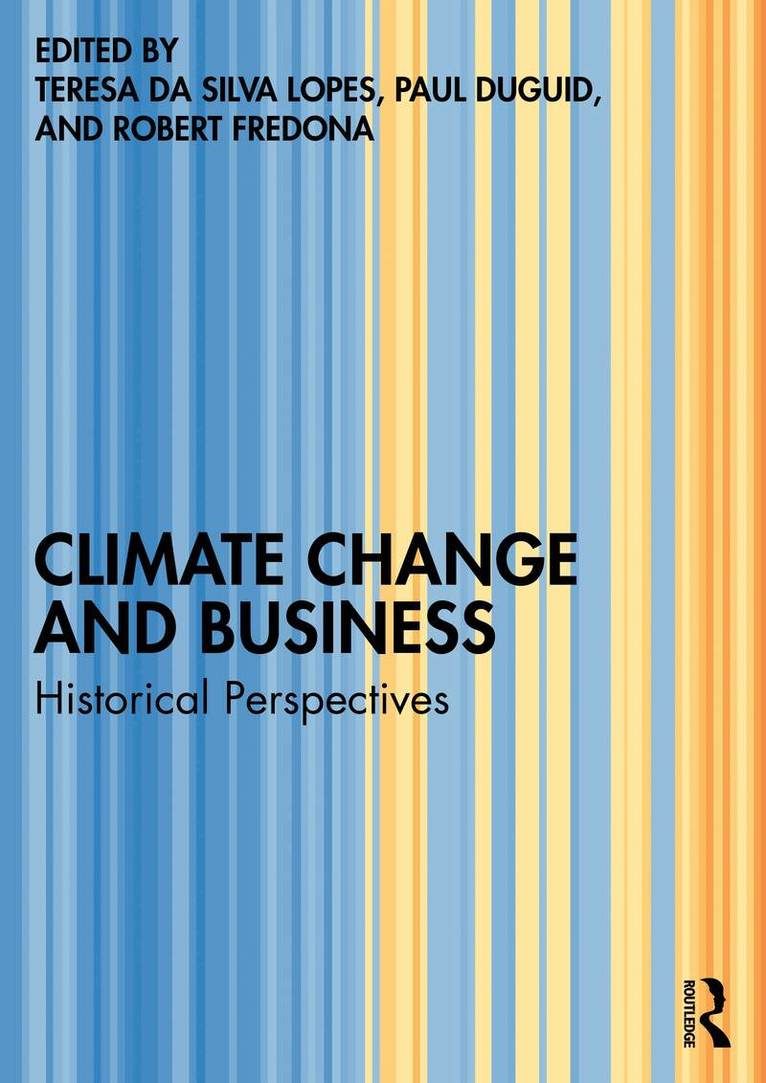
Climate Change and Business
Historical Perspectives
Av Teresa da Silva Lopes, Paul Duguid m. fl.
Häftad, 2025
807 kr
Lägg i varukorg
Climate change is the greatest market failure in world history and thus the most urgent challenge in the world of business for the foreseeable future. This book brings together experts to shed light on the historical impact of business on climate change and of climate change on business.The book …
Climate Change and Business
Historical Perspectives
Av Teresa da Silva Lopes, Paul Duguid m. fl.
Inbunden, 2025
2510 kr
Lägg i varukorg
Climate change is the greatest market failure in world history and thus the most urgent challenge in the world of business for the foreseeable future. This book brings together experts to shed light on the historical impact of business on climate change and of climate change on business.The book …
Climate Change and Business
Historical Perspectives
Av Robert Fredona, Paul Duguid m. fl.
E-bok, 2025
953 kr
Lägg i varukorg
Climate change is the greatest market failure in world history and thus the most urgent challenge in the world of business for the foreseeable future. This book brings together experts to shed light on the historical impact of business on climate change and of climate change on business. The book …
Climate Change and Business
Historical Perspectives
Av Robert Fredona, Paul Duguid m. fl.
E-bok, 2025
932 kr
Lägg i varukorg
Climate change is the greatest market failure in world history and thus the most urgent challenge in the world of business for the foreseeable future. This book brings together experts to shed light on the historical impact of business on climate change and of climate change on business. The book …
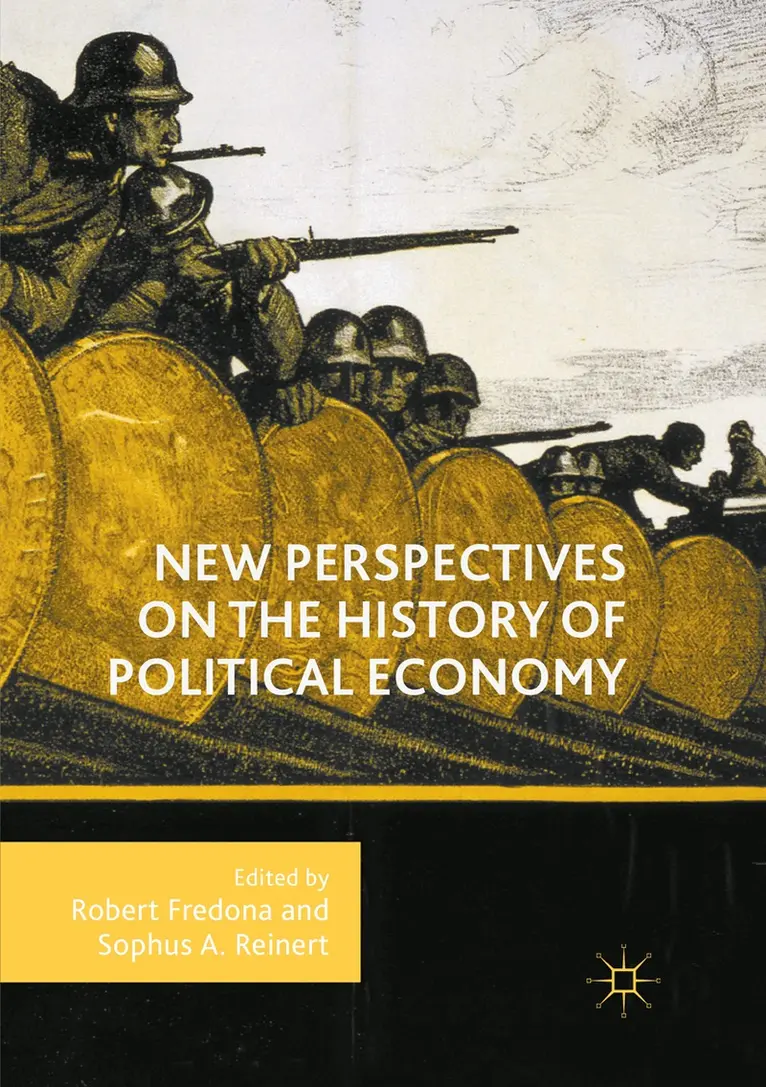
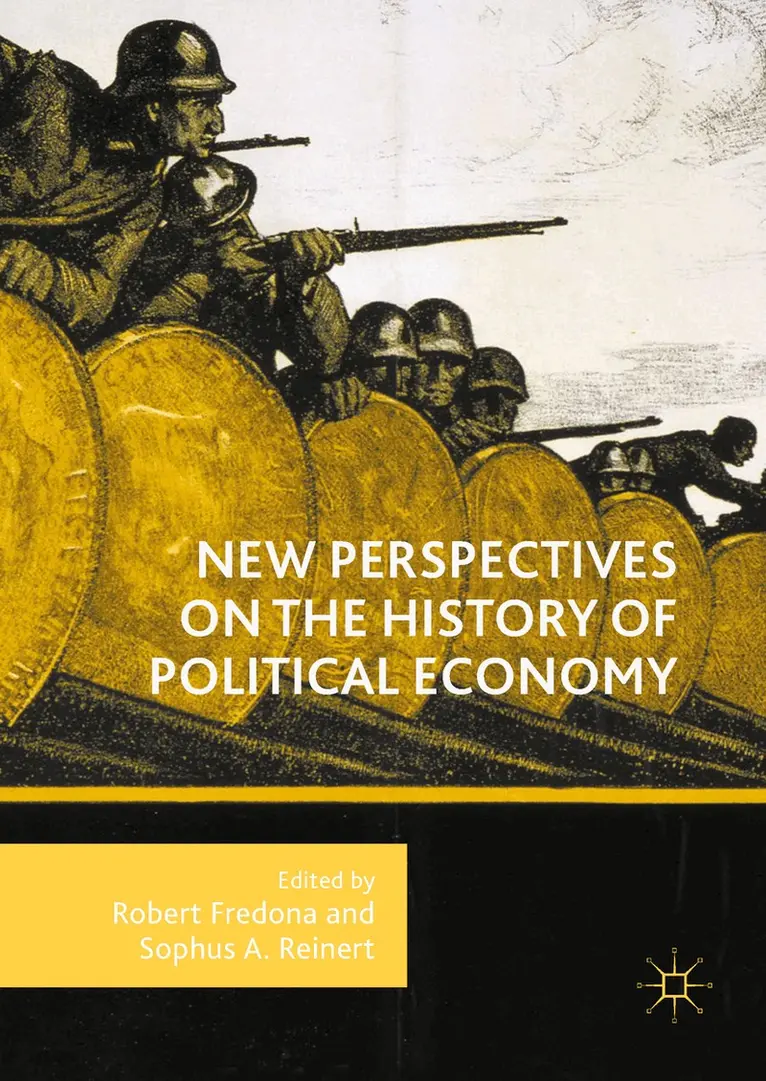
New Perspectives on the History of Political Economy
Av Robert Fredona, Sophus A. Reinert
Häftad, 2019
1202 kr
Lägg i varukorg
This volume offers a snapshot of the resurgent historiography of political economy in the wake of the ongoing global financial crisis, and suggests fruitful new agendas for research on the political-economic nexus as it has developed in the Western world since the end of the Middle Ages. New …
New Perspectives on the History of Political Economy
Av Robert Fredona, Sophus A. Reinert
Inbunden, 2018
1636 kr
Lägg i varukorg
This volume offers a snapshot of the resurgent historiography of political economy in the wake of the ongoing global financial crisis, and suggests fruitful new agendas for research on the political-economic nexus as it has developed in the Western world since the end of the Middle Ages. New …
New Perspectives on the History of Political Economy
Av Sophus A. Reinert, Robert Fredona
E-bok, 2018
1622 kr
Lägg i varukorg
This volume offers a snapshot of the resurgent historiography of political economy in the wake of the ongoing global financial crisis, and suggests fruitful new agendas for research on the political-economic nexus as it has developed in the Western world since the end of the Middle Ages. New …