Robert H. Sharf - Böcker
Visar alla böcker från författaren Robert H. Sharf. Handla med fri frakt och snabb leverans.
6 produkter
6 produkter
1 064 kr
Skickas inom 5-8 vardagar
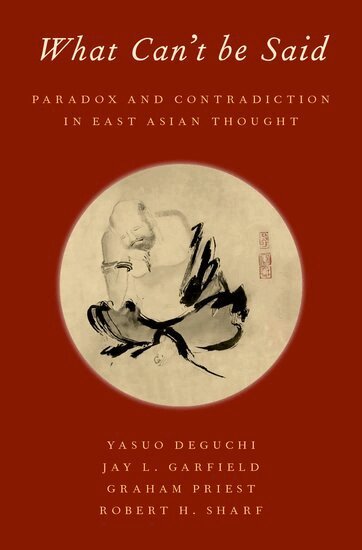
Typically, in the Western philosophical tradition, the presence of paradox and contradictions is taken to signal the failure or refutation of a theory or line of thinking. This aversion to paradox rests on the commitment-whether implicit or explicit-to the view that reality must be consistent.In What Can't be Said, Yasuo Deguchi, Jay L. Garfield, Graham Priest, and Robert H. Sharf extend their earlier arguments that the discovery of paradox and contradiction can deepen rather than disprove a philosophical position, and confirm these ideas in the context of East Asian philosophy. They claim that, unlike most Western philosophers, many East Asian philosophers embraced paradox, and provide textual evidence for this claim. Examining two classical Daoist texts, the Daodejing and the Zhaungzi, as well as the trajectory of Buddhism in East Asia, including works from the Sanlun, Tiantai, Chan, and Zen traditions and culminating with the Kyoto school of philosophy, they argue that these philosophers' commitment to paradox reflects an understanding of reality as inherently paradoxical, revealing significant philosophical insights.
739 kr
Skickas inom 7-10 vardagar
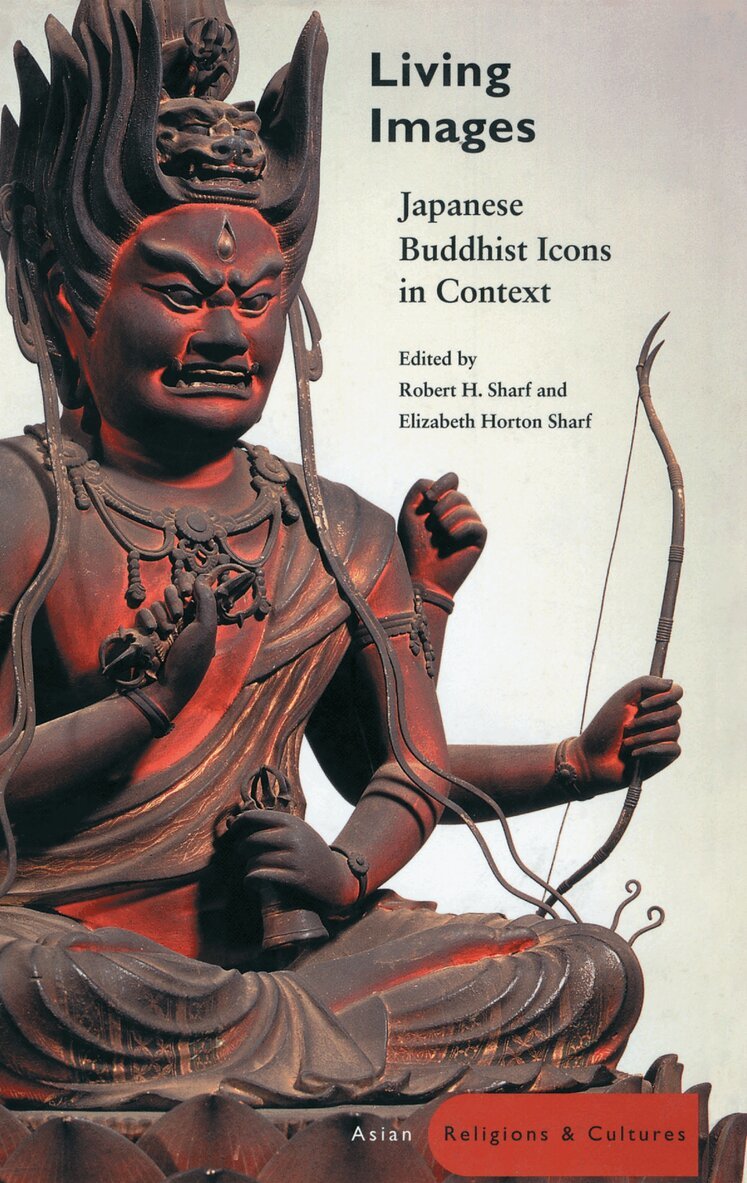
Buddhist images are ubiquitous in Japan, yet they are rarely accorded much attention in studies of Buddhist monastic traditions. Scholars of religion tend to regard Buddhist images as mere symbols or representations of religious ideals, commemorations of saints and patriarchs, ancillary aids to meditative practice, or the focus of lay piety. Art historians approach these images as works of art suitable for stylistic and iconographic analysis. Yet neither of these groups of scholars has adequately appreciated the centrality and significance of images and image worship in Japanese monastic practice.The essays in this volume focus on the historical, institutional, and ritual context of a number of Japanese Buddhist paintings, sculptures, calligraphies, and relics—some celebrated, others long overlooked. Robert H. Sharf's introduction examines the reasons for the marginalization of images by modern Buddhist apologists and Western scholars alike, tackling the thorny question of whether Buddhists were in fact idolators. The essays by Paul Groner and Karen Brock document and explicate the crucial role that sacred images played in the lives of two eminent medieval clerics, Eison and Myoe. James Dobbins looks at Shin representations of Shinran, founder of the Shin school of Pure Land Buddhism, and finds that early Shin piety was centered as much on Shinran and his images as on the Buddha Amida himself. Robert H. Sharf's essay on the use of Tantric mandalas reveals that, contrary to received opinion, such mandalas were not used as aids to ritual visualization but rather as vivified entities whose presence ensured the efficacy of the rite. In each case, the authors find that the images were treated, by elite monks and unlettered laypersons alike, as living presences with considerable apotropaic and salvific power, and that Japanese Buddhist monastic life was centered around the management and veneration of these numinous beings.
206 kr
Skickas inom 10-15 vardagar
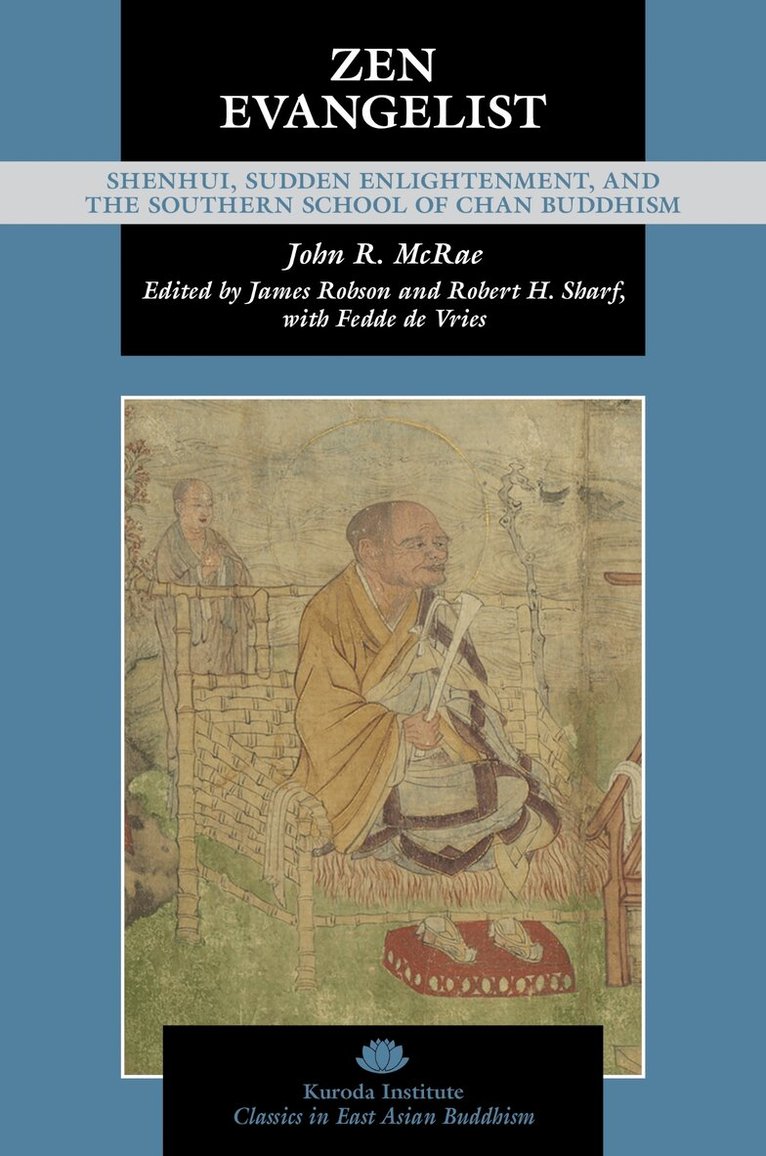
Zen Evangelist
Shenhui, Sudden Enlightenment, and the Southern School of Chan Buddhism
Inbunden, Engelska, 2023
726 kr
Skickas inom 7-10 vardagar
Huineng (638–713), author and hero of the Platform Sutra, is often credited with founding the Southern school of Chan Buddhism and its radical doctrine of "sudden enlightenment." However, manuscripts discovered at Dunhuang at the beginning of the twentieth century reveal that the real architect of the Southern school was Huineng’s student Shenhui (684–758). An ardent evangelist for his master’s teaching and a sharp critic of rival meditation teachers of his day, Shenhui was responsible for Huineng’s recognition as the "sixth patriarch," for the promotion and eventual triumph of the sudden teaching, and for a somewhat combative style of Chan discourse that came to be known as "encounter dialogue." Shenhui’s historical importance in the rise and success of Chan is beyond dispute, yet until now there has been no complete translation of his corpus into English.This volume brings together John McRae’s lifetime of work on the Shenhui corpus, including extensively annotated translations of all five of Shenhui’s texts discovered at Dunhuang as well as McRae’s seminal studies of Shenhui’s life, teachings, and legacy. McRae’s research explores the degree to which the received view of the Northern school teachings is a fiction created by Shenhui to score rhetorical points and that Northern and Southern teachings may have been closer to one another than the canonical narrative depicts. McRae explains Shenhui’s critical role in shaping what would later emerge as "classical Chan," while remaining skeptical about the glowing image of Shenhui as an effective mentor and inspired revolutionary. This posthumously published book is the fulfillment of McRae’s wish to make Shenhui’s surviving writings accessible through carefully annotated English translations, allowing readers to form their own opinions.
194 kr
Skickas inom 3-6 vardagar
Zen Evangelist
Shenhui, Sudden Enlightenment, and the Southern School of Chan Buddhism
Häftad, Engelska, 2025
203 kr
Skickas inom 7-10 vardagar
Huineng (638–713), author and hero of the Platform Sutra, is often credited with founding the Southern school of Chan Buddhism and its radical doctrine of "sudden enlightenment." However, manuscripts discovered at Dunhuang at the beginning of the twentieth century reveal that the real architect of the Southern school was Huineng’s student Shenhui (684–758). An ardent evangelist for his master’s teaching and a sharp critic of rival meditation teachers of his day, Shenhui was responsible for Huineng’s recognition as the "sixth patriarch," for the promotion and eventual triumph of the sudden teaching, and for a somewhat combative style of Chan discourse that came to be known as "encounter dialogue." Shenhui’s historical importance in the rise and success of Chan is beyond dispute, yet until now there has been no complete translation of his corpus into English.This volume brings together John McRae’s lifetime of work on the Shenhui corpus, including extensively annotated translations of all five of Shenhui’s texts discovered at Dunhuang as well as McRae’s seminal studies of Shenhui’s life, teachings, and legacy. McRae’s research explores the degree to which the received view of the Northern school teachings is a fiction created by Shenhui to score rhetorical points and that Northern and Southern teachings may have been closer to one another than the canonical narrative depicts. McRae explains Shenhui’s critical role in shaping what would later emerge as "classical Chan," while remaining skeptical about the glowing image of Shenhui as an effective mentor and inspired revolutionary. This posthumously published book is the fulfillment of McRae’s wish to make Shenhui’s surviving writings accessible through carefully annotated English translations, allowing readers to form their own opinions.