Robert M. May - Böcker
Visar alla böcker från författaren Robert M. May. Handla med fri frakt och snabb leverans.
4 produkter
4 produkter
1 566 kr
Skickas inom 5-8 vardagar
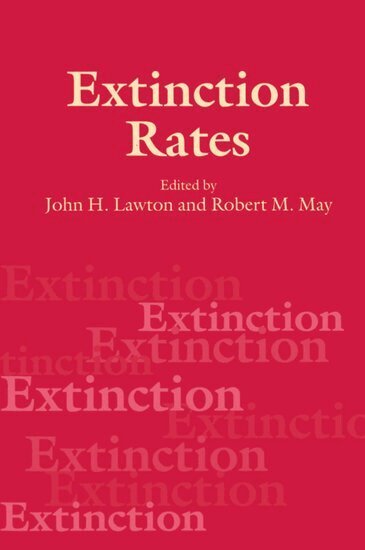
This useful new book answers the need for data-driven estimates of recent (1600 onwards) extinction rates as a basis for more accurate projections of extinction rates for the centuries to come. This book provides a more wide-ranging and data-driven treatment of present and likely future rates of extinction than any text currently available. It is directed broadly at senior undergraduates, postgraduate students and research workers in the fields of ecology, conservation biology and the environmental sciences. The authors highlight apparent differences in extinction rates among taxonomic groups and places, aiming to identify unresolved issues and important questions.
703 kr
Skickas inom 7-10 vardagar
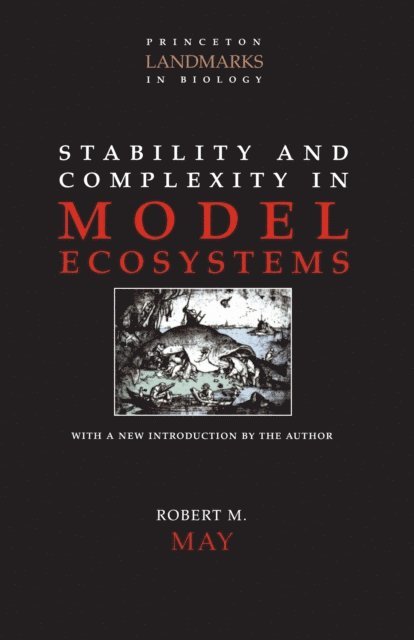
What makes populations stabilize? What makes them fluctuate? Are populations in complex ecosystems more stable than populations in simple ecosystems? In 1973, Robert May addressed these questions in this classic book. May investigated the mathematical roots of population dynamics and argued-counter to most current biological thinking-that complex ecosystems in themselves do not lead to population stability. Stability and Complexity in Model Ecosystems played a key role in introducing nonlinear mathematical models and the study of deterministic chaos into ecology, a role chronicled in James Gleick's book Chaos. In the quarter century since its first publication, the book's message has grown in power. Nonlinear models are now at the center of ecological thinking, and current threats to biodiversity have made questions about the role of ecosystem complexity more crucial than ever. In a new introduction, the author addresses some of the changes that have swept biology and the biological world since the book's first publication.
1 372 kr
Skickas inom 3-6 vardagar
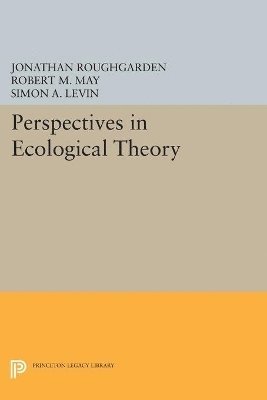
This volume presents an overview of current accomplishments and future directions in ecological theory. The twenty-three chapters cover a broad range of important topics, from the physiology and behavior of individuals or groups of organisms, through population dynamics and community structure, to the ecology of ecosystems and the geochemical cycles of the entire biosphere. The authors focus on ways in which theory, whether expressed mathematically or verbally, can contribute to defining and solving fundamental problems in ecology. A second aim is to highlight areas where dialogue between theorists and empiricists is likely to be especially rewarding. The authors are R. M. Anderson, C. W. Clark, M. L. Cody, J. E. Cohen, P. R. Ehrlich, M. W. Feldman, M. E. Gilpin, L. J. Gross, M. P. Hassell, H. S. Horn, P. Kareiva, M.A.R. Koehl, S. A. Levin, R. M. May, L. D. Mueller, R. V. O'Neill, S. W. Pacala, S. L. Pimm, T. M. Powell, H. R. Pulliam, J. Roughgarden, W. H. Schlesinger, H. H. Shugart, S. M. Stanley, J. H. Steele, D. Tilman, J. Travis, and D. L. Urban. Originally published in 1989.The Princeton Legacy Library uses the latest print-on-demand technology to again make available previously out-of-print books from the distinguished backlist of Princeton University Press. These editions preserve the original texts of these important books while presenting them in durable paperback and hardcover editions. The goal of the Princeton Legacy Library is to vastly increase access to the rich scholarly heritage found in the thousands of books published by Princeton University Press since its founding in 1905.
3 289 kr
Skickas inom 3-6 vardagar
This volume presents an overview of current accomplishments and future directions in ecological theory. The twenty-three chapters cover a broad range of important topics, from the physiology and behavior of individuals or groups of organisms, through population dynamics and community structure, to the ecology of ecosystems and the geochemical cycles of the entire biosphere. The authors focus on ways in which theory, whether expressed mathematically or verbally, can contribute to defining and solving fundamental problems in ecology. A second aim is to highlight areas where dialogue between theorists and empiricists is likely to be especially rewarding. The authors are R. M. Anderson, C. W. Clark, M. L. Cody, J. E. Cohen, P. R. Ehrlich, M. W. Feldman, M. E. Gilpin, L. J. Gross, M. P. Hassell, H. S. Horn, P. Kareiva, M.A.R. Koehl, S. A. Levin, R. M. May, L. D. Mueller, R. V. O'Neill, S. W. Pacala, S. L. Pimm, T. M. Powell, H. R. Pulliam, J. Roughgarden, W. H. Schlesinger, H. H. Shugart, S. M. Stanley, J. H. Steele, D. Tilman, J. Travis, and D. L. Urban. Originally published in 1989.The Princeton Legacy Library uses the latest print-on-demand technology to again make available previously out-of-print books from the distinguished backlist of Princeton University Press. These editions preserve the original texts of these important books while presenting them in durable paperback and hardcover editions. The goal of the Princeton Legacy Library is to vastly increase access to the rich scholarly heritage found in the thousands of books published by Princeton University Press since its founding in 1905.