Robert Meister - Böcker
Visar alla böcker från författaren Robert Meister. Handla med fri frakt och snabb leverans.
4 produkter
4 produkter
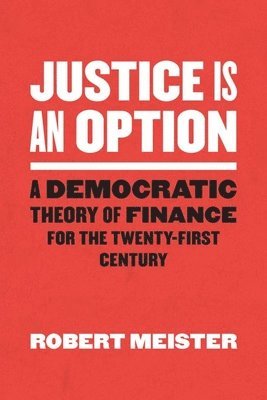
Justice Is an Option
A Democratic Theory of Finance for the Twenty-First Century
Inbunden, Engelska, 2021
913 kr
Skickas inom 7-10 vardagar
More than ten years after the worst crisis since the Great Depression, the financial sector is thriving. But something is deeply wrong. Taxpayers bore the burden of bailing out "too-big-to-fail" banks but got nothing in return. Inequality has soared, and a populist backlash against elites has shaken the foundations of our political order. Meanwhile, financial capitalism seems more entrenched than ever. What is the Left to do? Justice Is an Option uses those problems, and the framework of finance that created them, to reimagine historical justice. Robert Meister returns to the spirit of Marx to diagnose our current age of finance. Instead of closing our eyes to the political economic realities of our era, we need to grapple with them head on. Meister does just that, asking whether the very tools of finance that have created our vastly unequal world could instead be made to serve justice and equality. Meister formulates here nothing less than a democratic financial theory for the twenty-first century, one that is equally conversant in political philosophy, Marxism, and contemporary politics. Justice Is an Option is an invigorating first page of a new--and sorely needed--leftist playbook.
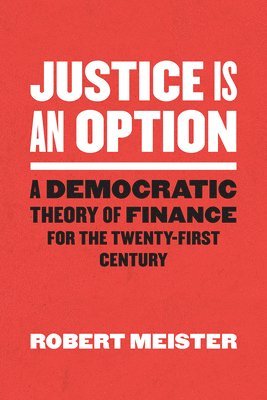
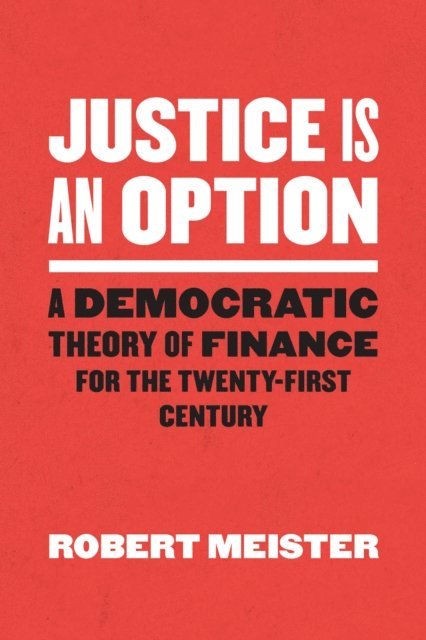
Justice Is an Option
A Democratic Theory of Finance for the Twenty-First Century
Häftad, Engelska, 2021
259 kr
Skickas inom 7-10 vardagar
More than ten years after the worst crisis since the Great Depression, the financial sector is thriving. But something is deeply wrong. Taxpayers bore the burden of bailing out "too-big-to-fail" banks but got nothing in return. Inequality has soared, and a populist backlash against elites has shaken the foundations of our political order. Meanwhile, financial capitalism seems more entrenched than ever. What is the Left to do? Justice Is an Option uses those problems, and the framework of finance that created them, to reimagine historical justice. Robert Meister returns to the spirit of Marx to diagnose our current age of finance. Instead of closing our eyes to the political economic realities of our era, we need to grapple with them head on. Meister does just that, asking whether the very tools of finance that have created our vastly unequal world could instead be made to serve justice and equality. Meister formulates here nothing less than a democratic financial theory for the twenty-first century, one that is equally conversant in political philosophy, Marxism, and contemporary politics. Justice Is an Option is an invigorating first page of a new--and sorely needed--leftist playbook.
1 268 kr
Skickas inom 7-10 vardagar
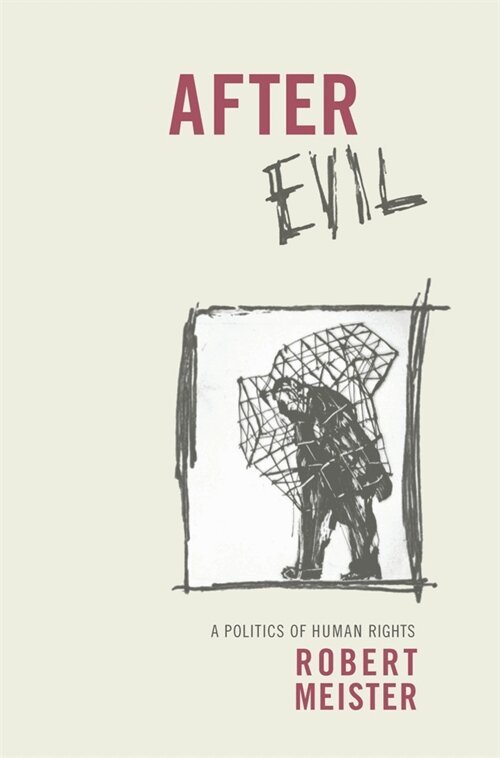
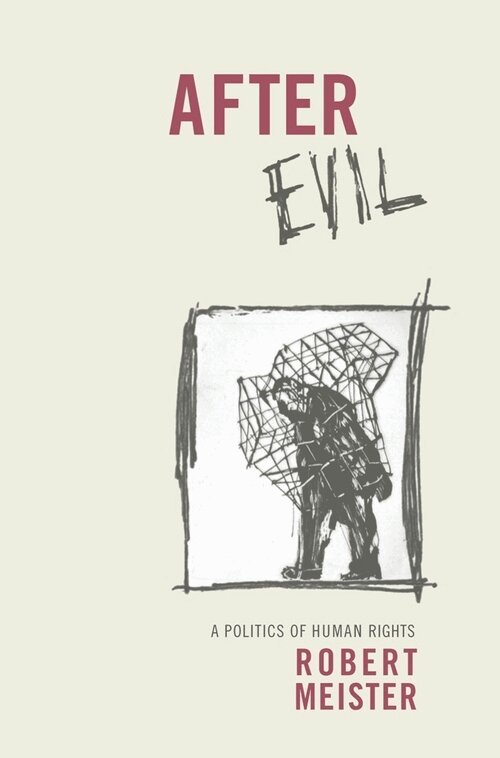
The way in which mainstream human rights discourse speaks of such evils as the Holocaust, slavery, or apartheid puts them solidly in the past. Its elaborate techniques of "transitional" justice encourage future generations to move forward by creating a false assumption of closure, enabling those who are guilty to elude responsibility. This approach to history, common to late-twentieth-century humanitarianism, doesn't presuppose that evil ends when justice begins. Rather, it assumes that a time before justice is the moment to put evil in the past. Merging examples from literature and history, Robert Meister confronts the problem of closure and the resolution of historical injustice. He boldly challenges the empty moral logic of "never again" or the theoretical reduction of evil to a cycle of violence and counterviolence, broken only once evil is remembered for what it was. Meister criticizes such methods for their deferral of justice and susceptibility to exploitation and elaborates the flawed moral logic of "never again" in relation to Auschwitz and its evolution into a twenty-first-century doctrine of the Responsibility to Protect.
322 kr
Skickas inom 7-10 vardagar
The way in which mainstream human rights discourse speaks of such evils as the Holocaust, slavery, or apartheid puts them solidly in the past. Its elaborate techniques of "transitional" justice encourage future generations to move forward by creating a false assumption of closure, enabling those who are guilty to elude responsibility. This approach to history, common to late-twentieth-century humanitarianism, doesn't presuppose that evil ends when justice begins. Rather, it assumes that a time before justice is the moment to put evil in the past. Merging examples from literature and history, Robert Meister confronts the problem of closure and the resolution of historical injustice. He boldly challenges the empty moral logic of "never again" or the theoretical reduction of evil to a cycle of violence and counterviolence, broken only once evil is remembered for what it was. Meister criticizes such methods for their deferral of justice and susceptibility to exploitation and elaborates the flawed moral logic of "never again" in relation to Auschwitz and its evolution into a twenty-first-century doctrine of the Responsibility to Protect.