Robert S. Corrington - Böcker
Visar alla böcker från författaren Robert S. Corrington. Handla med fri frakt och snabb leverans.
14 produkter
14 produkter
594 kr
Skickas inom 10-15 vardagar
Semiotic theory, which has restricted its focus largely to human forms of significations, is transformed by Robert S. Corrington into a semiotics of nature itself. Corrington situates the divide between "nature naturing" and "nature natured" within the contest of classical American pragmaticism and postmodern psychoanalysis. At the heart of this new metaphysics is an insistence that all signs participate in larger orders of meaning that are natural and religious. Meanings embodied in nature point beyond nature to the mystery inherent in positioned codes and signs.
560 kr
Skickas inom 7-10 vardagar
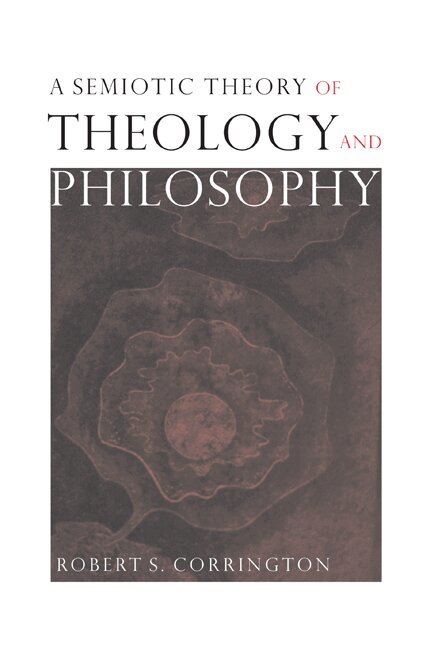
The concern of this work is with developing an alternative to standard categories in theology and philosophy, especially in terms of how they deal with nature. Avoiding the polemics of much contemporary reflection on nature, it shows how we are connected to nature through the unconscious and its unique way of reading and processing signs. Spinoza's key distinction between natura naturans and natura naturata serves as the governing framework for the treatise. Suggestions are made for a post-Christian way of understanding religion. Robert S. Corrington's work represents the first sustained attempt to bring together the fields of semiotics, depth-psychology, pragmaticism, and a post-Monotheistic theology of nature. Its focus is on how signification functions in human and non-human orders of infinite nature. Our connection with the infinite is described in detail, especially as it relates to the use of sign systems.
1 245 kr
Skickas inom 7-10 vardagar
The concern of this work is with developing an alternative to standard categories in theology and philosophy, especially in terms of how they deal with nature. Avoiding the polemics of much contemporary reflection on nature, it shows how we are connected to nature through the unconscious and its unique way of reading and processing signs. Spinoza's key distinction between natura naturans and natura naturata serves as the governing framework for the treatise. Suggestions are made for a post-Christian way of understanding religion. Robert S. Corrington's work represents the first sustained attempt to bring together the fields of semiotics, depth-psychology, pragmaticism, and a post-Monotheistic theology of nature. Its focus is on how signification functions in human and non-human orders of infinite nature. Our connection with the infinite is described in detail, especially as it relates to the use of sign systems.
1 076 kr
Skickas inom 10-15 vardagar
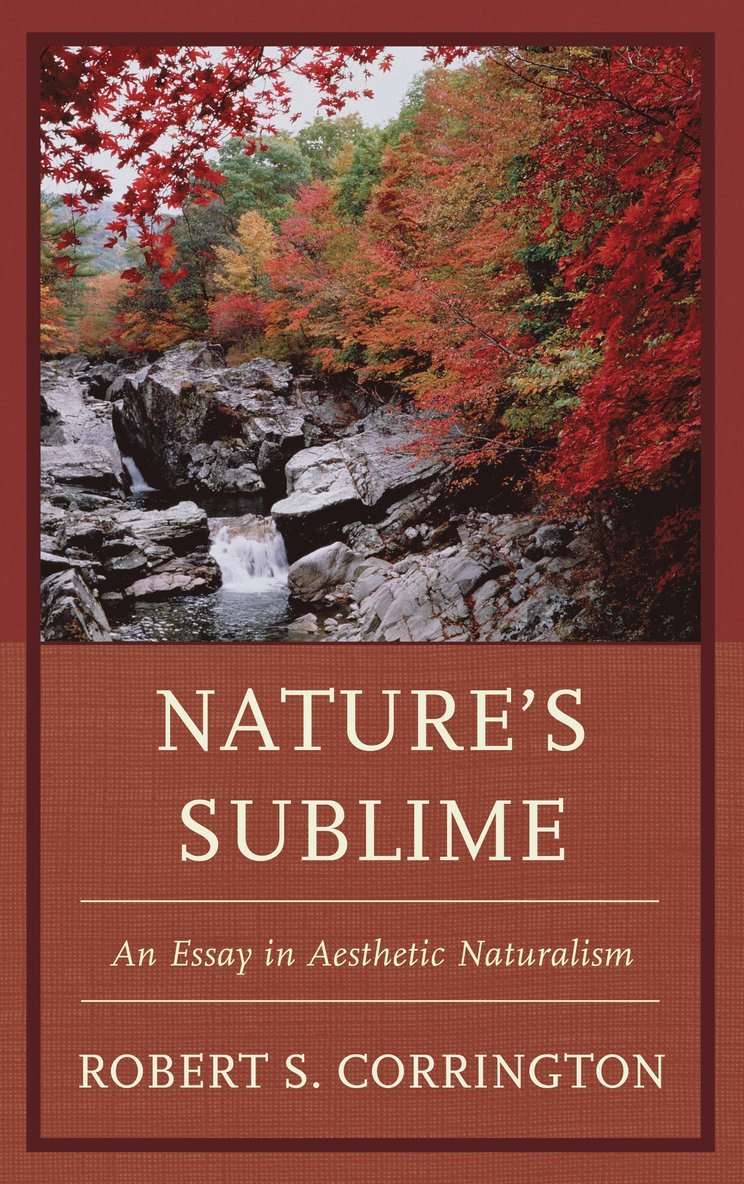
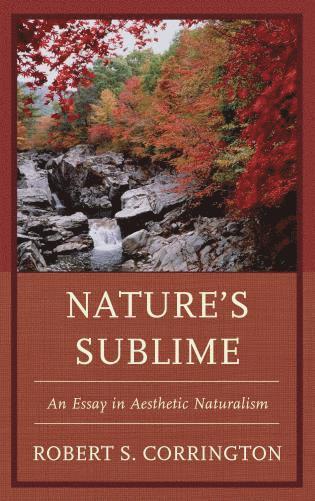
Nature’s Sublime uses a radical new form of phenomenology to probe into the deepest traits of the human process in its individual, social, religious, and aesthetic dimensions. Starting with the selving process the essay describes the role of signs and symbols in intra and interpersonal communication. At the heart of the human use of signs is a creative tension between religions symbols and the novel symbols created in the various arts. A contrast is made between natural communities, which flatten out and reject novel forms of semiosis, and communities of interpretation, which welcomes creative and enriched signs and symbols. The normative claim is made that religious sign/symbol systems have a tendency toward tribalism and violence, while the various spheres of the aesthetic are comparatively non-tribal, or even deliberatively anti-tribal. The concept/experience of beauty and the sublime is meant to replace that of religious revelation. The sublime is not merely an internal mode of attunement, contra Kant, but comes from the very depths of nature in the potencies of nature naturing.
858 kr
Skickas inom 10-15 vardagar
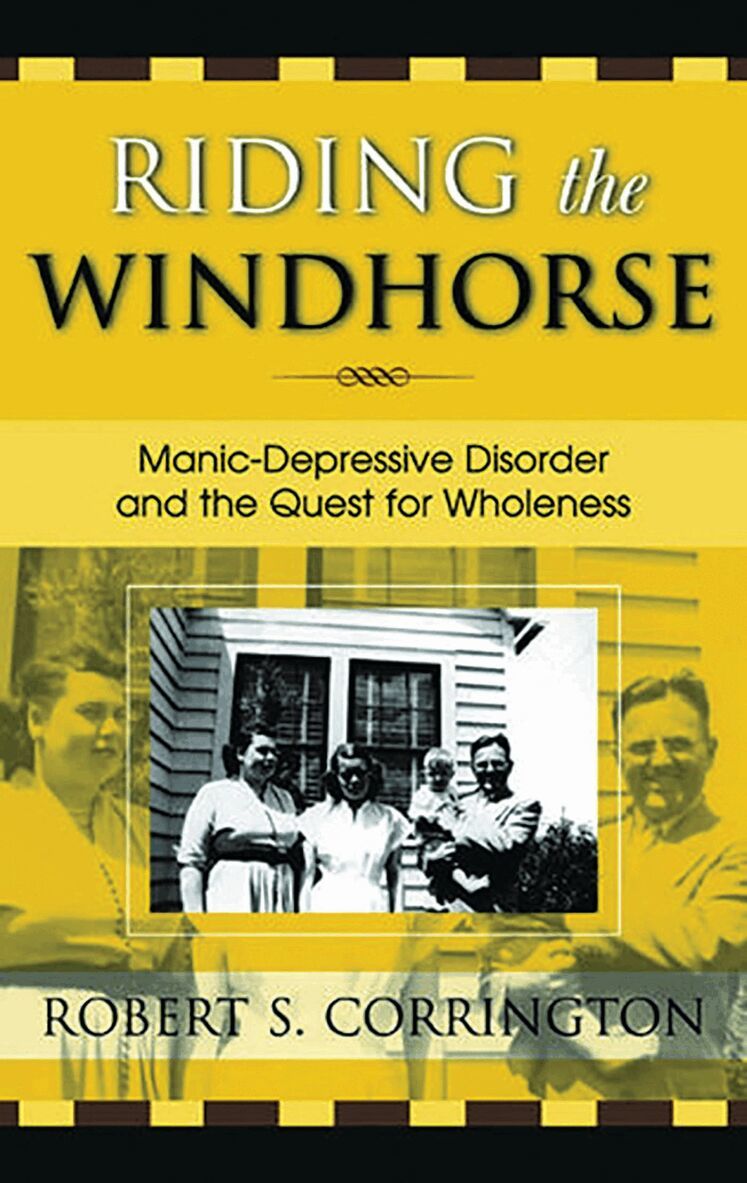
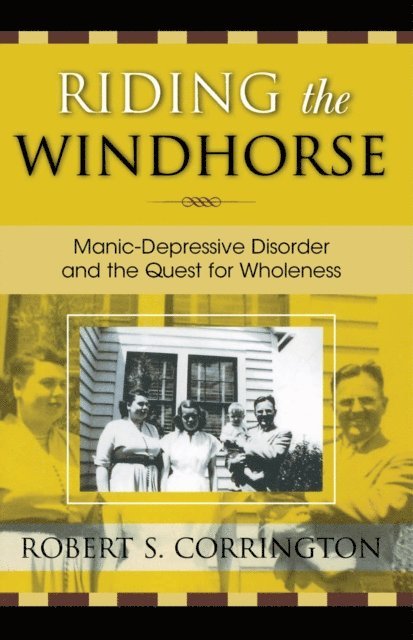
In this moving account of his struggles with manic-depressive disorder, distinguished philosopher Robert S. Corrington, creator of the school of ecstatic naturalism, presents a compelling argument for rethinking the nature of this malady. Having inherited the disorder from his mother, a gifted actress who struggled with her own form of it until her death, he developed crucial survival strategies that he recommends to other sufferers. In Riding the Windhorse, Corrington details the latest medical, psychological, and spiritual thinking about bipolar disease; a disorder characterized by extreme mood swings and responsible for many untimely deaths each year. Surprisingly, however, manic-depression is also found in almost all forms of genius and Corrington presents two detailed case studies showing this correlation. Riding the Windhorse represents one person's eventual triumph over a potentially crippling disease by demonstrating how creativity and the quest for wholeness can support the erratic flight of the windhorse of manic-depression.
594 kr
Skickas inom 3-6 vardagar
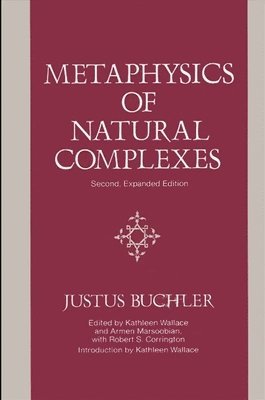
During the past two decades Metaphysics of Natural Complexes has exerted a strong a growing influence on the continuing development of contemporary philosophy. This new and expanded edition acknowledges this influence and brings together much material. Included are the previously published articles "On the Concept of 'the World,'" and "Probing the Idea of Nature," which Buchler wrote subsequent to Metaphysics of Natural Complexes as extensions and completions of the system. Previously unpublished work on the key concept of contour has also been added. In addition there are excerpts from Buchler's replies to his critics, a set of editors' notes to facilitate cross-referencing, and an updated index.This work presents a bold and forceful metaphysics and general ontology. It provides a systematic framework for understanding the broadest features of the world and nature, and for locating our understanding of human nature, selfhood, and society as complexes in and of nature. Buchler's detailed analysis of identity, ordinality, nature, world, and validation advance our understanding of the basic categories to be used in defining and exploring whatever is. Unlike other contemporary philosophers that confine themselves to narrowly defined problems in hermeneutics or theory of knowledge, Buchler is unrelenting in his drive toward a more encompassing perspective, simultaneously combining interpretive precision with sheer breadth of vision.
1 021 kr
Skickas inom 10-15 vardagar
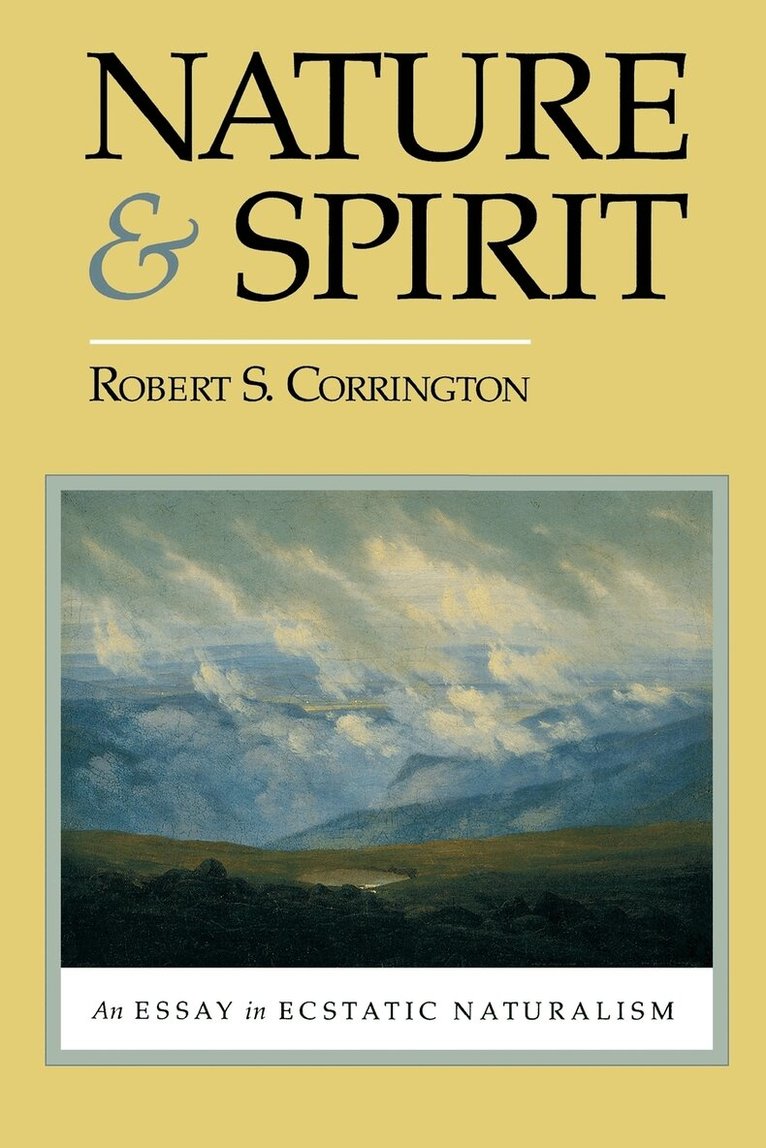
Nature and Spirit: An Essay in Ecstatic Naturalism develops an enlarged conception of nature that in turn calls for a transformed naturalism. Unline more descriptive naturalisms, such as those by Dewey, Santayana, and Buchler, ecstatic naturalism works out of the fundamental ontological difference between nature naturing(natura naturans) and nature natured (natura naturata). This difference underlies all other variations within a generic conception of nature. The spirit operates within a generic conception of nature. The spirit operates within a fragmented nature and has its own unique locations. Ecstatic naturalism does not eulogize spirit nor impose a process theodicy upon nature as a whole but carefully describes the ways in which spirit emerges from finite locations within the world. Methodologically, the text radically regrounds phenomenology so that it can work more closely with a metaphysics seeking the most generic forms of nature. The move from a transcendental phenomenology, which rests upon a profound misconception of the parcel of a radicalized naturalism, makes it possible to show how all orders of relevance are related to nature and to the spirit. This, in turn relocates the human process, with its dialectical tension between finitude and transendence, and places the self fully within the emergent structures of the community of interpreters as that community lives out of hope. The concept of worldhood is regrounded in pragmatic and semiotic terms, thus putting pressure on Heidegger's formulations. Peirce's pragmatic categorical structure is used to show how worldhood differs from any other order within the world. The correlation of the potencies of nature, which are presemiotic and preordinal, wit the orders of the world itself, is possible only through an ordinal phenomenology that remains attuned to the fundamental difference between nature naturing (the potencies) and nature natured (the orders of the world). Finally, the text redefines the divine natures in the light of an ecstatic naturalism that sees god as an order within the world that experiences the fragmented quality of nature. Process theology is challenged for its inability to grasp the tensions between god and the encompassing. Four divine natures are laid bare as they relate to nature and to each other. The work concludes with a description of the divine life in the face of the encompassing.
559 kr
Skickas inom 7-10 vardagar
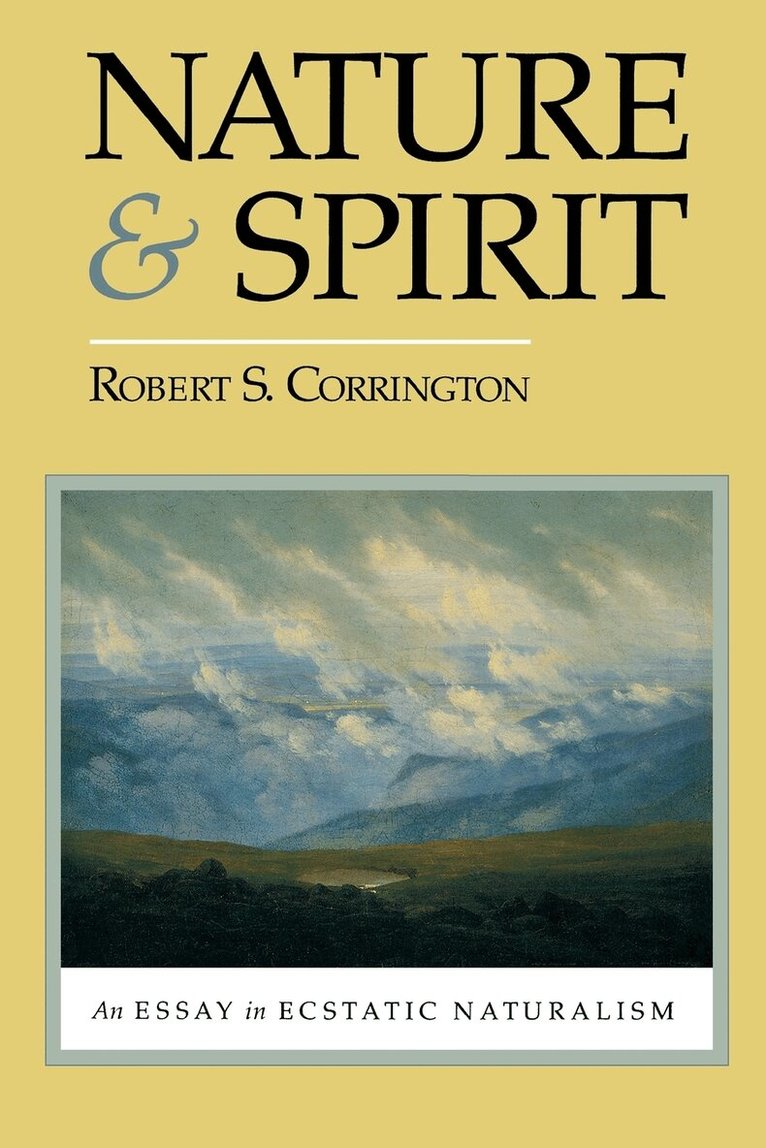
Nature and Spirit: An Essay in Ecstatic Naturalism develops an enlarged conception of nature that in turn calls for a transformed naturalism. Unline more descriptive naturalisms, such as those by Dewey, Santayana, and Buchler, ecstatic naturalism works out of the fundamental ontological difference between nature naturing(natura naturans) and nature natured (natura naturata). This difference underlies all other variations within a generic conception of nature. The spirit operates within a generic conception of nature. The spirit operates within a fragmented nature and has its own unique locations. Ecstatic naturalism does not eulogize spirit nor impose a process theodicy upon nature as a whole but carefully describes the ways in which spirit emerges from finite locations within the world. Methodologically, the text radically regrounds phenomenology so that it can work more closely with a metaphysics seeking the most generic forms of nature. The move from a transcendental phenomenology, which rests upon a profound misconception of the parcel of a radicalized naturalism, makes it possible to show how all orders of relevance are related to nature and to the spirit. This, in turn relocates the human process, with its dialectical tension between finitude and transendence, and places the self fully within the emergent structures of the community of interpreters as that community lives out of hope. The concept of worldhood is regrounded in pragmatic and semiotic terms, thus putting pressure on Heidegger's formulations. Peirce's pragmatic categorical structure is used to show how worldhood differs from any other order within the world. The correlation of the potencies of nature, which are presemiotic and preordinal, wit the orders of the world itself, is possible only through an ordinal phenomenology that remains attuned to the fundamental difference between nature naturing (the potencies) and nature natured (the orders of the world). Finally, the text redefines the divine natures in the light of an ecstatic naturalism that sees god as an order within the world that experiences the fragmented quality of nature. Process theology is challenged for its inability to grasp the tensions between god and the encompassing. Four divine natures are laid bare as they relate to nature and to each other. The work concludes with a description of the divine life in the face of the encompassing.
568 kr
Skickas inom 10-15 vardagar
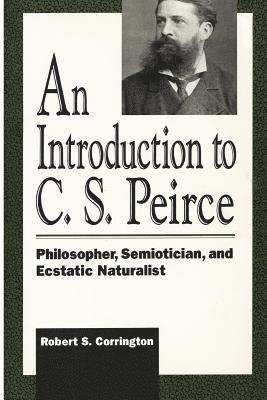
Corrington achieves the most judicious presentation of Peirce's philosophy made so far, an ideal introduction for the beginning student and 'balancer' for Peirce sophisticates. -John Deely, Loras College
675 kr
Skickas inom 10-15 vardagar
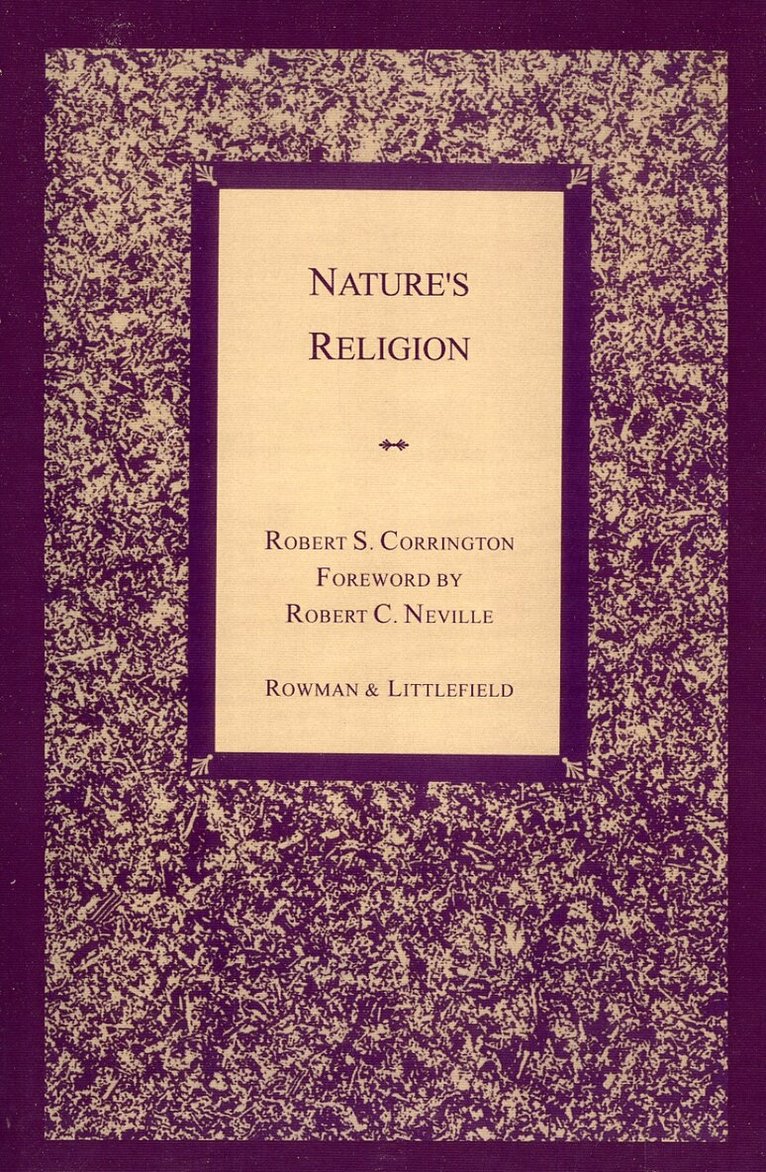
In the wake of both the semiotic and the psychoanalytic revolutions, how is it possible to describe the object of religious worship in realist terms? Semioticians argue that each object is known only insofar as it gives birth to a series of signs and interpretants (new signs). From the psychoanalytic side, religious beliefs are seen to belong to transference energies and projections that contaminate the religious object with all-too-human complexes. In Nature's Religion, distinguished theologian and philosopher Robert S. Corrington weaves together the concept of infinite semiosis with that of the transference to show that the self does have access to something in nature that is intrinsically religious. Corrington argues that signs and our various transference fields can and do connect us with fully natural religious powers that are not of our own making, thereby opening up a path past the Western monotheisms to a capacious religion of nature. With a foreword by Robert C. Neville, Nature's Religion is essential reading for philosophers of religion, scholars of the psychology of religion, and theologians.
675 kr
Skickas inom 10-15 vardagar
Nature’s Sublime uses a radical new form of phenomenology to probe into the deepest traits of the human process in its individual, social, religious, and aesthetic dimensions. Starting with the selving process the essay describes the role of signs and symbols in intra and interpersonal communication. At the heart of the human use of signs is a creative tension between religions symbols and the novel symbols created in the various arts. A contrast is made between natural communities, which flatten out and reject novel forms of semiosis, and communities of interpretation, which welcomes creative and enriched signs and symbols. The normative claim is made that religious sign/symbol systems have a tendency toward tribalism and violence, while the various spheres of the aesthetic are comparatively non-tribal, or even deliberatively anti-tribal. The concept/experience of beauty and the sublime is meant to replace that of religious revelation. The sublime is not merely an internal mode of attunement, contra Kant, but comes from the very depths of nature in the potencies of nature naturing.
541 kr
Skickas inom 10-15 vardagar
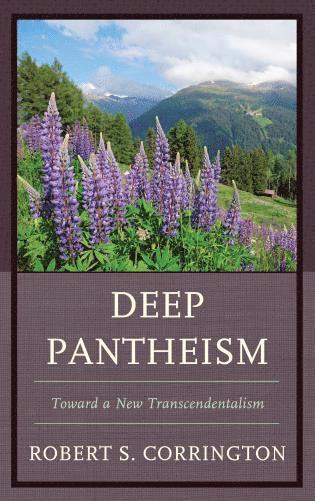
This book is a study in a new form of religious naturalism called “Deep Pantheism,” which has roots in American Transcendentalism, but also in phenomenology and Asian thought. It argues that the great divide within nature is that between nature naturing and nature natured, the former term defined as “Nature creating itself out of itself alone,” while the latter term defined as “The innumerable orders of the World.” Explorations are made of the connections among the unconscious of nature, the archetypes, and the various layers of the human psyche. The Selving process is analyzed using the work of C.G.Jung and Otto Rank. Evolution and involution are compared as they relate to the Encompassing, and the priority of art over most forms of religion is argued for.
1 391 kr
Skickas inom 10-15 vardagar
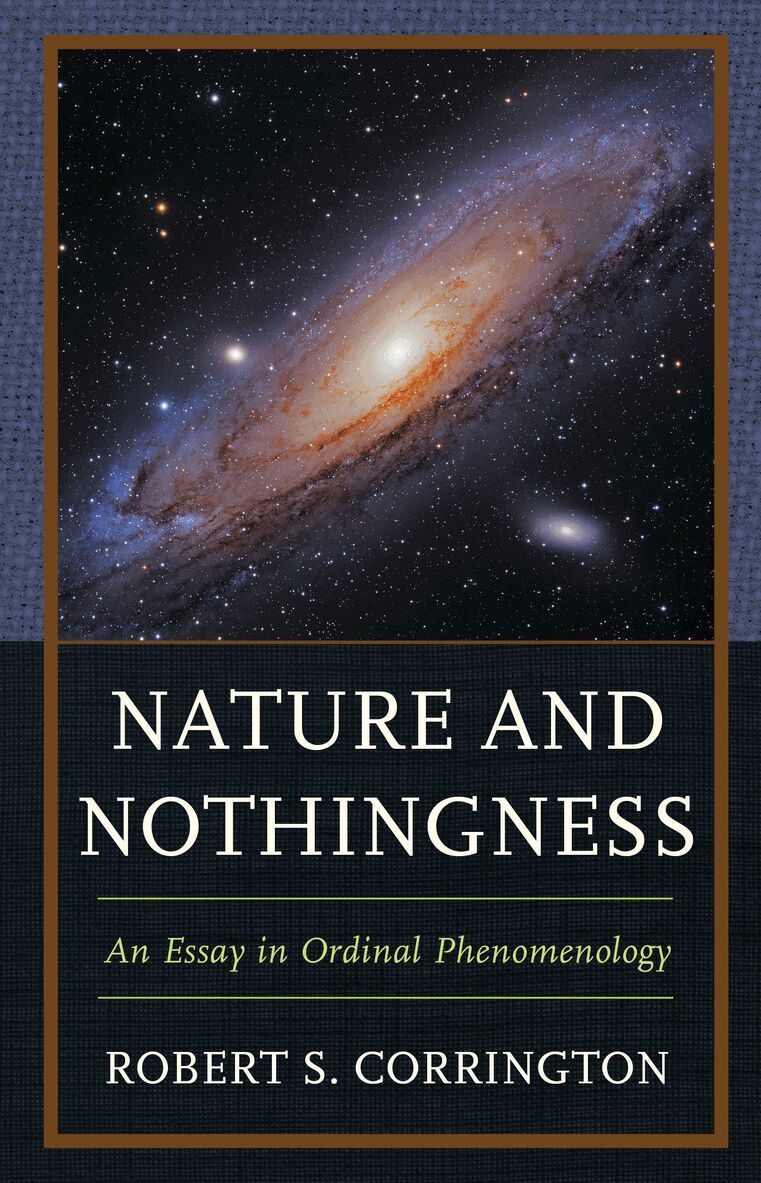
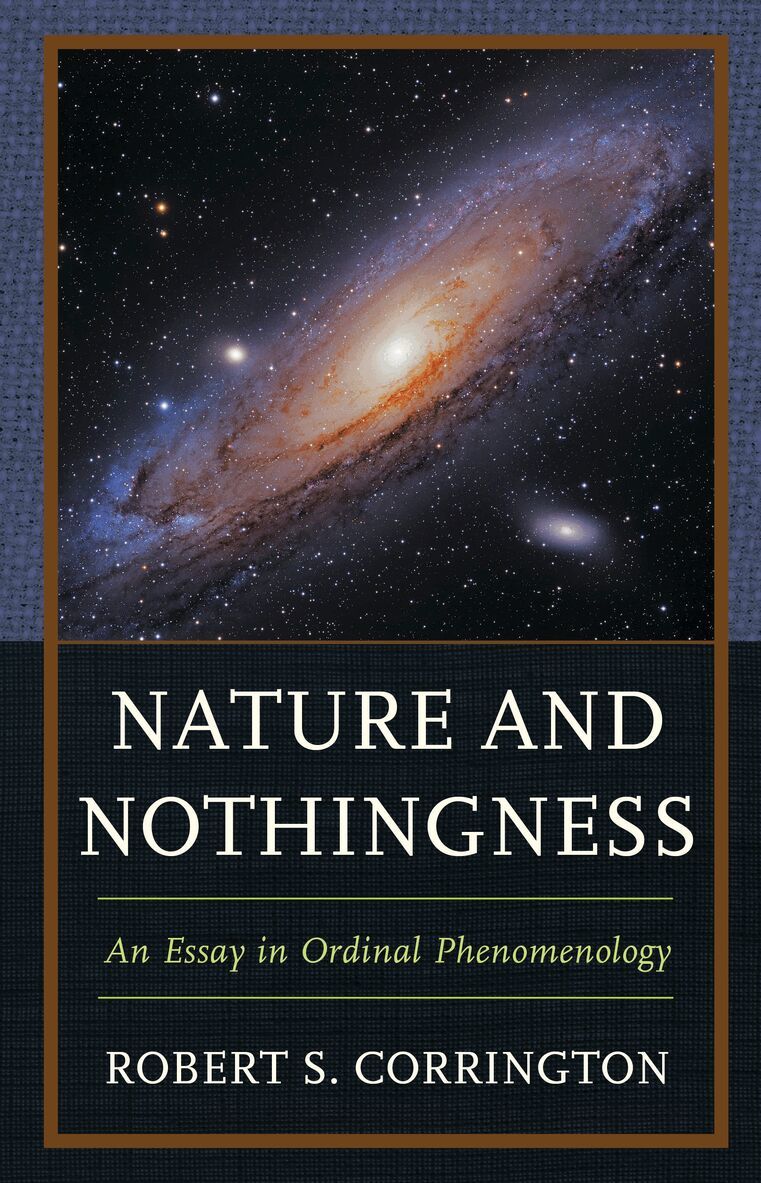
Is nothingness found in nature or is it in some realm disconnected from nature? Nature and Nothingness: An Essay in Ordinal Phenomenology argues for the former and explores four types of nothingness as found in nature: holes in nature, totalizing nothingness in horror, naturing nothingness, and encompassing nothingness. Using ordinal phenomenology, Robert S. Corrington reveals the great perennial fissuring within the one nature that there is. The book includes a detailed analysis of religious violence as it correlates to the hoes in nature, such as anxiety, bereavement, loss, fear of fragmentation, and loss of identity. It also examines the various ways in which horror is encountered in a literary context, using the work of Edgar Allen Poe and H. P. Lovecraft. The analysis is comparative and makes use of feminist philosophy as well as Buddhist, Taoist, theosophical, and American philosophy. Using resources from ecstatic naturalism and deep pantheism, Corrington argues that though nothingness takes many forms, they are all guises of the same vast Nothingness.
576 kr
Skickas inom 10-15 vardagar
Is nothingness found in nature or is it in some realm disconnected from nature? Nature and Nothingness: An Essay in Ordinal Phenomenology argues for the former and explores four types of nothingness as found in nature: holes in nature, totalizing nothingness in horror, naturing nothingness, and encompassing nothingness. Using ordinal phenomenology, Robert S. Corrington reveals the great perennial fissuring within the one nature that there is. The book includes a detailed analysis of religious violence as it correlates to the hoes in nature, such as anxiety, bereavement, loss, fear of fragmentation, and loss of identity. It also examines the various ways in which horror is encountered in a literary context, using the work of Edgar Allen Poe and H. P. Lovecraft. The analysis is comparative and makes use of feminist philosophy as well as Buddhist, Taoist, theosophical, and American philosophy. Using resources from ecstatic naturalism and deep pantheism, Corrington argues that though nothingness takes many forms, they are all guises of the same vast Nothingness.