Robert Talisse – författare
Visar alla böcker från författaren Robert Talisse. Handla med fri frakt och snabb leverans.
17 produkter
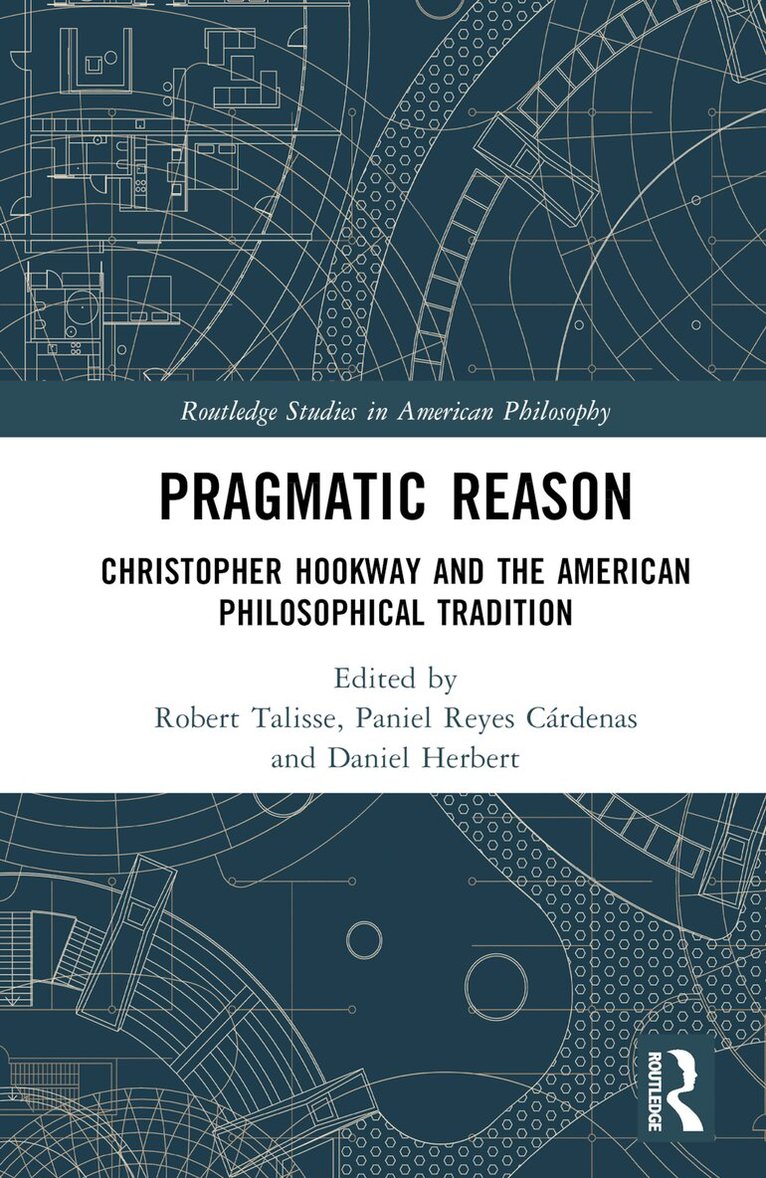
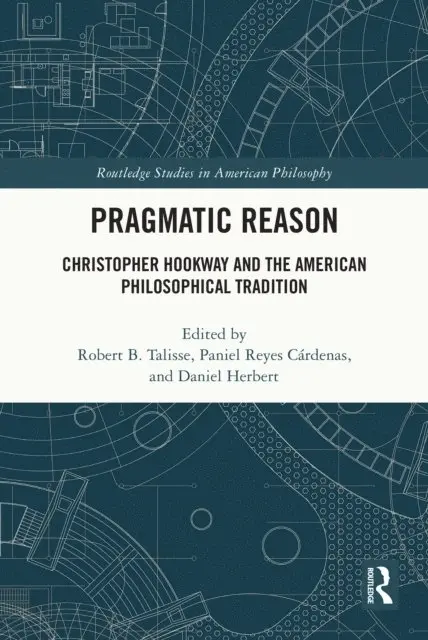
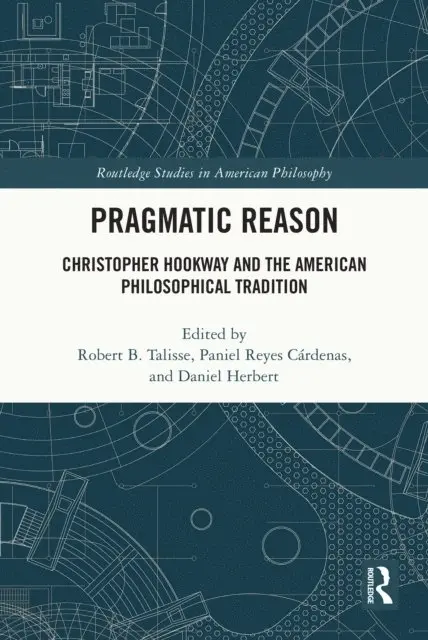
Pragmatic Reason
Christopher Hookway and the American Philosophical Tradition
Av Robert Talisse, Paniel Reyes Cárdenas m. fl.
Inbunden, 2023
2136 kr
Lägg i varukorg
Christopher Hookway has been influential in promoting engagement with pragmatist and naturalist perspectives from classical and contemporary American philosophy. This book reflects on Hookway’s work on the American philosophical tradition and its significance for contemporary discussions of the …
Pragmatic Reason
Christopher Hookway and the American Philosophical Tradition
Av Robert Talisse, Paniel Reyes Cárdenas m. fl.
Häftad, 2024
634 kr
Lägg i varukorg
Christopher Hookway has been influential in promoting engagement with pragmatist and naturalist perspectives from classical and contemporary American philosophy. This book reflects on Hookway’s work on the American philosophical tradition and its significance for contemporary discussions of the …
Pluralism and Liberal Politics
Häftad, 2013
911 kr
Lägg i varukorg
In this book, Robert Talisse critically examines the moral and political implications of pluralism, the view that our best moral thinking is indeterminate and that moral conflict is an inescapable feature of the human condition. Through a careful engagement with the work of William James, Isaiah …
Pluralism and Liberal Politics
Inbunden, 2011
2515 kr
Lägg i varukorg
In this book, Robert Talisse critically examines the moral and political implications of pluralism, the view that our best moral thinking is indeterminate and that moral conflict is an inescapable feature of the human condition. Through a careful engagement with the work of William James, Isaiah …
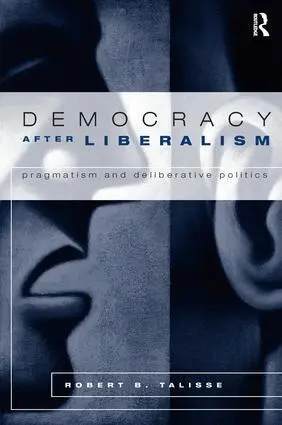
Democracy After Liberalism
Pragmatism and Deliberative Politics
Inbunden, 2004
2515 kr
Lägg i varukorg
This book critically evaluates liberalism, the dominant attempt in the tradition of political philosophy to provide a philosophical foundation for democracy, and argues for a conception of deliberative democracy to meet this need.
Democracy After Liberalism
Pragmatism and Deliberative Politics
Häftad, 2004
794 kr
Lägg i varukorg
This book critically evaluates liberalism, the dominant attempt in the tradition of political philosophy to provide a philosophical foundation for democracy, and argues for a conception of deliberative democracy to meet this need.
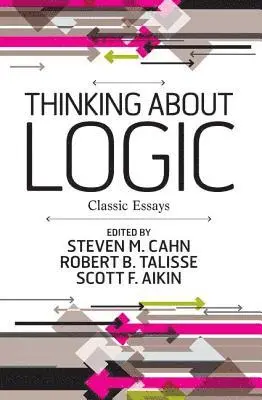
Thinking about Logic
Classic Essays
Av Robert Talisse, Scott F. Aikin m. fl.
Häftad, 2010
649 kr
Lägg i varukorg
Thinking about Logic is an accessible and thought-provoking collection of classic articles in the philosophy of logic. An ideal companion to any formal logic course or textbook, this volume illuminates how logic relates to perennial philosophical issues about knowledge, meaning, rationality, and …
Pragmatic Reason
Christopher Hookway and the American Philosophical Tradition
Av Daniel Herbert, Paniel Reyes Cardenas m. fl.
E-bok, 2023
745 kr
Lägg i varukorg
Christopher Hookway has been influential in promoting engagement with pragmatist and naturalist perspectives from classical and contemporary American philosophy. This book reflects on Hookway’s work on the American philosophical tradition and its significance for contemporary discussions of the …
Pragmatic Reason
Christopher Hookway and the American Philosophical Tradition
Av Daniel Herbert, Paniel Reyes Cardenas m. fl.
E-bok, 2023
745 kr
Lägg i varukorg
Christopher Hookway has been influential in promoting engagement with pragmatist and naturalist perspectives from classical and contemporary American philosophy. This book reflects on Hookway’s work on the American philosophical tradition and its significance for contemporary discussions of the …
Democracy After Liberalism
Pragmatism and Deliberative Politics
E-bok, 2005
915 kr
Lägg i varukorg
This book critically evaluates liberalism, the dominant attempt in the tradition of political philosophy to provide a philosophical foundation for democracy, and argues for a conception of deliberative democracy to meet this need.
Pluralism and Liberal Politics
E-bok, 2013
1051 kr
Lägg i varukorg
In this book, Robert Talisse critically examines the moral and political implications of pluralism, the view that our best moral thinking is indeterminate and that moral conflict is an inescapable feature of the human condition. Through a careful engagement with the work of William James, Isaiah …
Pluralism and Liberal Politics
E-bok, 2013
1051 kr
Lägg i varukorg
In this book, Robert Talisse critically examines the moral and political implications of pluralism, the view that our best moral thinking is indeterminate and that moral conflict is an inescapable feature of the human condition. Through a careful engagement with the work of William James, Isaiah …
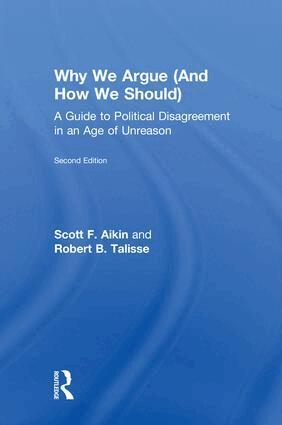
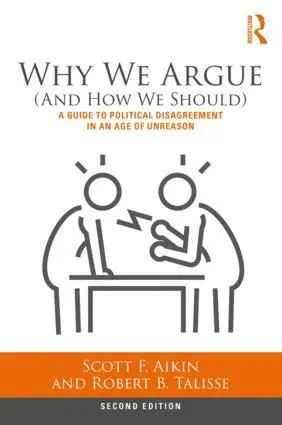
Why We Argue (And How We Should)
A Guide to Political Disagreement in an Age of Unreason
Av Scott Aikin, Robert Talisse
Inbunden, 2018
2515 kr
Lägg i varukorg
Why We Argue (And How We Should): A Guide to Political Disagreement in an Age of Unreason presents an accessible and engaging introduction to the theory of argument, with special emphasis on the way argument works in public political debate. The authors develop a view according to which proper …
Why We Argue (And How We Should)
A Guide to Political Disagreement in an Age of Unreason
Av Scott Aikin, Robert Talisse
Häftad, 2018
634 kr
Lägg i varukorg
Why We Argue (And How We Should): A Guide to Political Disagreement in an Age of Unreason presents an accessible and engaging introduction to the theory of argument, with special emphasis on the way argument works in public political debate. The authors develop a view according to which proper …
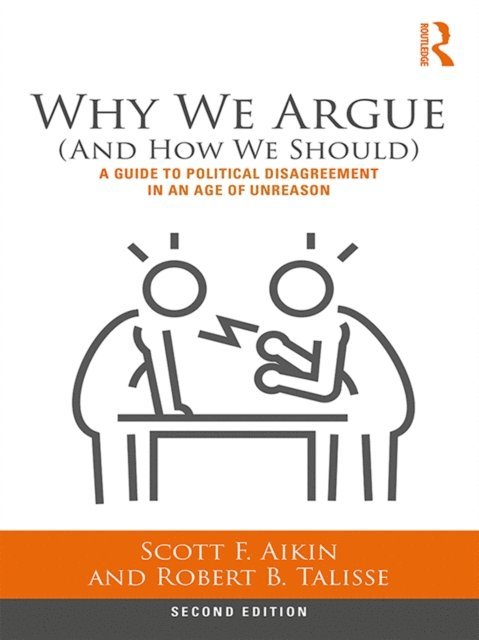
Why We Argue (And How We Should)
A Guide to Political Disagreement in an Age of Unreason
Av Robert Talisse, Scott Aikin
E-bok, 2018
745 kr
Lägg i varukorg
Why We Argue (And How We Should): A Guide to Political Disagreement in an Age of Unreason presents an accessible and engaging introduction to the theory of argument, with special emphasis on the way argument works in public political debate. The authors develop a view according to which proper …
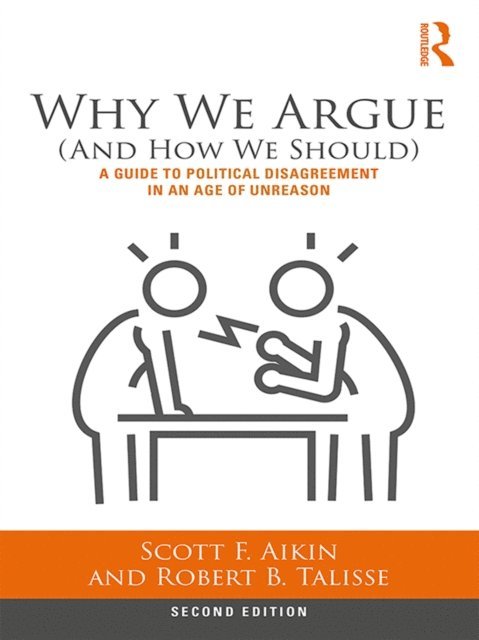
Why We Argue (And How We Should)
A Guide to Political Disagreement in an Age of Unreason
Av Robert Talisse, Scott Aikin
E-bok, 2018
745 kr
Lägg i varukorg
Why We Argue (And How We Should): A Guide to Political Disagreement in an Age of Unreason presents an accessible and engaging introduction to the theory of argument, with special emphasis on the way argument works in public political debate. The authors develop a view according to which proper …
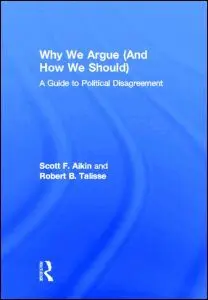
Why We Argue (And How We Should)
A Guide to Political Disagreement
Av Scott Aikin, Robert Talisse
Inbunden, 2013
1259 kr
Tillfälligt slut
Why We Argue (And How We Should): A Guide to Political Disagreement presents an accessible and engaging introduction to the theory of argument, with special emphasis on the way argument works in public political debate. The authors develop a view according to which proper argument is necessary for …