Scott F. Aikin - Böcker
Visar alla böcker från författaren Scott F. Aikin. Handla med fri frakt och snabb leverans.
9 produkter
9 produkter
630 kr
Skickas inom 10-15 vardagar
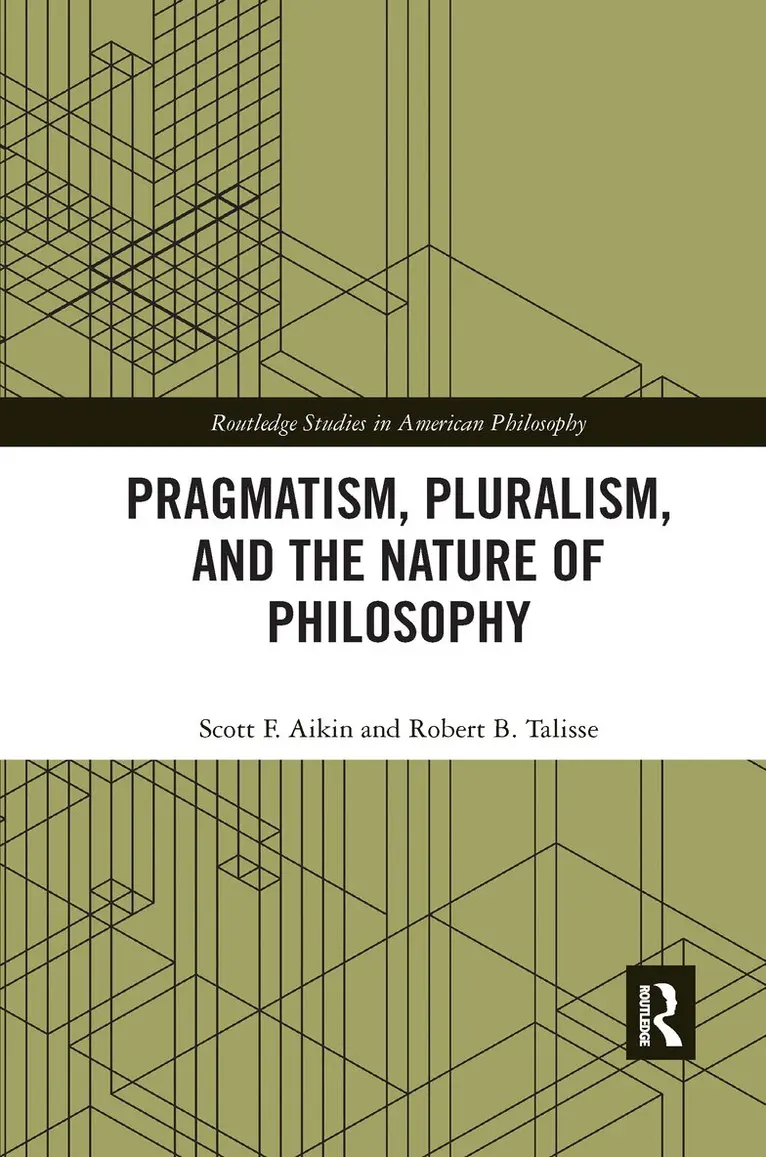
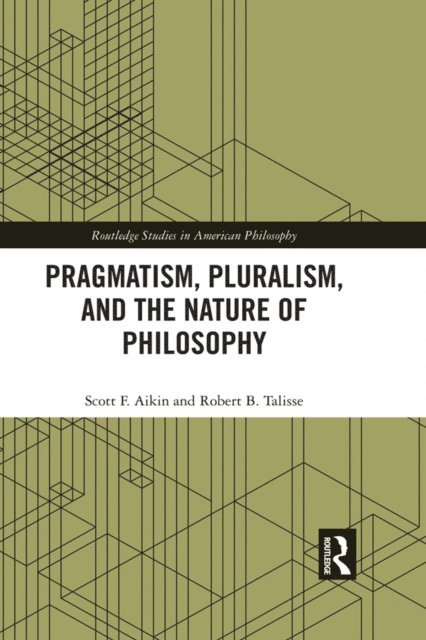
For the past fifteen years, Aikin and Talisse have been working collaboratively on a new vision of American pragmatism, one which sees pragmatism as a living and developing philosophical idiom that originates in the work of the "classical" pragmatisms of Charles Peirce, William James, and John Dewey, uninterruptedly develops through the later 20th Century pragmatists (C. I. Lewis, Wilfrid Sellars, Nelson Goodman, W. V. O. Quine), and continues through the present day. According to Aikin and Talisse, pragmatism is fundamentally a metaphilosophical proposal – a methodological suggestion for carrying inquiry forward amidst ongoing deep disagreement over the aims, limitations, and possibilities of philosophy. This conception of pragmatism not only runs contrary to the dominant self-understanding among cotemporary philosophers who identify with the classical pragmatists, it also holds important implications for pragmatist philosophy. In particular, Aikin and Talisse show that their version of pragmatism involves distinctive claims about epistemic justification, moral disagreement, democratic citizenship, and the conduct of inquiry. The chapters combine detailed engagements with the history and development of pragmatism with original argumentation aimed at a philosophical audience beyond pragmatism.
2 222 kr
Skickas inom 10-15 vardagar
For the past fifteen years, Aikin and Talisse have been working collaboratively on a new vision of American pragmatism, one which sees pragmatism as a living and developing philosophical idiom that originates in the work of the "classical" pragmatisms of Charles Peirce, William James, and John Dewey, uninterruptedly develops through the later 20th Century pragmatists (C. I. Lewis, Wilfrid Sellars, Nelson Goodman, W. V. O. Quine), and continues through the present day. According to Aikin and Talisse, pragmatism is fundamentally a metaphilosophical proposal – a methodological suggestion for carrying inquiry forward amidst ongoing deep disagreement over the aims, limitations, and possibilities of philosophy. This conception of pragmatism not only runs contrary to the dominant self-understanding among cotemporary philosophers who identify with the classical pragmatists, it also holds important implications for pragmatist philosophy. In particular, Aikin and Talisse show that their version of pragmatism involves distinctive claims about epistemic justification, moral disagreement, democratic citizenship, and the conduct of inquiry. The chapters combine detailed engagements with the history and development of pragmatism with original argumentation aimed at a philosophical audience beyond pragmatism.
400 kr
Skickas inom 7-10 vardagar
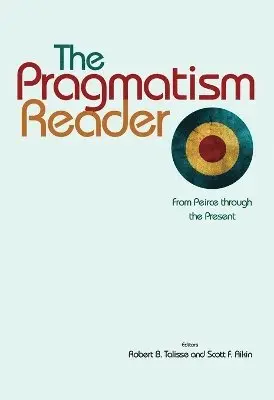
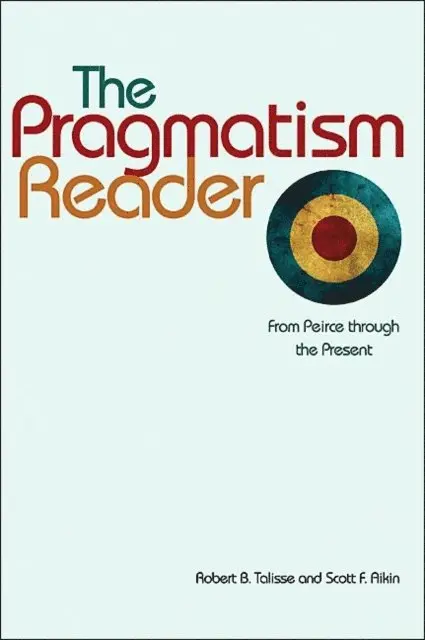
The Pragmatism Reader is the essential anthology of this important philosophical movement. Each selection featured here is a key writing by a leading pragmatist thinker, and represents a distinctively pragmatist approach to a core philosophical problem. The collection includes work by pragmatism's founders, Charles Peirce, William James, and John Dewey, as well as seminal writings by mid-twentieth-century pragmatists such as Sidney Hook, C. I. Lewis, Nelson Goodman, Rudolf Carnap, Wilfrid Sellars, and W.V.O. Quine. This reader also includes the most important work in contemporary pragmatism by philosophers like Susan Haack, Cornel West, Hilary Putnam, Richard Rorty, Cheryl Misak, and Robert Brandom. Each selection is a stand-alone piece--not an excerpt or book chapter--and each is presented fully unabridged. The Pragmatism Reader challenges the notion that pragmatism fell into a midcentury decline and was dormant until the advent of "neopragmatism" in the 1980s. This comprehensive anthology reveals a rich and highly influential tradition running unbroken through twentieth-century philosophy and continuing today.It shows how American pragmatist philosophers have contributed to leading philosophical debates about truth, meaning, knowledge, experience, belief, existence, justification, and freedom. * Covers pragmatist philosophy from its origins to today * Features key writings by the leading pragmatist thinkers * Demonstrates the continuity and enduring influence of pragmatism * Challenges prevailing notions about pragmatism * Includes only stand-alone pieces, completely unabridged * Reflects the full range of pragmatist themes, arguments, concerns, and commitments
576 kr
Skickas inom 10-15 vardagar
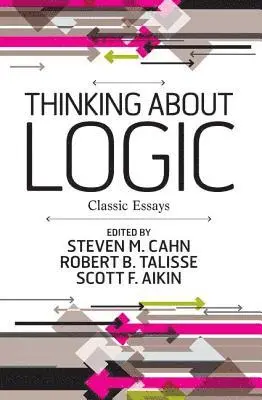
Thinking about Logic is an accessible and thought-provoking collection of classic articles in the philosophy of logic. An ideal companion to any formal logic course or textbook, this volume illuminates how logic relates to perennial philosophical issues about knowledge, meaning, rationality, and reality. The editors have selected each essay for its brevity, clarity, and impact and have included insightful introductions and discussion questions. The puzzles raised will help readers acquire a more thorough understanding of fundamental logic concepts and a firmer command of the connections between formal logic and other areas of philosophical study: epistemology, philosophy of language, philosophy of science, and metaphysics.
644 kr
Skickas inom 10-15 vardagar
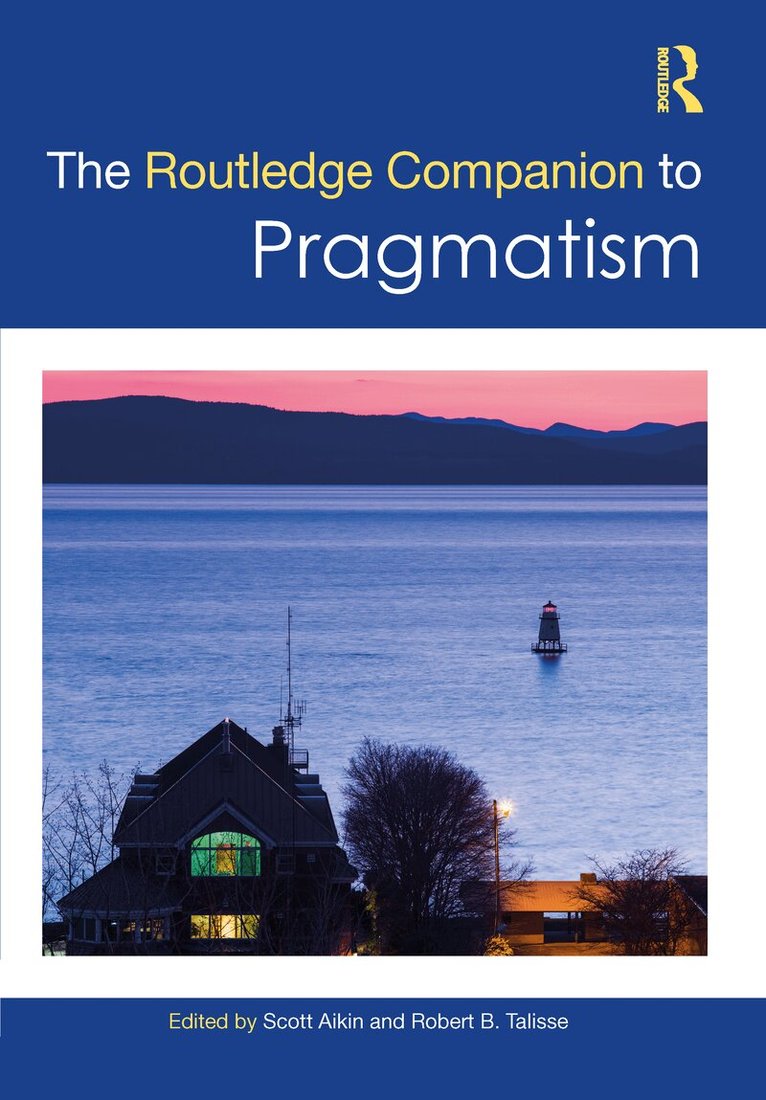
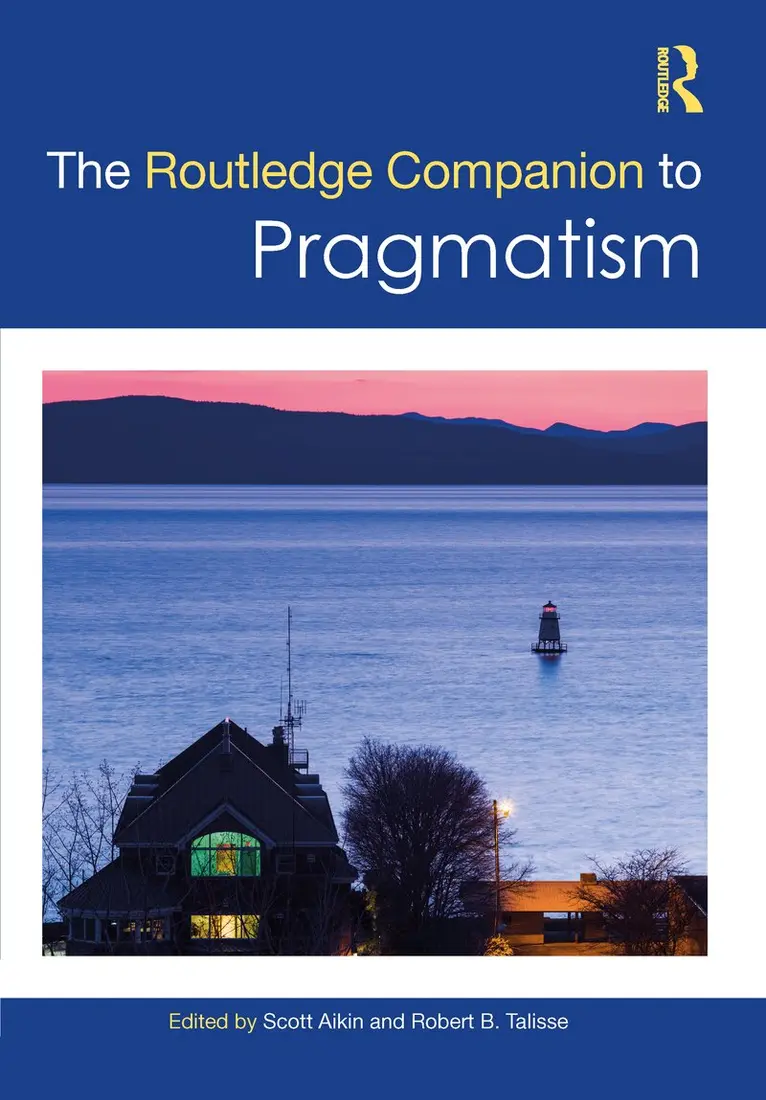
The Routledge Companion to Pragmatism offers 44 cutting-edge chapters—written specifically for this volume by an international team of distinguished researchers—that assess the past, present, and future of pragmatism. Going beyond the exposition of canonical texts and figures, the collection presents pragmatism as a living philosophical idiom that continues to devise promising theses in contemporary debates. The chapters are organized into four major parts:Pragmatism’s history and figuresPragmatism and plural traditionsPragmatism’s reachPragmatism’s relevanceEach chapter provides up-to-date research tools for philosophers, students, and others who wish to locate pragmatist options in their contemporary research fields. As a whole, the volume demonstrates that the vitality of pragmatism lies in its ability to build upon, and transcend, the ideas and arguments of its founders. When seen in its full diversity, pragmatism emerges as one of the most successful and influential philosophical movements in Western philosophy.
2 960 kr
Skickas inom 10-15 vardagar
The Routledge Companion to Pragmatism offers 44 cutting-edge chapters—written specifically for this volume by an international team of distinguished researchers—that assess the past, present, and future of pragmatism. Going beyond the exposition of canonical texts and figures, the collection presents pragmatism as a living philosophical idiom that continues to devise promising theses in contemporary debates. The chapters are organized into four major parts:Pragmatism’s history and figuresPragmatism and plural traditionsPragmatism’s reachPragmatism’s relevanceEach chapter provides up-to-date research tools for philosophers, students, and others who wish to locate pragmatist options in their contemporary research fields. As a whole, the volume demonstrates that the vitality of pragmatism lies in its ability to build upon, and transcend, the ideas and arguments of its founders. When seen in its full diversity, pragmatism emerges as one of the most successful and influential philosophical movements in Western philosophy.
494 kr
Skickas inom 7-10 vardagar
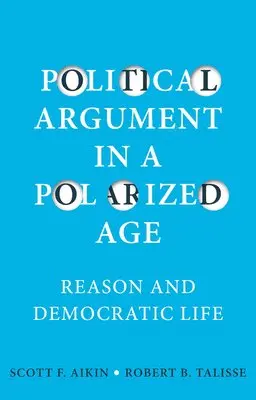
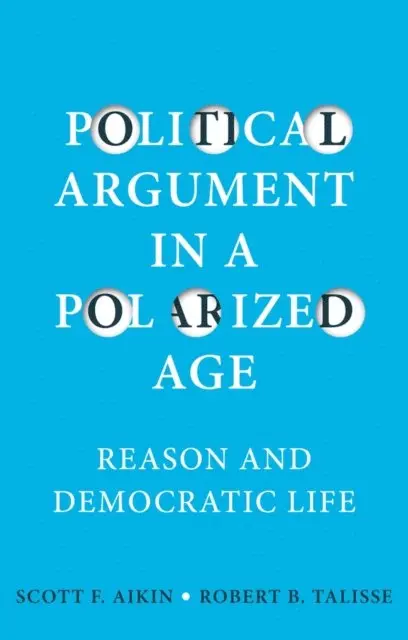
From obnoxious public figures to online trolling and accusations of “fake news”, almost no one seems able to disagree without hostility. But polite discord sounds farfetched when issues are so personal and fundamental that those on opposing sides appear to have no common ground. How do you debate the “enemy”? Philosophers Scott Aikin and Robert Talisse show that disagreeing civilly, even with your sworn enemies, is a crucial part of democracy. Rejecting the popular view that civility requires a polite and concessive attitude, they argue that our biggest challenge is not remaining calm in the face of an opponent, but rather ensuring that our political arguments actually address those on the opposing side. Too often politicians and pundits merely simulate political debate, offering carefully structured caricatures of their opponents. These simulations mimic political argument in a way designed to convince citizens that those with whom they disagree are not worth talking to. Good democracy thrives off conflict, but until we learn the difference between real and simulated arguments we will be doomed to speak at cross-purposes. Aikin and Talisse provide a crash course in political rhetoric for the concerned citizen, showing readers why understanding the structure of arguments is just as vital for a healthy democracy as debate over facts and values. But there’s a sting in the tail - no sooner have we learned rhetorical techniques for better disagreement than these techniques themselves become weapons with which to ignore our enemies, as accusations like “false equivalence” and “ad hominem” are used to silence criticism. Civility requires us to be eternally vigilant to the ways we disagree.
153 kr
Skickas inom 7-10 vardagar
From obnoxious public figures to online trolling and accusations of “fake news”, almost no one seems able to disagree without hostility. But polite discord sounds farfetched when issues are so personal and fundamental that those on opposing sides appear to have no common ground. How do you debate the “enemy”? Philosophers Scott Aikin and Robert Talisse show that disagreeing civilly, even with your sworn enemies, is a crucial part of democracy. Rejecting the popular view that civility requires a polite and concessive attitude, they argue that our biggest challenge is not remaining calm in the face of an opponent, but rather ensuring that our political arguments actually address those on the opposing side. Too often politicians and pundits merely simulate political debate, offering carefully structured caricatures of their opponents. These simulations mimic political argument in a way designed to convince citizens that those with whom they disagree are not worth talking to. Good democracy thrives off conflict, but until we learn the difference between real and simulated arguments we will be doomed to speak at cross-purposes. Aikin and Talisse provide a crash course in political rhetoric for the concerned citizen, showing readers why understanding the structure of arguments is just as vital for a healthy democracy as debate over facts and values. But there’s a sting in the tail - no sooner have we learned rhetorical techniques for better disagreement than these techniques themselves become weapons with which to ignore our enemies, as accusations like “false equivalence” and “ad hominem” are used to silence criticism. Civility requires us to be eternally vigilant to the ways we disagree.
263 kr
Skickas inom 5-8 vardagar
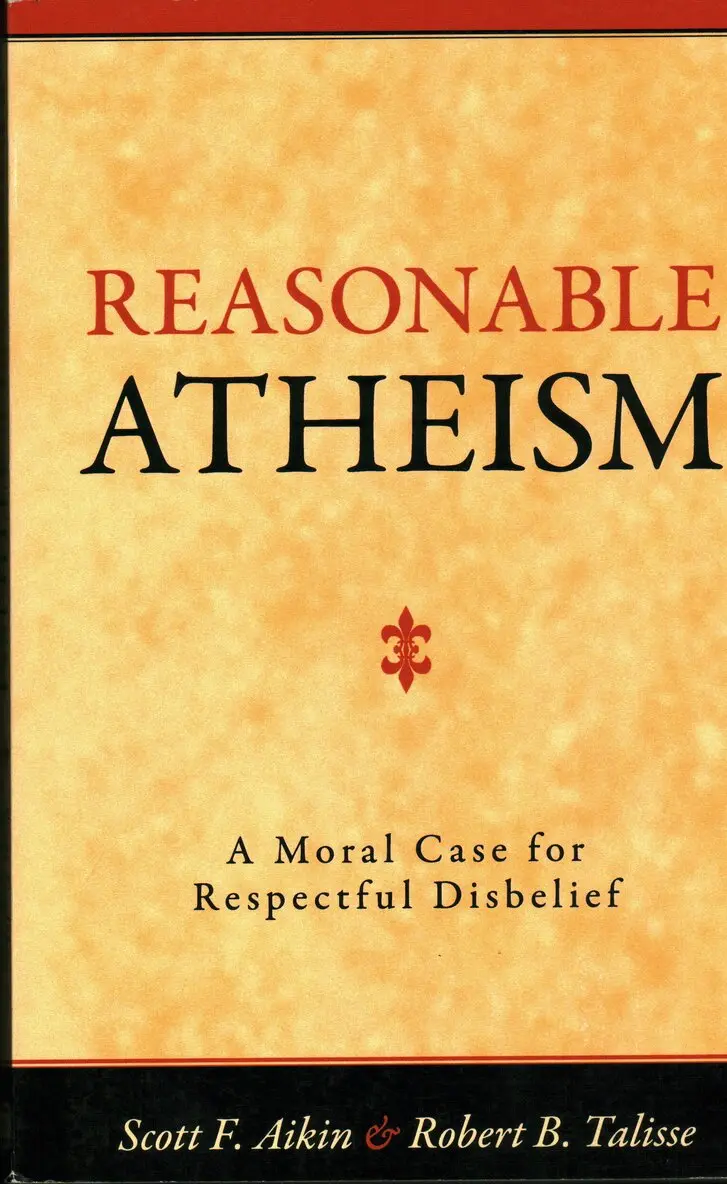
A recent poll from the University of Minnesota finds that atheists are America's least trusted social group. Perhaps compounding this negative impression is the attack-dog persona taken on in the past decade by the "New Atheists." Not only have they been quite public about their disbelief, but they've also stridently lambasted religious belief generally in a number of bestselling books. Disturbed by this negative public perception and the deterioration in the tone of open debate, the authors of this eminently reasonable work attempt to introduce a note of civility and rational clarity. To both religious believers and fellow atheists they counsel a measured approach that combines serious intellectual engagement with respect for the reasonableness of the other side's position. The heart of the book is the authors' moral case for atheism. Atheism, they contend, manifests a decidedly moral concern for others and their wellbeing. The authors further argue that atheism is driven by the kinds of moral considerations that should be familiar to all religious believers. Atheists are motivated by a moral concern for others, a desire to alleviate suffering and combat evil, and an appreciation for the value of life, freedom, and responsibility. In the end, the authors make not only a compelling case for atheism but also for the value and necessity of mutual respect in a democratic society composed of diverse citizens.