Robert B. Talisse – författare
Visar alla böcker från författaren Robert B. Talisse. Handla med fri frakt och snabb leverans.
48 produkter
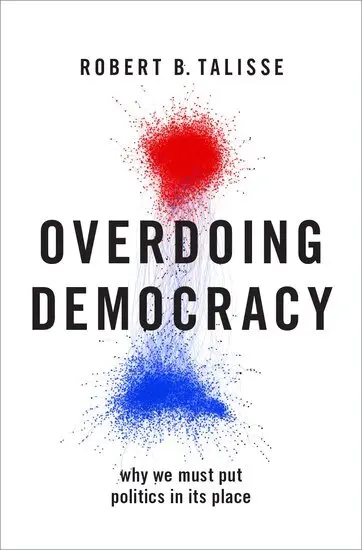
Overdoing Democracy
Why We Must Put Politics in its Place
Inbunden, 2019
451 kr
Lägg i varukorg
We live in an age of political polarization. As political beliefs on the left and the right have been pulled closer to the extremes, so have our social environments: we seldom interact with those with whom we don't see eye to eye. Making matters worse, we are being appealed to--by companies, …
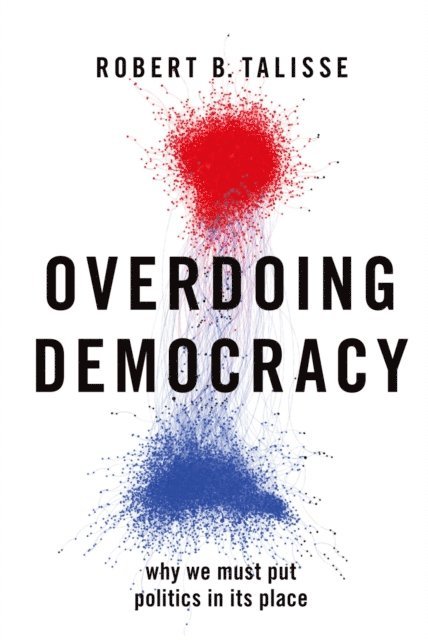
Overdoing Democracy
Why We Must Put Politics in its Place
E-bok, 2019
180 kr
Lägg i varukorg
We live in an age of political polarization. As political beliefs on the left and the right have been pulled closer to the extremes, so have our social environments: we seldom interact with those with whom we don''t see eye to eye. Making matters worse, we are being appealed to--by companies, …
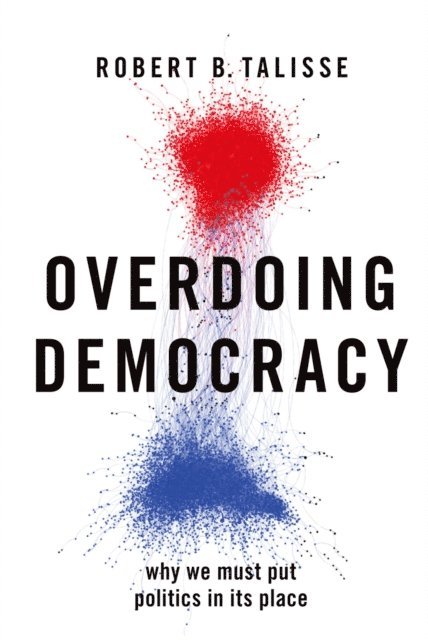
Overdoing Democracy
Why We Must Put Politics in its Place
E-bok, 2019
180 kr
Lägg i varukorg
We live in an age of political polarization. As political beliefs on the left and the right have been pulled closer to the extremes, so have our social environments: we seldom interact with those with whom we don''t see eye to eye. Making matters worse, we are being appealed to--by companies, …
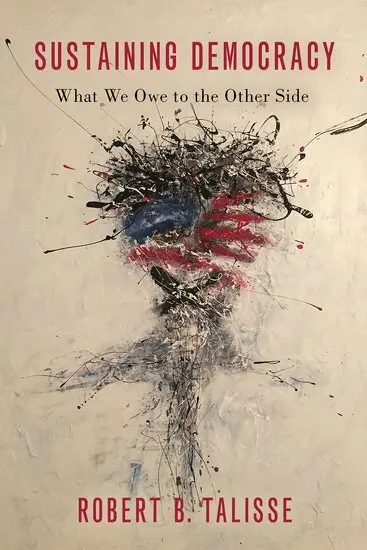
Sustaining Democracy
What We Owe to the Other Side
Inbunden, 2021
392 kr
Lägg i varukorg
Democracy is not easy. Citizens who disagree sharply about politics must nonetheless work together as equal partners in the enterprise of collective self-government. Ideally, this work would be conducted under conditions of mutual civility, with opposed citizens nonetheless recognizing one …
Sustaining Democracy
What We Owe to the Other Side
E-bok, 2021
275 kr
Lägg i varukorg
Democracy is not easy. Citizens who disagree sharply about politics must nonetheless work together as equal partners in the enterprise of collective self-government. Ideally, this work would be conducted under conditions of mutual civility, with opposed citizens nonetheless recognizing one …
Sustaining Democracy
What We Owe to the Other Side
E-bok, 2021
275 kr
Lägg i varukorg
Democracy is not easy. Citizens who disagree sharply about politics must nonetheless work together as equal partners in the enterprise of collective self-government. Ideally, this work would be conducted under conditions of mutual civility, with opposed citizens nonetheless recognizing one …
Overdoing Democracy
Why We Must Put Politics in its Place
Häftad, 2021
430 kr
Lägg i varukorg
We live in an age of political polarization. As political beliefs on the left and the right have been pulled closer to the extremes, so have our social environments: we seldom interact with those with whom we don't see eye to eye. Making matters worse, we are being appealed to--by companies, …
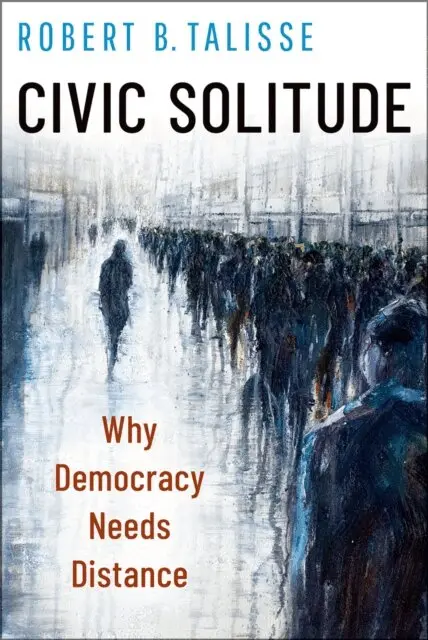
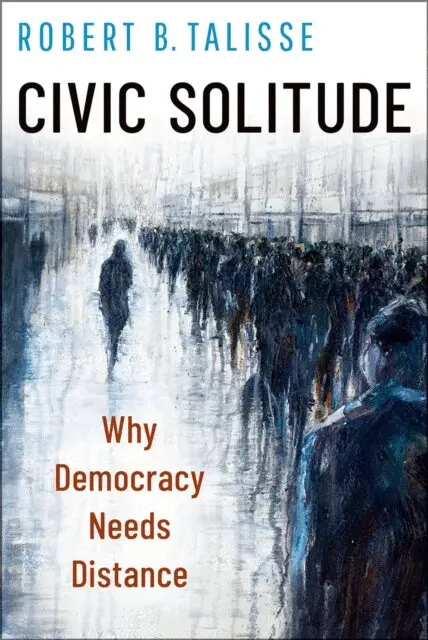
Civic Solitude
Why Democracy Needs Distance
Inbunden, 2025
337 kr
Lägg i varukorg
An internet search of the phrase "this is what democracy looks like" returns thousands of images of people assembled in public for the purpose of collective action. But is group collaboration truly the defining feature of effective democracy? Robert B. Talisse suggests that while group action is …
Civic Solitude
Why Democracy Needs Distance
E-bok, 2024
310 kr
Lägg i varukorg
An internet search of the phrase "this is what democracy looks like" returns thousands of images of people assembled in public for the purpose of collective action. But is group collaboration truly the defining feature of effective democracy? Robert B. Talisse suggests that while group action is …
Civic Solitude
Why Democracy Needs Distance
E-bok, 2024
310 kr
Lägg i varukorg
An internet search of the phrase "this is what democracy looks like" returns thousands of images of people assembled in public for the purpose of collective action. But is group collaboration truly the defining feature of effective democracy? Robert B. Talisse suggests that while group action is …
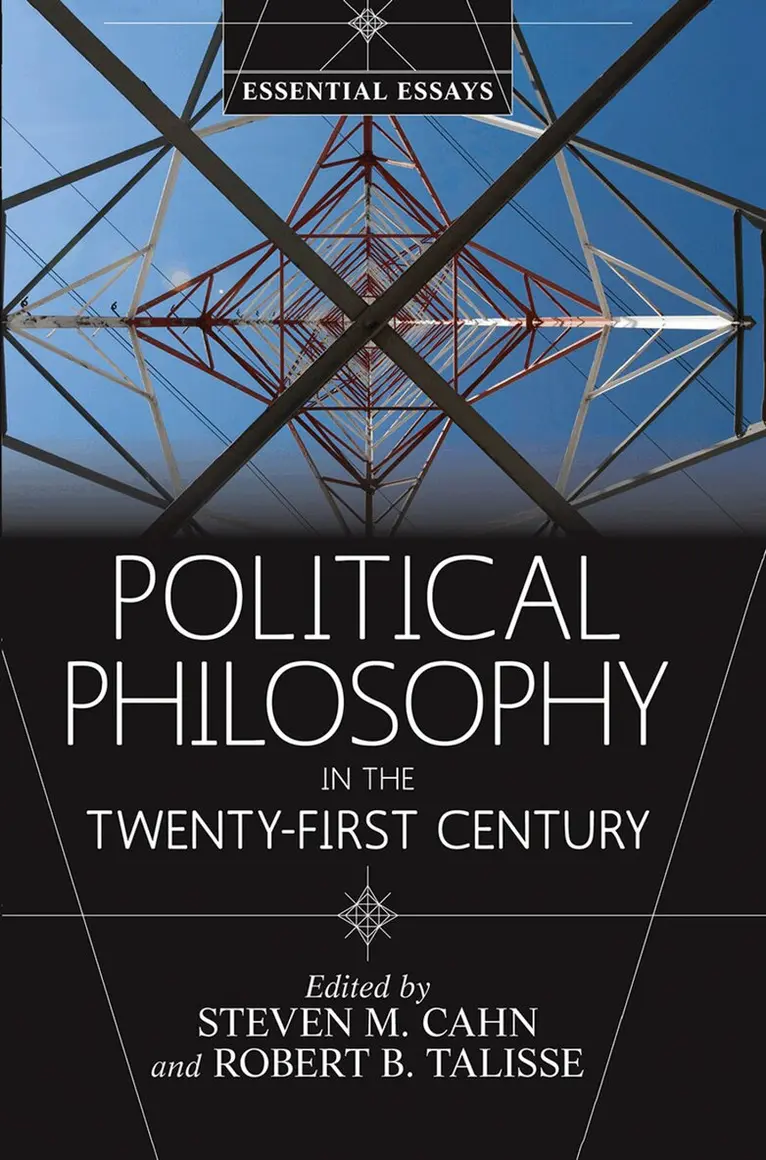
Political Philosophy in the Twenty-First Century
Essential Essays
Av Steven M. Cahn, Steven M. Cahn m. fl.
Inbunden, 2019
2506 kr
Lägg i varukorg
Moving beyond the work of Rawls and his critics, this concise collection contains critical essays in contemporary political philosophy. All have been chosen for their importance and accessibility, and some have been edited by their authors for inclusion in this work. Political Philosophy in the …
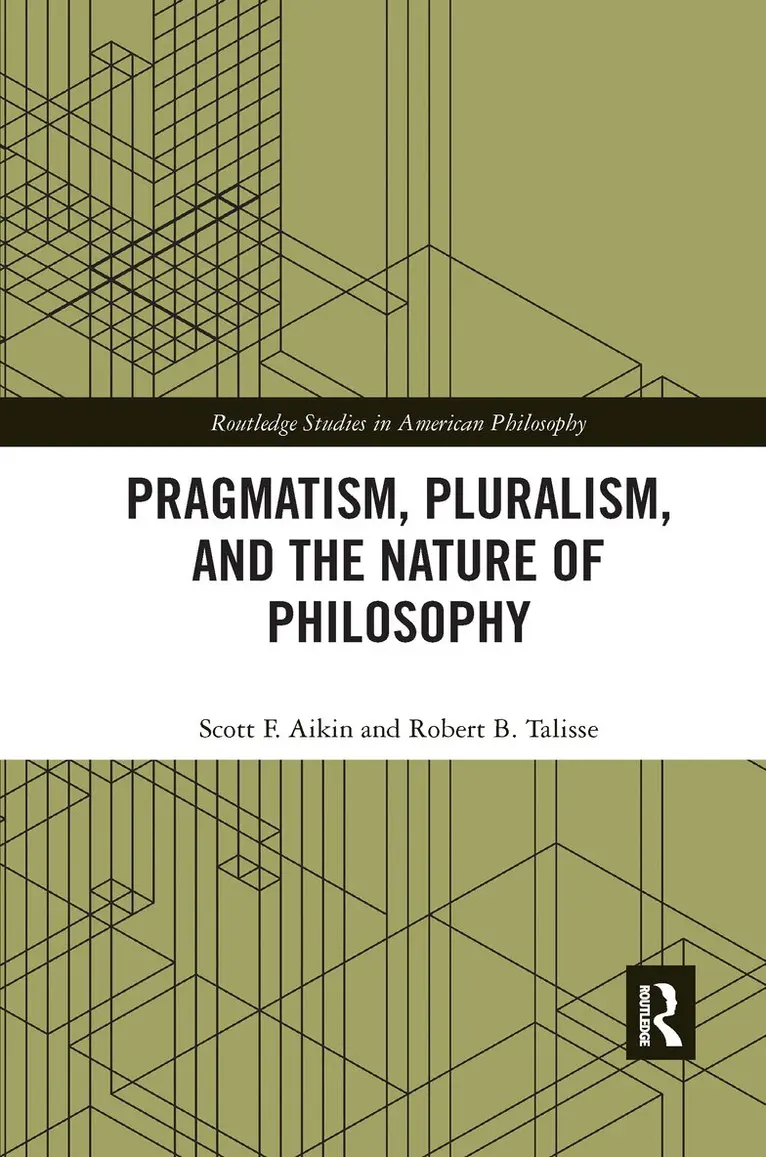
Pragmatism, Pluralism, and the Nature of Philosophy
Av Scott F. Aikin, Robert B. Talisse
Häftad, 2020
704 kr
Lägg i varukorg
For the past fifteen years, Aikin and Talisse have been working collaboratively on a new vision of American pragmatism, one which sees pragmatism as a living and developing philosophical idiom that originates in the work of the "classical" pragmatisms of Charles Peirce, William James, and John …
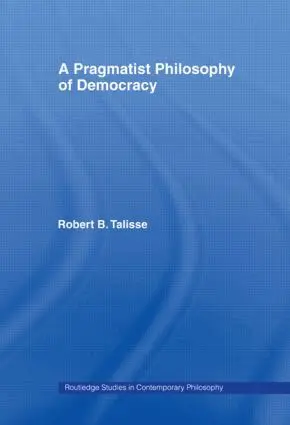
Pragmatist Philosophy of Democracy
Inbunden, 2007
3070 kr
Lägg i varukorg
In recent years there has been a renewed interest in American pragmatism. In political philosophy, the revival of pragmatism has led to a new appreciation for the democratic theory of John Dewey. In this book, Robert B. Talisse advances a series of pragmatic arguments against Deweyan democracy. …
Pragmatism, Pluralism, and the Nature of Philosophy
Av Scott F. Aikin, Robert B. Talisse
Inbunden, 2017
2515 kr
Lägg i varukorg
For the past fifteen years, Aikin and Talisse have been working collaboratively on a new vision of American pragmatism, one which sees pragmatism as a living and developing philosophical idiom that originates in the work of the "classical" pragmatisms of Charles Peirce, William James, and John …
Engaging Political Philosophy
An Introduction
Inbunden, 2015
2515 kr
Lägg i varukorg
Engaging Political Philosophy introduces readers to the central problems of political philosophy. Presuming no prior work in the area, the book explores the fundamental philosophical questions regarding freedom, authority, justice, and democracy. More than a survey of the central figures and texts, …
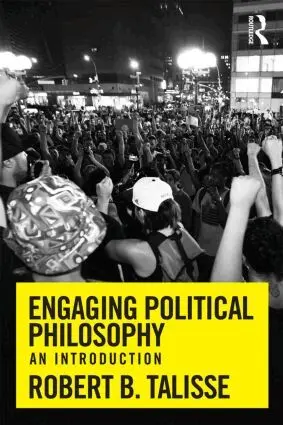
Engaging Political Philosophy
An Introduction
Häftad, 2015
707 kr
Lägg i varukorg
Engaging Political Philosophy introduces readers to the central problems of political philosophy. Presuming no prior work in the area, the book explores the fundamental philosophical questions regarding freedom, authority, justice, and democracy. More than a survey of the central figures and texts, …
Pragmatist Philosophy of Democracy
Häftad, 2008
911 kr
Lägg i varukorg
In recent years there has been a renewed interest in American pragmatism. In political philosophy, the revival of pragmatism has led to a new appreciation for the democratic theory of John Dewey. In this book, Robert B. Talisse advances a series of pragmatic arguments against Deweyan democracy. …
Democracy and Moral Conflict
Häftad, 2011
732 kr
Lägg i varukorg
Why democracy? Most often this question is met with an appeal to some decidedly moral value, such as equality, liberty, dignity or even peace. But in contemporary democratic societies, there is deep disagreement and conflict about the precise nature and relative worth of these values. And when …
Democracy and Moral Conflict
Inbunden, 2009
1025 kr
Lägg i varukorg
Why democracy? Most often this question is met with an appeal to some decidedly moral value, such as equality, liberty, dignity or even peace. But in contemporary democratic societies, there is deep disagreement and conflict about the precise nature and relative worth of these values. And when …
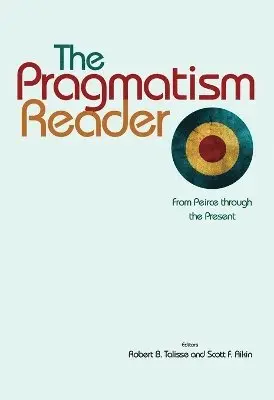
Pragmatism Reader
From Peirce through the Present
Av Robert B. Talisse, Scott F. Aikin
Häftad, 2011
431 kr
Lägg i varukorg
The Pragmatism Reader is the essential anthology of this important philosophical movement. Each selection featured here is a key writing by a leading pragmatist thinker, and represents a distinctively pragmatist approach to a core philosophical problem. The collection includes work by pragmatism's …
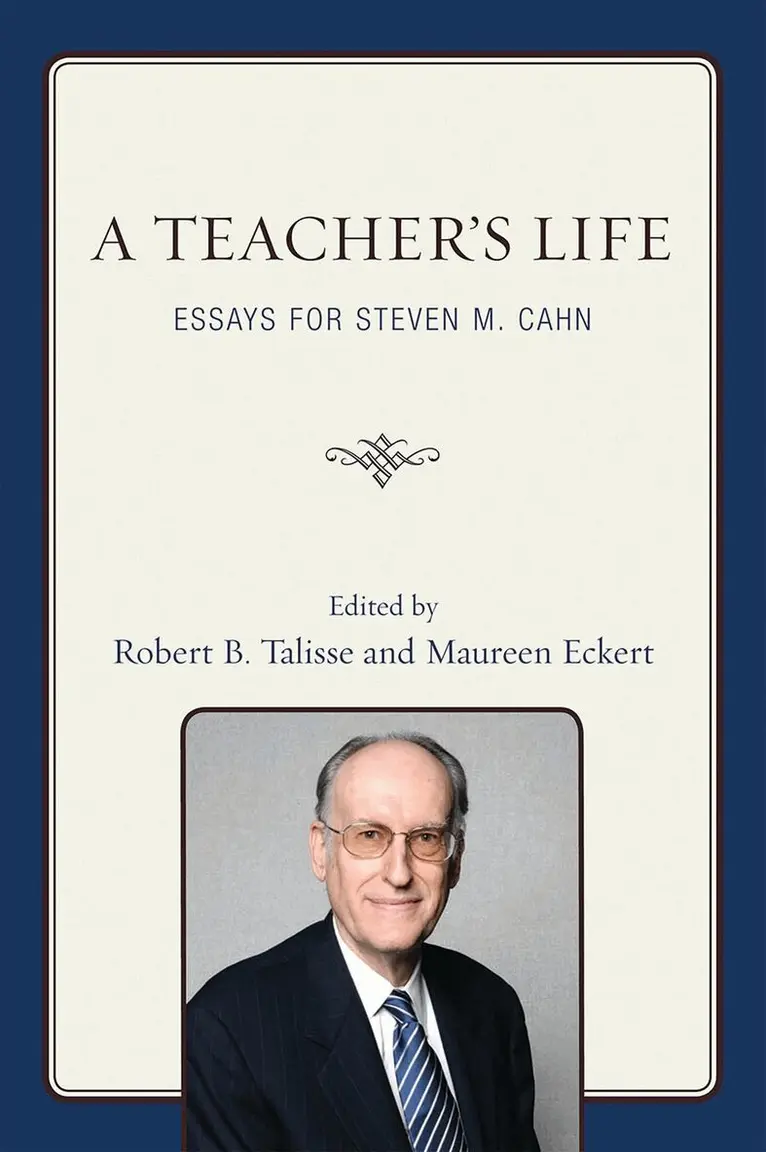
Teacher's Life
Essays for Steven M. Cahn
Av Robert B. Talisse, Maureen Eckert
Inbunden, 2009
1348 kr
Lägg i varukorg
Steven Cahn belongs to that exclusive class of professors who have not only contributed influentially to the leading debates of their discipline, but have also written insightfully about the academic vocation itself. This volume comprises 13 essays, authored by Cahn's colleagues and former …
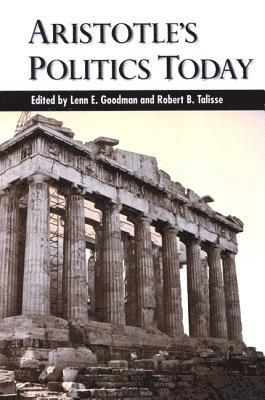
Aristotle's Politics Today
Av Lenn E. Goodman, Robert B. Talisse
Inbunden, 2007
1286 kr
Lägg i varukorg
Examines the implications of Aristotle's political thought for contemporary political theory.According to Aristotle, man's essential sociality implies a distinctive conception of politics, one in which all political associations exist for the sake of the moral perfection of human beings. This …
Essays in Experimental Logic
Av John Dewey, D.Micah Hester m. fl.
Inbunden, 2007
706 kr
Lägg i varukorg
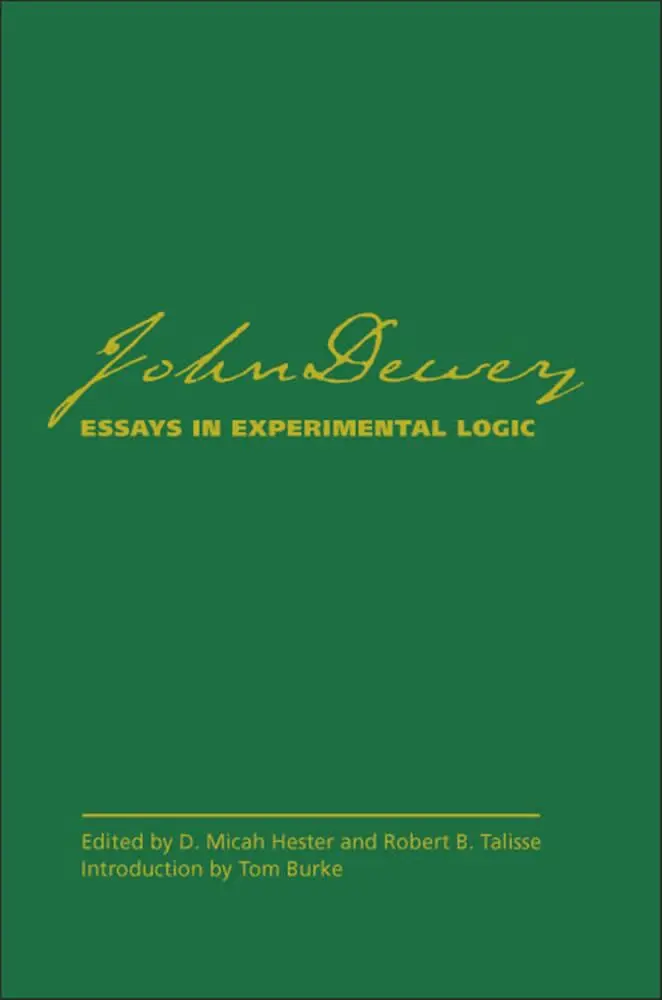
This critical edition of John Dewey's 1916 collection of writings on logic, ""Essays in Experimental Logic"" - in which Dewey presents his concept of logic as the theory of inquiry and his unique and innovative development of the relationship of inquiry to experience - is the first scholarly …
Pragmatism: A Guide for the Perplexed
Av Robert B. Talisse, Scott Aikin
Inbunden, 2008
1422 kr
Lägg i varukorg
The recent revival of interest in pragmatism has reintroduced into mainstream philosophy the insights and arguments of great American philosophers such as C.S. Peirce, William James and John Dewey. But it has also led to the use of the term 'pragmatism' in a huge variety of contexts, such that …
Pragmatism: A Guide for the Perplexed
Av Robert B. Talisse, Scott Aikin
Häftad, 2008
375 kr
Lägg i varukorg
This is a student's guide to the historical context, key thinkers and central themes of pragmatism, a concept central to American philosophy.The recent revival of interest in pragmatism has reintroduced into mainstream philosophy the insights and arguments of great American philosophers such as …
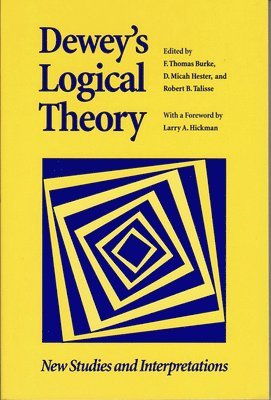
Dewey's Logical Theory
New Studies and Interpretations
Av F. Thomas Burke, D. Micah Hester m. fl.
Inbunden, 2002
1188 kr
Lägg i varukorg
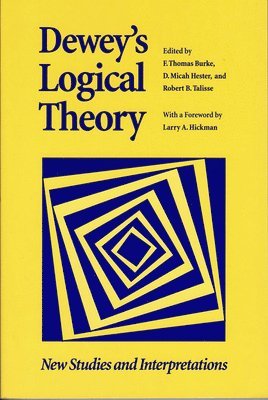
Despite the resurgence of interest in the philosophy of John Dewey, his work on logical theory has received relatively little attention. Ironically, Dewey's logic was his ""first and last love."" The essays in this collection pay tribute to that love by addressing Dewey's philosophy of logic, from …
Dewey's Logical Theory
New Studies and Interpretations
Av F. Thomas Burke, D. Micah Hester m. fl.
Häftad, 2002
347 kr
Lägg i varukorg
Despite the resurgence of interest in the philosophy of John Dewey, his work on logical theory has received relatively little attention. Ironically, Dewey's logic was his ""first and last love."" The essays in this collection pay tribute to that love by addressing Dewey's philosophy of logic, from …
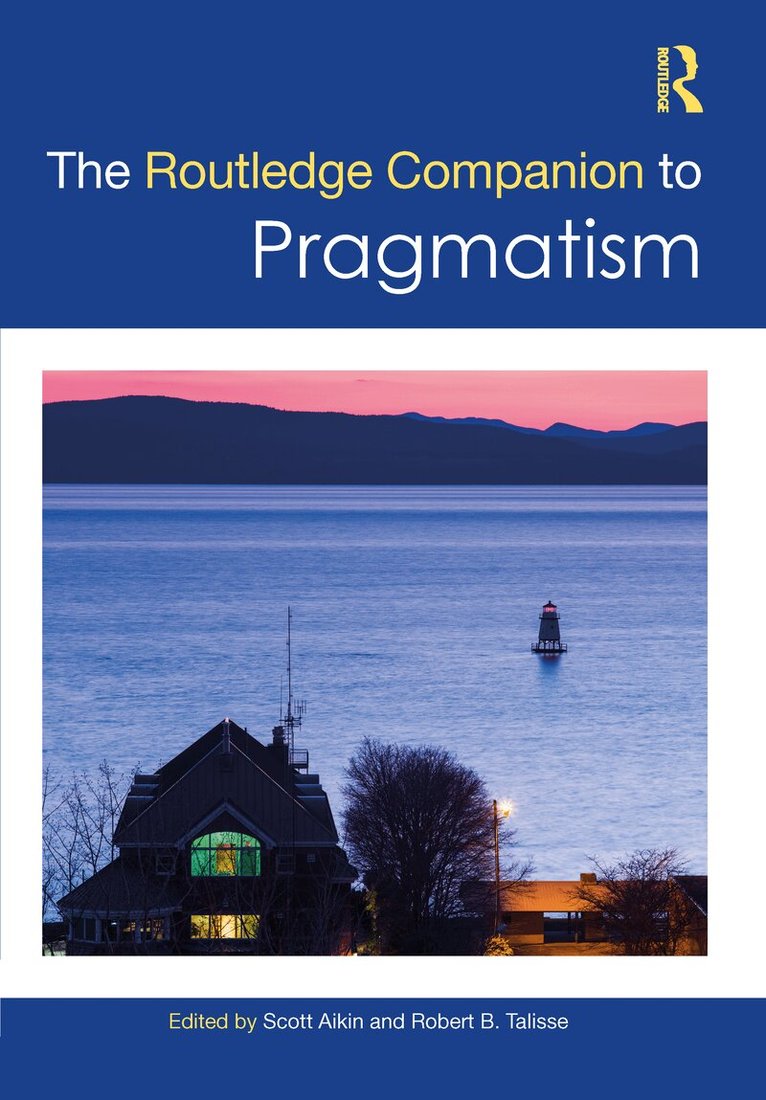
Routledge Companion to Pragmatism
Av Scott F. Aikin, Robert B. Talisse
Häftad, 2024
722 kr
Lägg i varukorg
The Routledge Companion to Pragmatism offers 44 cutting-edge chapters—written specifically for this volume by an international team of distinguished researchers—that assess the past, present, and future of pragmatism. Going beyond the exposition of canonical texts and figures, the collection …
Pragmatist Philosophy of Democracy
E-bok, 2013
953 kr
Lägg i varukorg
In recent years there has been a renewed interest in American pragmatism. In political philosophy, the revival of pragmatism has led to a new appreciation for the democratic theory of John Dewey. In this book, Robert B. Talisse advances a series of pragmatic arguments against Deweyan democracy. …
Pragmatist Philosophy of Democracy
E-bok, 2013
953 kr
Lägg i varukorg
In recent years there has been a renewed interest in American pragmatism. In political philosophy, the revival of pragmatism has led to a new appreciation for the democratic theory of John Dewey. In this book, Robert B. Talisse advances a series of pragmatic arguments against Deweyan democracy. …