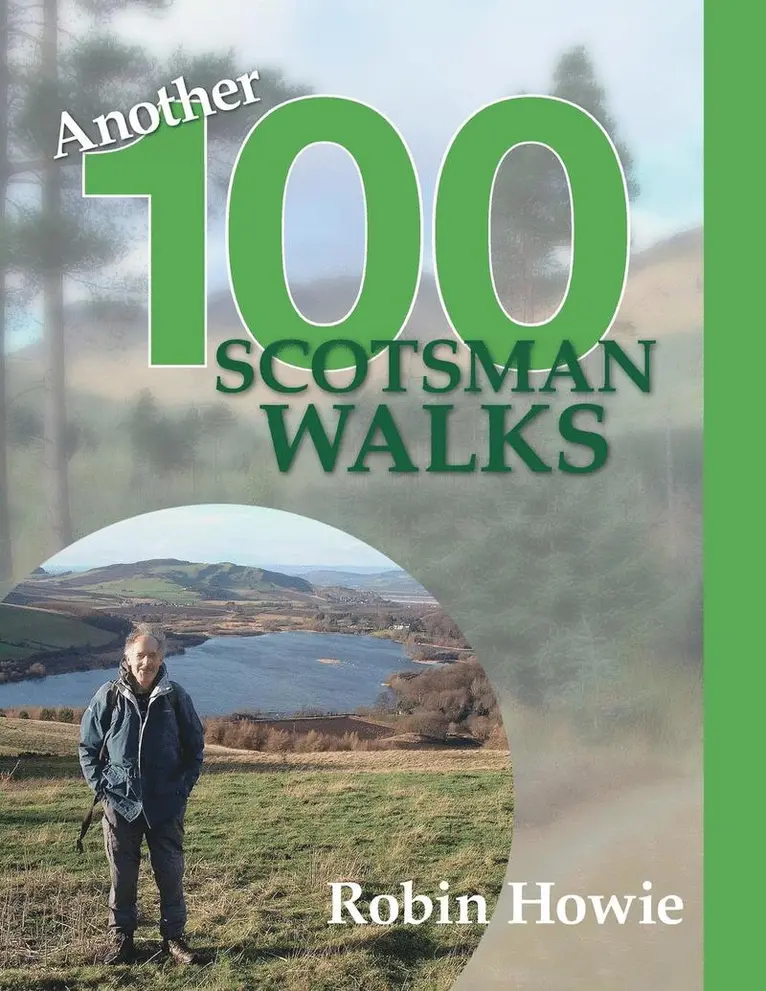
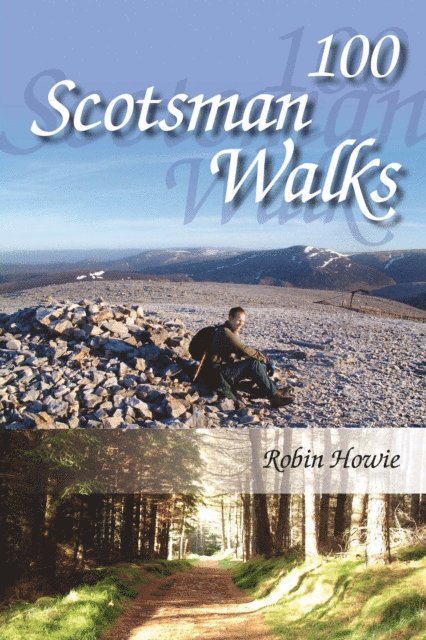
Hillwalking is a way of life for Robin Howie, whose name is very well-known in Scottish hillwalking circles and whose knowledge of the Scottish high tops is second to none. For over ten years his popular weekly hillwalking column has appeared in The Scotsman where his pleasure of walking in the hills is apparent to the reader. Some claim to buy the paper solely to read his column while others have long-demanded that his walks be made into a book. Generous with his help and advice to other walkers, this collection of shorter, lower-level walks will appeal to families and those less sure of venturing to the high tops. Conveniently arranged within shires with a location map, each walk has a useful factfile that summarises the map, start point, distance, terrain, duration of walk, height to be climbed and the all-important nearest refreshment point. 100 Scotsman Walks is a distillation of a lifetime of highs and lows, enhanced by the artist's eye and the wordsmith's descriptive powers. It will be a delight for active or ex-walkers, for the would-be explorer or armchair enthusiast, for the whole family, young or old - a book in fact for everyone.
Hillwalking is a way of life for Robin Howie, whose name is very well-known in Scottish hillwalking circles and whose knowledge of the Scottish high tops is second to none. For over ten years his popular weekly hillwalking column has appeared in The Scotsman where his pleasure of walking in the hills is apparent to the reader. Some claim to buy the paper solely to read his column while others have long-demanded that his walks be made into a book.Generous with his help and advice to other walkers, this collection of shorter, lower-level walks will appeal to families and those less sure of venturing to the high tops. Conveniently arranged within shires with a location map, each walk has a useful factfile that summarises the map, start point, distance, terrain, duration of walk, height to be climbed and the all-important nearest refreshment point.100 Scotsman Walks is a distillation of a lifetime of highs and lows, enhanced by the artist’s eye and the wordsmith’s descriptive powers. It will be a delight for active or ex-walkers, for the would-be explorer or armchair enthusiast, for the whole family, young or old – a book in fact for everyone.
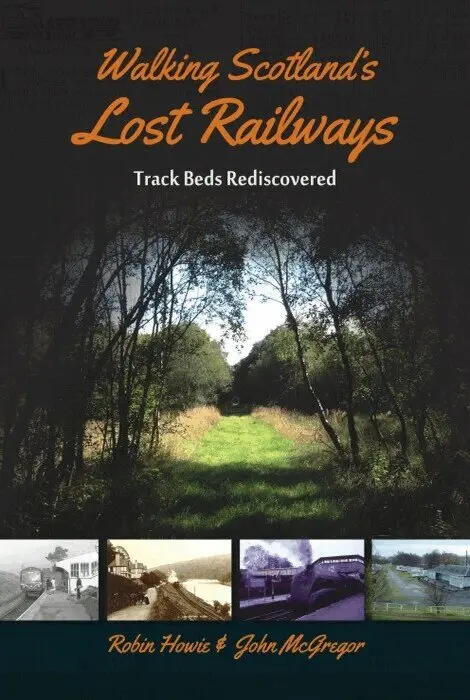
Walking Scotland’s Lost Railways by Robin Howie and John McGregor is a richly illustrated walking guide and Scottish railway history book exploring the country’s abandoned, dismantled, and repurposed railway lines. Combining transport heritage, industrial archaeology and outdoor walking routes it reveals how former railways that once connected towns, villages and remote landscapes now offer some of the most fascinating heritage walks in Scotland.Across hundreds of miles of 'dismantled railways' the book guides readers along preserved trackbeds, converted cycleways, and overgrown yet walkable routes. Many routes still feature striking railway archaeology, including bridges, tunnels, cuttings, embankments and disused stations that continue to shape Scotland’s landscapes.Walking Scotland’s Lost Railways also brings Scotland’s industrial past vividly to life. It traces the evolution of the railway age - from early wagonways and steam locomotion - to fierce Victorian railway competition and the dramatic impact of the Beeching cuts of the 1960s.The book also reflects on Scotland’s modern railway revival, including reopened stations and major projects such as the Borders Railway between Edinburgh and Tweedbank, highlighting renewed interest in sustainable transport and regional connectivity.Perfect for railway enthusiasts, walkers, cyclists, and readers interested in Scottish history, industrial heritage and countryside exploration, this guide offers inspiring walking routes across Scotland’s lost railways. Ideal for an afternoon stroll, a day walk, or a weekend adventure.
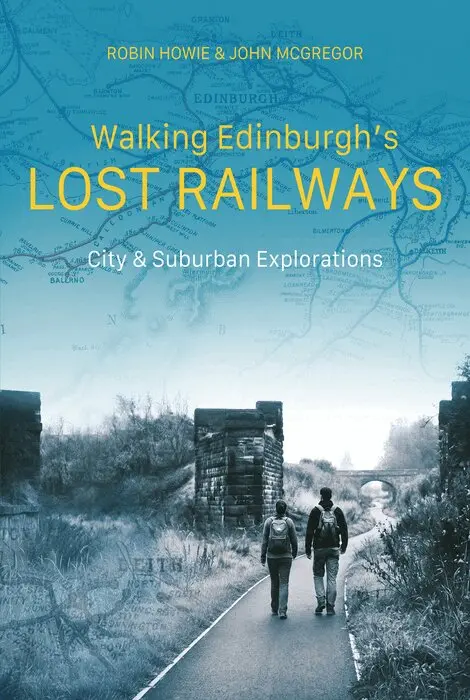
Hidden within Edinburgh’s modern landscape lies the ghost of a railway network that once fuelled the growth of Scotland’s capital.Walking Edinburgh’s Lost Railways uncovers this forgotten world, tracing the routes of long-abandoned railway lines that have been transformed into some of the city’s most attractive walking and cycling paths.Featuring 14 interconnected walks beginning at Waverley Station in the heart of Edinburgh, the book offers a fascinating journey through two centuries of railway development, urban growth and community transformation.Richly researched and engagingly written, Walking Edinburgh’s Lost Railways reveals how the legacy of the railway age continues to shape the capital today.In this book you canDiscover Edinburgh’s hidden railway heritageExplore a network of interconnected routes Learn how disused railways were transformed into green corridors.Perfect for anyone interested in local history, industrial archaeology and uncovering secret corners of the city.