Robin Melrose - Böcker
Visar alla böcker från författaren Robin Melrose. Handla med fri frakt och snabb leverans.
6 produkter
6 produkter
254 kr
Skickas inom 5-8 vardagar
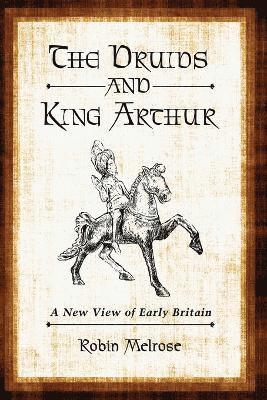
An exploration into the beliefs and origins of the Druids, this book examines the role the Druids may have played in the story of King Arthur and the founding of Britain. It explains how the Druids originated in eastern Europe around 850 B.C., bringing to early Britain a cult of an underworld deity, a belief in reincarnation, and a keen interest in astronomy. The work concludes that Arthur was originally a Druid cult figure and that the descendants of the Druids may have founded the Anglo-Saxon kingdom of Wessex. The research draws upon a number of sources, including medieval Welsh tales, the archaeology of Stonehenge's Salisbury Plain, the legends surrounding the founding of Britain, the cult of the Thracian Horseman, the oracle of Dodona, popular Arthurian mythology, and the basic principles of prehistoric astronomy.
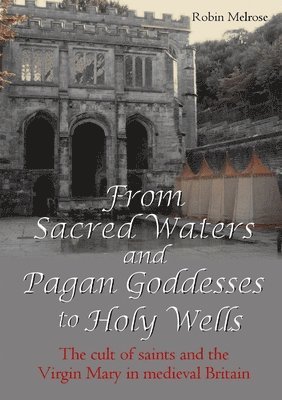
From Sacred Waters and Pagan Goddesses to Holy Wells: the Cult of Saints and the Virgin Mary in Medieval Britain
Häftad, Engelska, 2016
203 kr
Skickas inom 5-8 vardagar
1 888 kr
Skickas inom 10-15 vardagar
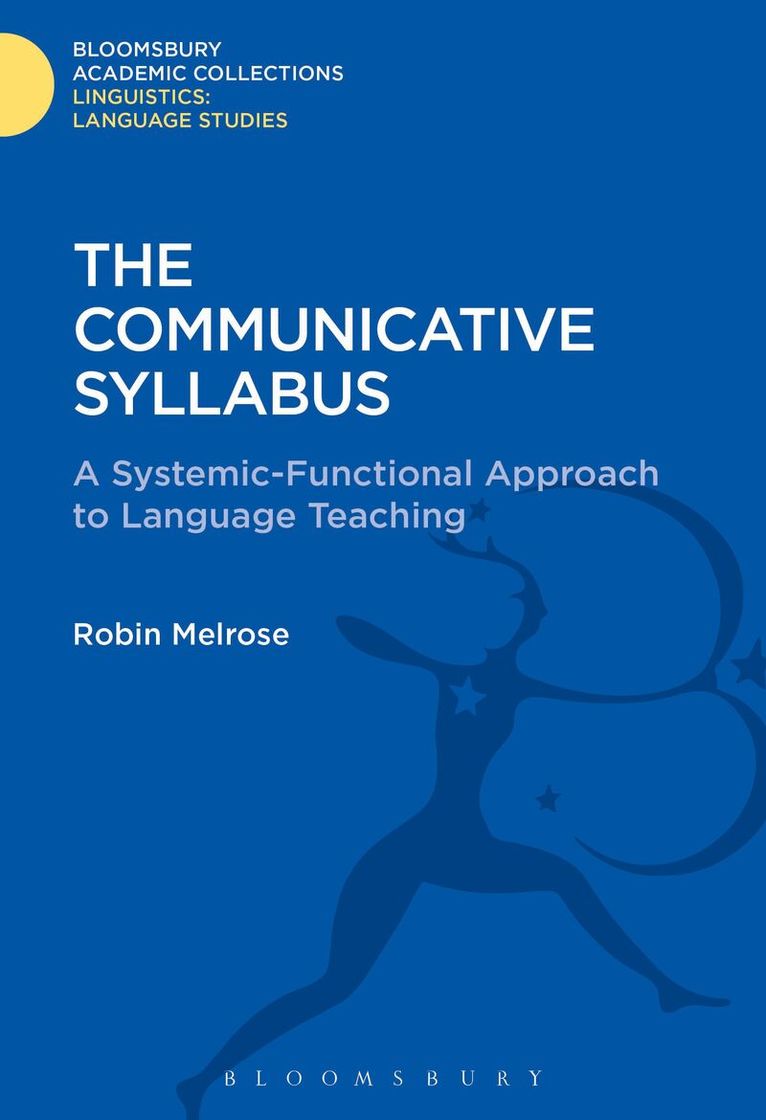
Beginning with a thorough survey of approaches to communicative syllabus design, Melrose deals with the early 1970s functional approach and subsequent criticism of it as well as the contemporary search for a process approach to language learning. It proposes a meaning negation model, which draws upon the seminal work of Halliday, Martin, Fawcett and Lemke, and is illustrated through their analysis of a unit from a communicative course book. Its topical-interactional approach is placed within the context of the current debate on language teaching and learning.
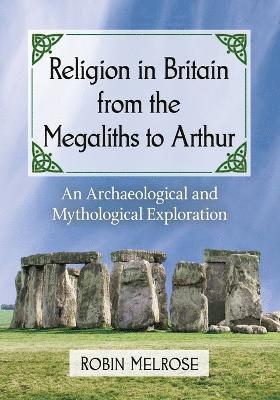
Religion in Britain from the Megaliths to Arthur
An Archaeological and Mythological Exploration
Häftad, Engelska, 2016
355 kr
Skickas inom 5-8 vardagar
The Druids and the Arthurian legends are all most of us know about early Britain, from the Neolithic to the Iron Age (4500 BC-AD 43). Drawing on archaeological discoveries and medieval Welsh texts like the Mabinogion, this book explores the religious beliefs of the ancient Britons before the coming of Christianity, beginning with the megaliths--structures like Stonehenge--and the role they played in prehistoric astronomy.Topics include the mysterious Beaker people of the Early Bronze Age, Iron Age evidence of the Druids, the Roman period and the Dark Ages. The author discusses the myths of King Arthur and what they tell us about paganism, as well as what early churches and monasteries reveal about the enigmatic Druids.
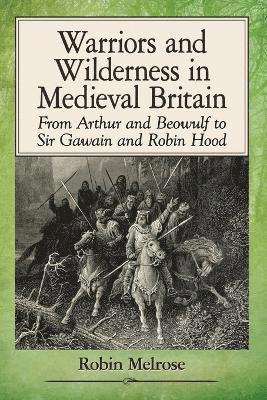
Warriors and Wilderness in Medieval Britain
From Arthur and Beowulf to Sir Gawain and Robin Hood
Häftad, Engelska, 2017
262 kr
Skickas inom 5-8 vardagar
Tracing the development of the King Arthur story in the late Middle Ages, this book explores Arthur's depiction as a wilderness figure, the descendant of the northern Romano-British hunter/warrior god. The earliest Arthur was a warrior but in the 11th century Welsh tale Culhwch and Olwen, he is less a warrior and more a leader of a band of rogue heroes.The story of Arthur was popularized by Geoffrey of Monmouth, in his Latin History of the Kings of Britain, and was translated into Middle English in Layamon's Brut and the later alliterative Alliterative Morte Arthure. Both owed much to the epic poem "Beowulf," which draws on the Anglo-Saxon fascination with the wilderness. The most famous Arthurian tale is Sir Gawain and the Green Knight, in which the wilderness and themes from Beowulf play a leading role. Three Arthurian tales set in Inglewood Forest place Arthur and Gawain in a wilderness setting, and link Arthur to medieval Robin Hood tales.
464 kr
Skickas inom 5-8 vardagar
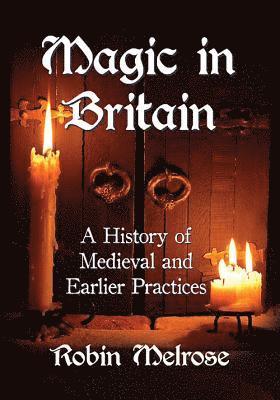
Magic, both benevolent (white) and malign (black), has been practiced in the British Isles since at least the Iron Age (800 BCE-CE 43). "Curse tablets"--metal plates inscribed with curses intended to harm specific people--date from the Roman Empire. The Anglo-Saxons who settled in England in the fifth and sixth centuries used ritual curses in documents, and wrote spells and charms.When they became Christians in the seventh century, the new "magicians" were saints, who performed miracles. When William of Normandy became king in 1066, there was a resurgence of belief in magic. The Church was able to quell the fear of magicians, but the Reformation saw its revival, with numerous witchcraft trials in the late 16th and 17th centuries.