Robyn Bluhm - Böcker
Visar alla böcker från författaren Robyn Bluhm. Handla med fri frakt och snabb leverans.
7 produkter
7 produkter
454 kr
Skickas inom 5-8 vardagar
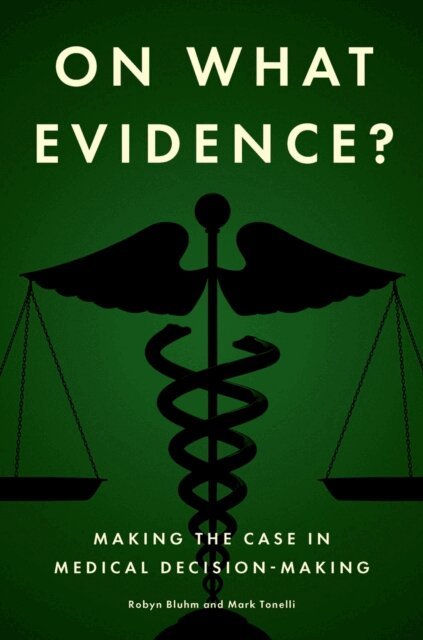
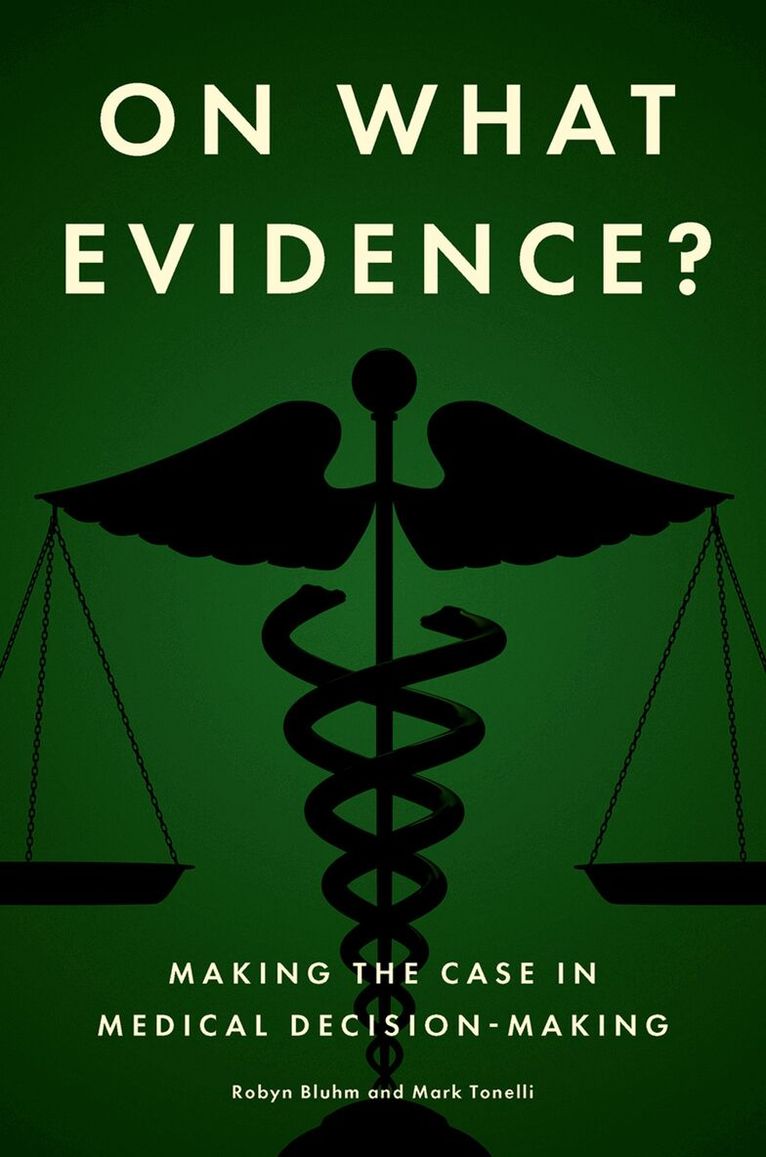
In the era of evidence-based medicine (EBM), discussions of medical knowledge have largely focused on the role of clinical research, though even the primary architects of EBM have acknowledged that the results of such research should not alone dictate decisions about care for individual patients. The most widely cited definition of EBM states that knowledge from clinical trials must be integrated with a physician's clinical expertise, knowledge of physiology, and understanding of their patient's values. Yet proponents of EBM have provided sparse guidance on how this integration should occur.On What Evidence? aims to solve this "integration problem" by considering how clinicians gain and demonstrate expertise, what kinds of medical knowledge can legitimately be brought to bear, and how knowledge of individual patients should be obtained and evaluated in clinical decision-making. The authors analyze the types of knowledge necessary to provide effective care and examine the medical and philosophical literature on each. Fusing real-life practice and theoretical rigor, On What Evidence? describes and defends a case-based approach to clinical decision-making, one based on a broad and non-hierarchical view of medical epistemology.
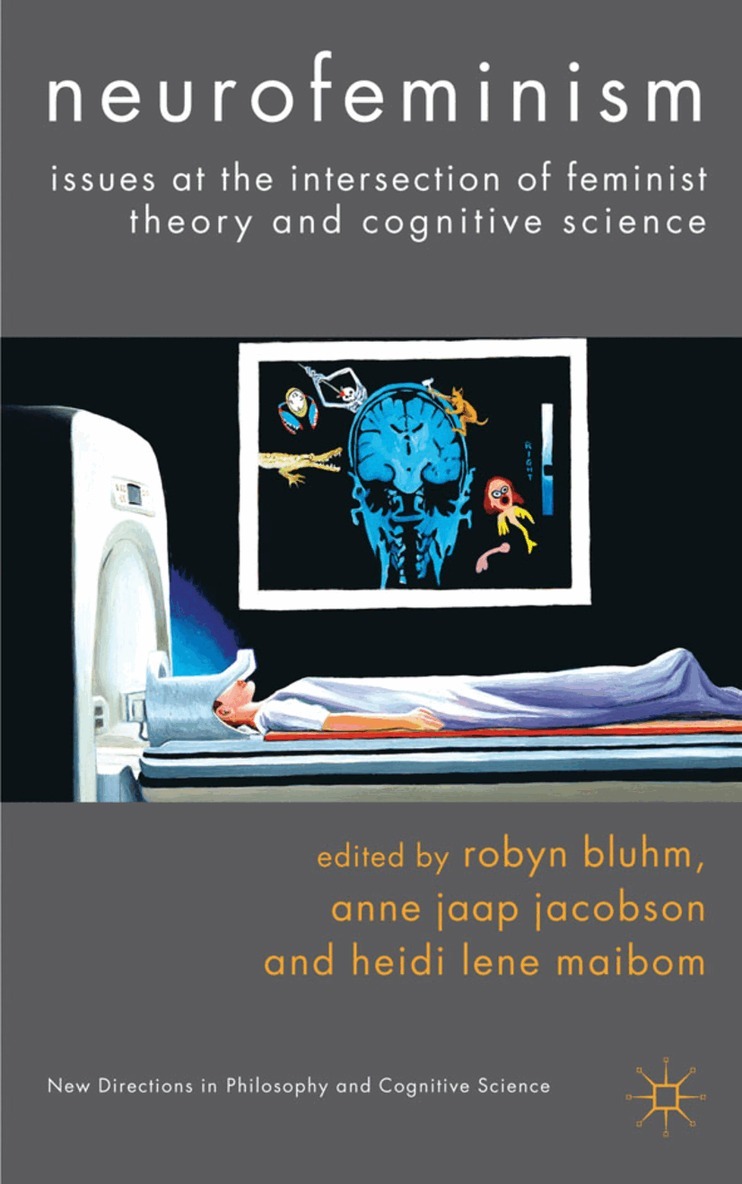
Neurofeminism
Issues at the Intersection of Feminist Theory and Cognitive Science
Inbunden, Engelska, 2012
1 064 kr
Skickas inom 10-15 vardagar
Going beyond the hype of recent fMRI 'findings', thisinterdisciplinary collection examines such questions as: Do women and men have significantly different brains? Do women empathize, while men systematize? Is there a 'feminine' ethics? What does brain research on intersex conditions tell us about sex and gender?
Neurofeminism
Issues at the Intersection of Feminist Theory and Cognitive Science
Häftad, Engelska, 2012
1 276 kr
Skickas inom 10-15 vardagar
Going beyond the hype of recent fMRI 'findings', thisinterdisciplinary collection examines such questions as: Do women and men have significantly different brains? Do women empathize, while men systematize? Is there a 'feminine' ethics? What does brain research on intersex conditions tell us about sex and gender?
2 225 kr
Skickas inom 10-15 vardagar
This book explores the central questions and themes lying at the heart of a vibrant area of philosophical inquiry. Aligning core issues in psychiatry with traditional philosophical areas, it presents a focused overview of the historical and contemporary problems dominating the philosophy of psychiatry. Beginning with an introduction to philosophy of psychiatry, the book addresses what psychiatry is and distinguishes it from other areas of medical practice, other health care professions and psychology. With each section of the companion corresponding to a philosophical subject, contributors systematically cover relevant topics in philosophy of mind, philosophy of science, ethics, social and political philosophy, metaphysics, epistemology, phenomenology, and philosophy of medicine. Looking ahead to new research directions, chapters address recent issues including the metaphysics of mental disorders, gender and race in psychiatry and psychiatric ethics.Featuring discussion questions, suggestions for further reading and an annotated bibliography, The Bloomsbury Companion to Philosophy of Psychiatry is an accessible survey of the debates and developments in the field suitable for undergraduates in philosophy and professional philosophers new to philosophy of psychiatry.
581 kr
Skickas inom 10-15 vardagar
This book explores the central questions and themes lying at the heart of a vibrant area of philosophical inquiry. Aligning core issues in psychiatry with traditional philosophical areas, it presents a focused overview of the historical and contemporary problems dominating the philosophy of psychiatry. Beginning with an introduction to philosophy of psychiatry, the book addresses what psychiatry is and distinguishes it from other areas of medical practice, other health care professions and psychology. With each section of the companion corresponding to a philosophical subject, contributors systematically cover relevant topics in philosophy of mind, philosophy of science, ethics, social and political philosophy, metaphysics, epistemology, phenomenology, and philosophy of medicine. Looking ahead to new research directions, chapters address recent issues including the metaphysics of mental disorders, gender and race in psychiatry and psychiatric ethics.Featuring discussion questions, suggestions for further reading and an annotated bibliography, The Bloomsbury Companion to Philosophy of Psychiatry is an accessible survey of the debates and developments in the field suitable for undergraduates in philosophy and professional philosophers new to philosophy of psychiatry.
1 703 kr
Skickas inom 10-15 vardagar
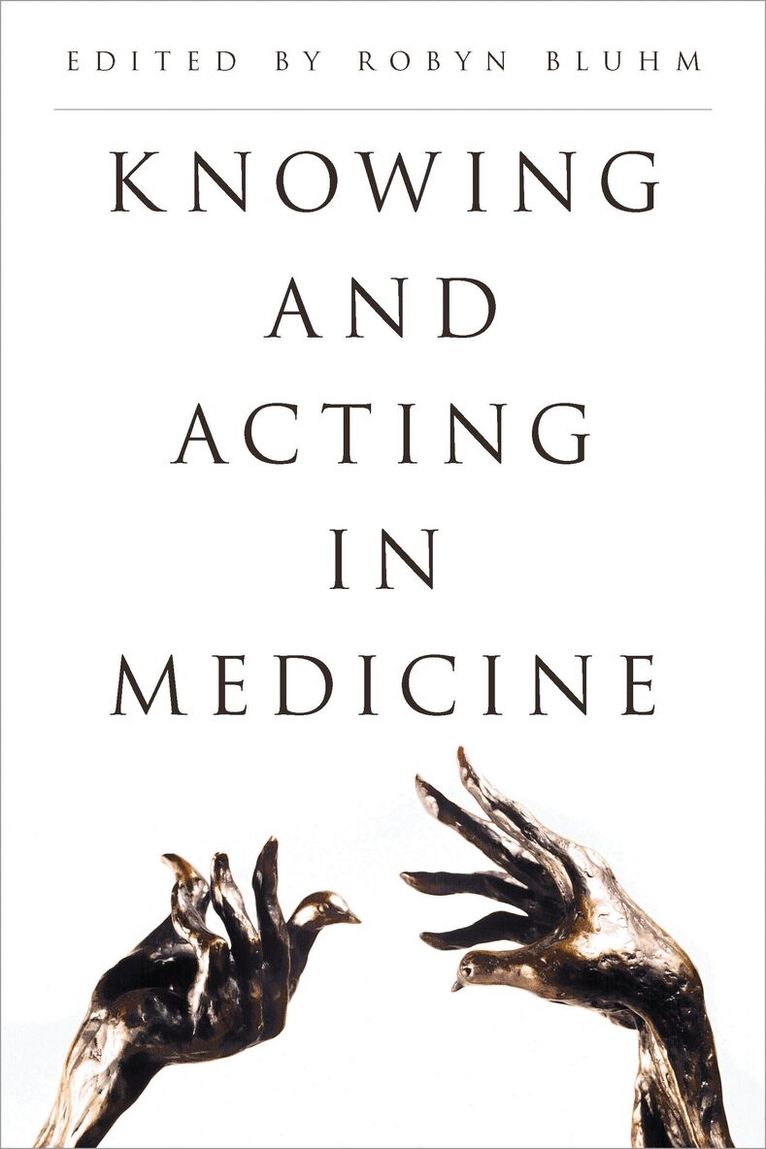
What roles do different kinds of knowledge play in medicine? What roles should they play? What standards (epistemic, ethical, practical) should be met before knowledge is used to develop policy or practice? Medical decision-making, whether in the clinic or at the policy level, can have serious and far-reaching consequences. It is therefore important to base decisions on the best available knowledge. Yet deciding what should count as the best available knowledge is not easy. This important book addresses philosophical questions about what kinds of knowledge should be taken into account, and how knowledge should inform practice and policy. The chapters in this volume examine the relationship between knowledge and action in medical research, practice, and policy. “Knowledge” is broadly construed to include knowledge from clinical, laboratory, or social science research, and from the clinical encounter, as well as broader background assumptions prevalent in society that inform both the kinds of knowledge that are taken to be relevant to medicine and how that knowledge is interpreted in decision-making. Such knowledge may be relevant not only to clinical decision-making with regard to the care of individual patients, but also to the practice of scientific research, the development of policy and practice guidelines, and decisions made by patients or by patient advocacy groups.
595 kr
Skickas inom 10-15 vardagar
What roles do different kinds of knowledge play in medicine? What roles should they play? What standards (epistemic, ethical, practical) should be met before knowledge is used to develop policy or practice? Medical decision-making, whether in the clinic or at the policy level, can have serious and far-reaching consequences. It is therefore important to base decisions on the best available knowledge. Yet deciding what should count as the best available knowledge is not easy. This important book addresses philosophical questions about what kinds of knowledge should be taken into account, and how knowledge should inform practice and policy. The chapters in this volume examine the relationship between knowledge and action in medical research, practice, and policy. “Knowledge” is broadly construed to include knowledge from clinical, laboratory, or social science research, and from the clinical encounter, as well as broader background assumptions prevalent in society that inform both the kinds of knowledge that are taken to be relevant to medicine and how that knowledge is interpreted in decision-making. Such knowledge may be relevant not only to clinical decision-making with regard to the care of individual patients, but also to the practice of scientific research, the development of policy and practice guidelines, and decisions made by patients or by patient advocacy groups.