Roger Brownsword – författare
Visar alla böcker från författaren Roger Brownsword. Handla med fri frakt och snabb leverans.
68 produkter
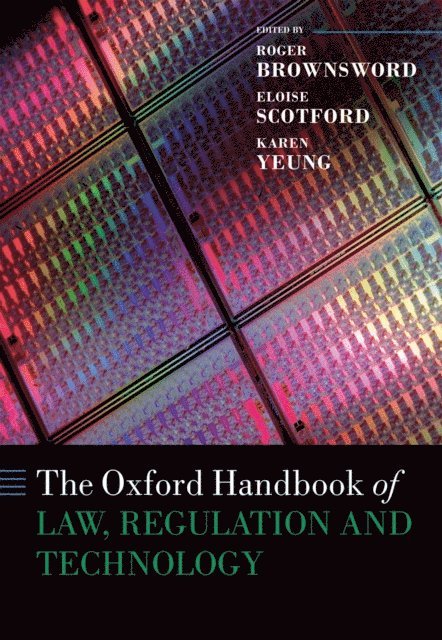
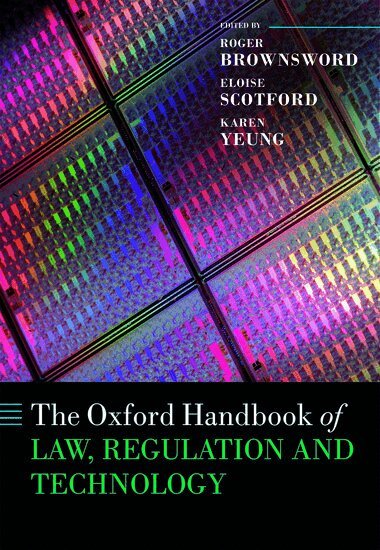
Oxford Handbook of Law, Regulation and Technology
Av Karen Yeung, Eloise Scotford m. fl.
E-bok, 2017
2547 kr
Lägg i varukorg
The variety, pace, and power of technological innovations that have emerged in the 21st Century have been breathtaking. These technological developments, which include advances in networked information and communications, biotechnology, neurotechnology, nanotechnology, robotics, and environmental …
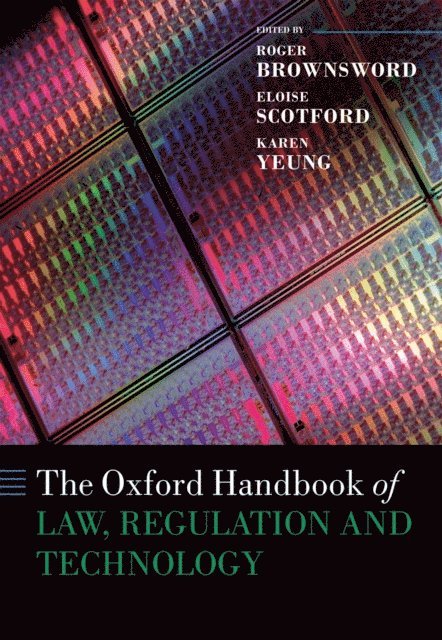
Oxford Handbook of Law, Regulation and Technology
Av Karen Yeung, Eloise Scotford m. fl.
E-bok, 2017
2547 kr
Lägg i varukorg
The variety, pace, and power of technological innovations that have emerged in the 21st Century have been breathtaking. These technological developments, which include advances in networked information and communications, biotechnology, neurotechnology, nanotechnology, robotics, and environmental …
Human Dignity in Bioethics and Biolaw
Av Deryck Beyleveld, Roger Brownsword
Inbunden, 2001
2948 kr
Lägg i varukorg
The concept of human dignity is increasingly invoked in bioethical debate and, indeed, in international instruments concerned with biotechnology and biomedicine. While some commentators consider appeals to human dignity to be little more than rhetoric and not worthy of serious consideration, the …
Rights, Regulation, and the Technological Revolution
Inbunden, 2008
1953 kr
Lägg i varukorg
Rights, Regulation, and the Technological Revolution confronts a central question facing modern government - how can regulators respond to both the challenges and opportunities presented by a technologically driven society without sacrificing legitimacy for effectiveness, or weakening the essential …
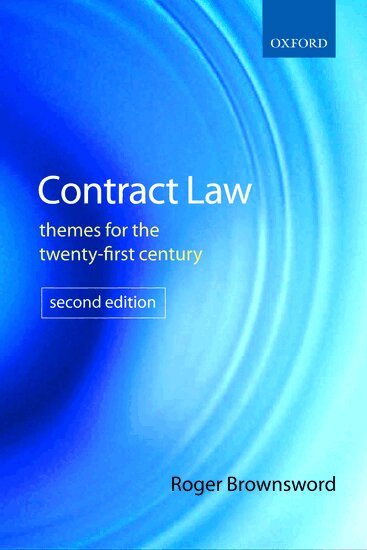
Contract Law
Themes for the Twenty-First Century
Häftad, 2006
811 kr
Lägg i varukorg
In this unique volume, Roger Brownsword provides a thoughtful overview of the principal themes of the law of contract. He explores the context of the recent development of contract law, and considers the many changes the law has undergone given the ever-evolving nature of English law. This …
The Oxford Handbook of Law, Regulation and Technology
Av Roger Brownsword, Eloise Scotford m. fl.
Inbunden, 2017
3305 kr
Lägg i varukorg
The variety, pace, and power of technological innovations that have emerged in the 21st Century have been breathtaking. These technological developments, which include advances in networked information and communications, biotechnology, neurotechnology, nanotechnology, robotics, and environmental …
The Oxford Handbook of Law, Regulation and Technology
Av Roger Brownsword, Eloise Scotford m. fl.
Häftad, 2035
606 kr
Kommande
The variety, pace, and power of technological innovations that have emerged in the 21st Century have been breathtaking. These technological developments, which include advances in networked information and communications, biotechnology, neurotechnology, nanotechnology, robotics, and environmental …
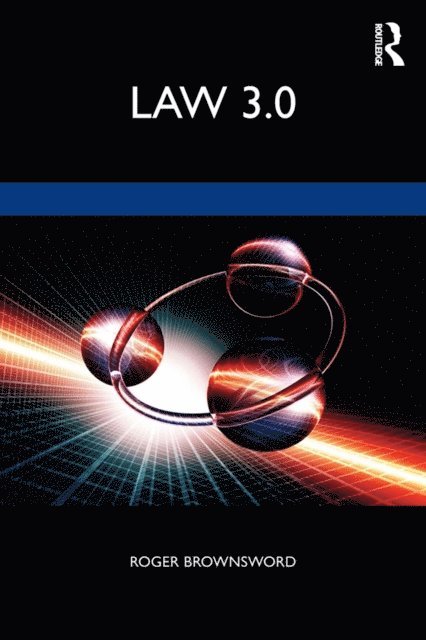
Law 3.0
Rules, Regulation, and Technology
Häftad, 2020
341 kr
Lägg i varukorg
Putting technology front and centre in our thinking about law, this book introduces Law 3.0: the future of the legal landscape.Technology not only disrupts the traditional idea of what it is ‘to think like a lawyer,’ as per Law 1.0; it presents major challenges to regulators who are reasoning in a …
Law 3.0
Rules, Regulation, and Technology
Inbunden, 2020
1682 kr
Lägg i varukorg
Putting technology front and centre in our thinking about law, this book introduces Law 3.0: the future of the legal landscape.Technology not only disrupts the traditional idea of what it is ‘to think like a lawyer,’ as per Law 1.0; it presents major challenges to regulators who are reasoning in a …
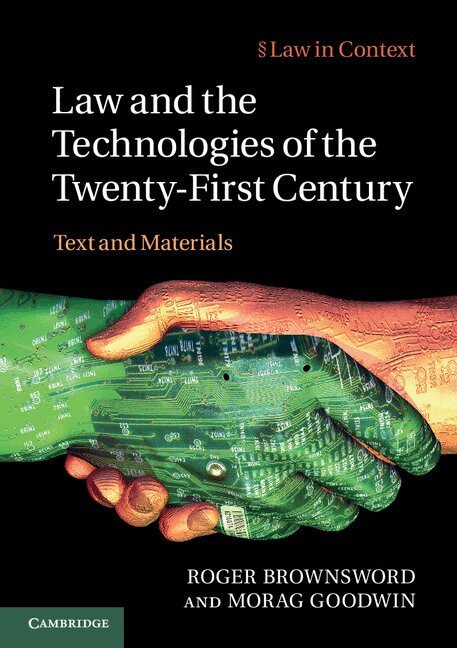
Law and the Technologies of the Twenty-First Century
Text and Materials
Av Roger Brownsword, Morag Goodwin
Häftad, 2012
600 kr
Lägg i varukorg
Law and the Technologies of the Twenty-First Century provides a contextual account of the way in which law functions in a broader regulatory environment across different jurisdictions. It identifies and clearly structures the four key challenges that technology poses to regulatory efforts, …
The Cambridge Handbook of Human Dignity
Interdisciplinary Perspectives
Av Marcus Düwell, Jens Braarvig m. fl.
Inbunden, 2014
1885 kr
Lägg i varukorg
This introduction to human dignity explores the history of the notion from antiquity to the nineteenth century, and the way in which dignity is conceptualised in non-Western contexts. Building on this, it addresses a range of systematic conceptualisations, considers the theoretical and legal …
Law, Technology and Society
Reimagining the Regulatory Environment
Inbunden, 2019
2317 kr
Lägg i varukorg
This book considers the implications of the regulatory burden being borne increasingly by technological management rather than by rules of law. If crime is controlled, if human health and safety are secured, if the environment is protected, not by rules but by measures of technological …
Law, Technology and Society
Reimagining the Regulatory Environment
Häftad, 2019
598 kr
Lägg i varukorg
This book considers the implications of the regulatory burden being borne increasingly by technological management rather than by rules of law. If crime is controlled, if human health and safety are secured, if the environment is protected, not by rules but by measures of technological …
Law 3.0
Rules, Regulation, and Technology
E-bok, 2020
351 kr
Lägg i varukorg
Putting technology front and centre in our thinking about law, this book introduces Law 3.0: the future of the legal landscape. Technology not only disrupts the traditional idea of what it is ‘to think like a lawyer,’ as per Law 1.0; it presents major challenges to regulators who are reasoning in a …
Law 3.0
Rules, Regulation, and Technology
E-bok, 2020
351 kr
Lägg i varukorg
Putting technology front and centre in our thinking about law, this book introduces Law 3.0: the future of the legal landscape. Technology not only disrupts the traditional idea of what it is ‘to think like a lawyer,’ as per Law 1.0; it presents major challenges to regulators who are reasoning in a …
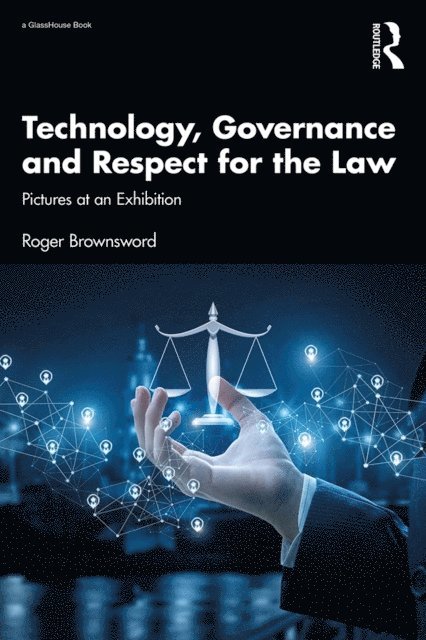
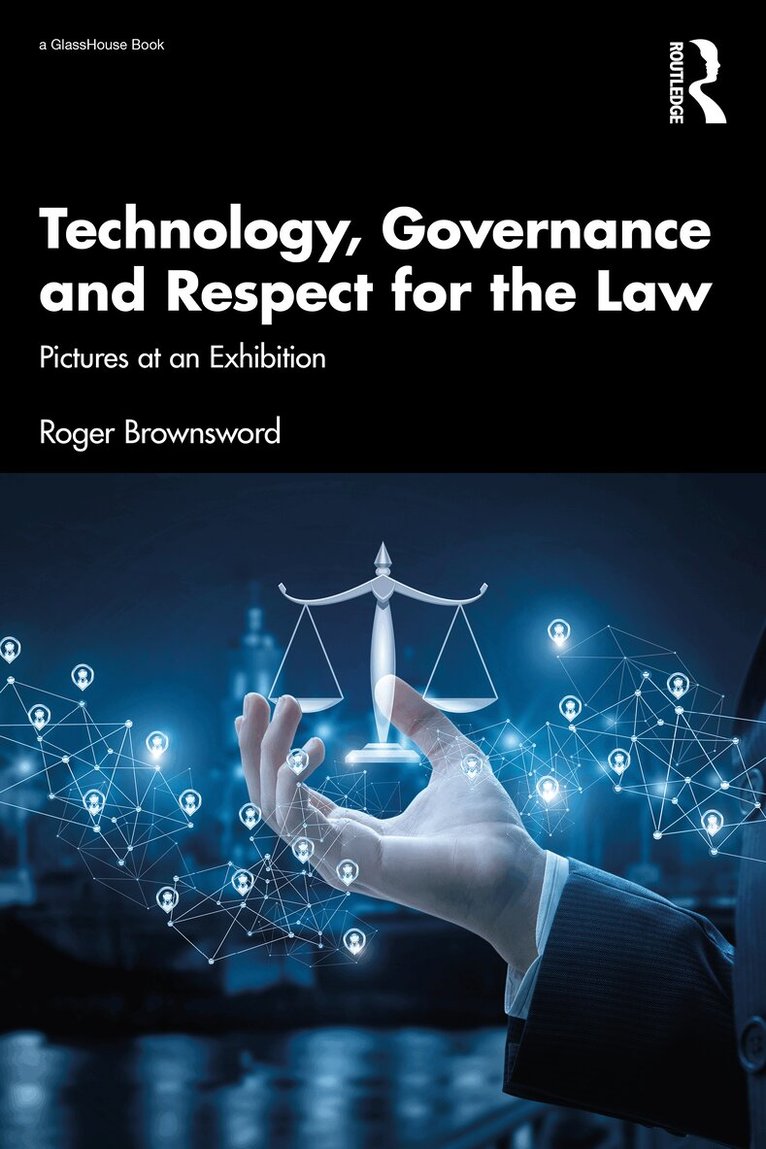
Technology, Governance and Respect for the Law
Pictures at an Exhibition
E-bok, 2022
685 kr
Lägg i varukorg
In the context of the technological disruption of law and, in particular, the prospect of governance by machines, this book reconsiders the demand that we should respect the law, simply because it is the law. What does ‘the law’ need to look like to justify our respect? Responding to this question, …
Technology, Governance and Respect for the Law
Pictures at an Exhibition
E-bok, 2022
685 kr
Lägg i varukorg
In the context of the technological disruption of law and, in particular, the prospect of governance by machines, this book reconsiders the demand that we should respect the law, simply because it is the law. What does ‘the law’ need to look like to justify our respect? Responding to this question, …
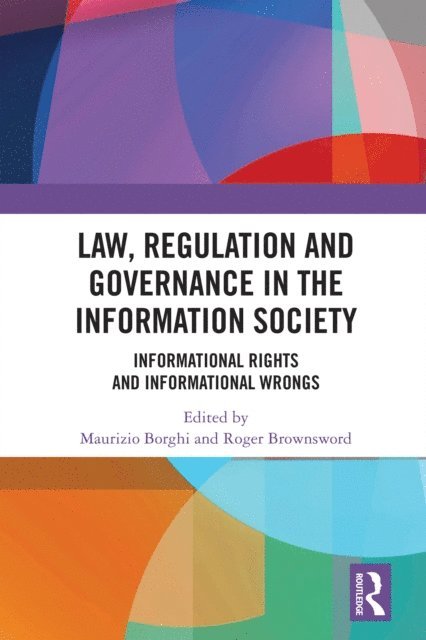
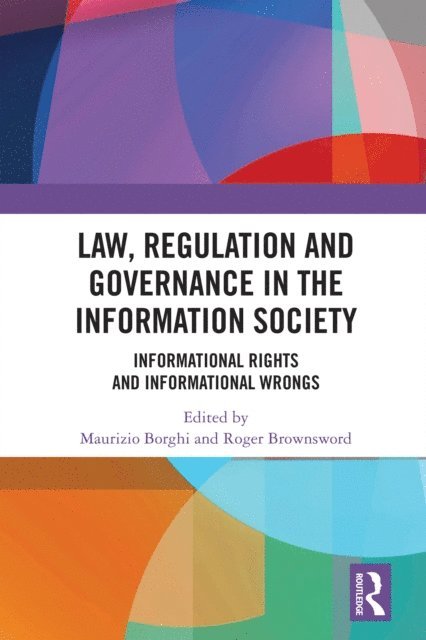
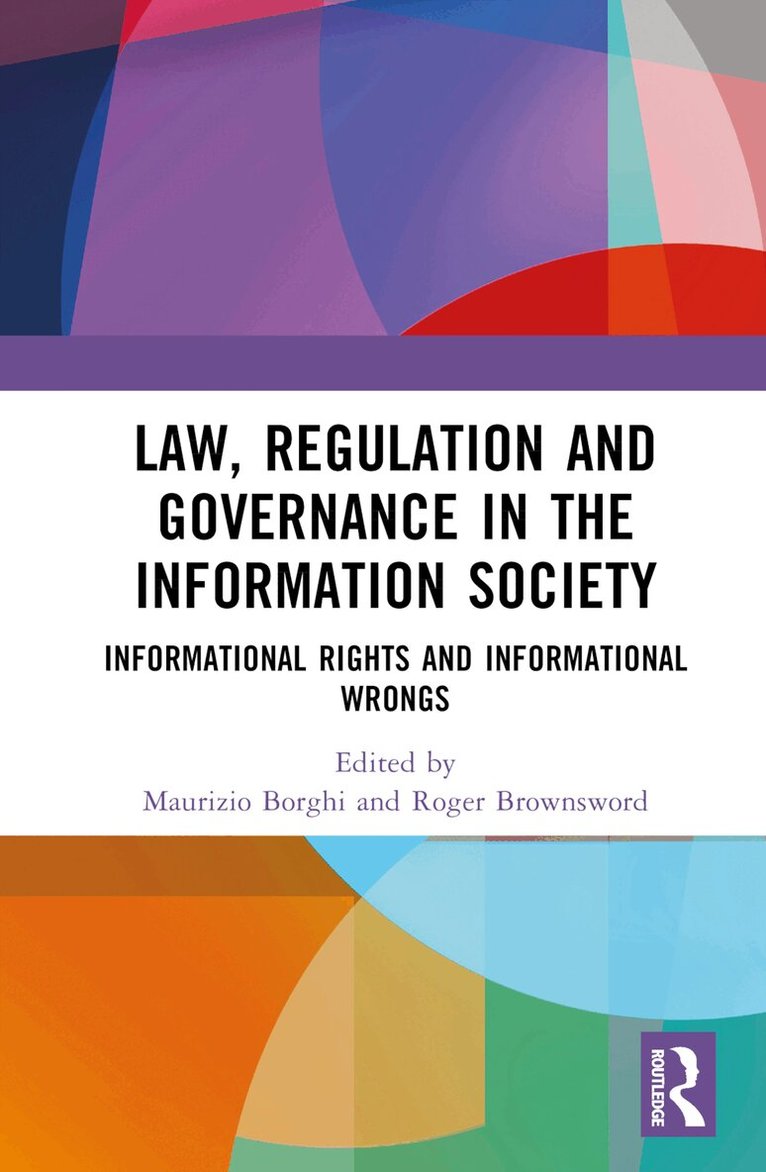
Law, Regulation and Governance in the Information Society
Informational Rights and Informational Wrongs
Av Roger Brownsword, Maurizio Borghi
E-bok, 2022
670 kr
Lägg i varukorg
This edited collection seeks to map the landscape of contemporary informational interests, to evaluate a range of recognised and putative rights and wrongs associated with modern information societies, and to consider how law, regulation, and governance should be deployed in response. New …
Law, Regulation and Governance in the Information Society
Informational Rights and Informational Wrongs
Av Roger Brownsword, Maurizio Borghi
E-bok, 2022
685 kr
Lägg i varukorg
This edited collection seeks to map the landscape of contemporary informational interests, to evaluate a range of recognised and putative rights and wrongs associated with modern information societies, and to consider how law, regulation, and governance should be deployed in response. New …
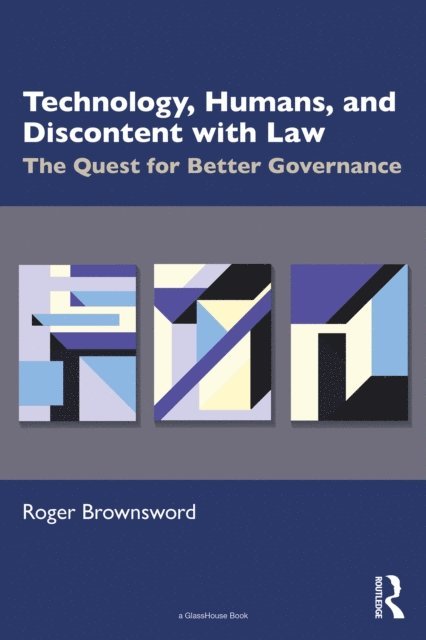
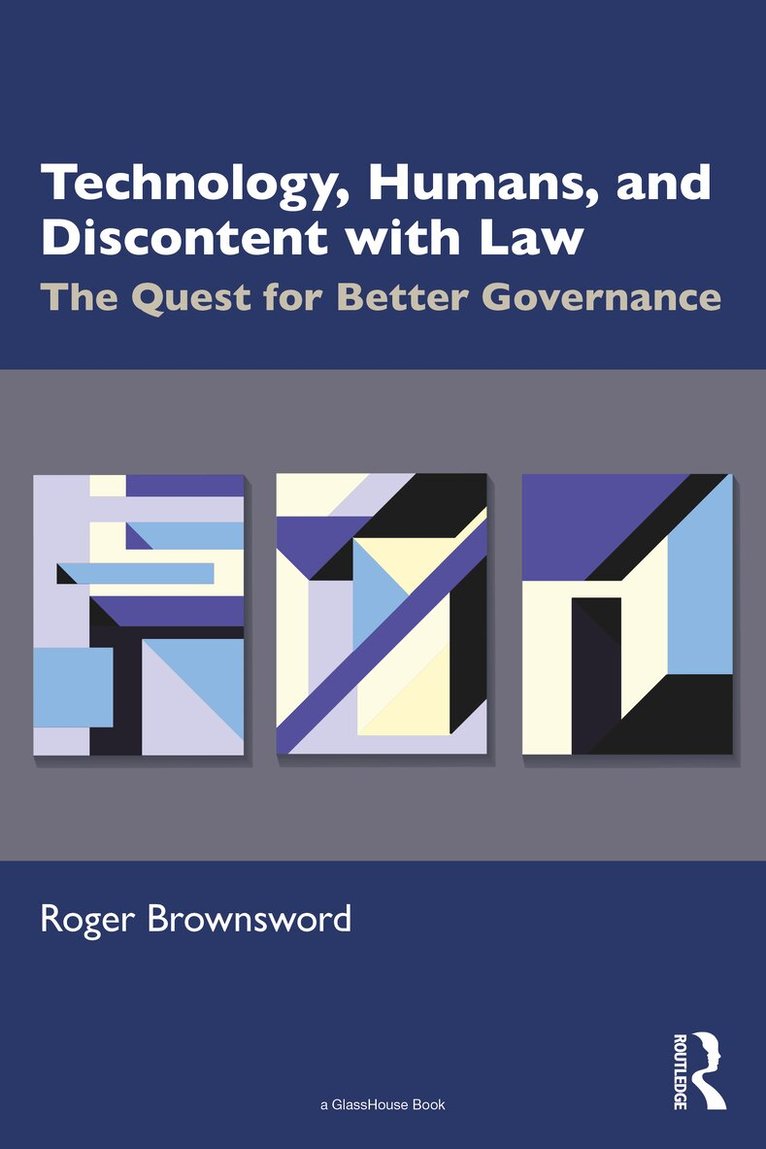
Technology, Humans, and Discontent with Law
The Quest for Better Governance
E-bok, 2023
669 kr
Lägg i varukorg
This book analyses discontent with law and assesses the prospect of better governance by technology. In the first part of the book, where the context is ‘low tech’, the range of discontent with law is examined; the underlying reasons for such discontent are identified (namely, the human nature of …
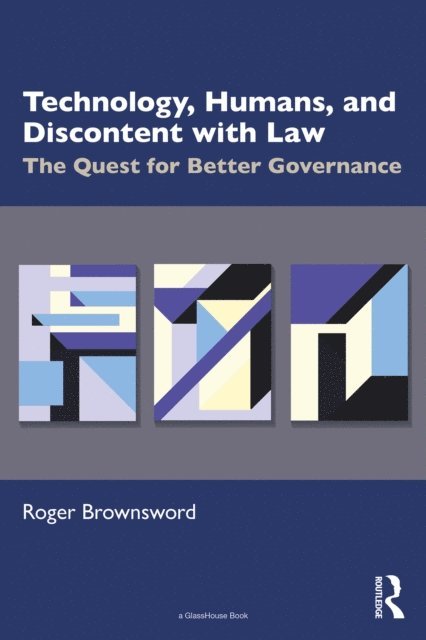
Technology, Humans, and Discontent with Law
The Quest for Better Governance
E-bok, 2023
655 kr
Lägg i varukorg
This book analyses discontent with law and assesses the prospect of better governance by technology. In the first part of the book, where the context is ‘low tech’, the range of discontent with law is examined; the underlying reasons for such discontent are identified (namely, the human nature of …
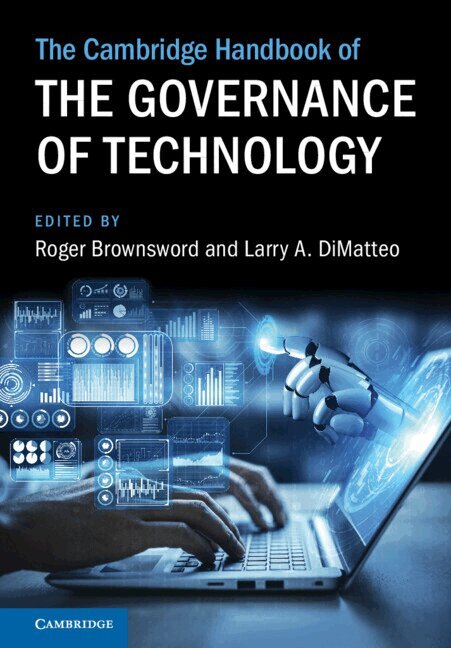
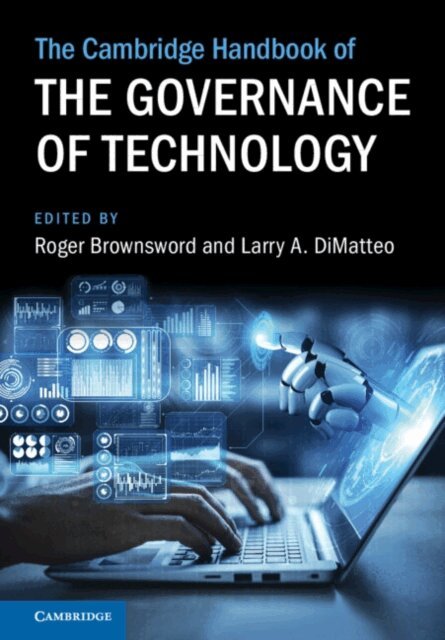
The Cambridge Handbook of the Governance of Technology
Av Roger Brownsword, Larry A. DiMatteo
Inbunden, 2025
2405 kr
Lägg i varukorg
In recent years, the use of AI has skyrocketed. The introduction of widely available generative AI, such as ChatGPT, has reinvigorated concerns for harm caused to users. Yet so far government bodies and scholarly literature have failed to determine a governance structure to minimize the risks …
Cambridge Handbook of the Governance of Technology
Av Larry A. DiMatteo, Roger Brownsword
E-bok, 2025
2347 kr
Lägg i varukorg
Cambridge Handbook of the Governance of Technology
Av Larry A. DiMatteo, Roger Brownsword
E-bok, 2025
2347 kr
Lägg i varukorg
Law, Regulation and Governance in the Information Society
Informational Rights and Informational Wrongs
Av Maurizio Borghi, Roger Brownsword
Inbunden, 2022
2532 kr
Lägg i varukorg
This edited collection seeks to map the landscape of contemporary informational interests, to evaluate a range of recognised and putative rights and wrongs associated with modern information societies, and to consider how law, regulation, and governance should be deployed in response.New …
Law, Regulation and Governance in the Information Society
Informational Rights and Informational Wrongs
Av Maurizio Borghi, Roger Brownsword
Häftad, 2024
583 kr
Lägg i varukorg
This edited collection seeks to map the landscape of contemporary informational interests, to evaluate a range of recognised and putative rights and wrongs associated with modern information societies, and to consider how law, regulation, and governance should be deployed in response.New …
Technology, Governance and Respect for the Law
Pictures at an Exhibition
Häftad, 2022
583 kr
Lägg i varukorg
In the context of the technological disruption of law and, in particular, the prospect of governance by machines, this book reconsiders the demand that we should respect the law, simply because it is the law. What does ‘the law’ need to look like to justify our respect? Responding to this question, …
Technology, Governance and Respect for the Law
Pictures at an Exhibition
Inbunden, 2022
2312 kr
Lägg i varukorg
In the context of the technological disruption of law and, in particular, the prospect of governance by machines, this book reconsiders the demand that we should respect the law, simply because it is the law. What does ‘the law’ need to look like to justify our respect? Responding to this question, …
Technology, Humans, and Discontent with Law
The Quest for Better Governance
Häftad, 2023
569 kr
Lägg i varukorg
This book analyses discontent with law and assesses the prospect of better governance by technology.In the first part of the book, where the context is ‘low tech’, the range of discontent with law is examined; the underlying reasons for such discontent are identified (namely, the human nature of …
Technology, Humans, and Discontent with Law
The Quest for Better Governance
Inbunden, 2023
2312 kr
Lägg i varukorg
This book analyses discontent with law and assesses the prospect of better governance by technology.In the first part of the book, where the context is ‘low tech’, the range of discontent with law is examined; the underlying reasons for such discontent are identified (namely, the human nature of …