Roger Holdsworth – författare
Visar alla böcker från författaren Roger Holdsworth. Handla med fri frakt och snabb leverans.
10 produkter
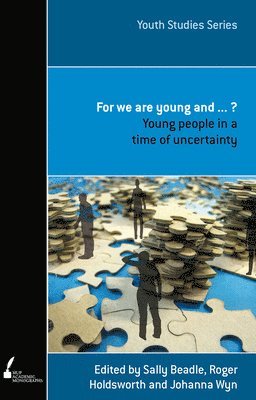
For We Are Young and…
Young People in a Time of Uncertainty
Av Johanna Wyn, Roger Holdsworth m. fl.
Häftad, 2011
385 kr
Lägg i varukorg
For we are young and ...? offers a provocative perspective on Australia's young people against a global and local backdrop of uncertainty and change. It asserts the importance of a critically informed and positive approach to youth, moving beyond seeing young people through the lens of shortcomings …
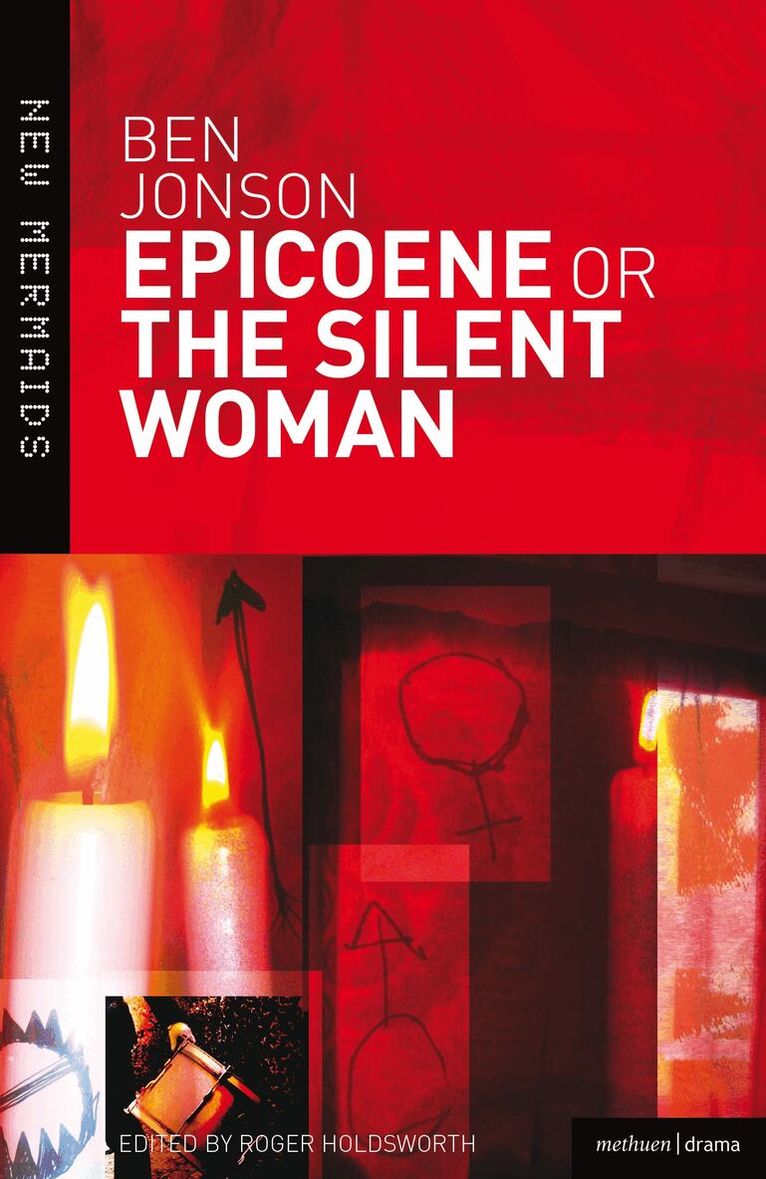
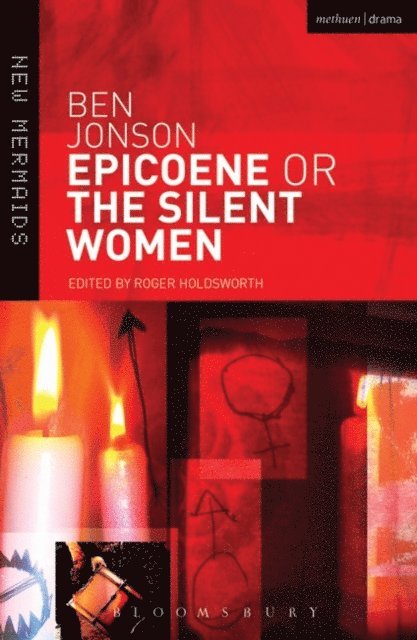
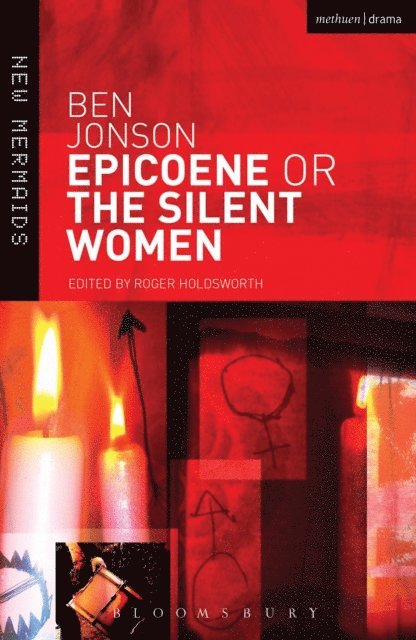
Epicoene or The Silent Woman
Av Ben Jonson, Roger Holdsworth
Häftad, 2002
187 kr
Lägg i varukorg
'A silent and loving woman is a gift of the lord' This 'excellent comedy of affliction' enjoyed enormous prestige for more than a century after its first performance: for John Dryden it had 'the greatest and most noble construction of any pure unmixed comedy in any language'. Its title signals …
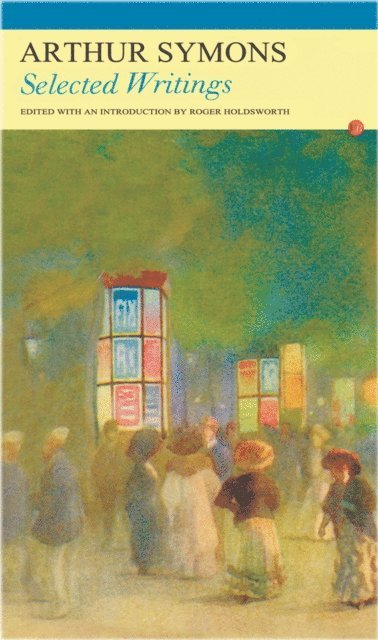
Arthur Symons
Selected Writings
Av Arthur Symons, Roger Holdsworth
E-bok, 2020
856 kr
Lägg i varukorg
Arthur William Symons (1865-1945) is a haunting poet of the modern city, catching its dangerous, complex beauty in works that first introduced the imagery of the urban underworld into English poetry. He was a champion of the French Symbolists. Yeats, Pound and Eliot acknowledged their debt to him …
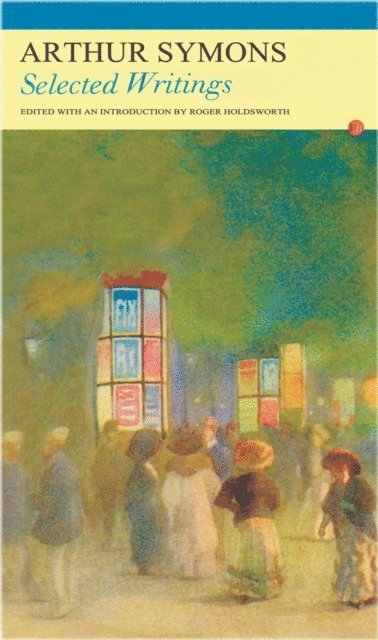
Arthur Symons
Selected Writings
Av Arthur Symons, Roger Holdsworth
E-bok, 2020
838 kr
Lägg i varukorg
Arthur William Symons (1865-1945) is a haunting poet of the modern city, catching its dangerous, complex beauty in works that first introduced the imagery of the urban underworld into English poetry. He was a champion of the French Symbolists. Yeats, Pound and Eliot acknowledged their debt to him …
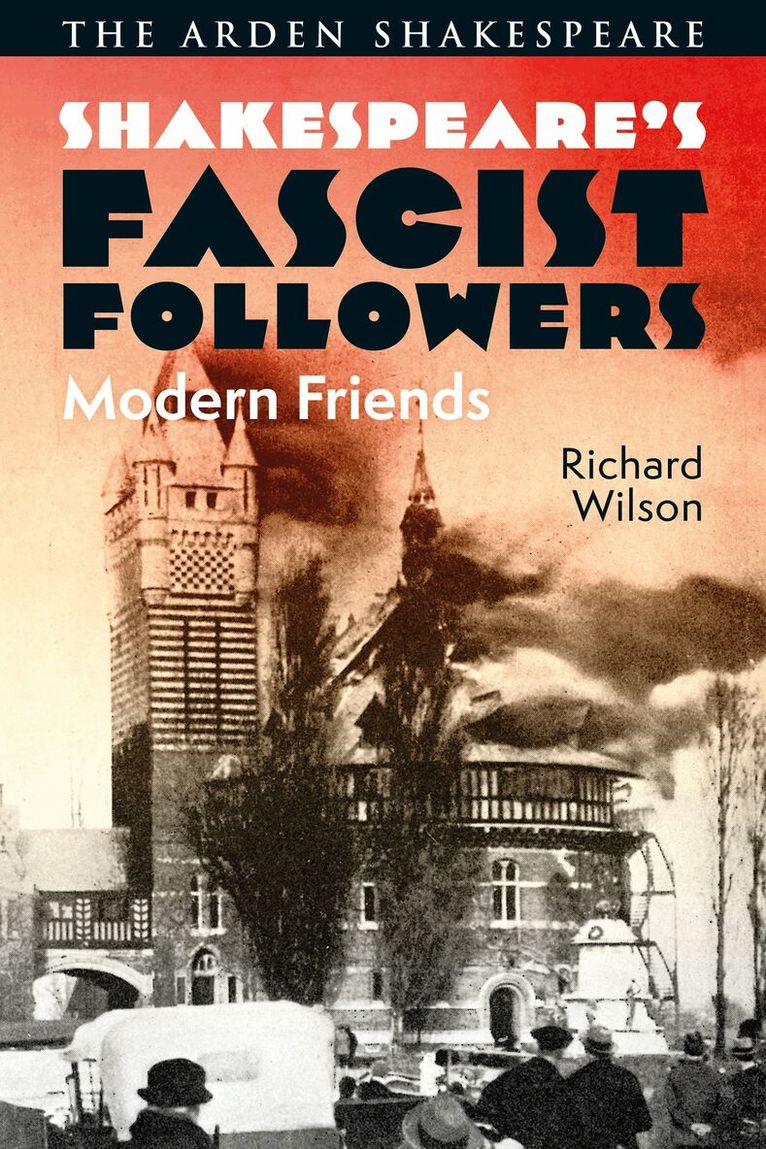
Shakespeare’s Fascist Followers
Modern Friends
Av Richard Wilson, Roger Holdsworth m. fl.
Inbunden, 2025
1456 kr
Lägg i varukorg
‘Richard Wilson’s meticulously researched, powerfully argued and brilliantly written account of Shakespeare’s 20th-century fascist followers is not just an important but a genuinely essential book.’ Robert Shaughnessy, Guildford School of Acting, UKIn this illuminating book Richard Wilson …
Shakespeare’s Fascist Followers
Modern Friends
Av Richard Wilson, Roger Holdsworth m. fl.
E-bok, 2025
1613 kr
Lägg i varukorg
'' Richard Wilson''s meticulously researched, powerfully argued and brilliantly written account of Shakespeare''s 20th-century fascist followers is not just an important but a genuinely essential book.'' Robert Shaughnessy, Guildford School of Acting, UK In this illuminating book Richard Wilson …
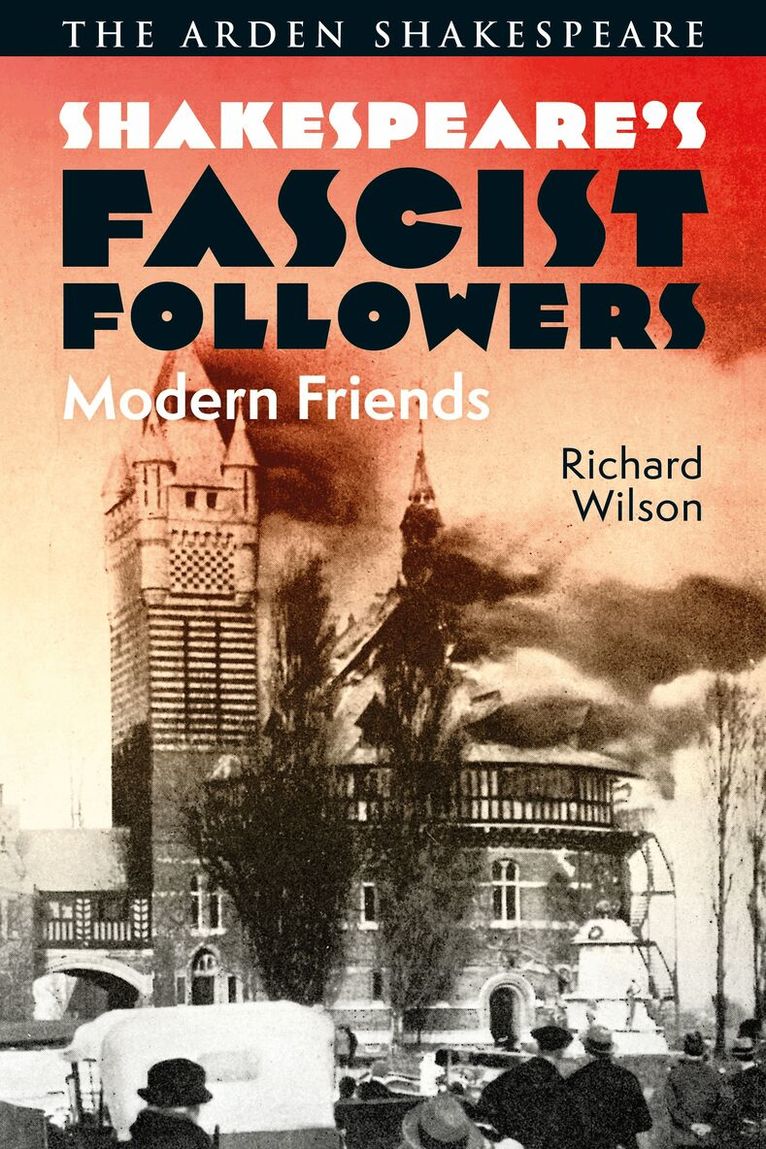
Shakespeare’s Fascist Followers
Modern Friends
Av Richard Wilson, Roger Holdsworth m. fl.
E-bok, 2025
1613 kr
Lägg i varukorg
'' Richard Wilson''s meticulously researched, powerfully argued and brilliantly written account of Shakespeare''s 20th-century fascist followers is not just an important but a genuinely essential book.'' Robert Shaughnessy, Guildford School of Acting, UK In this illuminating book Richard Wilson …
Shakespeare’s Fascist Followers
Modern Friends
Av Richard Wilson, Roger Holdsworth m. fl.
Häftad, 2027
474 kr
Kommande
‘Richard Wilson’s meticulously researched, powerfully argued and brilliantly written account of Shakespeare’s 20th-century fascist followers is not just an important but a genuinely essential book.’ Robert Shaughnessy, Guildford School of Acting, UKIn this illuminating book Richard Wilson …
Epicoene or The Silent Woman
Av Ben Jonson, Roger Holdsworth
E-bok, 2014
197 kr
Lägg i varukorg
''A silent and loving woman is a gift of the lord'' This ''excellent comedy of affliction'' enjoyed enormous prestige for more than a century after its first performance: for John Dryden it had ''the greatest and most noble construction of any pure unmixed comedy in any language''. Its title …
Epicoene or The Silent Woman
Av Ben Jonson, Roger Holdsworth
E-bok, 2014
197 kr
Lägg i varukorg
''A silent and loving woman is a gift of the lord'' This ''excellent comedy of affliction'' enjoyed enormous prestige for more than a century after its first performance: for John Dryden it had ''the greatest and most noble construction of any pure unmixed comedy in any language''. Its title …