Roland Bobbink - Böcker
Visar alla böcker från författaren Roland Bobbink. Handla med fri frakt och snabb leverans.
4 produkter
4 produkter
2 121 kr
Skickas inom 10-15 vardagar
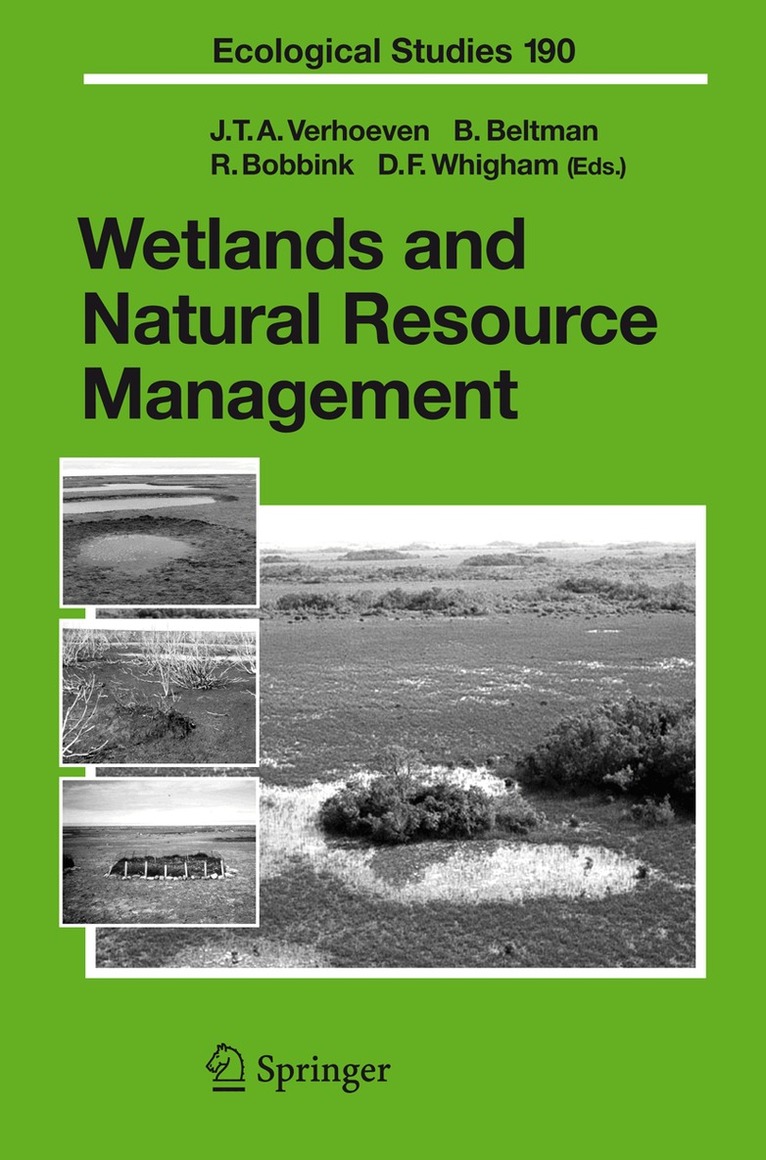
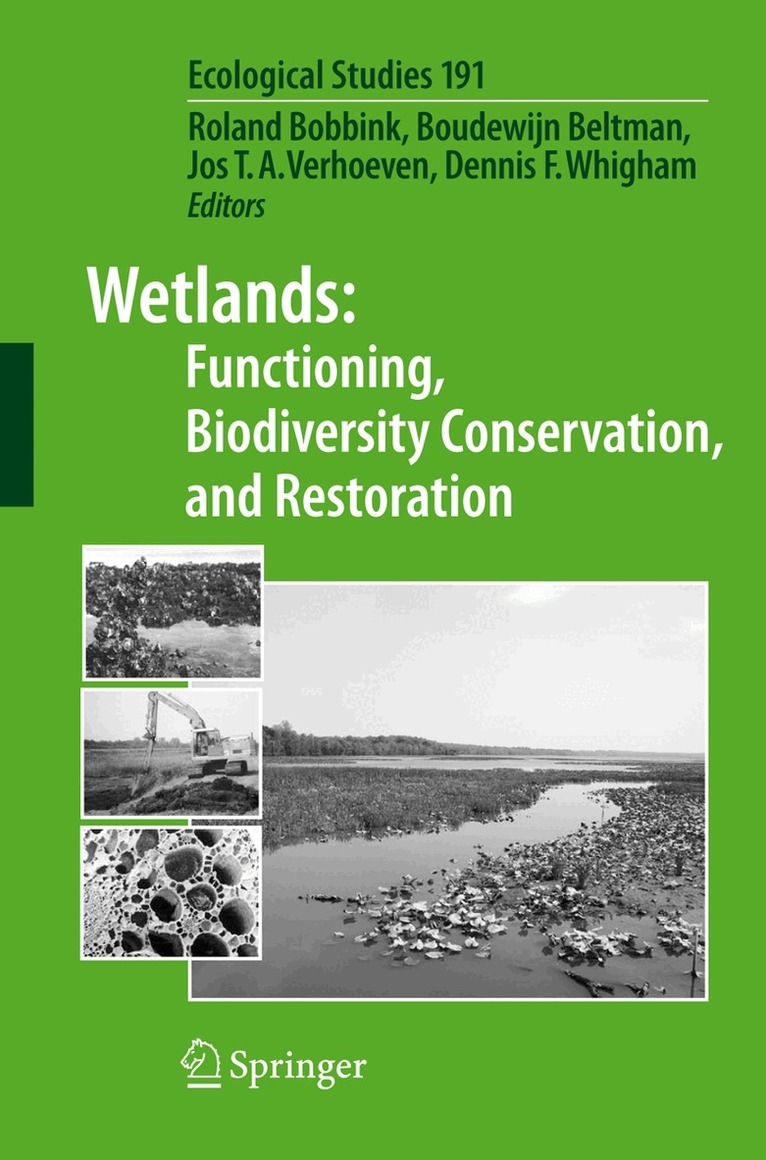
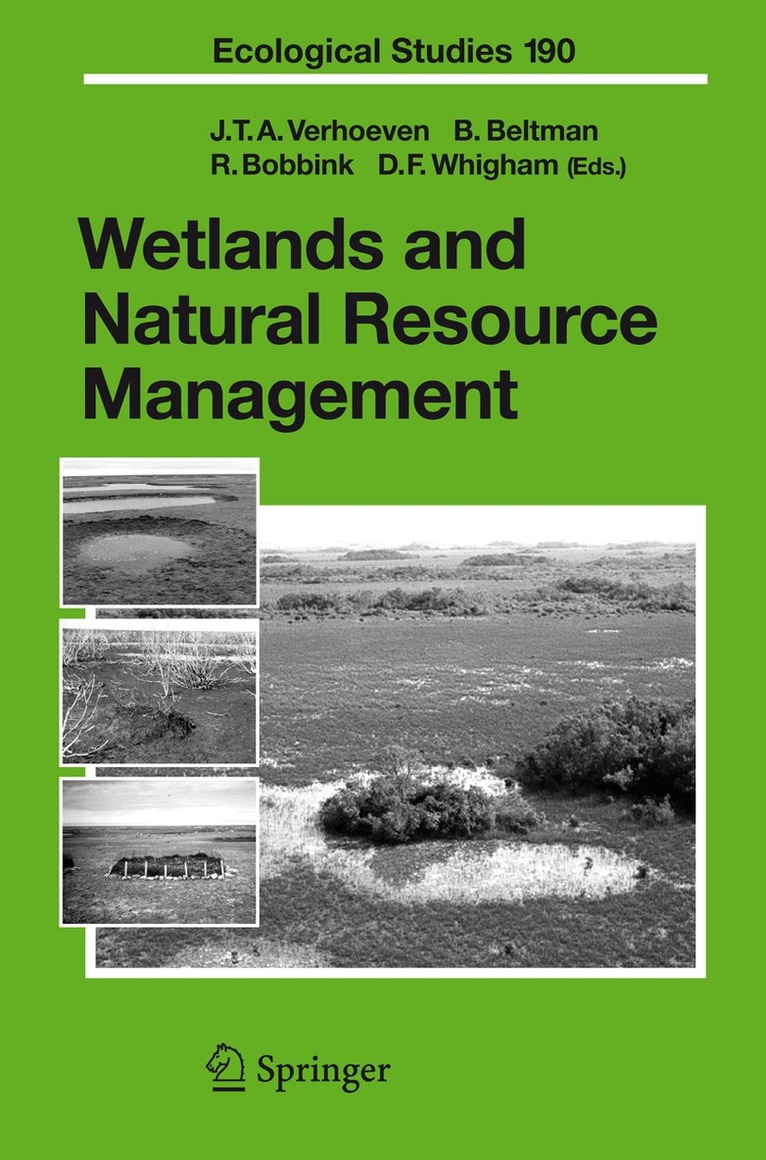
The two volumes on “Wetlands as a Natural Resource” in the book series Ecological th Studies (Volumes 190,191) are based on the highlights of the 7 INTECOL International Wetland Conference in Utrecht,25–30 July 2004. This conference brought together about 900 participants from 61 countries,who discussed a very broad range of science-,poli- and management-oriented issues related to wetland ecology and hydrology, wetland conservation and creation, the impact of global change and wetlands as a resource in terms of food,flood protection and water quality enhancement. The participants were from different sectors of society,i. e. ,science and technology (scientists 45%; PhD s- dents 20%),natural resource management (20%) and policy (15%). There were 38 s- posia with invited speakers centered around the nine conference themes. We have given the organizers of these symposia the opportunity to produce one chapter for these books with the integrated content of their symposium. This has resulted in 25 chapters, of which 13 are included in Volume 190 under the heading “Wetlands and Natural Resource Management”and 12 in Volume 191 under the heading “Wetlands: Functi- ing,Biodiversity Conservation and Restoration”. With these books,we had the aim to summarize the most important recent scientific results in wetland science,their applications in wetland and water resource management and their implications for the development of global,national and regional policies in the perspective of the ever-progressing deterioration of natural wetlands and the major impacts that future climate change will have.
1 593 kr
Skickas inom 10-15 vardagar
The two volumes on “Wetlands as a Natural Resource” in the book series Ecological th Studies (Volumes 190,191) are based on the highlights of the 7 INTECOL International Wetland Conference in Utrecht,25–30 July 2004. This conference brought together about 900 participants from 61 countries,who discussed a very broad range of science-,poli- and management-oriented issues related to wetland ecology and hydrology, wetland conservation and creation, the impact of global change and wetlands as a resource in terms of food,flood protection and water quality enhancement. The participants were from different sectors of society,i. e. ,science and technology (scientists 45%; PhD s- dents 20%),natural resource management (20%) and policy (15%). There were 38 s- posia with invited speakers centered around the nine conference themes. We have given the organizers of these symposia the opportunity to produce one chapter for these books with the integrated content of their symposium. This has resulted in 25 chapters, of which 13 are included in Volume 190 under the heading “Wetlands and Natural Resource Management”and 12 in Volume 191 under the heading “Wetlands: Functi- ing,Biodiversity Conservation,and Restoration”. With these books,we had the aim to summarize the most important recent scientific results in wetland science,their applications in wetland and water resource management and their implications for the development of global,national and regional policies in the perspective of the ever-progressing deterioration of natural wetlands and the major impacts that future climate change will have.
2 121 kr
Skickas inom 10-15 vardagar
The two volumes on “Wetlands as a Natural Resource” in the book series Ecological th Studies (Volumes 190,191) are based on the highlights of the 7 INTECOL International Wetland Conference in Utrecht,25–30 July 2004. This conference brought together about 900 participants from 61 countries,who discussed a very broad range of science-,poli- and management-oriented issues related to wetland ecology and hydrology, wetland conservation and creation, the impact of global change and wetlands as a resource in terms of food,flood protection and water quality enhancement. The participants were from different sectors of society,i. e. ,science and technology (scientists 45%; PhD s- dents 20%),natural resource management (20%) and policy (15%). There were 38 s- posia with invited speakers centered around the nine conference themes. We have given the organizers of these symposia the opportunity to produce one chapter for these books with the integrated content of their symposium. This has resulted in 25 chapters, of which 13 are included in Volume 190 under the heading “Wetlands and Natural Resource Management”and 12 in Volume 191 under the heading “Wetlands: Functi- ing,Biodiversity Conservation and Restoration”. With these books,we had the aim to summarize the most important recent scientific results in wetland science,their applications in wetland and water resource management and their implications for the development of global,national and regional policies in the perspective of the ever-progressing deterioration of natural wetlands and the major impacts that future climate change will have.
536 kr
Skickas inom 10-15 vardagar
The main activities of the economically active population around The Iztaccíhuatl and Popocatépetl volcanoes region lie in the primary sector (65- 90%). Of the people working in this sector, those dependent on agricultural or pastoral activities generally have an income significantly lower than the minimum wage in Mexico. Of the activities in the area, these agricultural, pastoral, and forestry activities probably have the most direct effect on the ecology of the volcanoes and its immediate surroundings. Traditional farmers, producing crops such as beans, pumpkins and cucumbers, generally work on small fields using traditional methods and animal traction. Modern farming, geared towards intensive production develops on larger sites making use of modern machinery, fertilizers, and pesticides. As the area under agriculture continues to increase every year, the attendant opening of large forested areas, soil modification, and ensuing erosion make it almost impossible for forest recovery. Extensive forestry in the region mainly concerns cutting and collecting wood, cutting Pinus-branches for torches or for utensils for open-fire cooking, collection of mushrooms, and hunting. Although these (often clandestine) activities seem to be small-scale, their adverse effects on the forest have been substantial. Weekend visitors from Mexico City heavily dominate recreation, with tourism concentrated near the roads leading to and inside the park. Lacking organization and facilities, most recreational activities have had significant environmental impact on the area In many countries, the decline of nature has occurred because of changes in land use.