Roland Clark - Böcker
Visar alla böcker från författaren Roland Clark. Handla med fri frakt och snabb leverans.
6 produkter
6 produkter
1 742 kr
Skickas
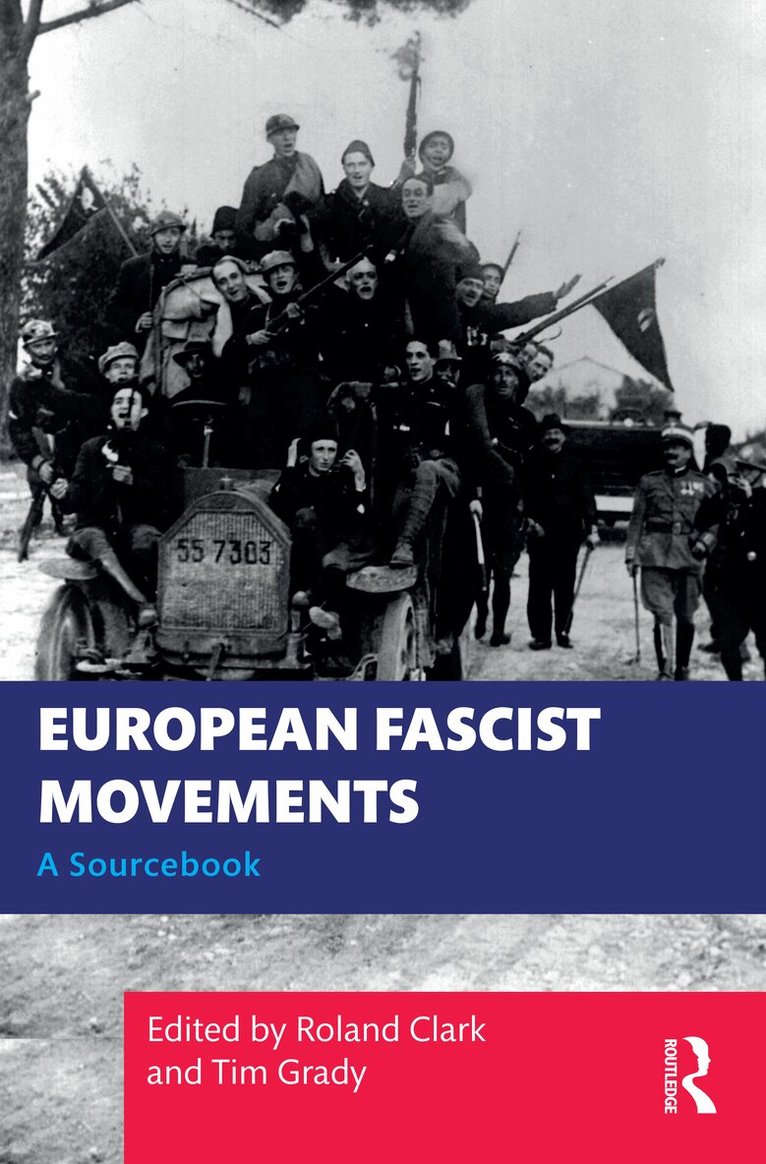
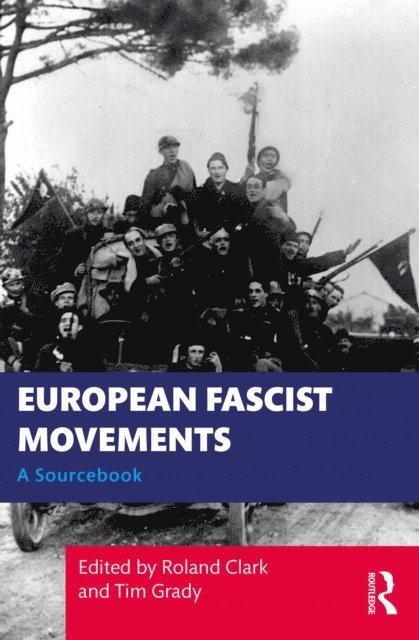
This volume offers a fresh and original collection of primary sources on interwar European fascist movements. These sources reflect new approaches to fascism that emphasise the practical, transnational experience of fascism as a social movement, contextualising ideological statements within the historical moments they were produced.Divided into 18 geographically based chapters, contributors draw together the history of various fascist and right-wing movements, selecting sources that reflect themes such as transnational ties, aesthetics, violence, female activism, and the instrumentalisation of race, gender, and religion. Each chapter provides a chronological, narrative account of movements interspersed with complete primary sources, from political speeches, internal movement circulars and articles, police reports, oral history, songs and music, photographs, artworks, poetry, and anti-fascist sources. The volume as a whole seeks to introduce readers to the diversity of fascist groups across the continent, to show how fascist groups were constituted through social bonds, rather than around fixed ideologies, and to capture the inexperience and ad hoc character of early fascist groups.With an Introduction that explains the volume’s theoretical approach and elaborates on the chronology of European fascism, this is the perfect sourcebook for any student of Modern European history and politics.The book is accompanied by a free app, available for download for iOS and Android from: https://www.liverpool.ac.uk/it/app-directory/fascistmovements/You can use the app to identify places where fascist groups were active during the 1920s and 1930s, and to get a glimpse of what life was like during ‘the age of fascism’. The app includes interactive maps, descriptions of 76 points of interest, and images for each point of interest.
537 kr
Skickas inom 10-15 vardagar
This volume offers a fresh and original collection of primary sources on interwar European fascist movements. These sources reflect new approaches to fascism that emphasise the practical, transnational experience of fascism as a social movement, contextualising ideological statements within the historical moments they were produced.Divided into 18 geographically based chapters, contributors draw together the history of various fascist and right-wing movements, selecting sources that reflect themes such as transnational ties, aesthetics, violence, female activism, and the instrumentalisation of race, gender, and religion. Each chapter provides a chronological, narrative account of movements interspersed with complete primary sources, from political speeches, internal movement circulars and articles, police reports, oral history, songs and music, photographs, artworks, poetry, and anti-fascist sources. The volume as a whole seeks to introduce readers to the diversity of fascist groups across the continent, to show how fascist groups were constituted through social bonds, rather than around fixed ideologies, and to capture the inexperience and ad hoc character of early fascist groups.With an Introduction that explains the volume’s theoretical approach and elaborates on the chronology of European fascism, this is the perfect sourcebook for any student of Modern European history and politics.The book is accompanied by a free app, available for download for iOS and Android from: https://www.liverpool.ac.uk/it/app-directory/fascistmovements/You can use the app to identify places where fascist groups were active during the 1920s and 1930s, and to get a glimpse of what life was like during ‘the age of fascism’. The app includes interactive maps, descriptions of 76 points of interest, and images for each point of interest.
562 kr
Skickas inom 7-10 vardagar
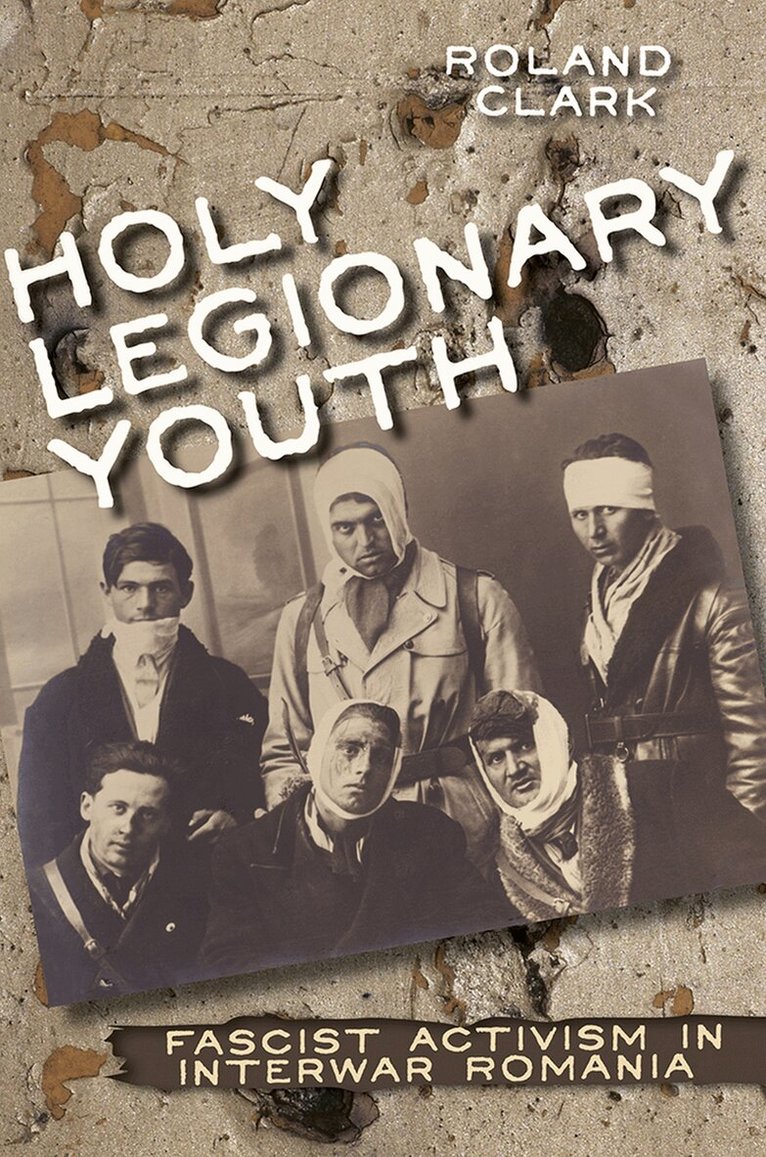
Founded in 1927, Romania's Legion of the Archangel Michael was one of Europe's largest and longest-lived fascist social movements. In Holy Legionary Youth, Roland Clark draws on oral histories, memoirs, and substantial research in the archives of the Romanian secret police to provide the most comprehensive account of the Legion in English to date. Clark approaches Romanian fascism by asking what membership in the Legion meant to young Romanian men and women. Viewing fascism "from below," as a social category that had practical consequences for those who embraced it, he shows how the personal significance of fascism emerged out of Legionaries' interactions with each other, the state, other political parties, families and friends, and fascist groups abroad. Official repression, fascist spectacle, and the frequency and nature of legionary activities changed a person's everyday activities and relationships in profound ways.Clark's sweeping history traces fascist organizing in interwar Romania to nineteenth-century grassroots nationalist movements that demanded political independence from the Austro-Hungarian Empire. It also shows how closely the movement was associated with the Romanian Orthodox Church and how the uniforms, marches, and rituals were inspired by the muscular, martial aesthetic of fascism elsewhere in Europe. Although antisemitism was a key feature of official fascist ideology, state violence against Legionaries rather than the extensive fascist violence against Jews had a far greater impact on how Romanians viewed the movement and their role in it. Approaching fascism in interwar Romania as an everyday practice, Holy Legionary Youth offers a new perspective on European fascism, highlighting how ordinary people "performed" fascism by working together to promote a unique and totalizing social identity.
Sectarianism and Renewal in 1920s Romania
The Limits of Orthodoxy and Nation-Building
Inbunden, Engelska, 2021
450 kr
Skickas
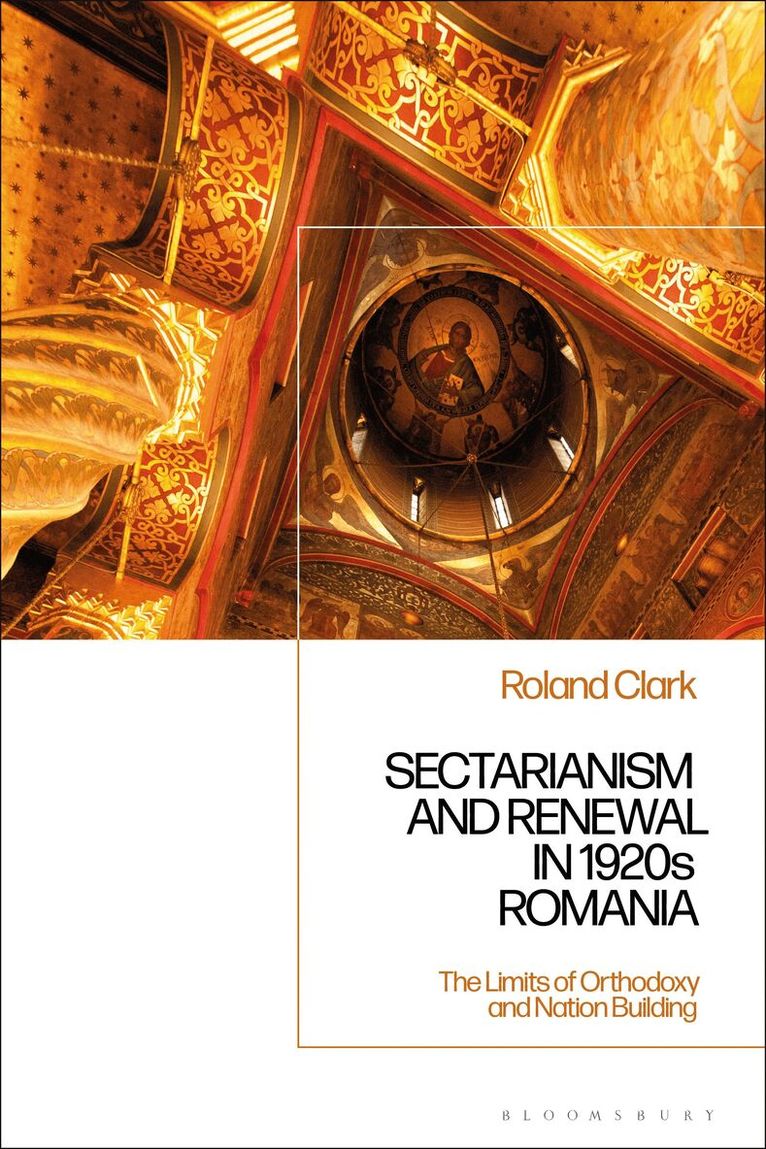
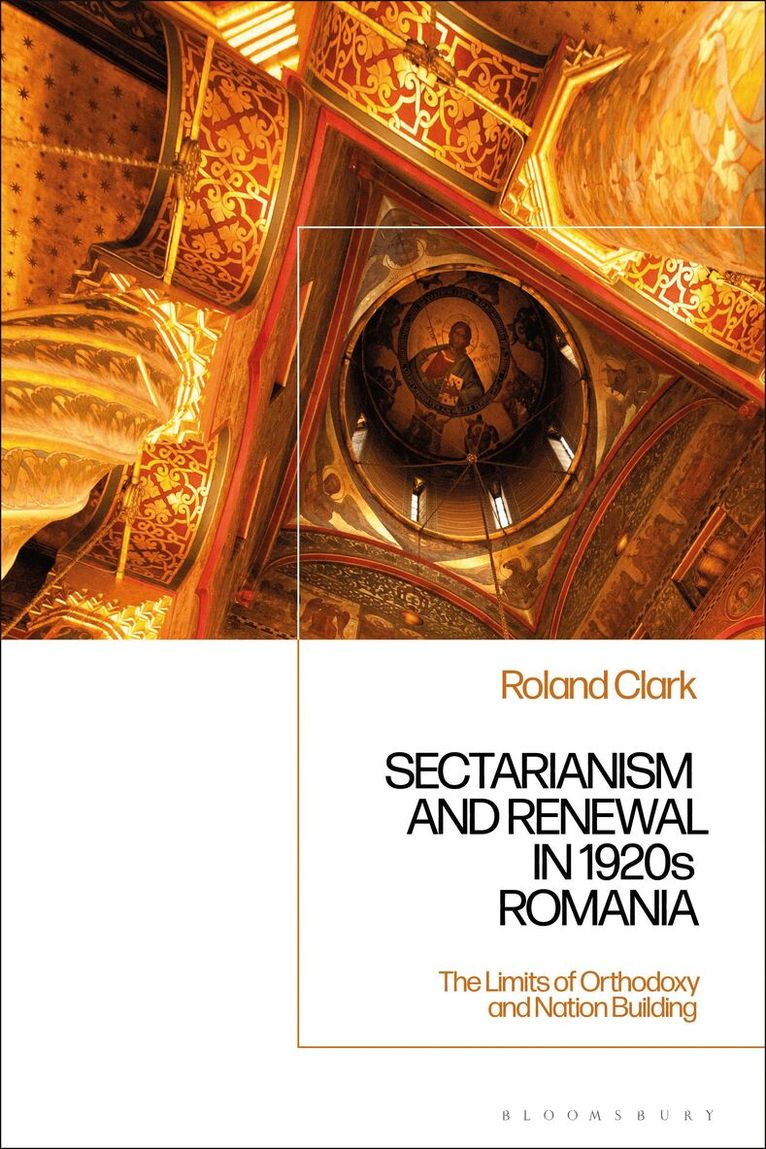
Winner of the George Blazyca Prize 2021The Romanian Orthodox Church expanded significantly after the First World War, yet Protestant Repenter and schismatic Orthodox movements such as Old Calendarism also grew exponentially during this period, terrifying church leaders who responded by sending missionary priests into the villages to combat sectarianism. Several lay renewal movements such as the Lord's Army and the Stork's Nest also appeared within the Orthodox Church, implicating large numbers of peasants and workers in tight-knit religious communities operating at the margins of Eastern Orthodoxy.Bringing the history of the Orthodox Church into dialogue with sectarianism, heresy, grassroots religious organization and nation-building, this open access book explores how competing religious groups in interwar Romania responded to and emerged out of similar catalysts, including rising literacy rates, new religious practices and a newly empowered laity inspired by universal male suffrage and a growing civil society who took control of community organizing. Roland Clark also analyses how Orthodox leaders used nationalism to attack sectarians as 'un-Romanian', whilst these groups remained indifferent to the claims the nation made on their souls.Situated at the intersection of transnational history, religious history and the history of reading, Sectarianism and Renewal in 1920s Romania challenges us to rethink the one-sided narratives about modernity and religious conflict in interwar Eastern Europe.The ebook editions are available under a CC BY-NC 3.0 licence on bloomsburycollections.com. Open access was funded by the University of Liverpool.
Sectarianism and Renewal in 1920s Romania
The Limits of Orthodoxy and Nation-Building
Häftad, Engelska, 2022
434 kr
Skickas inom 10-15 vardagar
Winner of the George Blazyca Prize 2021The Romanian Orthodox Church expanded significantly after the First World War, yet Protestant Repenter and schismatic Orthodox movements such as Old Calendarism also grew exponentially during this period, terrifying church leaders who responded by sending missionary priests into the villages to combat sectarianism. Several lay renewal movements such as the Lord's Army and the Stork's Nest also appeared within the Orthodox Church, implicating large numbers of peasants and workers in tight-knit religious communities operating at the margins of Eastern Orthodoxy.Bringing the history of the Orthodox Church into dialogue with sectarianism, heresy, grassroots religious organization and nation-building, this open access book explores how competing religious groups in interwar Romania responded to and emerged out of similar catalysts, including rising literacy rates, new religious practices and a newly empowered laity inspired by universal male suffrage and a growing civil society who took control of community organizing. Roland Clark also analyses how Orthodox leaders used nationalism to attack sectarians as 'un-Romanian', whilst these groups remained indifferent to the claims the nation made on their souls.Situated at the intersection of transnational history, religious history and the history of reading, Sectarianism and Renewal in 1920s Romania challenges us to rethink the one-sided narratives about modernity and religious conflict in interwar Eastern Europe.The ebook editions are available under a CC BY-NC 3.0 licence on bloomsburycollections.com. Open access was funded by the University of Liverpool.
203 kr
Skickas inom 5-8 vardagar