Rosa Andújar – Författare
Visar alla böcker från författaren Rosa Andújar. Handla med fri frakt och snabb leverans.
3 produkter
3 produkter
1 324 kr
Kommande
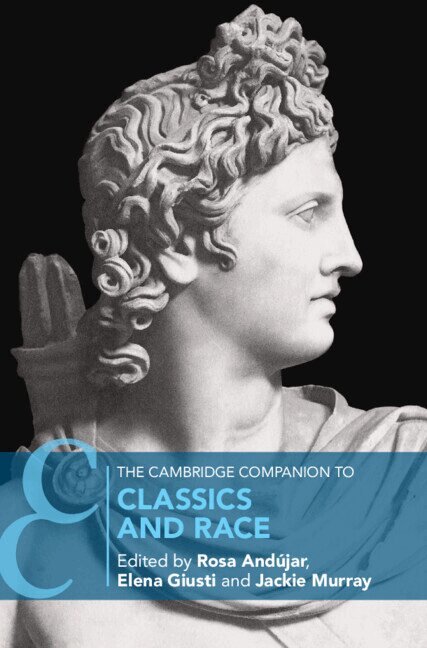
Race as a concept has had a fraught role in the history of Classics, woven into its formation as an academic discipline. While the texts and artefacts of the ancient Mediterranean world provide complex understandings of what race might mean and how it might operate, they have also provided fodder for modern racial ideologies. This Companion offers a wide-ranging and groundbreaking overview of 'race' and 'racism' in ancient Mediterranean cultures as well as in the formation of Classics as a discipline. Through twenty-four chapters written by a team of international scholars, it clarifies the terms and concepts that are central to contemporary theories of race and explores the extent to which they can be applied to the study of the ancient Mediterranean world, in and beyond Greece and Rome. It also showcases various concrete examples of how Classics has been shaped by the intertwined histories of race and colonialism.
410 kr
Kommande
Race as a concept has had a fraught role in the history of Classics, woven into its formation as an academic discipline. While the texts and artefacts of the ancient Mediterranean world provide complex understandings of what race might mean and how it might operate, they have also provided fodder for modern racial ideologies. This Companion offers a wide-ranging and groundbreaking overview of 'race' and 'racism' in ancient Mediterranean cultures as well as in the formation of Classics as a discipline. Through twenty-four chapters written by a team of international scholars, it clarifies the terms and concepts that are central to contemporary theories of race and explores the extent to which they can be applied to the study of the ancient Mediterranean world, in and beyond Greece and Rome. It also showcases various concrete examples of how Classics has been shaped by the intertwined histories of race and colonialism.
1 446 kr
Skickas inom 7-10 vardagar
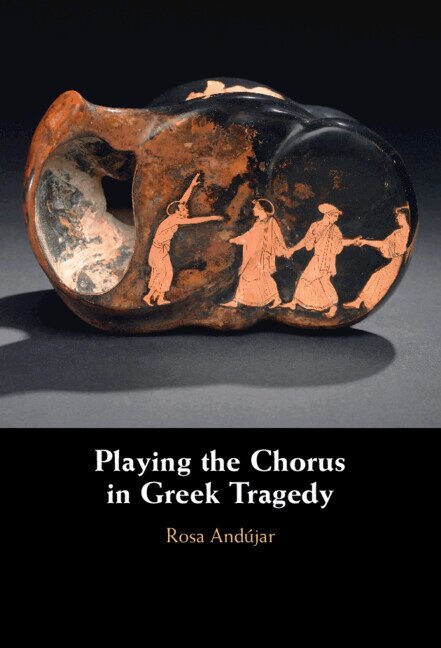
Modern audiences see the chorus as an emblematic yet static element of ancient Greek drama, whose reflective songs puncture the action. This is the first book to look beyond these odes to the group's complex and varied roles as actors and physical performers. It argues that the chorus' flexibility and interactive nature has been occluded by the desire from Aristotle onwards to assign the group a single formal role. It presents four choreographies that ancient playwrights employed across tragedy, satyr play, and comedy: fragmentation, augmentation, interruption, and interactivity. By illustrating how the chorus was split, augmented, interrupted, and placed in dialogue, this book shows how dramatists experimented with the chorus' configuration and continual presence. The multiple self-reflexive ways in which ancient dramatists staged the group confirms that the chorus was not only a nimble dramatic instrument, but also a laboratory for experimenting with a range of dramatic possibilities.