Rosemary Henze - Böcker
Visar alla böcker från författaren Rosemary Henze. Handla med fri frakt och snabb leverans.
8 produkter
8 produkter
1 476 kr
Skickas inom 10-15 vardagar
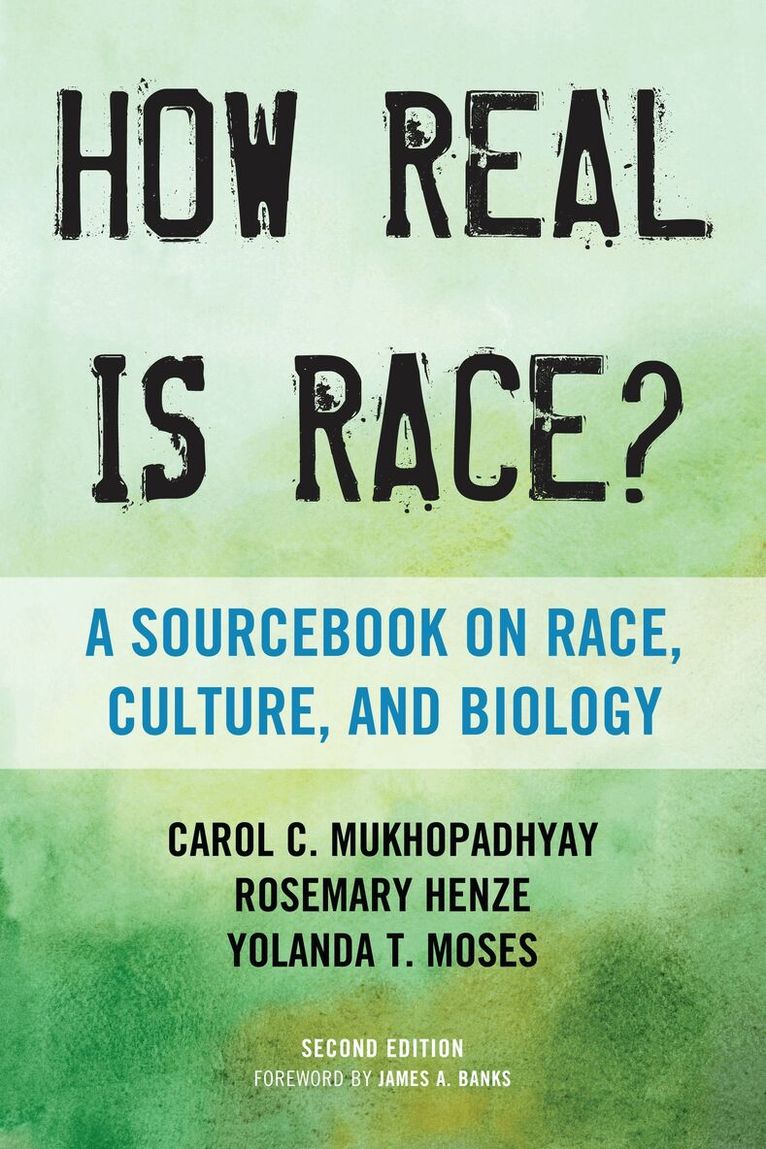
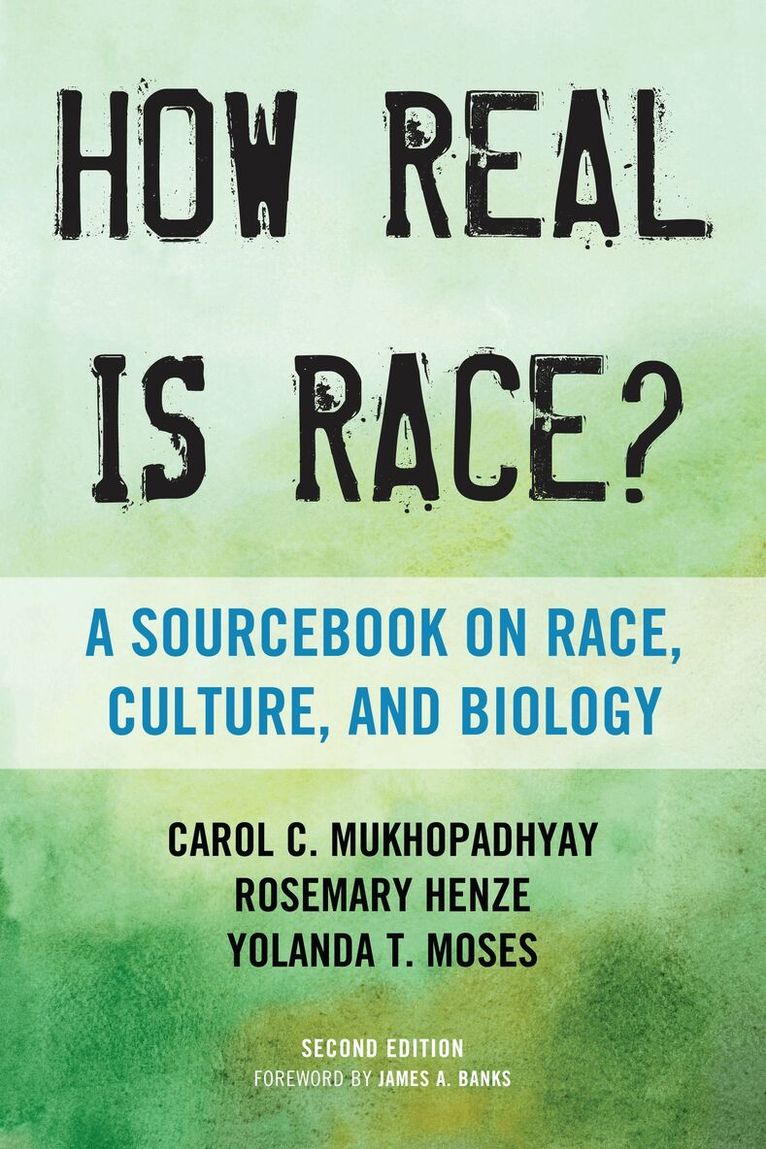
How real is race? What is biological fact, what is fiction, and where does culture enter? What do we mean by a “colorblind” or “postracial” society, or when we say that race is a “social construction”? If race is an invention, can we eliminate it? This book, now in its second edition, employs an activity-oriented approach to address these questions and engage readers in unraveling—and rethinking—the contradictory messages we so often hear about race.The authors systematically cover the myth of race as biology and the reality of race as a cultural invention, drawing on biocultural and cross-cultural perspectives. They then extend the discussion to hot-button issues that arise in tandem with the concept of race, such as educational inequalities; slurs and racialized labels; and interracial relationships. In so doing, they shed light on the intricate, dynamic interplay among race, culture, and biology.For an online supplement to How Real Is Race? Second Edition, click here.
742 kr
Skickas inom 10-15 vardagar
How real is race? What is biological fact, what is fiction, and where does culture enter? What do we mean by a “colorblind” or “postracial” society, or when we say that race is a “social construction”? If race is an invention, can we eliminate it? This book, now in its second edition, employs an activity-oriented approach to address these questions and engage readers in unraveling—and rethinking—the contradictory messages we so often hear about race.The authors systematically cover the myth of race as biology and the reality of race as a cultural invention, drawing on biocultural and cross-cultural perspectives. They then extend the discussion to hot-button issues that arise in tandem with the concept of race, such as educational inequalities; slurs and racialized labels; and interracial relationships. In so doing, they shed light on the intricate, dynamic interplay among race, culture, and biology.For an online supplement to How Real Is Race? Second Edition, click here.
Leading for Diversity
How School Leaders Promote Positive Interethnic Relations
Inbunden, Engelska, 2002
1 292 kr
Skickas inom 3-6 vardagar
"I strongly endorse this book and feel that it holds great promise for the field."Ray TerrellCoauthor of Cultural ProficiencyProactive leadership fosters strong interethnic communities! This timely volume provides powerful models of leadership that are effective in developing schools where positive interethnic relations can flourish. Countering the often-heard belief that troubled race relations are endemic to schools, author Rosemary Henze and her team of researchers face the issue head on by incorporating diversity issues into educational leadership. Schools are vehicles for change in race/ethnic relations when proactive leadership is developed and maintained.Vignettes and case studies allow you to assess and develop your leadership skills in interethnic relations by helping you to Recognize and develop their own leadership strengths in a diverse school Assess how organizational structures support or constrain positive relations Understand the nature of ethnic conflict or tension in your school Identify your school′s priority needs Develop a core vision of interethnic relations Create and implement a plan for promoting positive interethnic relations Document the effectiveness of your planThe broad concept of leadership presented here includes not only principals and administrators, but also teachers, parents, counselors, students, and community human relations professionals who emerge as leaders facing a range of issues—including gang violence, racial conflict, staff divisions, and other issues—that need to be addressed in the area of interethnic interactions. These representatives of schools with diverse populations form leadership teams able to speak out for real educational reform in reducing racism and prejudice in schools.
Leading for Diversity
How School Leaders Promote Positive Interethnic Relations
Häftad, Engelska, 2002
640 kr
Skickas inom 3-6 vardagar
"I strongly endorse this book and feel that it holds great promise for the field."Ray TerrellCoauthor of Cultural ProficiencyProactive leadership fosters strong interethnic communities! This timely volume provides powerful models of leadership that are effective in developing schools where positive interethnic relations can flourish. Countering the often-heard belief that troubled race relations are endemic to schools, author Rosemary Henze and her team of researchers face the issue head on by incorporating diversity issues into educational leadership. Schools are vehicles for change in race/ethnic relations when proactive leadership is developed and maintained.Vignettes and case studies allow you to assess and develop your leadership skills in interethnic relations by helping you to Recognize and develop their own leadership strengths in a diverse school Assess how organizational structures support or constrain positive relations Understand the nature of ethnic conflict or tension in your school Identify your school′s priority needs Develop a core vision of interethnic relations Create and implement a plan for promoting positive interethnic relations Document the effectiveness of your planThe broad concept of leadership presented here includes not only principals and administrators, but also teachers, parents, counselors, students, and community human relations professionals who emerge as leaders facing a range of issues—including gang violence, racial conflict, staff divisions, and other issues—that need to be addressed in the area of interethnic interactions. These representatives of schools with diverse populations form leadership teams able to speak out for real educational reform in reducing racism and prejudice in schools.
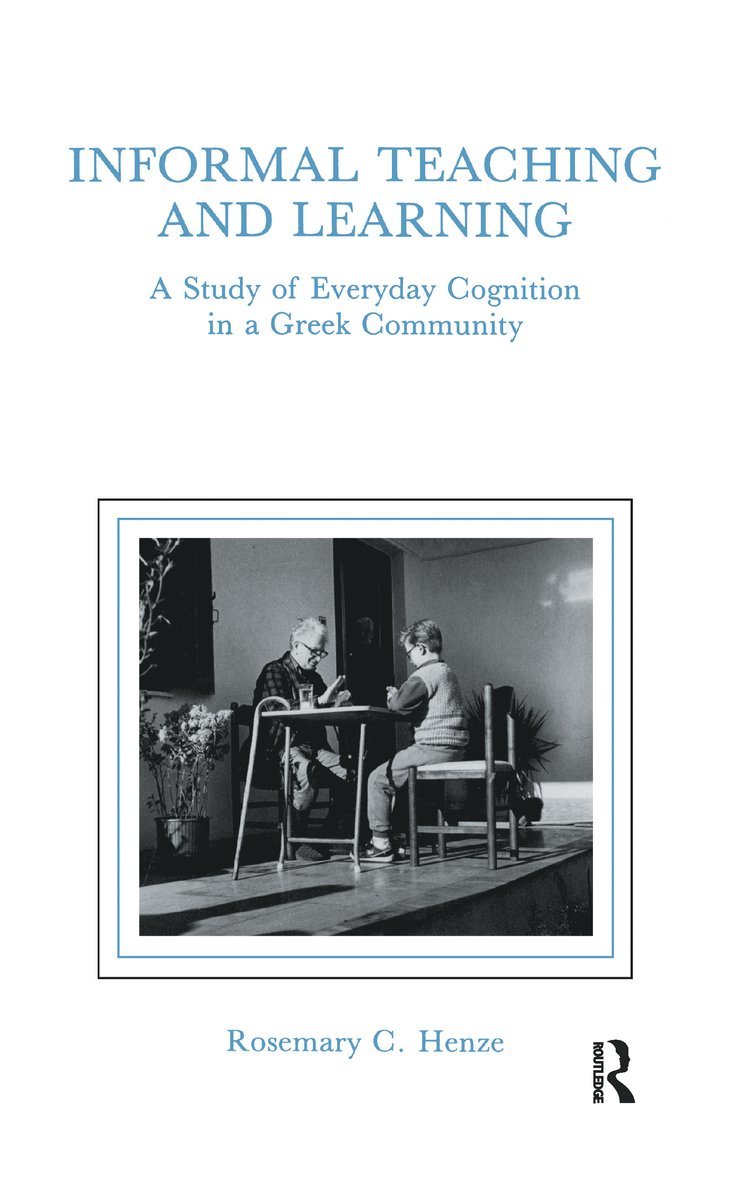
informal Teaching and Learning
A Study of Everyday Cognition in A Greek Community
Inbunden, Engelska, 1992
2 044 kr
Skickas inom 10-15 vardagar
Based on an ethnographic study conducted in a Greek community, this book celebrates the small ways people teach and learn while they are engaged in other, supposedly more important, activities. By examining the intricate ways in which knowledge and skills of everyday life are transmitted, it shows how family, community, and culture shape the cognitive world of learners. Beginning with a rich description of the community and its culture, the book then focuses on six contrasting episodes of informal instruction. Video and audiotaped scenes of learning to dance, learning to perform the healing art of cupping, and learning about kinship, for example, provide material for detailed analyses. The book demonstrates the interplay of culture and learning by exploring how the cultural theme of struggle and the use of different interpretive frames shaped informal instruction in this community and how, at the same time, processes of informal teaching and learning contributed to the evolving construction of culture by its members. Interpretive framing emerges as a key concept that studies of situated cognition must consider. Since formal and informal instruction are closely linked, the culturally specific ways of teaching and learning shown in informal instruction will help all educators meet the needs of diverse student bodies.
informal Teaching and Learning
A Study of Everyday Cognition in A Greek Community
Häftad, Engelska, 2016
692 kr
Skickas inom 10-15 vardagar
Based on an ethnographic study conducted in a Greek community, this book celebrates the small ways people teach and learn while they are engaged in other, supposedly more important, activities. By examining the intricate ways in which knowledge and skills of everyday life are transmitted, it shows how family, community, and culture shape the cognitive world of learners. Beginning with a rich description of the community and its culture, the book then focuses on six contrasting episodes of informal instruction. Video and audiotaped scenes of learning to dance, learning to perform the healing art of cupping, and learning about kinship, for example, provide material for detailed analyses. The book demonstrates the interplay of culture and learning by exploring how the cultural theme of struggle and the use of different interpretive frames shaped informal instruction in this community and how, at the same time, processes of informal teaching and learning contributed to the evolving construction of culture by its members. Interpretive framing emerges as a key concept that studies of situated cognition must consider. Since formal and informal instruction are closely linked, the culturally specific ways of teaching and learning shown in informal instruction will help all educators meet the needs of diverse student bodies.
408 kr
Skickas inom 10-15 vardagar
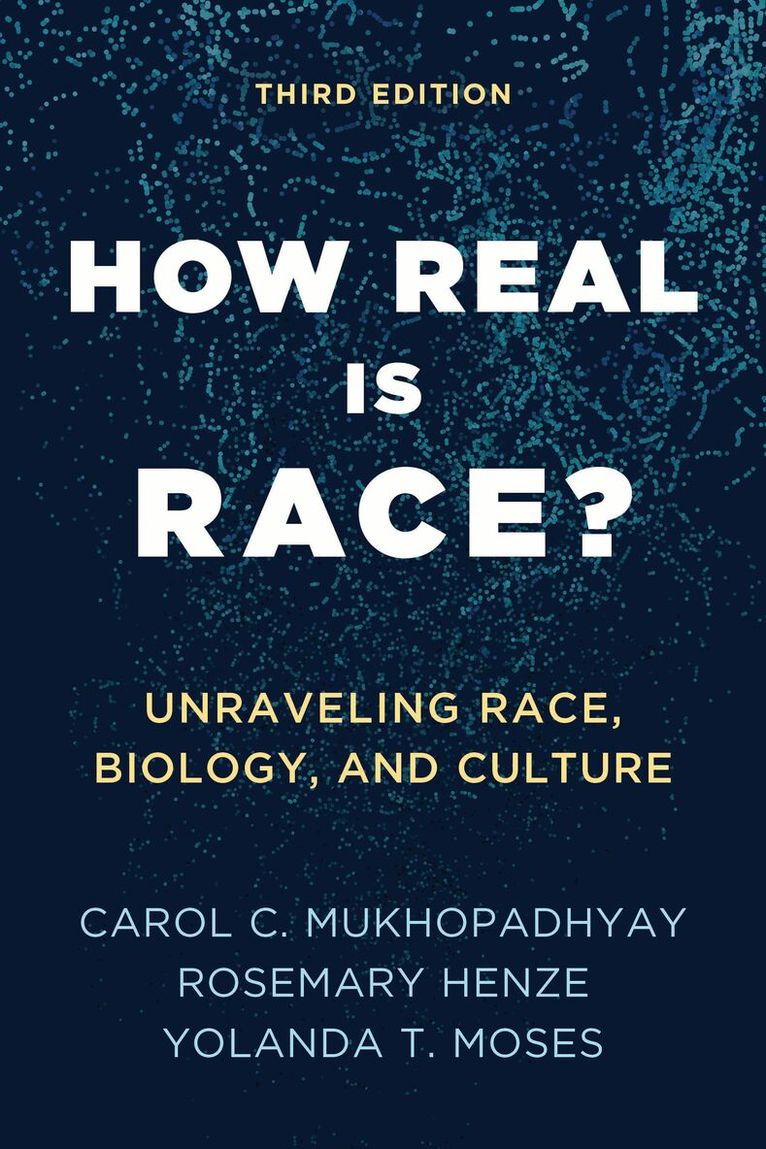
Biologically speaking, there is no such thing as race. Yet this seems to contradict the experiences of people in the United States and other countries where racial classification is used daily, by individuals and institutions. Race still matters, whether in wealth accumulation, educational achievement, health, the legal system, or in personal safety. How can race not be real when we experience its effects every day?Mukhopadhyay, Henze, and Moses systematically deconstruct the myth of race as biology and address the reality of race as a cultural invention, drawing on biocultural, historical, and cross-cultural anthropological perspectives. In doing so, they shed light on the intricate interplay among race, biology, culture, power, and stratification. Part I, “The Fallacy of Race as Biology,” unravels the myth that races are biologically valid divisions of humanity. Part II, “Culture Creates Race,” explores race as a social construction; the emergence ofthe racial worldview as ideological justification for inequality; and how social processes, especially restrictions on interracial sex and marriage, maintained visible markers of racial hierarchy. Part III, “Contemporary Issues,” examines current manifestations of racial stratification including the educational achievement gap, health disparities, and how the language of race embodies and reinforces a racial worldview.New to this Edition:· New Chapter 11, “Unpacking the Health Consequences of Racial Stratification,” explores the continuing impacts of the racial worldview on race-related health disparities, using the COVID-19 pandemic, maternal health and “weathering,” and exposure to environmental toxins as case studies· New Chapter 12, “Dismantling the Racial World View,” explores racial ideology, including language, and offers alternative approaches to racial language dilemmas.· Updated and expanded discussion of human evolution includes contemporary critiques and alternative scenarios of long-standing models of human evolution and emphasizes our collective African roots.· Updated and expanded coverage of genomics, DNA, epigenetic processes, and the enormous human variability at the molecular level, all challenging “nature” versus “nurture” models of how we become who we are. · New data on immigrants, languages, religions, socio-economic and regional racial-ethnic patterns, interracial marriage and other trends explores contemporary diversity in the United States and suggests traditional racial ideology and categories are becoming obsolete.
1 142 kr
Skickas inom 10-15 vardagar
Biologically speaking, there is no such thing as race. Yet this seems to contradict the experiences of people in the United States and other countries where racial classification is used daily, by individuals and institutions. Race still matters, whether in wealth accumulation, educational achievement, health, the legal system, or in personal safety. How can race not be real when we experience its effects every day?Mukhopadhyay, Henze, and Moses systematically deconstruct the myth of race as biology and address the reality of race as a cultural invention, drawing on biocultural, historical, and cross-cultural anthropological perspectives. In doing so, they shed light on the intricate interplay among race, biology, culture, power, and stratification. Part I, “The Fallacy of Race as Biology,” unravels the myth that races are biologically valid divisions of humanity. Part II, “Culture Creates Race,” explores race as a social construction; the emergence ofthe racial worldview as ideological justification for inequality; and how social processes, especially restrictions on interracial sex and marriage, maintained visible markers of racial hierarchy. Part III, “Contemporary Issues,” examines current manifestations of racial stratification including the educational achievement gap, health disparities, and how the language of race embodies and reinforces a racial worldview.New to this Edition:· New Chapter 11, “Unpacking the Health Consequences of Racial Stratification,” explores the continuing impacts of the racial worldview on race-related health disparities, using the COVID-19 pandemic, maternal health and “weathering,” and exposure to environmental toxins as case studies· New Chapter 12, “Dismantling the Racial World View,” explores racial ideology, including language, and offers alternative approaches to racial language dilemmas.· Updated and expanded discussion of human evolution includes contemporary critiques and alternative scenarios of long-standing models of human evolution and emphasizes our collective African roots.· Updated and expanded coverage of genomics, DNA, epigenetic processes, and the enormous human variability at the molecular level, all challenging “nature” versus “nurture” models of how we become who we are. · New data on immigrants, languages, religions, socio-economic and regional racial-ethnic patterns, interracial marriage and other trends explores contemporary diversity in the United States and suggests traditional racial ideology and categories are becoming obsolete.