Rosemary Kellison - Böcker
Visar alla böcker från författaren Rosemary Kellison. Handla med fri frakt och snabb leverans.
3 produkter
3 produkter
1 245 kr
Skickas inom 7-10 vardagar
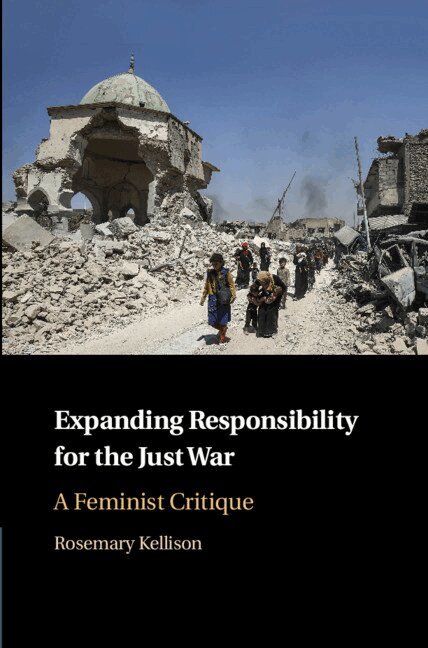
As demonstrated in any conflict, war is violent and causes grave harms to innocent persons, even when fought in compliance with just war criteria. In this book, Rosemary Kellison presents a feminist critique of just war reasoning, with particular focus on the issue of responsibility for harm to noncombatants. Contemporary just war reasoning denies the violence of war by suggesting that many of the harms caused by war are necessary, though regrettable, injuries for which inflicting agents bear no responsibility. She challenges this narrow understanding of responsibility through a feminist ethical approach that emphasizes the relationality of humans and the resulting asymmetries in their relative power and vulnerability. According to this approach, the powerful individual and collective agents who inflict harm during war are responsible for recognizing and responding to the vulnerable persons they harm, and thereby reducing the likelihood of future violence. Kellison's volume goes beyond abstract theoretical work to consider the real implications of an important ethical problem.
1 276 kr
Skickas inom 10-15 vardagar
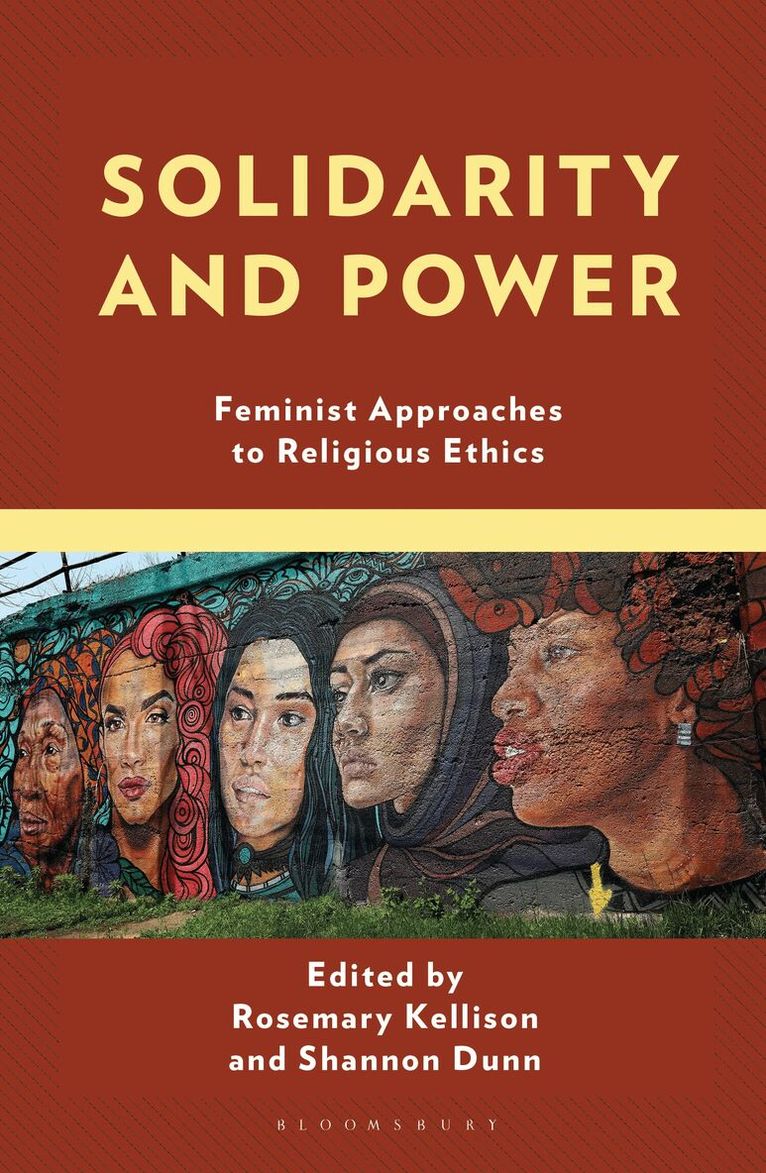
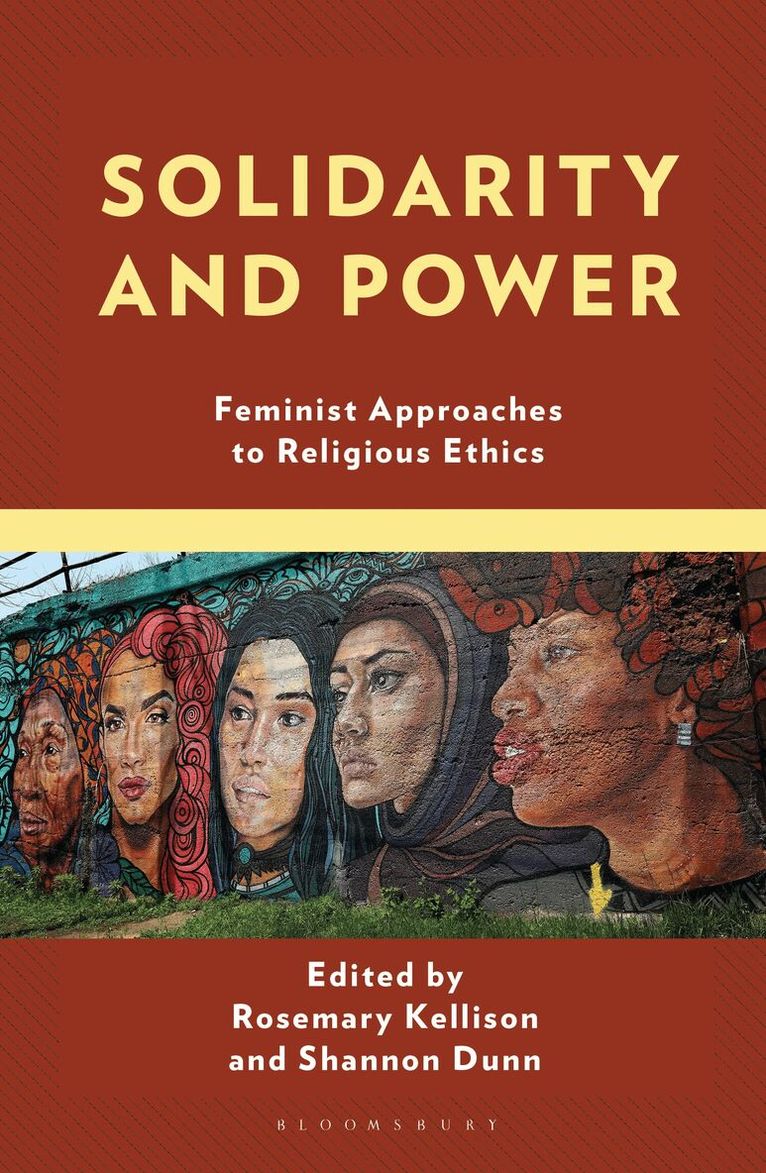
This volume illuminates the voices of a diverse group of contemporary feminist scholars from a wide range of religious traditions to demonstrate the value and necessity of feminist contributions to the field of ethics.Contributors explore questions and debates that have long perplexed religious ethicists, such as the relationship between descriptive (“how do we act?”) and normative (“how should we act?”) inquiry, and how those can be productively addressed by drawing on resources from feminist work. In addition to contributing to these scholarly conversations, the book highlights a number of case studies from different religious communities on various moral issues to actively demonstrate the ways in which feminist approaches enhance religious ethics’ contribution to religious studies, support the decolonization of religious ethics, and provide resources for innovative responses to these contemporary questions and debates.The themes of solidarity and power and the connecting threads throughout the volume. Historically, solidarity has been an essential aspect of justice-oriented political projects, but feminists’ critical attention to power and difference—including attention to who is allowed to speak for/with particular communities—simultaneously raises questions regarding the possibility of genuine solidarity. While religious ethicists have traditionally considered normative work to be a central aspect of the field of religious ethics, other scholars of religion have questioned whether scholarly attempts to forge solidarity and promote justice are themselves inevitably exercises of colonial power and control. The book explores the tensions and debates that arise from these considerations, ultimately suggesting that a feminist ethical approach enables scholarship that accounts for all of these concerns.Exploring critical issues such as abortion, poverty, the carceral state, war, sexual violence and abuse, race, and social justice movements, this volume provides accessible entry points for advanced undergraduates to contemplate the unique contributions of feminist and womanist scholarship. In addition, scholars, graduate students, and researchers will benefit not only from the book’s diverse set of examples, but from the contributors’ commitment to intervening in methodological and theoretical debates that continue to challenge thinkers in both religious ethics and the larger field of religious studies.
635 kr
Skickas inom 3-6 vardagar
This volume illuminates the voices of a diverse group of contemporary feminist scholars from a wide range of religious traditions to demonstrate the value and necessity of feminist contributions to the field of ethics.Contributors explore questions and debates that have long perplexed religious ethicists, such as the relationship between descriptive (“how do we act?”) and normative (“how should we act?”) inquiry, and how those can be productively addressed by drawing on resources from feminist work. In addition to contributing to these scholarly conversations, the book highlights a number of case studies from different religious communities on various moral issues to actively demonstrate the ways in which feminist approaches enhance religious ethics’ contribution to religious studies, support the decolonization of religious ethics, and provide resources for innovative responses to these contemporary questions and debates.The themes of solidarity and power and the connecting threads throughout the volume. Historically, solidarity has been an essential aspect of justice-oriented political projects, but feminists’ critical attention to power and difference—including attention to who is allowed to speak for/with particular communities—simultaneously raises questions regarding the possibility of genuine solidarity. While religious ethicists have traditionally considered normative work to be a central aspect of the field of religious ethics, other scholars of religion have questioned whether scholarly attempts to forge solidarity and promote justice are themselves inevitably exercises of colonial power and control. The book explores the tensions and debates that arise from these considerations, ultimately suggesting that a feminist ethical approach enables scholarship that accounts for all of these concerns.Exploring critical issues such as abortion, poverty, the carceral state, war, sexual violence and abuse, race, and social justice movements, this volume provides accessible entry points for advanced undergraduates to contemplate the unique contributions of feminist and womanist scholarship. In addition, scholars, graduate students, and researchers will benefit not only from the book’s diverse set of examples, but from the contributors’ commitment to intervening in methodological and theoretical debates that continue to challenge thinkers in both religious ethics and the larger field of religious studies.