Shannon Dunn - Böcker
Visar alla böcker från författaren Shannon Dunn. Handla med fri frakt och snabb leverans.
4 produkter
4 produkter
685 kr
Skickas inom 5-8 vardagar
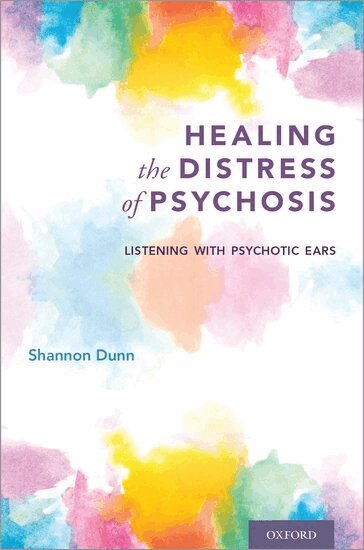
Even among mental health clinicians, the communications of individuals experiencing psychosis have historically been considered mysterious, bizarre, and invalid. These judgmental, inaccurate interpretations and accusatory attitudes can cause iatrogenic trauma, a significant obstacle to recovery. Healing the Distress of Psychosis focuses on practice-based and evidence-informed interventions to effectively understand and communicate with people who are experiencing psychotic symptoms. The text thoughtfully describes: the experience of psychosis, as well as the unique intervention method of fostering the therapeutic relationship; and the psychotic thought process from neurological, linguistic, and existential-psychological perspectives. Mental health professionals, individuals with lived psychotic experiences, and their family members and loved ones will find this book to be a strong and accurate voice that highlights the past and present disappointments in mainstream public mental health treatment, while delivering hope in creating a secure, self-determined life.
345 kr
Skickas inom 3-6 vardagar
1 276 kr
Skickas inom 10-15 vardagar
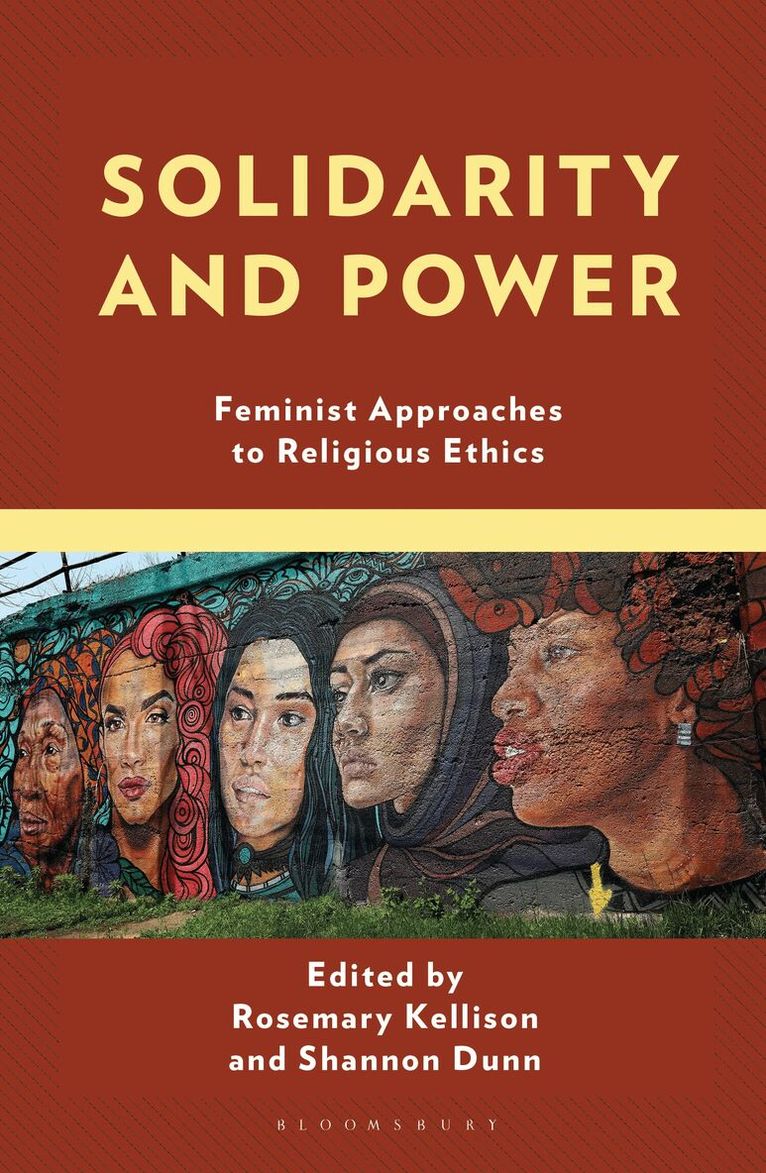
This volume illuminates the voices of a diverse group of contemporary feminist scholars from a wide range of religious traditions to demonstrate the value and necessity of feminist contributions to the field of ethics.Contributors explore questions and debates that have long perplexed religious ethicists, such as the relationship between descriptive (“how do we act?”) and normative (“how should we act?”) inquiry, and how those can be productively addressed by drawing on resources from feminist work. In addition to contributing to these scholarly conversations, the book highlights a number of case studies from different religious communities on various moral issues to actively demonstrate the ways in which feminist approaches enhance religious ethics’ contribution to religious studies, support the decolonization of religious ethics, and provide resources for innovative responses to these contemporary questions and debates.The themes of solidarity and power and the connecting threads throughout the volume. Historically, solidarity has been an essential aspect of justice-oriented political projects, but feminists’ critical attention to power and difference—including attention to who is allowed to speak for/with particular communities—simultaneously raises questions regarding the possibility of genuine solidarity. While religious ethicists have traditionally considered normative work to be a central aspect of the field of religious ethics, other scholars of religion have questioned whether scholarly attempts to forge solidarity and promote justice are themselves inevitably exercises of colonial power and control. The book explores the tensions and debates that arise from these considerations, ultimately suggesting that a feminist ethical approach enables scholarship that accounts for all of these concerns.Exploring critical issues such as abortion, poverty, the carceral state, war, sexual violence and abuse, race, and social justice movements, this volume provides accessible entry points for advanced undergraduates to contemplate the unique contributions of feminist and womanist scholarship. In addition, scholars, graduate students, and researchers will benefit not only from the book’s diverse set of examples, but from the contributors’ commitment to intervening in methodological and theoretical debates that continue to challenge thinkers in both religious ethics and the larger field of religious studies.
635 kr
Skickas inom 3-6 vardagar
This volume illuminates the voices of a diverse group of contemporary feminist scholars from a wide range of religious traditions to demonstrate the value and necessity of feminist contributions to the field of ethics.Contributors explore questions and debates that have long perplexed religious ethicists, such as the relationship between descriptive (“how do we act?”) and normative (“how should we act?”) inquiry, and how those can be productively addressed by drawing on resources from feminist work. In addition to contributing to these scholarly conversations, the book highlights a number of case studies from different religious communities on various moral issues to actively demonstrate the ways in which feminist approaches enhance religious ethics’ contribution to religious studies, support the decolonization of religious ethics, and provide resources for innovative responses to these contemporary questions and debates.The themes of solidarity and power and the connecting threads throughout the volume. Historically, solidarity has been an essential aspect of justice-oriented political projects, but feminists’ critical attention to power and difference—including attention to who is allowed to speak for/with particular communities—simultaneously raises questions regarding the possibility of genuine solidarity. While religious ethicists have traditionally considered normative work to be a central aspect of the field of religious ethics, other scholars of religion have questioned whether scholarly attempts to forge solidarity and promote justice are themselves inevitably exercises of colonial power and control. The book explores the tensions and debates that arise from these considerations, ultimately suggesting that a feminist ethical approach enables scholarship that accounts for all of these concerns.Exploring critical issues such as abortion, poverty, the carceral state, war, sexual violence and abuse, race, and social justice movements, this volume provides accessible entry points for advanced undergraduates to contemplate the unique contributions of feminist and womanist scholarship. In addition, scholars, graduate students, and researchers will benefit not only from the book’s diverse set of examples, but from the contributors’ commitment to intervening in methodological and theoretical debates that continue to challenge thinkers in both religious ethics and the larger field of religious studies.