Roxane Richter - Böcker
Visar alla böcker från författaren Roxane Richter. Handla med fri frakt och snabb leverans.
3 produkter
3 produkter
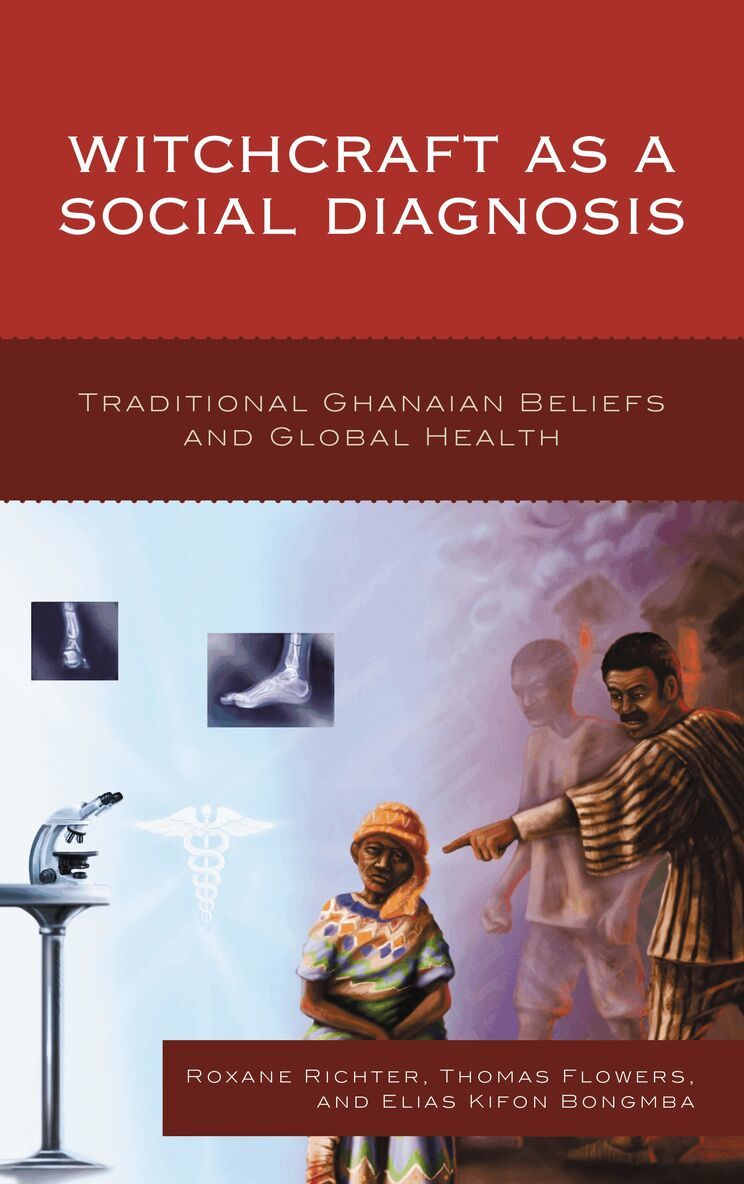
Witchcraft as a Social Diagnosis
Traditional Ghanaian Beliefs and Global Health
Häftad, Engelska, 2020
502 kr
Skickas inom 10-15 vardagar
This interdisciplinary manuscript examines one nonprofit’s five years of medical outreach in the condemned witches village of Gnani in Ghana, focusing on the clashes between traditional Ghanaian beliefs, African religious tenets, and contemporary Western medical science. The research draws upon 1,714 patient interventions and 95 personal interviews, exposing the inherent challenges of separating indigenous beliefs surrounding fate and witchcraft convictions from contemporary interpretations of biological pathogens, structural and gender-based violence, and evidence-based medicine. This book offers a novel perspective on witchcraft as it examines questions of stigmatization in order to extrapolate how disease, injury, and illness relate to social condition and the dialogue surrounding witchcraft. These unprecedented insights will serve to uncover and explore rural Ghanaian challenges in gender-based violence, religion, legal and political tenets, human rights, and medical science and their many implications for those in search of health parity, social justice, gender equity, and human rights.
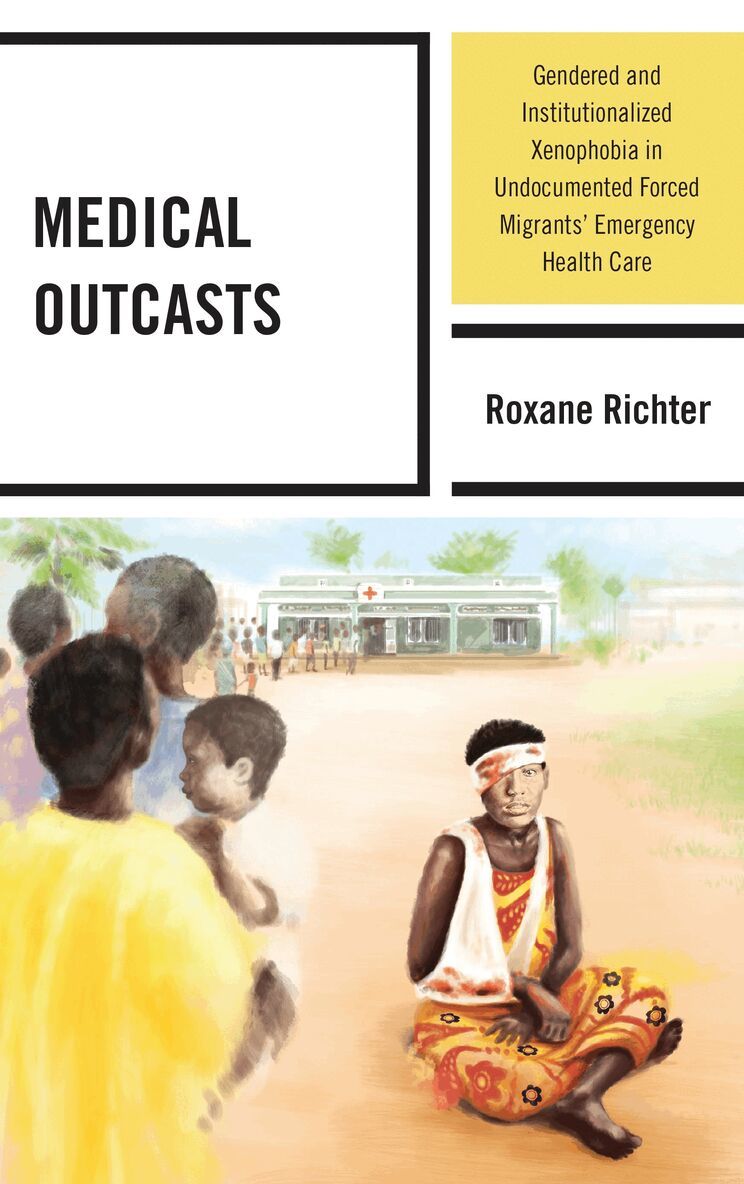
Medical Outcasts
Gendered and Institutionalized Xenophobia in Undocumented Forced Migrants' Emergency Health Care
Inbunden, Engelska, 2015
1 209 kr
Skickas inom 10-15 vardagar
As witnessed through the firsthand experiences of a frontline activist and international medical aid practitioner, this biosocial political study gives voice to the inequities in undocumented Mexican and Zimbabwean women’s emergency healthcare access and treatment in Houston, United States of America, and Johannesburg, South Africa. As a construct of feminist transdisciplinary fieldwork, this research utilizes methodological pluralism and biosocial disparities to examine constructs of “social determinants” or “social origins” of women’s suffering, disease, and healthcare access. These variables include gender inequity, xenophobia, structural violence, political economy subjugation, healthcare access and delivery disparities, and human rights violations. Illustrated through 24 purposive interviews, this seven-year study shows Zimbabwean women sought out emergency care at a rate 16 times higher than their Mexican counterparts—but reported lower instances of domestic violence and depression. Most notably, the Zimbabwean women reported communicable diseases at double the rate of the interviewed Latinas. However, the most surprising finding of the study was the high number of Mexican women, some 60%, who cited depression as one of their indications for seeking emergency healthcare. The study indicated that the reality of many forced migrants’ experiences in claiming their accorded healthcare rights was more theoretical than practical in its distribution and disposition. Particularly, sovereign freedom and civil justice were not being conferred to these women according to the two host country’s mandated Constitutional precepts, and/or emergency medical aid mandates, and social, gender, aid, and human rights justice directives. Thus the role of government in shaping these systemic and institutionalized ideologies will be examined, as well as paradigms that effect national healthcare expenditures, subsidies, and public health risks. The intention of this study is not to provide definitive recommendations of specific forced migration policies that have a civic and/or partisan duty to be executed, but rather to serve as an illustration of how these social tenets, inequitable power relations, and political economy subjugation directly impact socioeconomically disadvantaged women’s health, livelihood, and human rights.
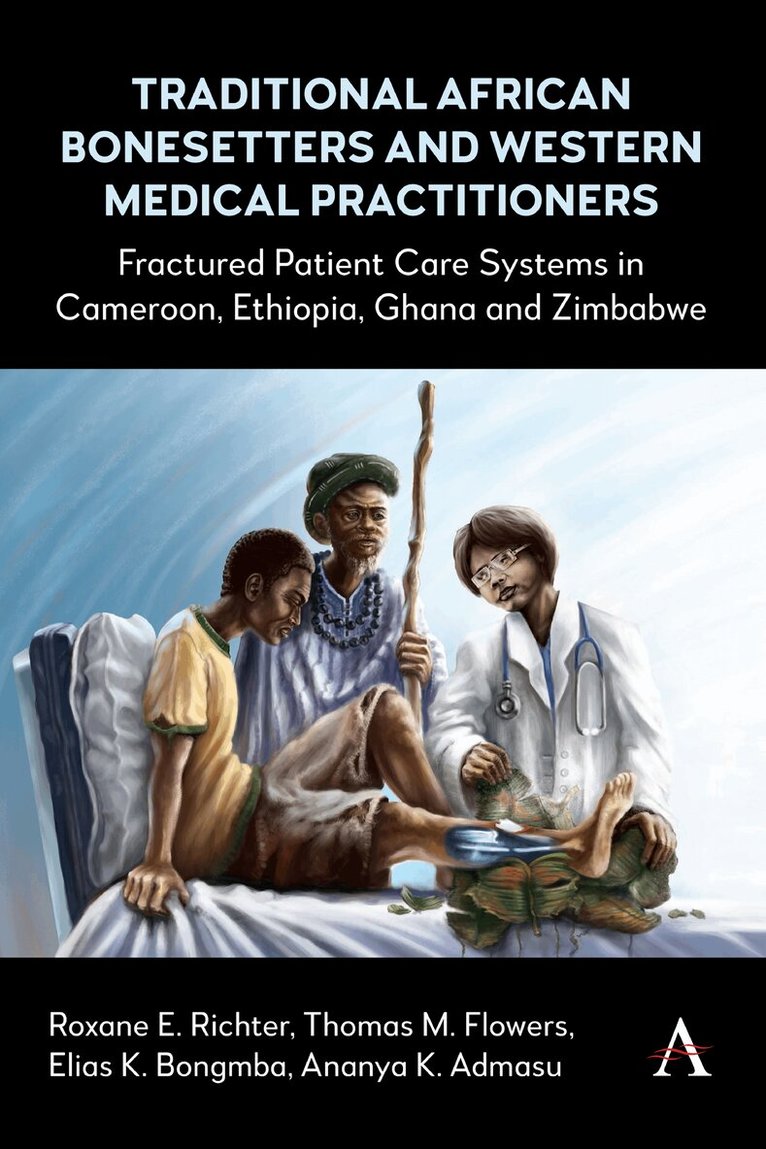
Traditional African Bonesetters and Western Medical Practitioners
Fractured Patient Care Systems in Cameroon, Ethiopia, Ghana and Zimbabwe
Inbunden, Engelska, 2026
1 204 kr
Kommande
Traditional bone setting (TBS) has long held a prominent sway in African healthcare, particularly in the more remote and pastoral expanses of Africa. This unique interdisciplinary religious, human rights, and sociological study of medicine manuscript is an examination of not only generationally inherited ethnobotanical, pharmacognosy TBS traditions but also direct observations on how current surgical orthopedic medicine and modern-day social mechanisms clash with traditional healthcare approaches in contemporaneous and inexorable ways. Whether intentionally or not, this entrenched two-tier infrastructure supports, promotes, and maintains a fiscally and socially alienated infrastructure: one that serves the poor general public and the other that is oriented toward serving the prosperous and powerful urban class. Some argue that these disparate structures are destined to remain grassroots-based adversaries, due to systemic mistrust, irreconcilable intellectual and spiritual beliefs, and possible biochemical appropriations. These ensuing biomedical collisions between “Western” orthopedic trauma care and traditional bonesetters in Cameroon (Central Africa), Ethiopia (East Africa), Ghana (West Africa), and Zimbabwe (South Africa) were documented over eight years via one-on-one interviews with TBS patients, practicing bonesetters, and in-country practicing orthopedic surgeons; evidence-based ethnobotanical research; and patient service preferences.