Thomas Flowers – författare
Visar alla böcker från författaren Thomas Flowers. Handla med fri frakt och snabb leverans.
3 produkter
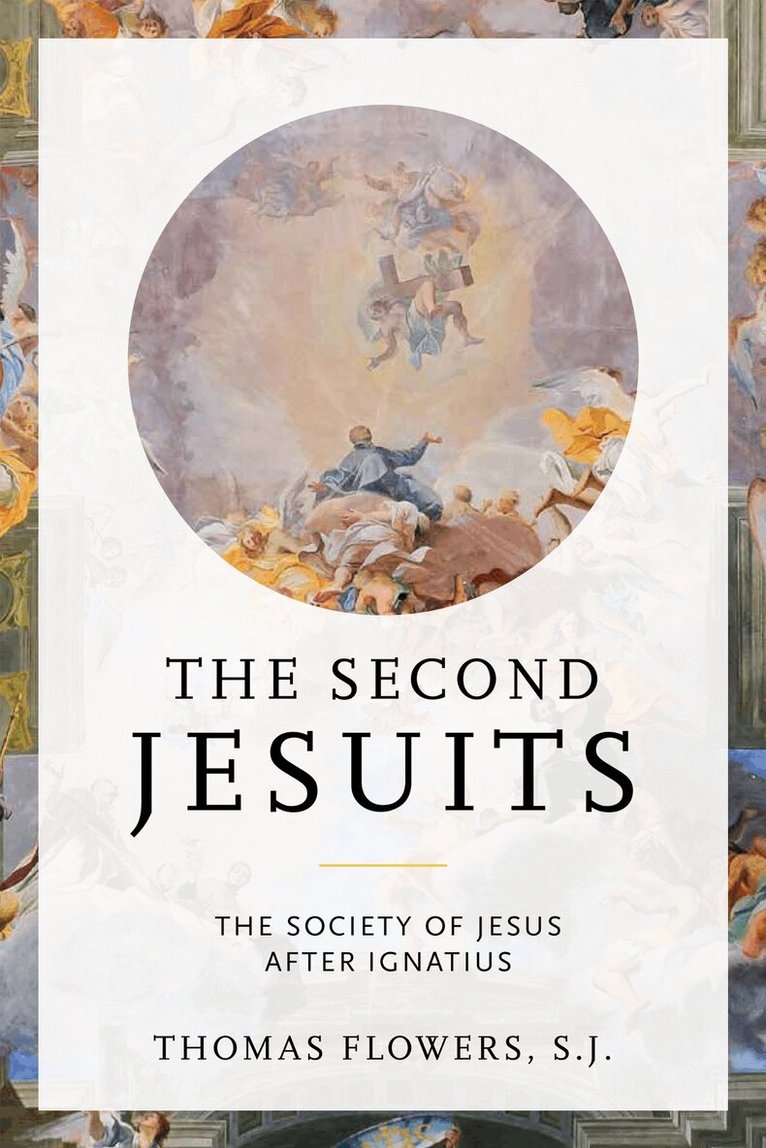
Second Jesuits
The Society of Jesus After Ignatius
Inbunden, 2027
692 kr
Kommande
Ignatius of Loyola founded the Society of Jesus, but it was his successors who cemented the order's place in history. In The Second Jesuits, Thomas Flowers, S.J., argues that the Society of Jesus's survival and global identity depended on its second generation, a group of twenty men he labels the …
God's Invitation
Meditations on a Covenant Relationship
Häftad, 2011
124 kr
Lägg i varukorg
“This is a book about God: the God I know, the God whom Israel knew, the God who longs to be known ever more deeply.” Thomas Flowers makes the startling claim that impiety, rather than piety, seems to be necessary if we are to be in a deep relationship with the Lord. People in the Old Testament “do …
Witchcraft as a Social Diagnosis
Traditional Ghanaian Beliefs and Global Health
Av Roxane Richter, Thomas Flowers m. fl.
Häftad, 2020
531 kr
Lägg i varukorg
This interdisciplinary manuscript examines one nonprofit’s five years of medical outreach in the condemned witches village of Gnani in Ghana, focusing on the clashes between traditional Ghanaian beliefs, African religious tenets, and contemporary Western medical science. The research draws upon …