Roy Rosenzweig – författare
Visar alla böcker från författaren Roy Rosenzweig. Handla med fri frakt och snabb leverans.
17 produkter
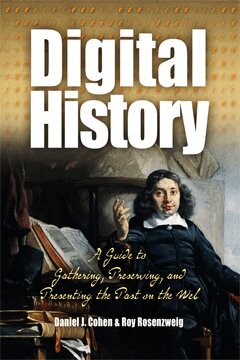
Digital History
A Guide to Gathering, Preserving, and Presenting the Past on the Web
Av Daniel Cohen, Roy Rosenzweig
Häftad, 2005
401 kr
Lägg i varukorg
Selected by Choice magazine as an Outstanding Academic TitleDigital History: A Guide to Gathering, Preserving, and Presenting the Past on the Web provides for the first time a plainspoken and thorough introduction to the web for historians-teachers and students, archivists and museum curators, …
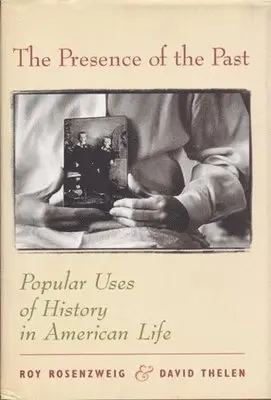
The Presence of the Past
Popular Uses of History in American Life
Av Roy Rosenzweig, David Thelen
Inbunden, 1998
2293 kr
Lägg i varukorg
Some people make photo albums, collect antiques, or visit historic battlefields. Others keep diaries, plan annual family gatherings, or stitch together patchwork quilts in a tradition learned from grandparents. Each of us has ways of communing with the past, and our reasons for doing so are as …
The Presence of the Past
Popular Uses of History in American Life
Av Roy Rosenzweig, David Thelen
Häftad, 2000
304 kr
Lägg i varukorg
Some people make photo albums, collect antiques, or visit historic battlefields. Others keep diaries, plan annual family gatherings, or stitch together patchwork quilts in a tradition learned from grandparents. Each of us has ways of communing with the past, and our reasons for doing so are as …
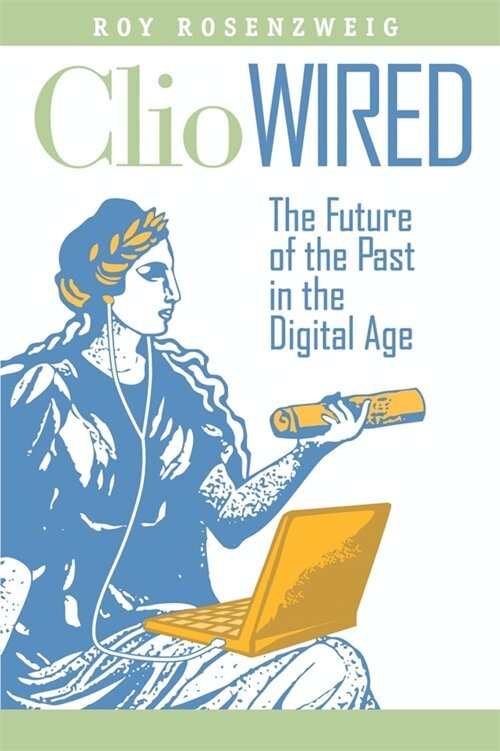
Clio Wired
The Future of the Past in the Digital Age
Häftad, 2011
304 kr
Lägg i varukorg
In these pathbreaking essays, Roy Rosenzweig charts the impact of new media on teaching, researching, preserving, presenting, and understanding history. Negotiating between the "cyberenthusiasts" who champion technological breakthroughs and the "digital skeptics" who fear the end of traditional …
Clio Wired
The Future of the Past in the Digital Age
Inbunden, 2011
2293 kr
Lägg i varukorg
In these pathbreaking essays, Roy Rosenzweig charts the impact of new media on teaching, researching, preserving, presenting, and understanding history. Negotiating between the "cyberenthusiasts" who champion technological breakthroughs and the "digital skeptics" who fear the end of traditional …
Clio Wired
The Future of the Past in the Digital Age
E-bok, 2011
464 kr
Lägg i varukorg
In these visionary essays, Roy Rosenzweig charts the impact of new media on teaching, researching, preserving, presenting, and understanding history. Negotiating between the "cyberenthusiasts" who champion technological breakthroughs and the "digitalskeptics" who fear the end of traditional …
History Museums in the United States
A CRITICAL ASSESSMENT
Av Warren Leon, Roy Rosenzweig
Häftad, 1989
323 kr
Lägg i varukorg
Every year 100 million visitor’s tour historic houses and re-created villages, examine museum artifacts, and walk through battlefields. But what do they learn? What version of the past are history museums offering to the public? And how well do these institutions reflect the latest historical …
Eight Hours for What We Will
Workers and Leisure in an Industrial City, 1870-1920
Av Roy Rosenzweig, Robert Fogel m. fl.
Häftad, 1985
358 kr
Lägg i varukorg
In the first comprehensive study of American working-class recreation, Professor Rosenzweig takes us to the saloons, the ethnic and church picnics, the parks and playgrounds, the amusement parks, and the movie houses where industrial workers spent their leisure hours. Focusing on the city of …
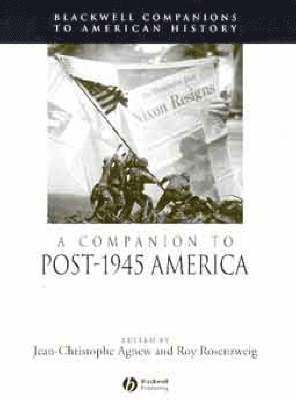
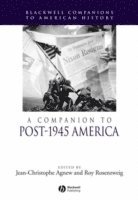
Companion to Post-1945 America
Av Jean-Christophe Agnew, Roy Rosenzweig
Inbunden, 2002
2664 kr
Lägg i varukorg
A Companion to Post-1945 America is an original collection of 34 essays by key scholars on the history and historiography of Post-1945 America. Covers society and culture, people and movements, politics and foreign policySurveys and evaluates the best scholarship on every important era and …
Park and the People
A History of Central Park
Av Roy Rosenzweig, Elizabeth Blackmar
Häftad, 1998
455 kr
Lägg i varukorg
This "exemplary social history" (Kirkus Reviews) is the first full-scale account of Central Park ever published. Elizabeth Blackmar and Roy Rosenzweig tell the story of Central Park's people—the merchants and landowners who launched the project; the immigrant and African-American residents who were …
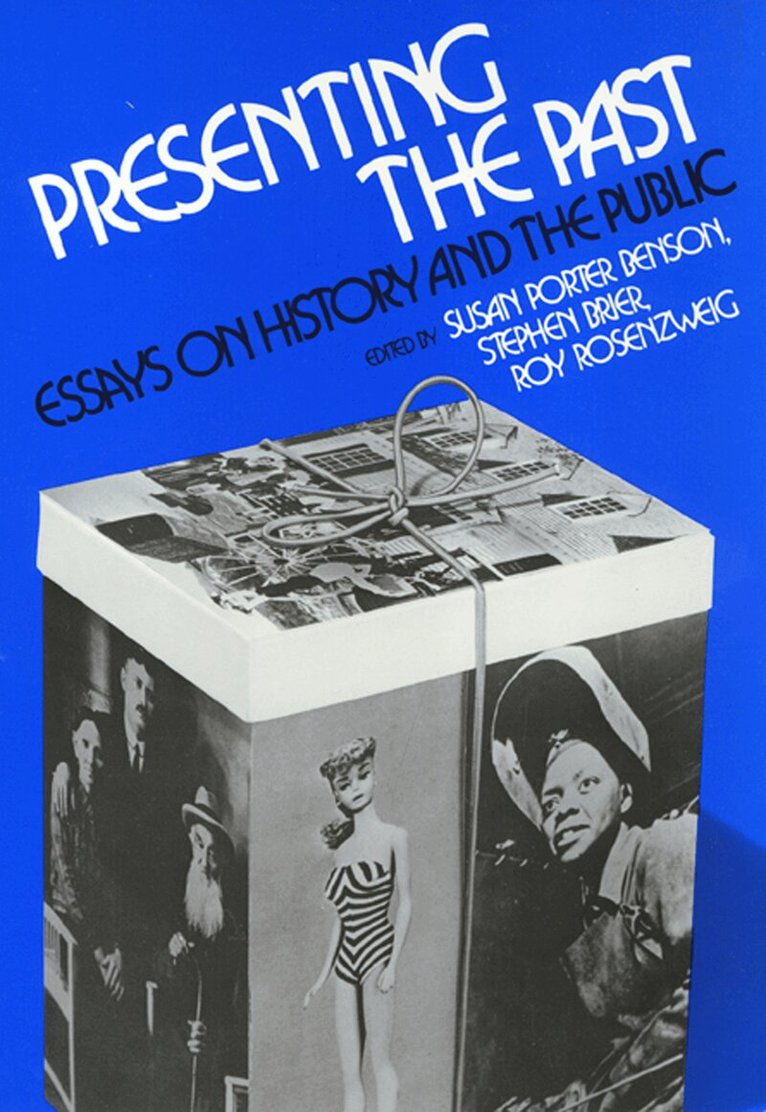
Presenting the Past
Essays on History and the Public
Häftad, 1986
426 kr
Lägg i varukorg
Lively and accessible essays examine the rapidly growing field called "public history"
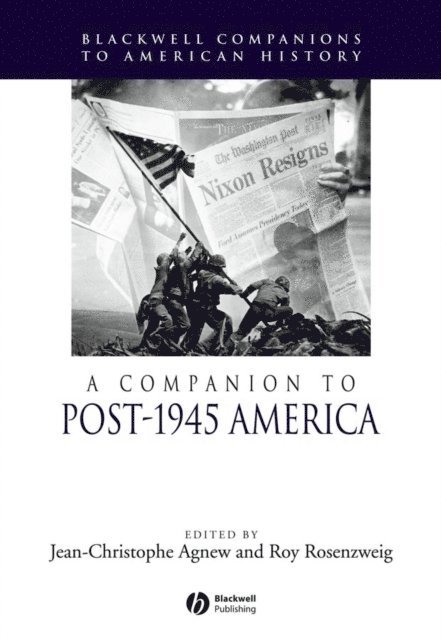
Companion to Post-1945 America
Av Roy Rosenzweig, Jean-Christophe Agnew
E-bok, 2008
3121 kr
Lägg i varukorg
A Companion to Post-1945 America is an original collection of 34 essays by key scholars on the history and historiography of Post-1945 America. Covers society and culture, people and movements, politics and foreign policy Surveys and evaluates the best scholarship on every important era and topic …
Companion to Post-1945 America
Av Agnew, Rosenzweig m. fl.
Häftad, 2005
668 kr
Lägg i varukorg
A Companion to Post-1945 America is an original collection of 34 essays by key scholars on the history and historiography of Post-1945 America. Covers society and culture, people and movements, politics and foreign policySurveys and evaluates the best scholarship on every important era and …
Companion to Post-1945 America
Av Roy Rosenzweig, Jean-Christophe Agnew
E-bok, 2012
3037 kr
Lägg i varukorg
A Companion to Post-1945 America is an original collection of 34 essays by key scholars on the history and historiography of Post-1945 America. Covers society and culture, people and movements, politics and foreign policy Surveys and evaluates the best scholarship on every important era and topic …
Government and the Arts in Thirties America
A Guide to Oral Histories and Other Research Materials
Inbunden, 1986
797 kr
Tillfälligt slut
This unique volume makes accessible for the first time an index of more than 1,000 interviews relating to Depression era arts projects.
Government and the Arts in Thirties America
A Guide to Oral Histories and Other Research Materials
Häftad, 1986
541 kr
Tillfälligt slut
Companion to Post-1945 America
Av JC Agnew, Jean-Christophe Agnew m. fl.
E-bok, 2008
254 kr
Tillfälligt slut
A Companion to Post-1945 America is an original collection of 34 essays by key scholars on the history and historiography of Post-1945 America. * Covers society and culture, people and movements, politics and foreign policy * Surveys and evaluates the best scholarship on every important era and …