Rui Carvalho Homem – författare
Visar alla böcker från författaren Rui Carvalho Homem. Handla med fri frakt och snabb leverans.
5 produkter
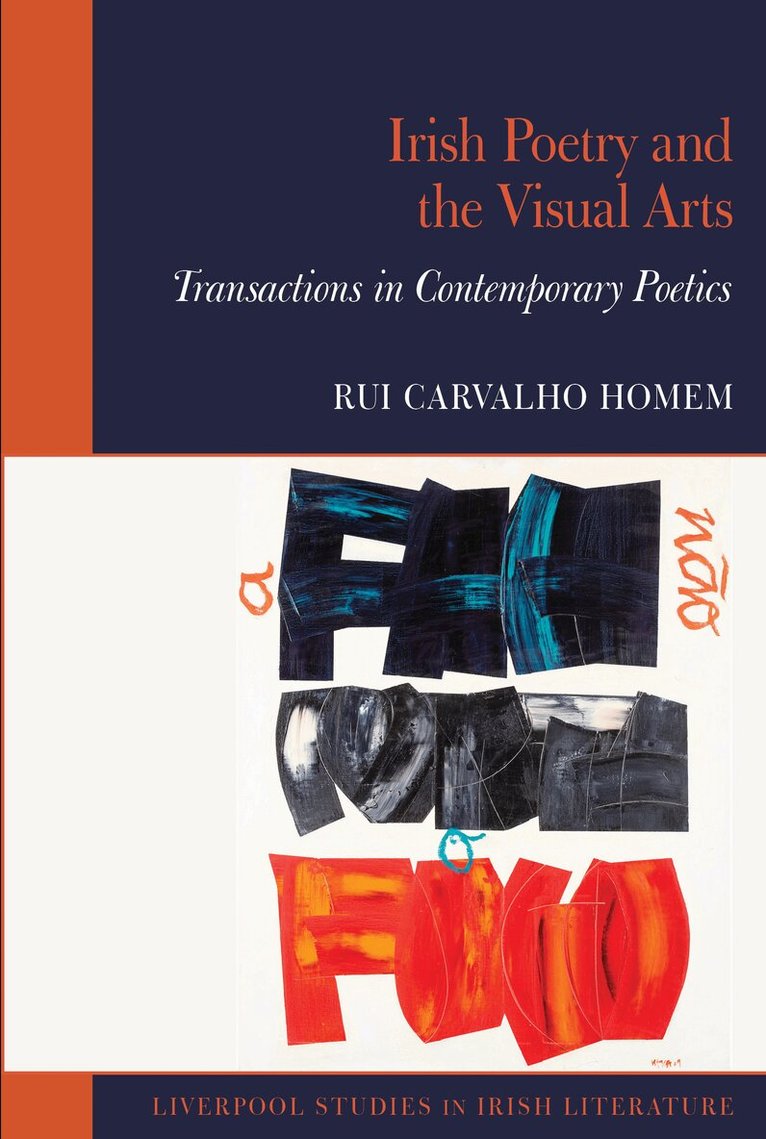
Irish Poetry and the Visual Arts
Transactions in Contemporary Poetics
Inbunden, 2026
2377 kr
Lägg i varukorg
For more than a century, Irish poetry has enjoyed a privileged relationship with the visual arts. This book shows how intensely this creative rapport has been cultivated. Its importance for our age becomes apparent from an in-depth discussion of the work of nine poets whose combined output extends …
Atlantic Communities
Translation, Mobility, Hospitality
Av David Johnston, Rui Carvalho Homem m. fl.
E-bok, 2022
857 kr
Lägg i varukorg
Historically, the Atlantic Ocean has served to define the relationship between the so-called worlds of the ''Old'' and the ''New''. A geographical divide between continents, it is also no less a historical space across which peoples have travelled, sharing ideas and cultural practices, a site of …
Atlantic Communities
Translation, Mobility, Hospitality
Av David Johnston, Rui Carvalho Homem m. fl.
E-bok, 2022
857 kr
Lägg i varukorg
Historically, the Atlantic Ocean has served to define the relationship between the so-called worlds of the ''Old'' and the ''New''. A geographical divide between continents, it is also no less a historical space across which peoples have travelled, sharing ideas and cultural practices, a site of …
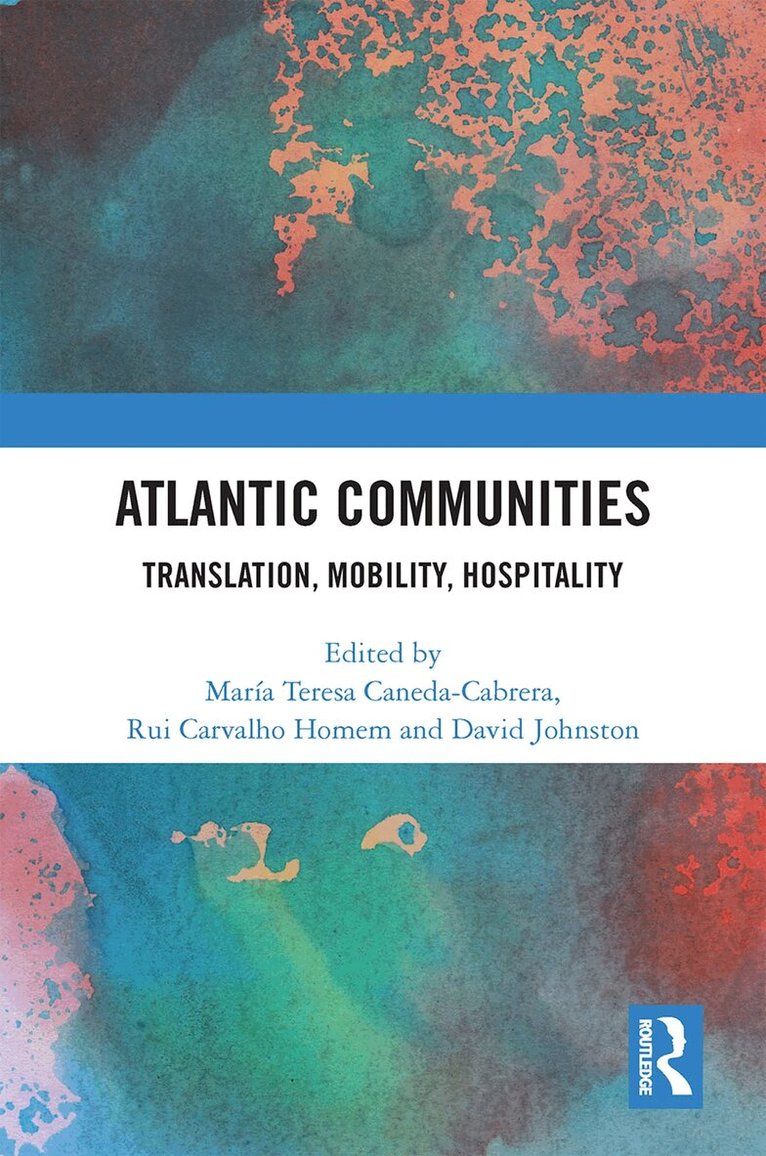
Atlantic Communities
Translation, Mobility, Hospitality
Av María Teresa Caneda-Cabrera, Rui Carvalho Homem m. fl.
Inbunden, 2022
2445 kr
Lägg i varukorg
Historically, the Atlantic Ocean has served to define the relationship between the so-called worlds of the 'Old' and the 'New'. A geographical divide between continents, it is also no less a historical space across which peoples have travelled, sharing ideas and cultural practices, a site of …
Atlantic Communities
Translation, Mobility, Hospitality
Av María Teresa Caneda-Cabrera, Rui Carvalho Homem m. fl.
Häftad, 2024
742 kr
Lägg i varukorg
Historically, the Atlantic Ocean has served to define the relationship between the so-called worlds of the 'Old' and the 'New'. A geographical divide between continents, it is also no less a historical space across which peoples have travelled, sharing ideas and cultural practices, a site of …