Ruth Mace - Böcker
Visar alla böcker från författaren Ruth Mace. Handla med fri frakt och snabb leverans.
5 produkter
5 produkter
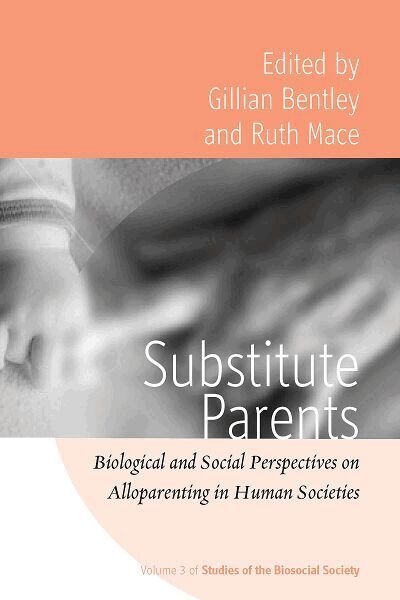
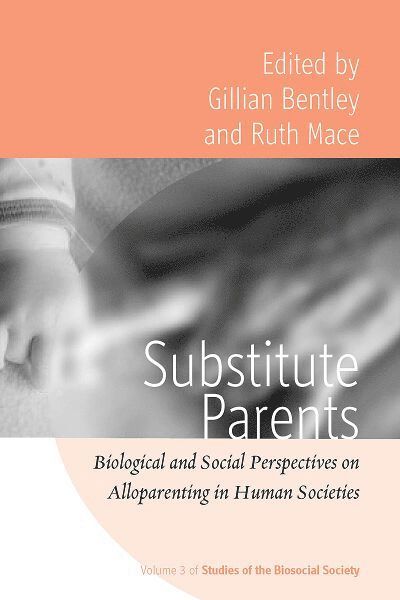
Substitute Parents
Biological and Social Perspectives on Alloparenting in Human Societies
Häftad, Engelska, 2012
635 kr
Skickas inom 3-6 vardagar
From a comparative perspective, human life histories are unique and raising offspring is unusually costly: humans have relatively short birth intervals compared to other apes, childhood is long, mothers care simultaneously for many dependent children (other apes raise one offspring at a time), infant mortality is high in natural fertility/mortality populations, and human females have a long post-reproductive lifespan. These features conspire to make child raising very burdensome. Mothers frequently defray these costs with paternal help (not usual in other ape species), although this contribution is not always enough. Grandmothers, elder siblings, paid allocarers, or society as a whole, help to defray the costs of childcare, both in our evolutionary past and now. Studying offspring care in a various human societies, and other mammalian species, a wide range of specialists such as anthropologists, psychologists, animal behaviorists, evolutionary ecologists, economists and sociologists, have contributed to this volume, offering new insights into and a better understanding of one of the key areas of human society.
1 242 kr
Skickas inom 7-10 vardagar
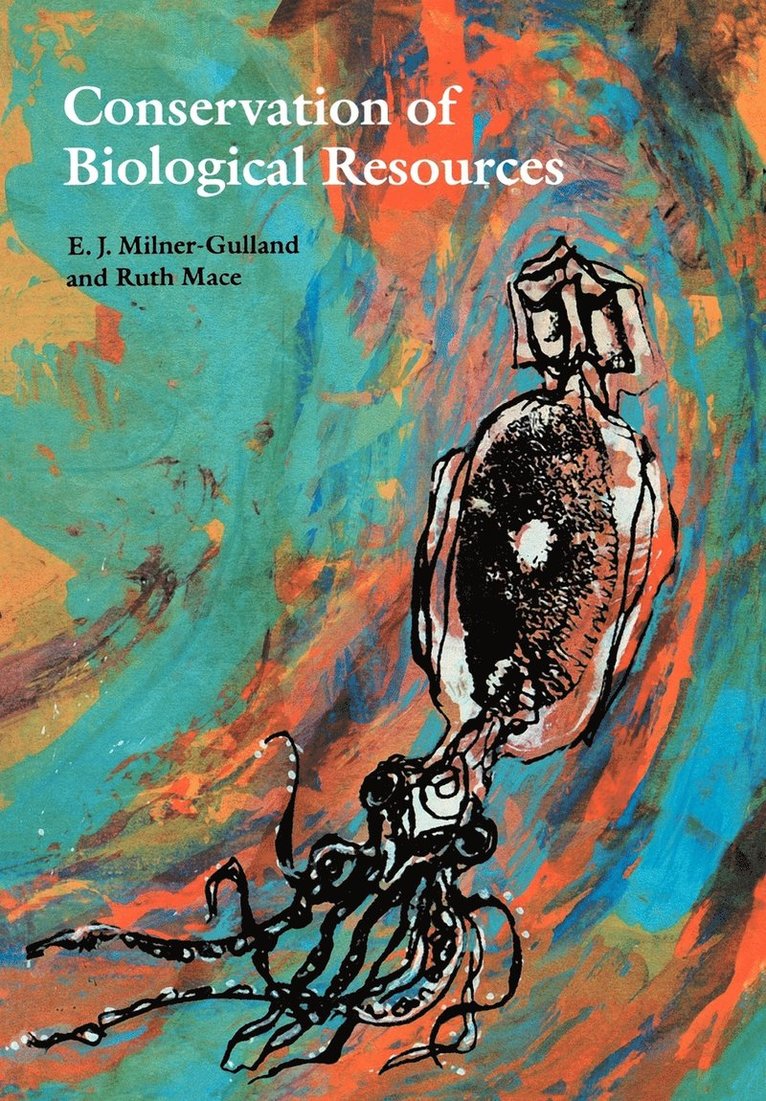
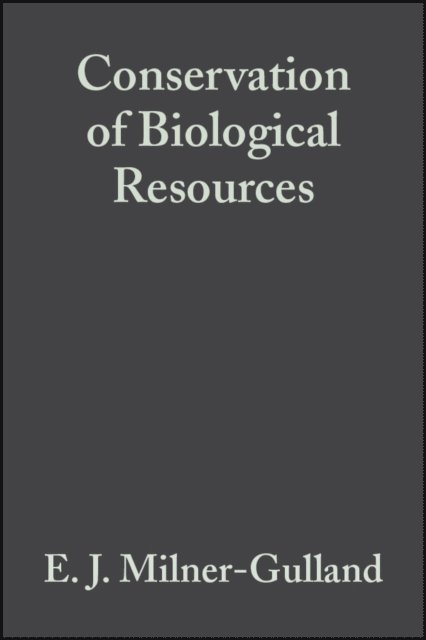
This book presents the issues surrounding the conservation of wild species and ecosystems used by people. It is aimed at final year undergraduate and master's students taking courses in conservation, environmental management, ecological economics and related subjects, as well as conservation professionals, including managers, policy-makers and researchers. The structure of the book is ideal for a course in conservation, comprising a theoretical section written by the authors, and a set of ten contributed case studies intentionally diverse in discipline, geographical region and system of study. The theoretical section provides the knowledge that is needed to understand the issues, while the case studies can form the basis of seminars. Readers will emerge with a clear recognition of the difficulties of limiting the harvesting of biological resources to sustainable levels, and of the boundaries of sustainable use as a conservation tool. The authors, an ecologist and an anthropologist, have both worked on the conservation and sustainable use of wildlife for several years, including the ivory and rhino horn trades. The first book to examine the issues underlying the sustainable use debate in a fully interdisciplinary manner. Both the theoretical section and the case studies approach the issues using methods from economics, ecology, anthropology and other fieldsDesigned as a course textbook, combining a theoretical section with invited case studies written by expert practitioners in the fieldOutlines the new direction that conservation biology (and thus conservation biologists) must take if it is to be successful
1 379 kr
Tillfälligt slut
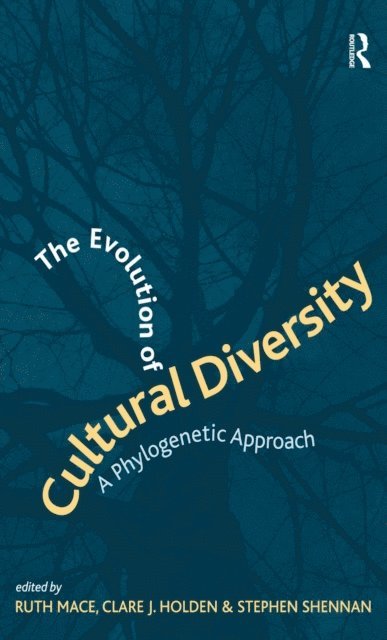
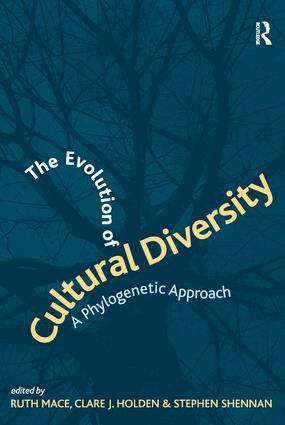
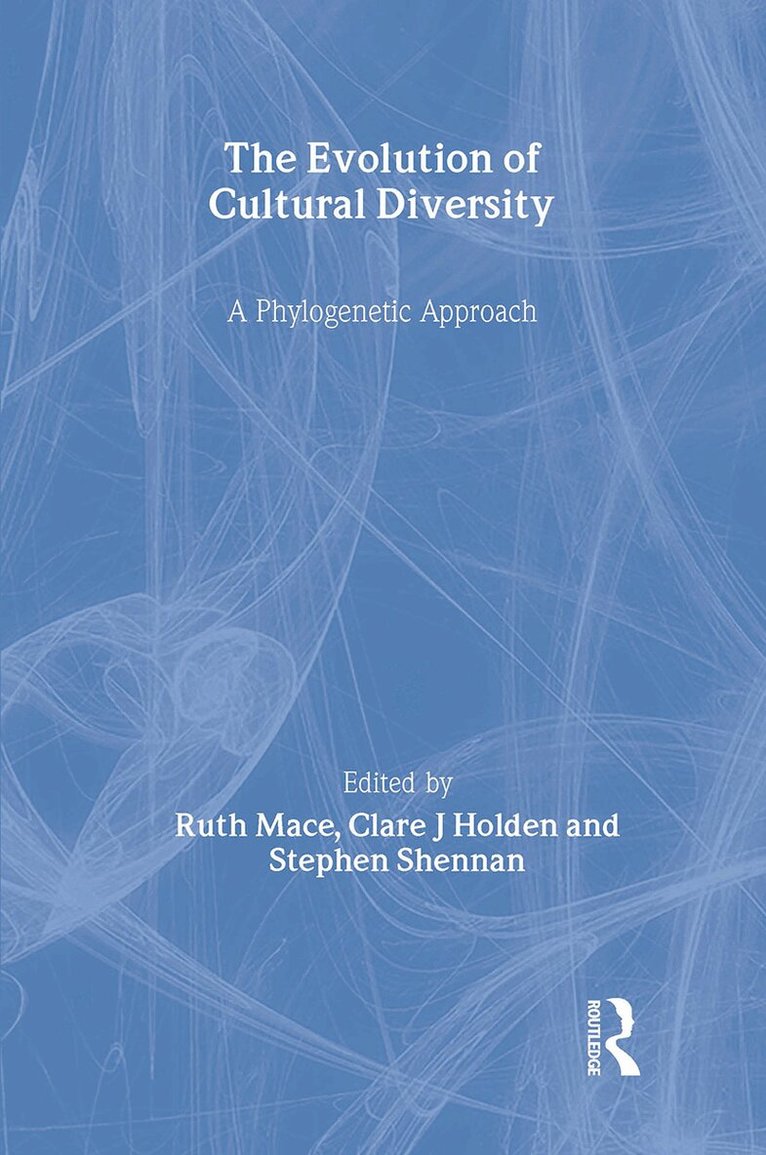
Virtually all aspects of human behavior show enormous variation both within and between cultural groups, including material culture, social organization and language. Thousands of distinct cultural groups exist: about 6,000 languages are spoken today, and it is thought that a far greater number of languages existed in the past but became extinct. Using a Darwinian approach, this book seeks to explain this rich cultural variation. There are a number of theoretical reasons to believe that cultural diversification might be tree-like, that is phylogenetic: material and non-material culture is clearly inherited by descendants, there is descent with modification, and languages appear to be hierarchically related. There are also a number of theoretical reasons to believe that cultural evolution is not tree-like: cultural inheritance is not Mendelian and can indeed be vertical, horizontal or oblique, evidence of borrowing abounds, cultures are not necessarily biological populations and can be transient and complex. Here, for the first time, this title tackles these questions of cultural evolution empirically and quantitatively, using a range of case studies from Africa, the Pacific, Europe, Asia and America. A range of powerful theoretical tools developed in evolutionary biology is used to test detailed hypotheses about historical patterns and adaptive functions in cultural evolution. Evidence is amassed from archaeological, linguist and cultural datasets, from both recent and historical or pre-historical time periods. A unifying theme is that the phylogenetic approach is a useful and powerful framework, both for describing the evolutionary history of these traits, and also for testing adaptive hypotheses about their evolution and co-evolution. Contributors include archaeologists, anthropologists, evolutionary biologists and linguists, and this book will be of great interest to all those involved in these areas.
593 kr
Skickas inom 10-15 vardagar
Virtually all aspects of human behavior show enormous variation both within and between cultural groups, including material culture, social organization and language. Thousands of distinct cultural groups exist: about 6,000 languages are spoken today, and it is thought that a far greater number of languages existed in the past but became extinct. Using a Darwinian approach, this book seeks to explain this rich cultural variation. There are a number of theoretical reasons to believe that cultural diversification might be tree-like, that is phylogenetic: material and non-material culture is clearly inherited by descendants, there is descent with modification, and languages appear to be hierarchically related. There are also a number of theoretical reasons to believe that cultural evolution is not tree-like: cultural inheritance is not Mendelian and can indeed be vertical, horizontal or oblique, evidence of borrowing abounds, cultures are not necessarily biological populations and can be transient and complex. Here, for the first time, this title tackles these questions of cultural evolution empirically and quantitatively, using a range of case studies from Africa, the Pacific, Europe, Asia and America. A range of powerful theoretical tools developed in evolutionary biology is used to test detailed hypotheses about historical patterns and adaptive functions in cultural evolution. Evidence is amassed from archaeological, linguist and cultural datasets, from both recent and historical or pre-historical time periods. A unifying theme is that the phylogenetic approach is a useful and powerful framework, both for describing the evolutionary history of these traits, and also for testing adaptive hypotheses about their evolution and co-evolution. Contributors include archaeologists, anthropologists, evolutionary biologists and linguists, and this book will be of great interest to all those involved in these areas.
Substitute Parents
Biological and Social Perspectives on Alloparenting in Human Societies
Inbunden, Engelska, 2009
2 164 kr
Skickas inom 3-6 vardagar
From a comparative perspective, human life histories are unique and raising offspring is unusually costly: humans have relatively short birth intervals compared to other apes, childhood is long, mothers care simultaneously for many dependent children (other apes raise one offspring at a time), infant mortality is high in natural fertility/mortality populations, and human females have a long post-reproductive lifespan. These features conspire to make child raising very burdensome. Mothers frequently defray these costs with paternal help (not usual in other ape species), although this contribution is not always enough. Grandmothers, elder siblings, paid allocarers, or society as a whole, help to defray the costs of childcare, both in our evolutionary past and now. Studying offspring care in a various human societies, and other mammalian species, a wide range of specialists such as anthropologists, psychologists, animal behaviorists, evolutionary ecologists, economists and sociologists, have contributed to this volume, offering new insights into and a better understanding of one of the key areas of human society.