Ryan E. Gregg – författare
Visar alla böcker från författaren Ryan E. Gregg. Handla med fri frakt och snabb leverans.
4 produkter
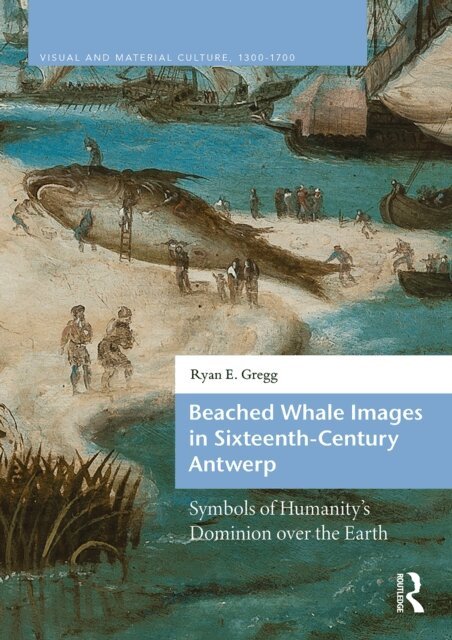
Beached Whale Images in Sixteenth-Century Antwerp
Symbols of Humanity's Dominion over the Earth
E-bok, 2026
838 kr
Lägg i varukorg
This book examines a small group of sixteenth-century Antwerp artworks depicting the butchering of beached whales, revealing how these images represent a pivotal moment in European attitudes toward nature. It argues that these "e;cetaceous units"e;-iconographic compounds showing humans …
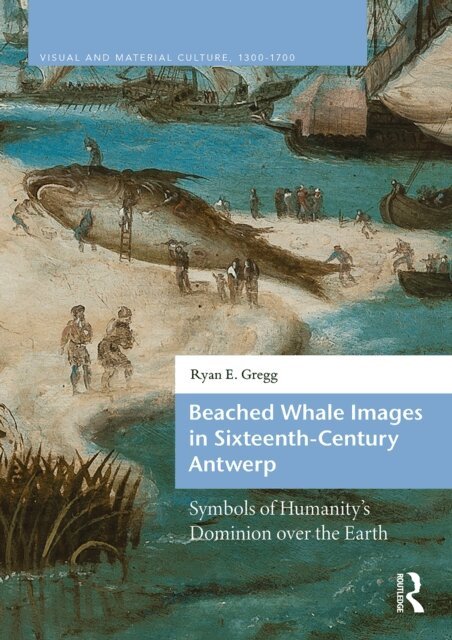
Beached Whale Images in Sixteenth-Century Antwerp
Symbols of Humanity's Dominion over the Earth
E-bok, 2026
856 kr
Lägg i varukorg
This book examines a small group of sixteenth-century Antwerp artworks depicting the butchering of beached whales, revealing how these images represent a pivotal moment in European attitudes toward nature. It argues that these "e;cetaceous units"e;-iconographic compounds showing humans …
City Views in the Habsburg and Medici Courts
Depictions of Rhetoric and Rule in the Sixteenth Century
Inbunden, 2018
3680 kr
Lägg i varukorg
In City Views in the Habsburg and Medici Courts, Ryan E. Gregg relates how Charles V, Holy Roman Emperor, and Duke Cosimo I of Tuscany employed city view artists such as Anton van den Wyngaerde and Giovanni Stradano to aid in constructing authority. These artists produced a specific style of city …
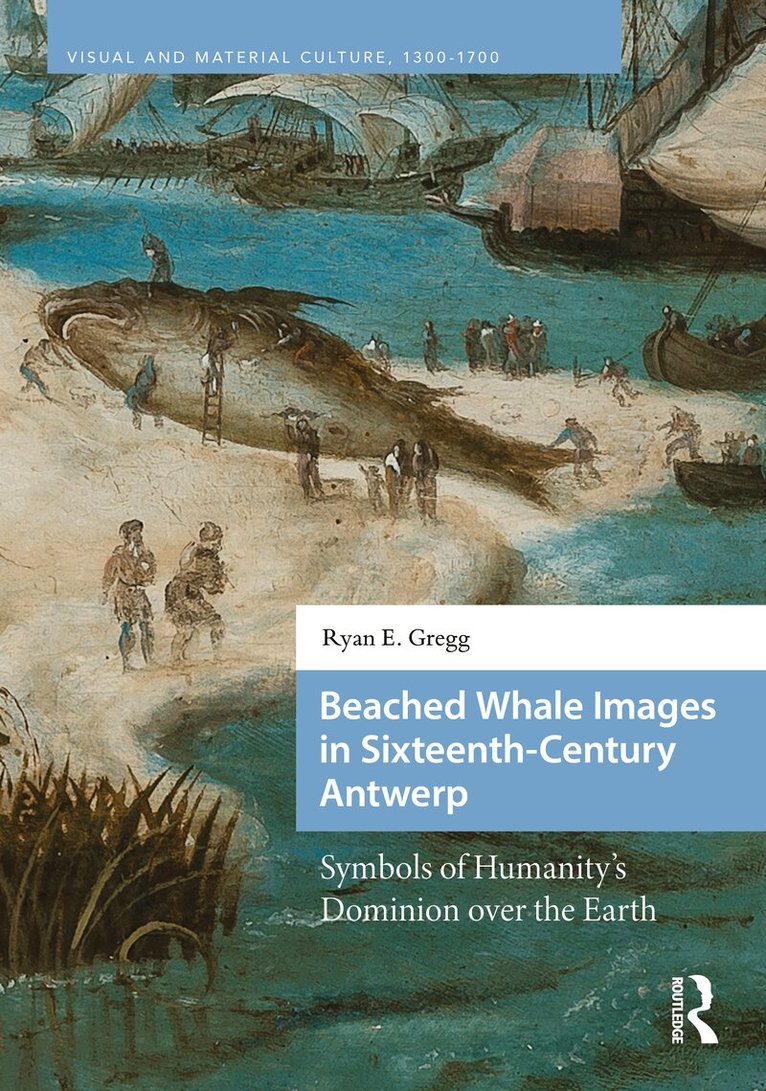
Beached Whale Images in Sixteenth-Century Antwerp
Symbols of Humanity’s Dominion over the Earth
Inbunden, 2026
2586 kr
Lägg i varukorg
This book examines a small group of sixteenth-century Antwerp artworks depicting the butchering of beached whales, revealing how these images represent a pivotal moment in European attitudes toward nature. It argues that these "cetaceous units"—iconographic compounds showing humans dominating …