Saba Soomekh – författare
Visar alla böcker från författaren Saba Soomekh. Handla med fri frakt och snabb leverans.
4 produkter
4 produkter
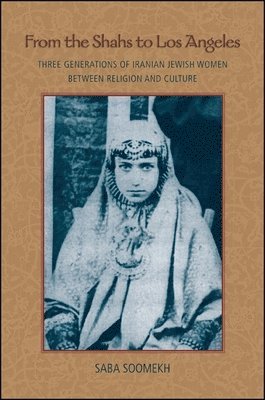
From the Shahs to Los Angeles
Three Generations of Iranian Jewish Women between Religion and Culture
Inbunden, Engelska, 2012
1 057 kr
Tillfälligt slut
A fascinating look at the lives, culture, and religious and ritual observance of three generations of Iranian Jewish women in the United States.Gold Medalist, 2013 Independent Publisher Book Awards in the Religion category Saba Soomekh offers a fascinating portrait of three generations of women in an ethnically distinctive and little-known American Jewish community, Jews of Iranian origin living in Los Angeles. Most of Iran's Jewish community immigrated to the United States and settled in Los Angeles in the wake of the 1979 Iranian Revolution and the government-sponsored discrimination that followed. Based on interviews with women raised during the constitutional monarchy of the earlier part of the twentieth century, those raised during the modernizing Pahlavi regime of mid-century, and those who have grown up in Los Angeles, the book presents an ethnographic portrait of what life was and is like for Iranian Jewish women. Featuring the voices of all generations, the book concentrates on religiosity and ritual observance, the relationship between men and women, and women's self-concept as Iranian Jewish women. Mother-daughter relationships, double standards for sons and daughters, marriage customs, the appeal of American forms of Jewish practices, social customs and pressures, and the alternate attraction to and critique of materialism and attention to outward appearance are discussed by the author and through the voices of her informants.
From the Shahs to Los Angeles
Three Generations of Iranian Jewish Women between Religion and Culture
Häftad, Engelska, 2013
489 kr
Skickas inom 5-8 vardagar
A fascinating look at the lives, culture, and religious and ritual observance of three generations of Iranian Jewish women in the United States.Gold Medalist, 2013 Independent Publisher Book Awards in the Religion category Saba Soomekh offers a fascinating portrait of three generations of women in an ethnically distinctive and little-known American Jewish community, Jews of Iranian origin living in Los Angeles. Most of Iran's Jewish community immigrated to the United States and settled in Los Angeles in the wake of the 1979 Iranian Revolution and the government-sponsored discrimination that followed. Based on interviews with women raised during the constitutional monarchy of the earlier part of the twentieth century, those raised during the modernizing Pahlavi regime of mid-century, and those who have grown up in Los Angeles, the book presents an ethnographic portrait of what life was and is like for Iranian Jewish women. Featuring the voices of all generations, the book concentrates on religiosity and ritual observance, the relationship between men and women, and women's self-concept as Iranian Jewish women. Mother-daughter relationships, double standards for sons and daughters, marriage customs, the appeal of American forms of Jewish practices, social customs and pressures, and the alternate attraction to and critique of materialism and attention to outward appearance are discussed by the author and through the voices of her informants.
278 kr
Skickas inom 11-20 vardagar
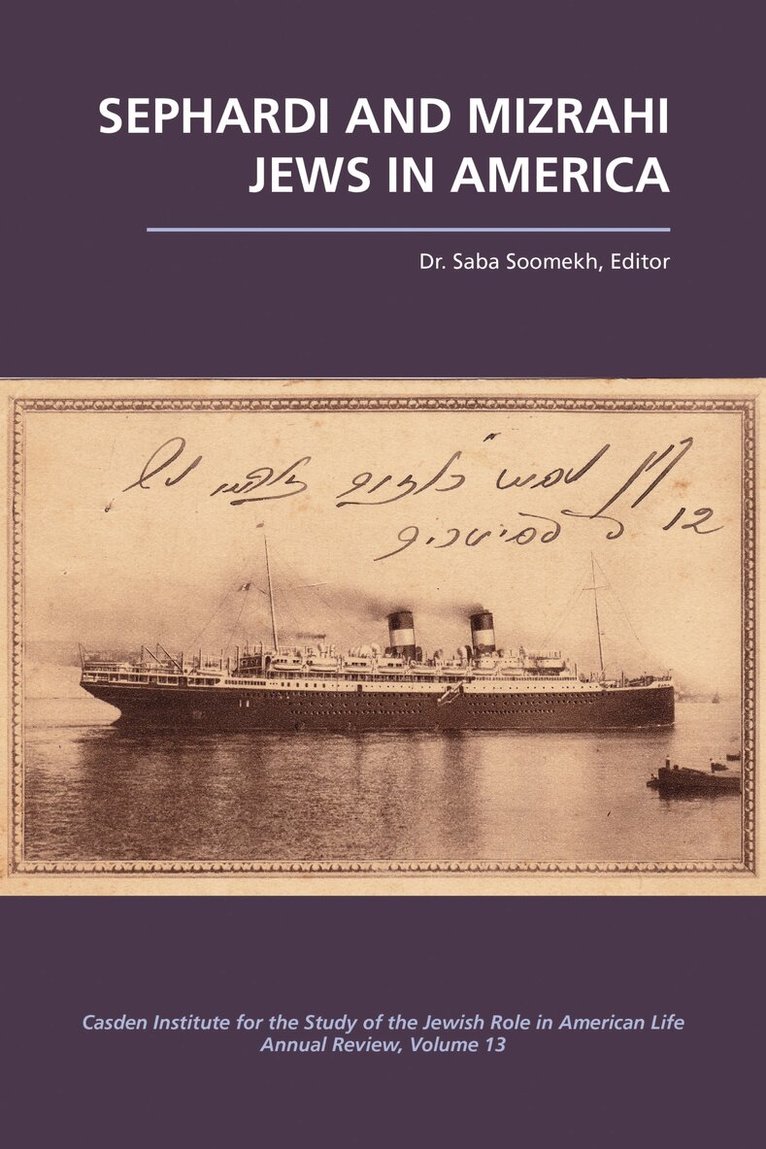
Sephardi and Mizrahi Jews in America includes academics, artists, writers, and civic and religious leaders who contributed chapters focusing on the Sephardi and Mizrahi experience in America. Topics will address language, literature, art, diaspora identity, and civic and political engagement.When discussing identity in America, one contributor will review and explore the distinct philosophy and culture of classic Sephardic Judaism, and how that philosophy and culture represents a viable option for American Jews who seek a rich and meaningful medium through which to balance Jewish tradition and modernity. Another chapter will provide a historical perspective of Sephardi/Ashkenazi Diasporic tensions. Additionally, contributors will address the term “Sephardi” as a self-imposed, collective, “ethnic” designation that had to be learned and naturalized—and its parameters defined and negotiated—in the new context of the United States and in conversation with discussions about Sephardic identity across the globe.This volume also will look at the theme of literature, focusing on Egyptian and Iranian writers in the United States. Continuing with the Iranian Jewish community, contributors will discuss the historical and social genesis of Iranian-American Jewish participation and leadership in American civic, political, and Jewish affairs. Another chapter reviews how art is used to express Iranian Diaspora identity and nostalgia.The significance of language among Sephardi and Mizrahi communities is discussed. One chapter looks at the Ladino-speaking Sephardic Jewish population of Seattle, while another confronts the experience of Judeo-Spanish speakers in the United States and how they negotiate identity via the use of language. In addition, scholars will explore how Judeo-Spanish speakers engage in dialogue with one another from a century ago, and furthermore, how they use and modify their language when they find themselves in Spanish-speaking areas today.
569 kr
Skickas inom 10-15 vardagar
Sephardi and Mizrahi Jews in America includes academics, artists, writers, and civic and religious leaders who contributed chapters focusing on the Sephardi and Mizrahi experience in America. Topics will address language, literature, art, diaspora identity, and civic and political engagement.When discussing identity in America, one contributor will review and explore the distinct philosophy and culture of classic Sephardic Judaism, and how that philosophy and culture represents a viable option for American Jews who seek a rich and meaningful medium through which to balance Jewish tradition and modernity. Another chapter will provide a historical perspective of Sephardi/Ashkenazi Diasporic tensions. Additionally, contributors will address the term "Sephardi" as a self-imposed, collective, "ethnic" designation that had to be learned and naturalized-and its parameters defined and negotiated-in the new context of the United States and in conversation with discussions about Sephardic identity across the globe.This volume also will look at the theme of literature, focusing on Egyptian and Iranian writers in the United States. Continuing with the Iranian Jewish community, contributors will discuss the historical and social genesis of Iranian-American Jewish participation and leadership in American civic, political, and Jewish affairs. Another chapter reviews how art is used to express Iranian Diaspora identity and nostalgia.The significance of language among Sephardi and Mizrahi communities is discussed. One chapter looks at the Ladino-speaking Sephardic Jewish population of Seattle, while another confronts the experience of Judeo-Spanish speakers in the United States and how they negotiate identity via the use of language. In addition, scholars will explore how Judeo-Spanish speakers engage in dialogue with one another from a century ago, and furthermore, how they use and modify their language when they find themselves in Spanish-speaking areas today.