Sally G. McMillen - Böcker
Visar alla böcker från författaren Sally G. McMillen. Handla med fri frakt och snabb leverans.
4 produkter
4 produkter
525 kr
Skickas inom 3-6 vardagar
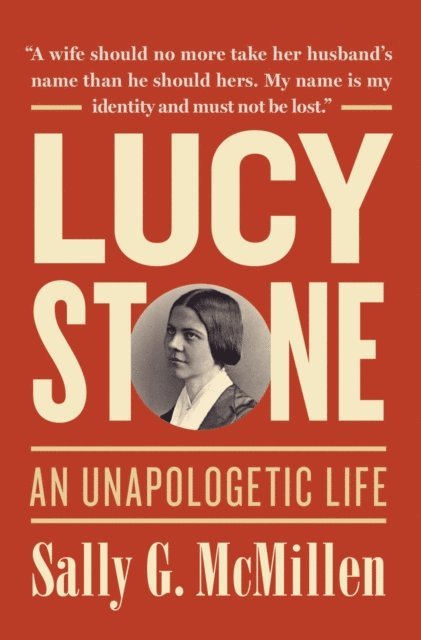
In the rotunda of the nation's Capital a statue pays homage to three famous nineteenth-century American women suffragists: Elizabeth Cady Stanton, Susan B. Anthony, and Lucretia Mott. "Historically," the inscription beneath the marble statue notes, "these three stand unique and peerless." In fact, the statue has a glaring omission: Lucy Stone. A pivotal leader in the fight for both abolition and gender equality, her achievements marked the beginning of the women's rights movement and helped to lay the groundwork for the eventual winning of women's suffrage. Yet, today most Americans have never heard of Lucy Stone.Sally McMillen sets out to address this significant historical oversight in this engaging biography. Exploring her extraordinary life and the role she played in crafting a more just society, McMillen restores Lucy Stone to her rightful place at the center of the nineteenth-century women's rights movement. Raised in a middle-class Massachusetts farm family, Stone became convinced at an early age that education was key to women's independence and selfhood, and went on to attend the Oberlin Collegiate Institute. When she graduated in 1847 as one of the first women in the US to earn a college degree, she was drawn into the public sector as an activist and quickly became one of the most famous orators of her day. Lecturing on anti-slavery and women's rights, she was instrumental in organizing and speaking at several annual national woman's rights conventions throughout the 1850s. She played a critical role in the organization and leadership of the American Equal Rights Association during the Civil War, and, in 1869, cofounded the American Woman Suffrage Association, one of two national women's rights organizations that fought for women's right to vote. Encompassing Stone's marriage to Henry Blackwell and the birth of their daughter Alice, as well as her significant friendships with Frederick Douglass, Susan B. Anthony, and others, McMillen's biography paints a complete picture of Stone's influential and eminently important life and work.Self-effacing until the end of her life, Stone did not relish the limelight the way Elizabeth Cady Stanton did, nor did she gain the many followers whom Susan B. Anthony attracted through her extensive travels and years of dedicated work. Yet her contributions to the woman's rights movement were no less significant or revolutionary than those of her more widely lauded peers. In this accessible, readable, and historically-grounded work, Lucy Stone is finally given the standing she deserves.
323 kr
Skickas inom 10-15 vardagar
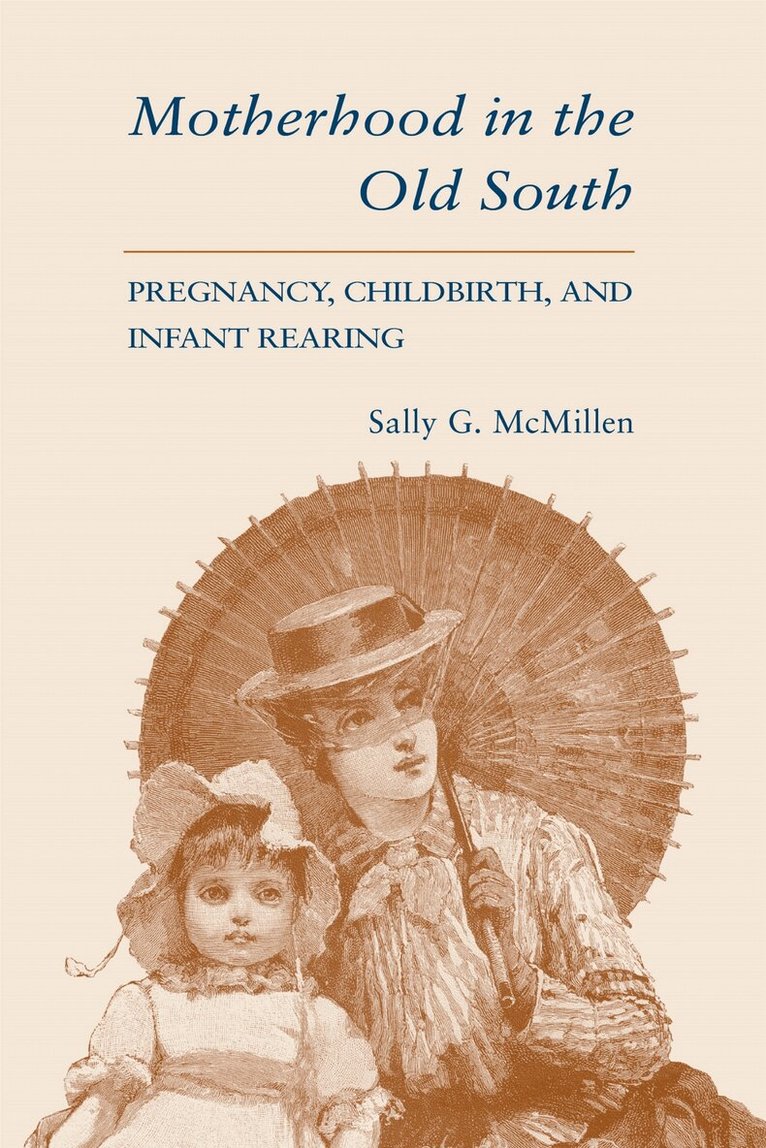
Sally G. McMillen has written an enthralling historical account of the childbearing and -rearing responsibilities that consumed, often literally, the lives of women in the Old South. She explores the social, political, and medical influences of the time, which led women to assume fervently the full responsibility for their ""sacred occupation,"", and examines how a woman's maternal role ensured her value within the family and the greater society. Along with intimate details that authenticate her study. McMillen provides telling statistics on the number of women who died in childbirth, the rate of infant mortality, and the incidence of other causes of death to mothers and their children during the first half of the nineteenth century.
1 475 kr
Skickas inom 5-8 vardagar
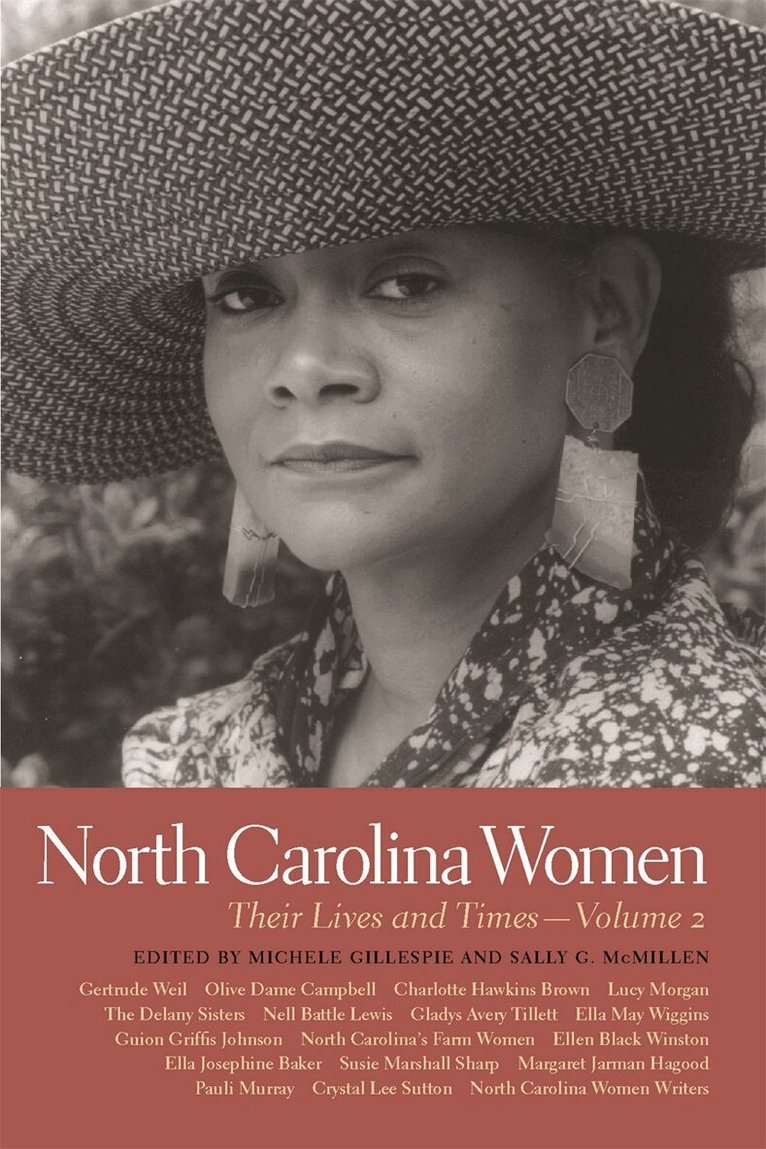
By the twentieth century, North Carolina’s progressive streak had strengthened, thanks in large part to a growing number of women who engaged in and influenced state and national policies and politics. These women included Gertrude Weil who fought tirelessly for the Nineteenth Amendment, which extended suffrage to women, and founded the state chapter of the League of Women Voters once the amendment was ratified in 1920. Gladys Avery Tillett, an ardent Democrat and supporter of Roosevelt's New Deal, became a major presence in her party at both the state and national levels. Guion Griffis Johnson turned to volunteer work in the postwar years, becoming one of the state's most prominent female civic leaders. Through her excellent education, keen legal mind, and family prominence, Susie Sharp in 1949 became the first woman judge in North Carolina and in 1974 the first woman in the nation to be elected and serve as chief justice of a state supreme court. Throughout her life, the Reverend Dr. Anna Pauline "Pauli" Murray charted a religious, literary, and political path to racial reconciliation on both a national stage and in North Carolina.This is the second of two volumes that together explore the diverse and changing patterns of North Carolina women's lives. The essays in this volume cover the period beginning with women born in the late nineteenth and early twentieth centuries but who made their greatest contributions to the social, political, cultural, legal, and economic life of the state during the late progressive era through the late twentieth century.
370 kr
Skickas inom 11-20 vardagar
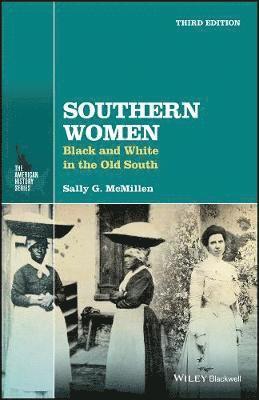
The third edition of Southern Women relays the historical narrative of both black and white women in the patriarchal South. Covering primarily the years between 1800 and 1865, it shows the strengths and varied experiences of these women—on plantations, small farms, in towns and cities, in the Deep South, the Upper South, and the mountain South. It offers fascinating information on family life, sexuality, and marriage; reproduction and childrearing; education and religion; women and work; and southern women and the Confederacy.Southern Women: Black and White in the Old South, Third Edition distills and incorporates recent scholarship by historians. It presents a well-written, more complicated, multi-layered picture of Southern women’s lives than has ever been written about before—thanks to its treatment of current, relevant historiographical debates. The book also: Includes new scholarship published since the second edition appearedPays more attention to women in the Deep South, especially the experiences of those living in Louisiana and MississippiIs part of the highly successful American History SeriesThe third edition of Southern Women: Black and White in the Old South will serve as a welcome supplementary text in college or community-college-level survey courses in U.S., Women’s, African-American, or Southern history. It will also be useful as a reference for graduate seminars or colloquia.