Sam White - Böcker
Visar alla böcker från författaren Sam White. Handla med fri frakt och snabb leverans.
9 produkter
9 produkter
252 kr
Skickas inom 10-15 vardagar
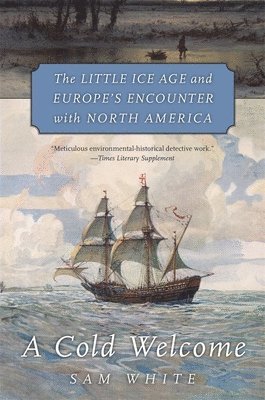
Cundill History Prize FinalistLongman–History Today Prize FinalistWinner of the Roland H. Bainton Book Prize“Meticulous environmental-historical detective work.”—Times Literary SupplementWhen Europeans first arrived in North America, they faced a cold new world. The average global temperature had dropped to lows unseen in millennia. The effects of this climactic upheaval were stark and unpredictable: blizzards and deep freezes, droughts and famines, winters in which everything froze, even the Rio Grande. A Cold Welcome tells the story of this crucial period, taking us from Europe’s earliest expeditions in unfamiliar landscapes to the perilous first winters in Quebec and Jamestown. As we confront our own uncertain future, it offers a powerful reminder of the unexpected risks of an unpredictable climate.“A remarkable journey through the complex impacts of the Little Ice Age on Colonial North America…This beautifully written, important book leaves us in no doubt that we ignore the chronicle of past climate change at our peril. I found it hard to put down.”—Brian Fagan, author of The Little Ice Age“Deeply researched and exciting…His fresh account of the climatic forces shaping the colonization of North America differs significantly from long-standing interpretations of those early calamities.”—New York Review of Books
296 kr
Skickas inom 3-6 vardagar
1 485 kr
Skickas inom 7-10 vardagar
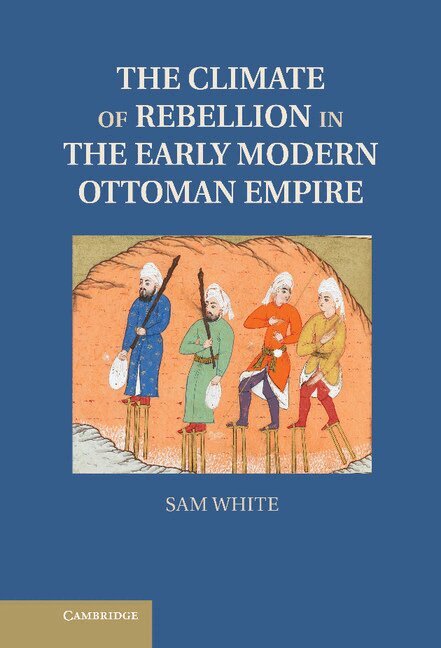
The Climate of Rebellion in the Early Modern Ottoman Empire explores the serious and far-reaching impacts of Little Ice Age climate fluctuations in Ottoman lands. This study demonstrates how imperial systems of provisioning and settlement that defined Ottoman power in the 1500s came unraveled in the face of ecological pressures and extreme cold and drought, leading to the outbreak of the destructive Celali Rebellion (1595-1610). This rebellion marked a turning point in Ottoman fortunes, as a combination of ongoing Little Ice Age climate events, nomad incursions and rural disorder postponed Ottoman recovery over the following century, with enduring impacts on the region's population, land use and economy.
441 kr
Skickas inom 7-10 vardagar
The Climate of Rebellion in the Early Modern Ottoman Empire explores the serious and far-reaching impacts of Little Ice Age climate fluctuations in Ottoman lands. This study demonstrates how imperial systems of provisioning and settlement that defined Ottoman power in the 1500s came unraveled in the face of ecological pressures and extreme cold and drought, leading to the outbreak of the destructive Celali Rebellion (1595-1610). This rebellion marked a turning point in Ottoman fortunes, as a combination of ongoing Little Ice Age climate events, nomad incursions and rural disorder postponed Ottoman recovery over the following century, with enduring impacts on the region's population, land use and economy.
2 378 kr
Skickas inom 10-15 vardagar
This handbook offers the first comprehensive, state-of-the-field guide to past weather and climate and their role in human societies.
1 848 kr
Skickas inom 10-15 vardagar
This handbook offers the first comprehensive, state-of-the-field guide to past weather and climate and their role in human societies.
194 kr
Skickas inom 5-8 vardagar
319 kr
Skickas inom 5-8 vardagar
434 kr
Skickas inom 5-8 vardagar
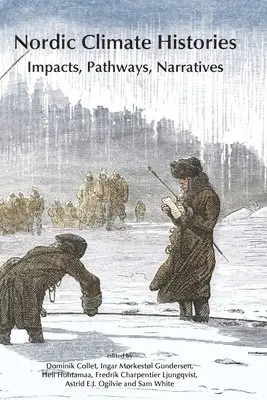
This volume is the first to collect climate histories from across all the Nordic countries. It combines research from climatologists, historians, archaeologists and museologists to explore how climate and culture interacted in the past and what we might learn from these interactions today.Down the centuries, the people of the Nordic countries have confronted challenges from climatic variability and change and sought ways to survive and adapt. In a time of accelerating global warming, these climate histories take on new contemporary significance. Drawing on tools from the natural and historical sciences, the innovative scholarship in this volume addresses questions such as: How did Nordic societies cope with past climatic hazards? What was the historical significance of the 'Little Ice Age' or the 'Medieval Climate Anomaly' for Nordic countries? And how do we study, narrate and learn from these past experiences?This volume is the first to collect climate histories from across all the Nordic countries. It combines research from climatologists, historians, archaeologists and museologists to explore how climate and culture interacted in the past and what we might learn from these interactions today.The chapters range from in-depth case studies to reflexive meta-histories; cover periods from the Bronze Age to the present; and draw on sources from tree rings to material culture to poetry. They also discuss how these histories can be communicated today, including how museums and literature can bring them into conversation with a current audience looking for lived experiences of climate adaptation.The volume was conceived during an international conference at the University of Oslo in May 2024. This interdisciplinary forum connected leading scholars in the field with practitioners and stakeholders. The essays presented here engage a rapidly growing field of intense public and political concern in the Nordics and beyond.The book speaks to various academic communities (climatology, history, literature) and stakeholders (museum practitioners, climate communicators and advocates). It includes the growing research and student community invested in this topic across several disciplines, practitioners and communicators in the field and the wider public interested in the vibrant debates about climate adaptation and experience.