Sangeeta Ray – författare
Visar alla böcker från författaren Sangeeta Ray. Handla med fri frakt och snabb leverans.
10 produkter
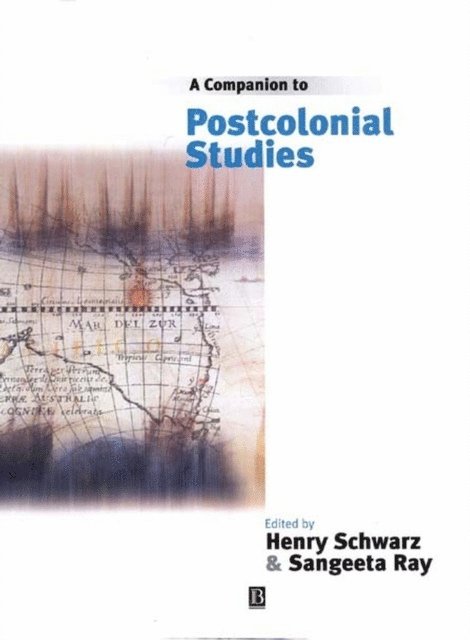
Companion to Postcolonial Studies
Av Sangeeta Ray, Henry Schwarz
E-bok, 2008
3410 kr
Lägg i varukorg
This volume examines the tumultuous changes that have occurred and are still occurring in the aftermath of European colonization of the globe from 1492 to 1947. Ranges widely over the major themes, regions, theories and practices of postcolonial study Presents original essays by the leading …
Companion to Postcolonial Studies
Av Henry Schwarz, Sangeeta Ray
Inbunden, 1999
2628 kr
Lägg i varukorg
This volume examines the tumultuous changes that have occurred and are still occurring in the aftermath of European colonization of the globe from 1492 to 1947. Ranges widely over the major themes, regions, theories and practices of postcolonial studyPresents original essays by the leading …
Companion to Postcolonial Studies
Häftad, 2004
669 kr
Lägg i varukorg
This volume examines the tumultuous changes that have occurred and are still occurring in the aftermath of European colonization of the globe from 1492 to 1947. Ranges widely over the major themes, regions, theories and practices of postcolonial studyPresents original essays by the leading …
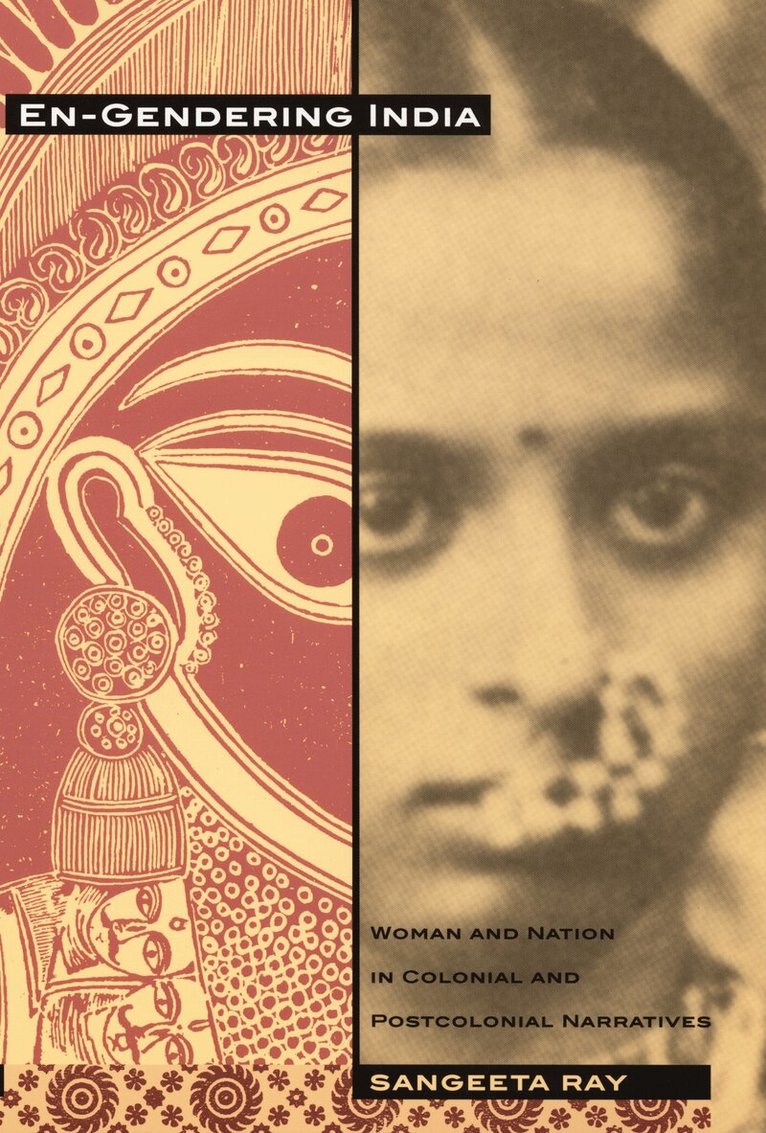
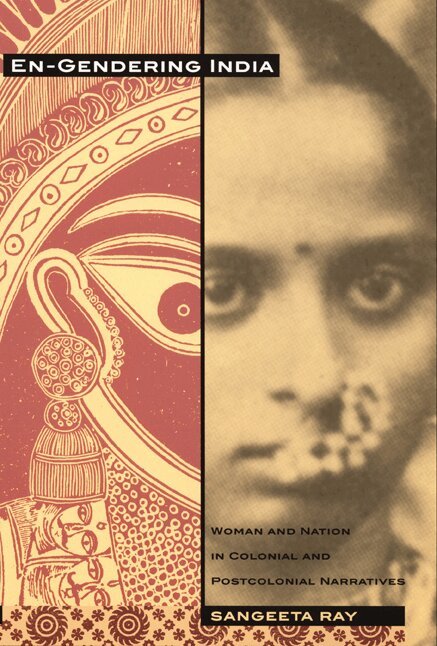
En-Gendering India
Woman and Nation in Colonial and Postcolonial Narratives
Av Sangeeta Ray
Inbunden, 2000
1423 kr
Lägg i varukorg
En-Gendering India offers an innovative interpretation of the role that gender played in defining the Indian state during both the colonial and postcolonial eras. Focusing on both British and Indian literary texts-primarily novels-produced between 1857 and 1947, Sangeeta Ray examines …
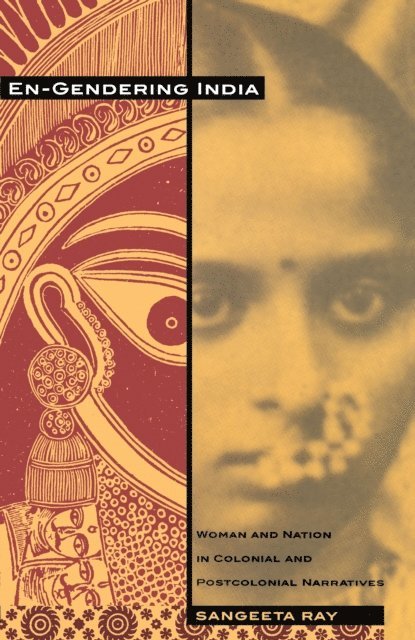
En-Gendering India
Woman and Nation in Colonial and Postcolonial Narratives
Av Sangeeta Ray
Häftad, 2000
394 kr
Lägg i varukorg
En-Gendering India offers an innovative interpretation of the role that gender played in defining the Indian state during both the colonial and postcolonial eras. Focusing on both British and Indian literary texts-primarily novels-produced between 1857 and 1947, Sangeeta Ray examines …
En-Gendering India
Woman and Nation in Colonial and Postcolonial Narratives
Av Sangeeta Ray
E-bok, 2000
580 kr
Lägg i varukorg
En-Gendering India offers an innovative interpretation of the role that gender played in defining the Indian state during both the colonial and postcolonial eras. Focusing on both British and Indian literary texts—primarily novels—produced between 1857 and 1947, Sangeeta Ray examines …
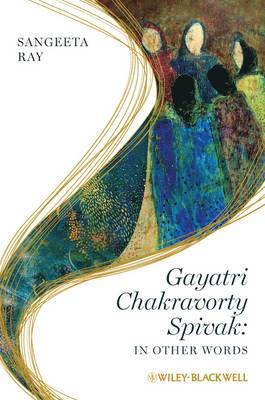
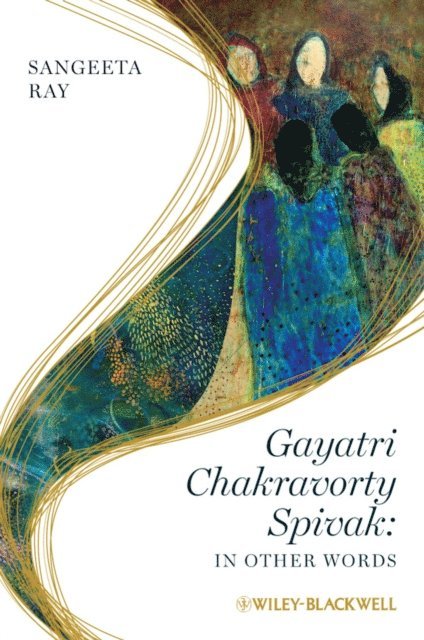
Gayatri Chakravorty Spivak
In Other Words
Av Sangeeta Ray
Häftad, 2009
632 kr
Lägg i varukorg
This book introduces and discusses the works of leading feminist postcolonialist Gayatri Chakravorty Spivak, by exploring the key concepts and themes to emerge from them. Focuses on the key themes to emerge from Spivak’s work, such as ethics, literature, feminism, pedagogy, postcoloniality, …
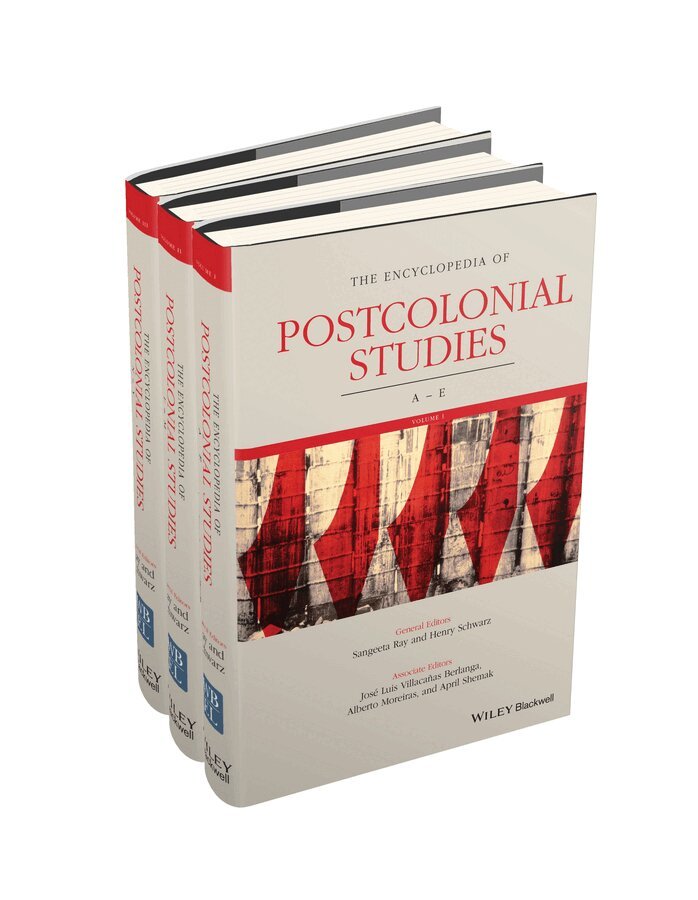
Companion to Postcolonial Studies
Av Sangeeta Ray, Henry Schwarz
E-bok, 2021
3316 kr
Lägg i varukorg
This volume examines the tumultuous changes that have occurred and are still occurring in the aftermath of European colonization of the globe from 1492 to 1947. Ranges widely over the major themes, regions, theories and practices of postcolonial study Presents original essays by the leading …
Gayatri Chakravorty Spivak
In Other Words
Av Sangeeta Ray
E-bok, 2009
1631 kr
Lägg i varukorg
This book introduces and discusses the works of leading feminist postcolonialist Gayatri Chakravorty Spivak, by exploring the key concepts and themes to emerge from them. Focuses on the key themes to emerge from Spivak’s work, such as ethics, literature, feminism, pedagogy, postcoloniality, …