Sara Camp Milam - Böcker
Visar alla böcker från författaren Sara Camp Milam. Handla med fri frakt och snabb leverans.
8 produkter
8 produkter
1 315 kr
Skickas inom 5-8 vardagar
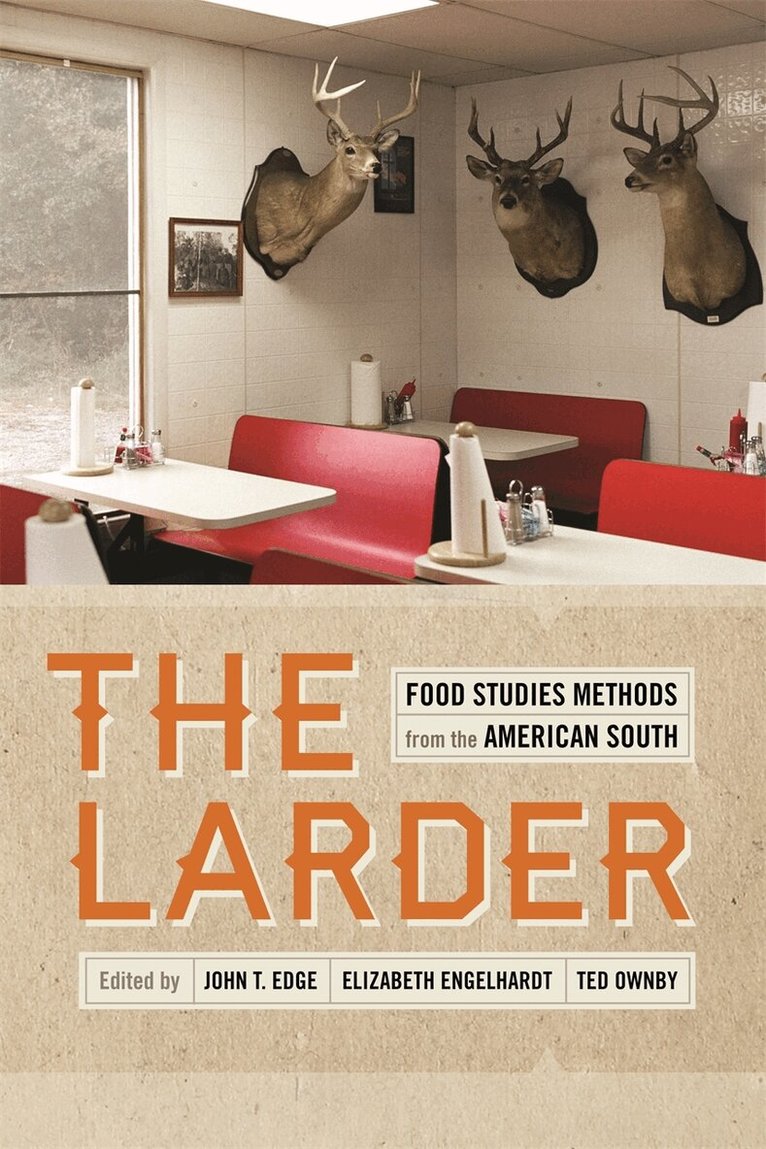
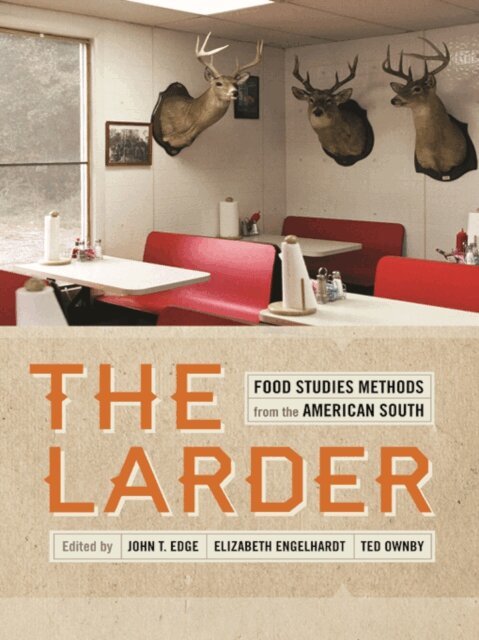
The sixteen essays in The Larder argue that the study of food does not simply help us understand more about what we eat and the foodways we embrace. The methods and strategies herein help scholars use food and foodways as lenses to examine human experience. The resulting conversations provoke a deeper understanding of our overlapping, historically situated, and evolving cultures and societies.The Larder presents some of the most influential scholars in the discipline today, from established authorities such as Psyche Williams-Forson to emerging thinkers such as Rien T. Fertel, writing on subjects as varied as hunting, farming, and marketing, as well as examining restaurants, iconic dishes, and cookbooks.Editors John T. Edge, Elizabeth Engelhardt, and Ted Ownby bring together essays that demonstrate that food studies scholarship, as practiced in the American South, sets methodological standards for the discipline. The essayists ask questions about gender, race, and ethnicity as they explore issues of identity and authenticity. And they offer new ways to think about material culture, technology, and the business of food.The Larder is not driven by nostalgia. Reading such a collection of essays may not encourage food metaphors. “It’s not a feast, not a gumbo, certainly not a home-cooked meal,” Ted Ownby argues in his closing essay. Instead, it’s a healthy step in the right direction, taken by the leading scholars in the field.
454 kr
Skickas inom 5-8 vardagar
The sixteen essays in The Larder argue that the study of food does not simply help us understand more about what we eat and the foodways we embrace. The methods and strategies herein help scholars use food and foodways as lenses to examine human experience. The resulting conversations provoke a deeper understanding of our overlapping, historically situated, and evolving cultures and societies.The Larder presents some of the most influential scholars in the discipline today, from established authorities such as Psyche Williams-Forson to emerging thinkers such as Rien T. Fertel, writing on subjects as varied as hunting, farming, and marketing, as well as examining restaurants, iconic dishes, and cookbooks.Editors John T. Edge, Elizabeth Engelhardt, and Ted Ownby bring together essays that demonstrate that food studies scholarship, as practiced in the American South, sets methodological standards for the discipline. The essayists ask questions about gender, race, and ethnicity as they explore issues of identity and authenticity. And they offer new ways to think about material culture, technology, and the business of food.The Larder is not driven by nostalgia. Reading such a collection of essays may not encourage food metaphors. “It’s not a feast, not a gumbo, certainly not a home-cooked meal,” Ted Ownby argues in his closing essay. Instead, it’s a healthy step in the right direction, taken by the leading scholars in the field.
355 kr
Skickas inom 3-6 vardagar
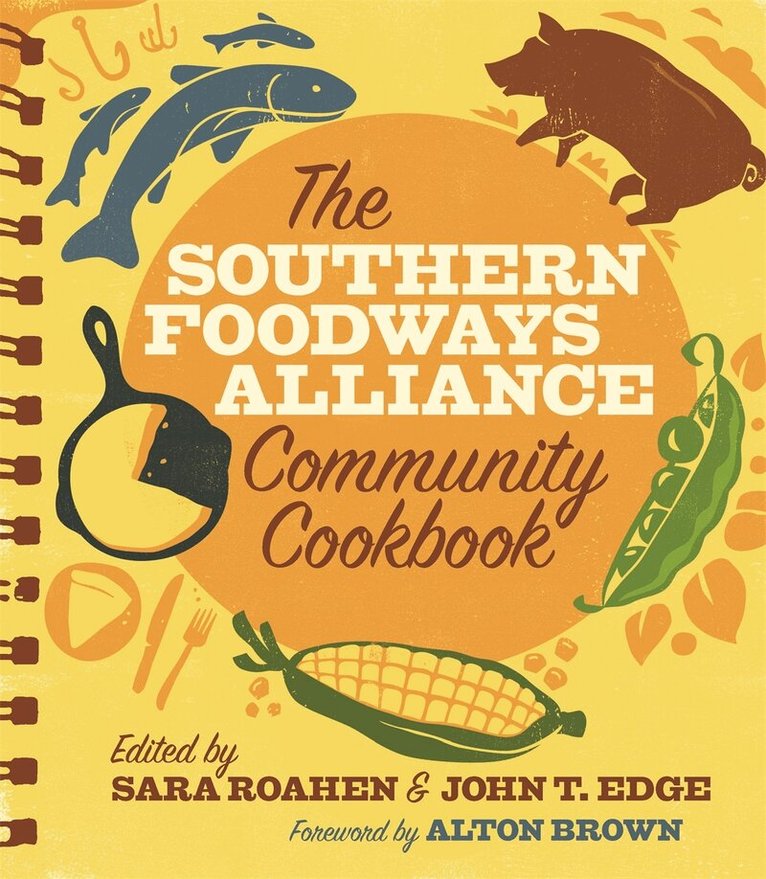
Everybody has one in their collection. You know—one of those old, spiral- or plastic-tooth-bound cookbooks sold to support a high school marching band, a church, or the local chapter of the Junior League. These recipe collections reflect, with unimpeachable authenticity, the dishes that define communities: chicken and dumplings, macaroni and cheese, chess pie. When the Southern Foodways Alliance began curating a cookbook, it was to these spiral-bound, sauce-splattered pages that they turned for their model.Including more than 170 tested recipes, this cookbook is a true reflection of southern foodways and the people, regardless of residence or birthplace, who claim this food as their own. Traditional and adapted, fancy and unapologetically plain, these recipes are powerful expressions of collective identity. There is something from—and something for—everyone. The recipes and the stories that accompany them came from academics, writers, catfish farmers, ham curers, attorneys, toqued chefs, and people who just like to cook—spiritual Southerners of myriad ethnicities, origins, and culinary skill levels.Edited by Sara Roahen and John T. Edge, written, collaboratively, by Sheri Castle, Timothy C. Davis, April McGreger, Angie Mosier, and Fred Sauceman, the book is divided into chapters that represent the region’s iconic foods: Gravy, Garden Goods, Roots, Greens, Rice, Grist, Yardbird, Pig, The Hook, The Hunt, Put Up, and Cane. Therein you’ll find recipes for pimento cheese, country ham with redeye gravy, tomato pie, oyster stew, gumbo z’herbes, and apple stack cake. You’ll learn traditional ways of preserving green beans, and you’ll come to love refried black-eyed peas.Are you hungry yet?Published in association with the Southern Foodways Alliance at the Center for the Study of Southern Culture at the University of Mississippi. A Friends Fund Publication.
382 kr
Skickas inom 3-6 vardagar
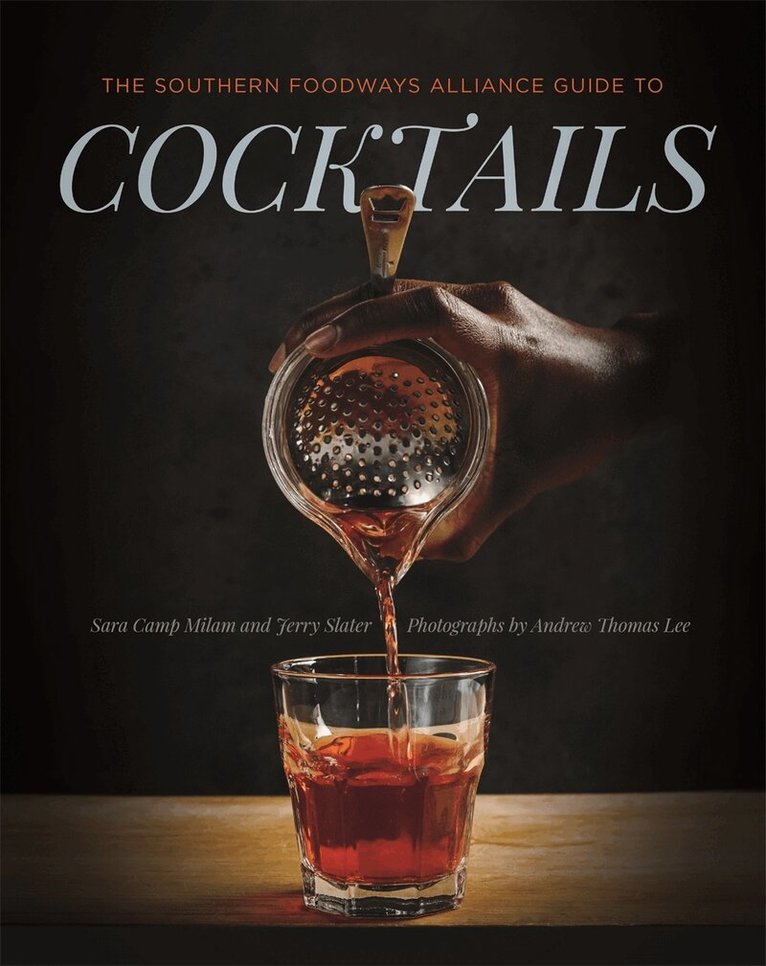
The South’s relationship with drinking is complicated. Although religious and legal mandates discourage the sale and consumption of alcohol, the region has a robust drinking culture. As the home of NASCAR, a sport that arose from the high-speed antics of bootleggers, and Tennessee Williams, a man notorious for both his literary genius and his propensity to imbibe, the Bible Belt has a booze-soaked background. In the recipes and essays in The Southern Foodways Alliance Guide to Cocktails, Jerry Slater and Sara Camp Milam and their cocktail cabinet of contributors bridge the gaps between the culture, history, and practice of drinking in the South.Nearly one hundred easy-to-follow recipes instruct the home bartender how to create memorable drinks, whether they be light tipples or potent bell ringers. Milam and Slater organize their historical how-to by drink family, starting with day-drinking classics suitable for brunches and tailgating, such as the Michelada and the Ruby Slipper. Variations on the French 75, lovingly lauded by food writer Kat Kinsman, and various juleps, cobblers, and sours are also covered, as are strong finishes such as the Sazerac and the Vieux Carré. A final set of recipes focuses on the punch bowl, with instructions on how to mix such shareable libations as Chatham Artillery Punch and Watermelon Sangria. Milam and Slater also share information on essential tools and glassware with which to stock the home bar, as well as mixing and garnishing techniques.In addition, the book contains fifteen fun and informative essays on drink culture, including a profile of white whiskey whisperer Marvin “Popcorn” Sutton by historian Mark Essig, a piece on the kitschy pleasure of collecting figurative decanters by syndicated OC Weekly and ¡Ask a Mexican! columnist Gustavo Arellano, and an essay by the dean of cocktail history, David Wondrich, on “The Future of Southern Drinking.”Lest we drink on an empty stomach, recipes for cocktail bites are provided by multiple James Beard Award nominee Vishwesh Bhatt. The Oxford, Mississippi–based Snackbar chef shares recipes for Benedictine Spread, Catfish Rillettes, Deviled Pickled Eggs, Deviled Ham, Okra Chaat, Pickled Shrimp, Shrimp Toast, Snackbar Pimento Cheese, Sweet Potato Biscuits with Pear Jam, and Spicy, Crunchy Black-Eyed Peas.
121 kr
Skickas inom 5-8 vardagar
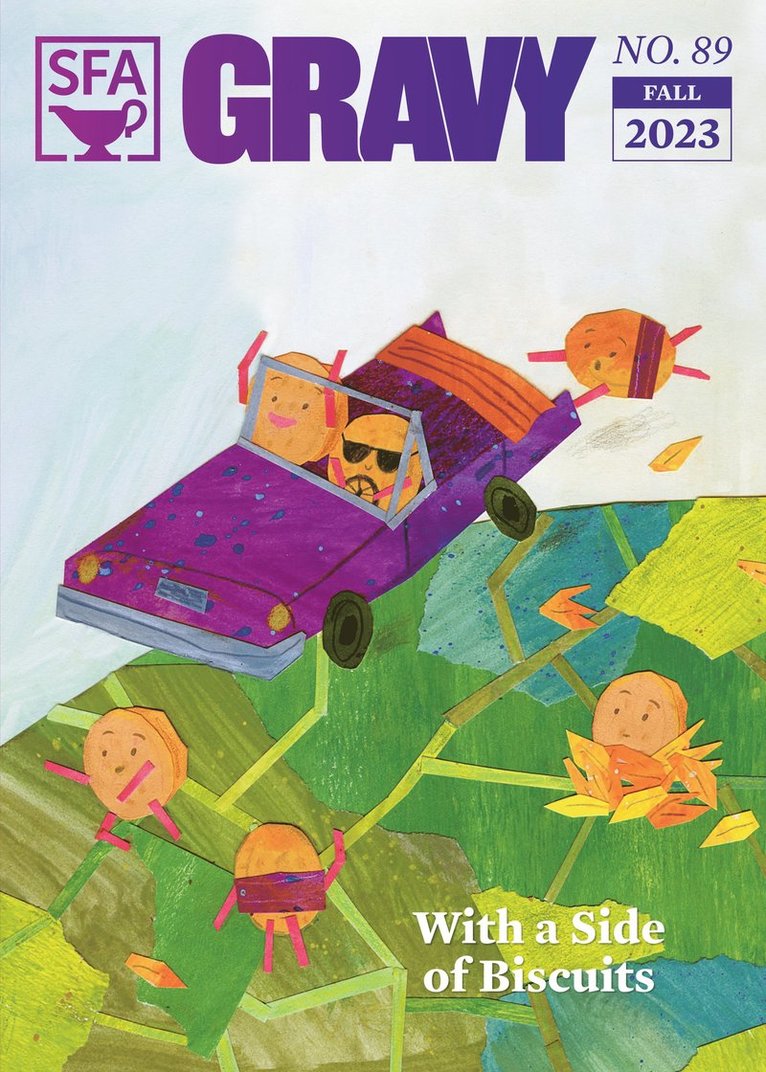
In a year when the Southern Foodways Alliance asks, “Where is the South?”, the Fall 2023 issue of Gravy examines Southern food inside and outside the region. Readers will follow traditional Southern foods as they transcend the region’s historic geographic borders. Meanwhile, newcomers to the South adapt to regional tastes and introduce new flavors to the canon.Mackenzie Martin tells of culinary entrepreneur Annie Fisher, who built a booming catering business at the turn of the twentieth century with her signature beaten biscuits—all without investors or access to a bank loan, as a Black woman in Jim Crow Missouri. In a story by Mikeie Reiland, two professional soccer players of African Muslim ancestry find a taste of home in Nashville, at iftar, the fast-breaking meal of Ramadan. Chris Jay serves up Shreveport stuffed shrimp, a dish perfected by a network of Black chefs in Shreveport, Louisiana, through five generations of restaurant ownership.Gravy columnist Hanna Raskin tracks Bojangles’ expansion into the Midwest, asking: does a fast food biscuit lose its fluff outside the South? Adrian Miller digs into the menu archives at the Carter Center to find out exactly how “Southern” the First Family ate in the White House. SFA oral historian Sarah Rodriguez shares excerpts from the new oral history project, Tapping into Richmond Beer, which chronicles craft brewing in Richmond, Virginia, through the city’s vibrant and diverse beer scene. Poet Reyes Ramirez explores Latino foodways in Texas in verse from his debut collection El Rey of Gold Teeth, forthcoming from Hub City Press. Erika Council talks biscuits and business in a Q&A about her new book, Still We Rise: A Love Letter to the Southern Biscuit with Over 70 Sweet and Savory Recipes.
121 kr
Skickas inom 5-8 vardagar
121 kr
Skickas inom 5-8 vardagar
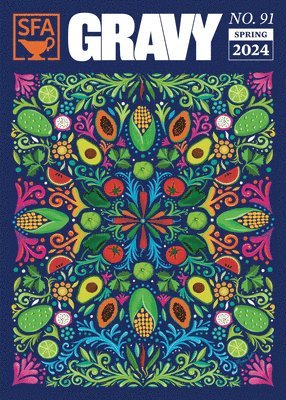
The Spring 2024 issue of Gravy centers food and movement, following dishes, rituals, and ingredients as they cross borders both geographic and symbolic.Chef and author Adán Medrano asks: what are the possibilities for identity, memory, and community when we treat cooking as an art? Omme Salma Rahemtullah, a scholar and community organizer, highlights the foodways of people of Indian descent whose families lived a generation or more in Uganda. Writer Mercedes Kane tells how jesa, a Korean food ritual held to honor and remember a deceased family member, helped her grieve the loss of her father after she learned it from her husband’s family.Poet Beth Ann Fennelly pens an “Epistle to My Lord Concerning My Son’s Future Spouses.” Columnist Gustavo Arellano writes of a Salvadoran-owned mercadito in Bowling Green, Kentucky, highlighting a successful business that caters to a diverse clientele. Minh-Y Tran maps her father’s journey from Vietnam to the American South.Katie King takes readers to California, where invasive crawfish provide expat Southerners with a taste of home. Jarrett van Meter visits a blues club that serves fried fish in his hometown of Lexington. J. Drew Lanham shares an excerpt from his poetry collection, Joy is the Justice We Give Ourselves, forthcoming from Hub City Press.
121 kr
Skickas inom 5-8 vardagar
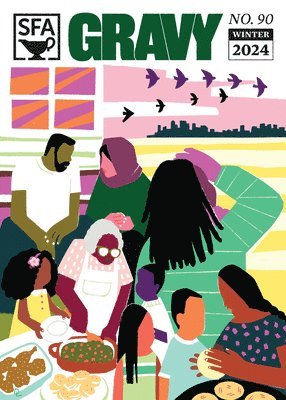
The Winter 2025 issue of Gravy explores themes of place, home, and land, following family traditions through changing geographies and circumstances. Along the way, contributors remind us that traditions can be more interesting—more complicated, more revelatory, more powerful—than they sometimes get credit for.Author Silas House remembers eating Little Debbie Christmas Tree Cakes as a child, which were manufactured in the company’s factory outside of Chattanooga, and explores the pride and affection Appalachians feel for the iconic desserts. The importance of these cakes to his family are a perfect example of a tradition—serving festive baked goods around the holidays—that stayed alive by evolving to fit changing times and circumstances. Elsewhere in the issue, writers carry forward their own family traditions with intention and effort. Neema Avashia grew up in West Virginia, where neighbors helped her parents plant a backyard garden full of ingredients that kept her family tethered to their Indian roots. Her essay describes how today, in her Boston home, a shared garden connects her back to the Mountain State. Wes Pirkle considers the changing face of quail hunting—and the dogs that made it possible—through his own experience, which began in Georgia in the 1980s, continued in Europe during his military career, and persists back in Georgia today.Columnist Hanna Raskin reports on prayer at the restaurant table, and what the practice means for both guests and hospitality workers. Andrea Weigl writes of North Carolina Triangle restaurants past and present, and what restaurants can tell us about a community’s evolution. Journalist Jewel Wicker interviews Atlanta chef Demetrius Brown about the colonial legacy of French cuisine. Emily Smith shares a poem of peaches and motherhood.