Sara Shneiderman - Böcker
Visar alla böcker från författaren Sara Shneiderman. Handla med fri frakt och snabb leverans.
4 produkter
4 produkter
509 kr
Skickas inom 5-8 vardagar
Darjeeling occupies a special place in the South Asian imaginary. With its Himalayan vistas, lush tea gardens, and brisk mountain air, Darjeeling was the consummate colonial hill-station. The romance with the "queen of the hills" lives on, as thousands of tourists (domestic and international) annually flock to the hills to taste its world-renowned tea, soak up the colonial nostalgia, and glimpse mighty Mount Kanchenjunga. Darjeeling's fame has now gone global and its legacy continues to fuel Hollywood and Bollywood fantasies. But this is only part of Darjeeling's story. Darjeeling Reconsidered provocatively rethinks Darjeeling's legendary status in the postcolonial imagination. Mobilizing diverse disciplinary approaches from the social sciences and humanities, this definitive collection of essays sheds fresh light on the region's past and offers critical insight into the issues facing its people today. The historical analyses break with hackneyed colonial accounts to provide alternative readings of systems of governance, labour, and migration that shaped Darjeeling. The ethnographic chapters present cutting-edge accounts of dynamics that define life in 21st century Darjeeling: among them the realpolitik of subnationalism; Fair Trade tea; indigenous struggle; gendered inequality; ecological transformation; and resource scarcity. Through these eye-opening perspectives, Darjeeling Reconsidered figures Darjeeling as a vital site for South Asian and Postcolonial Studies-and calls for a timely re-examination of the legend and hard-realities of this oft-romanticized region and its people. The book seeks a place on the shelves of postcolonial theorists, on the syllabi of undergraduate and graduate courses on South Asia, and in the rucksacks of intellectually curious visitors from all over the world to Darjeeling.
360 kr
Skickas inom 7-10 vardagar
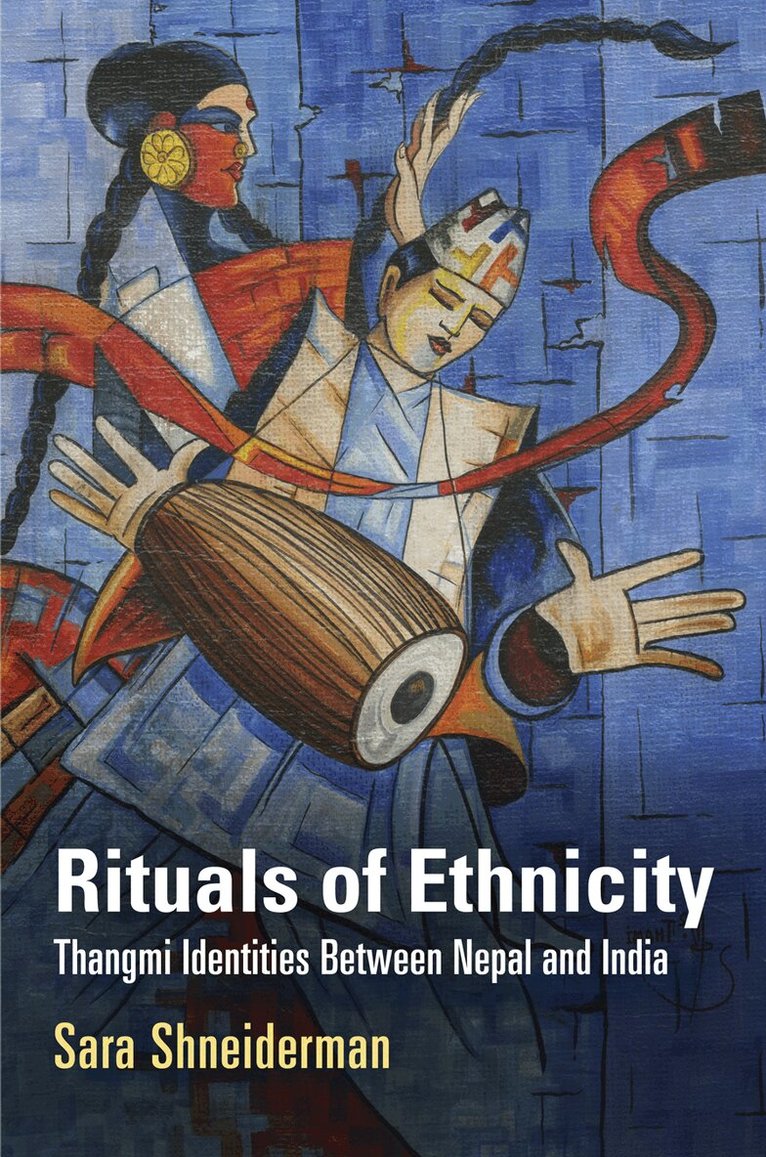
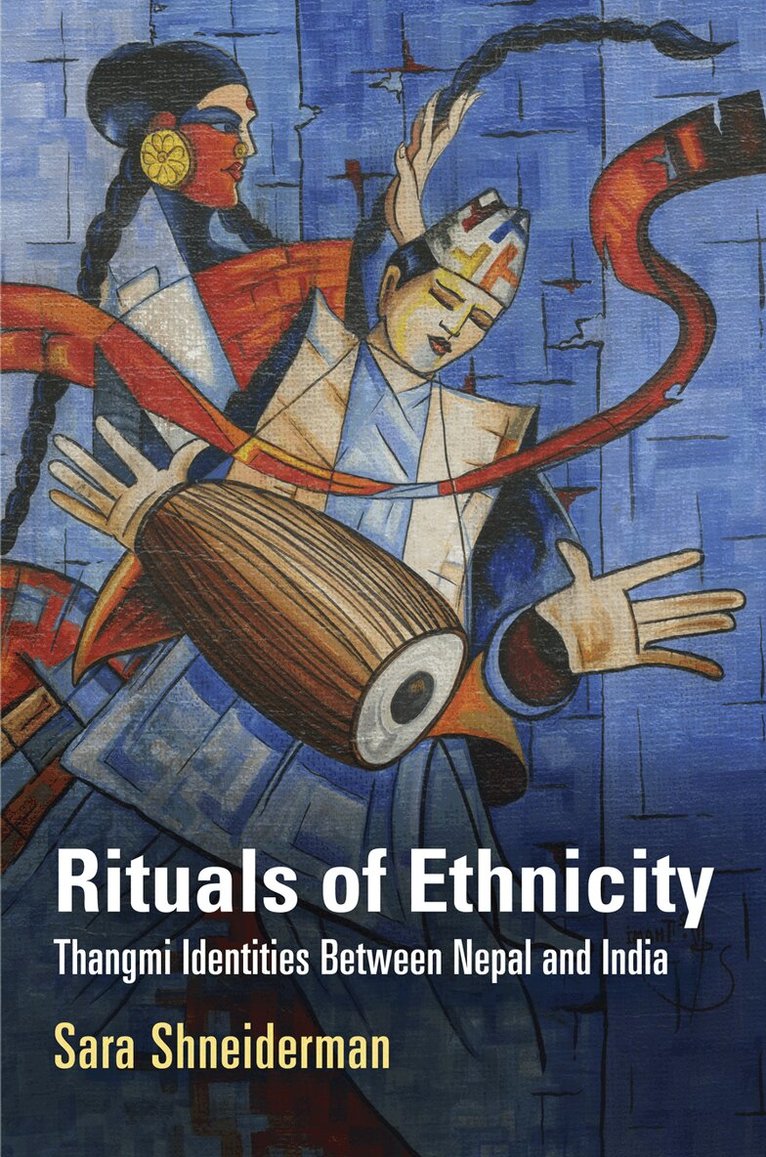
Rituals of Ethnicity is a transnational study of the relationships between mobility, ethnicity, and ritual action. Through an ethnography of the Thangmi, a marginalized community who migrate between Himalayan border zones of Nepal, India, and the Tibetan Autonomous Region of China, Shneiderman offers a new explanation for the persistence of enduring ethnic identities today despite the increasing realities of mobile, hybrid lives. She shows that ethnicization may be understood as a process of ritualization, which brings people together around the shared sacred object of identity.The first comprehensive ethnography of the Thangmi, Rituals of Ethnicity is framed by the Maoist-state civil conflict in Nepal and the movement for a separate state of Gorkhaland in India. The histories of individual nation-states in this geopolitical hotspot-as well as the cross-border flows of people and ideas between them-reveal the far-reaching and mutually entangled discourses of democracy, communism, development, and indigeneity that have transformed the region over the past half century. Attentive to the competing claims of diverse members of the Thangmi community, from shamans to political activists, Shneiderman shows how Thangmi ethnic identity is produced collaboratively by individuals through ritual actions embedded in local, national, and transnational contexts. She builds upon the specificity of Thangmi experiences to tell a larger story about the complexities of ethnic consciousness: the challenges of belonging and citizenship under conditions of mobility, the desire to both lay claim to and remain apart from the civil society of multiple states, and the paradox of self-identification as a group with cultural traditions in need of both preservation and development. Through deep engagement with a diverse, cross-border community that yearns to be understood as a distinctive, coherent whole, Rituals of Ethnicity presents an argument for the continued value of locally situated ethnography in a multisited world.Cover art: Lost Culture Can Not Be Reborn, painting by Mahendra Thami, Darjeeling, West Bengal, India.
909 kr
Skickas inom 10-15 vardagar
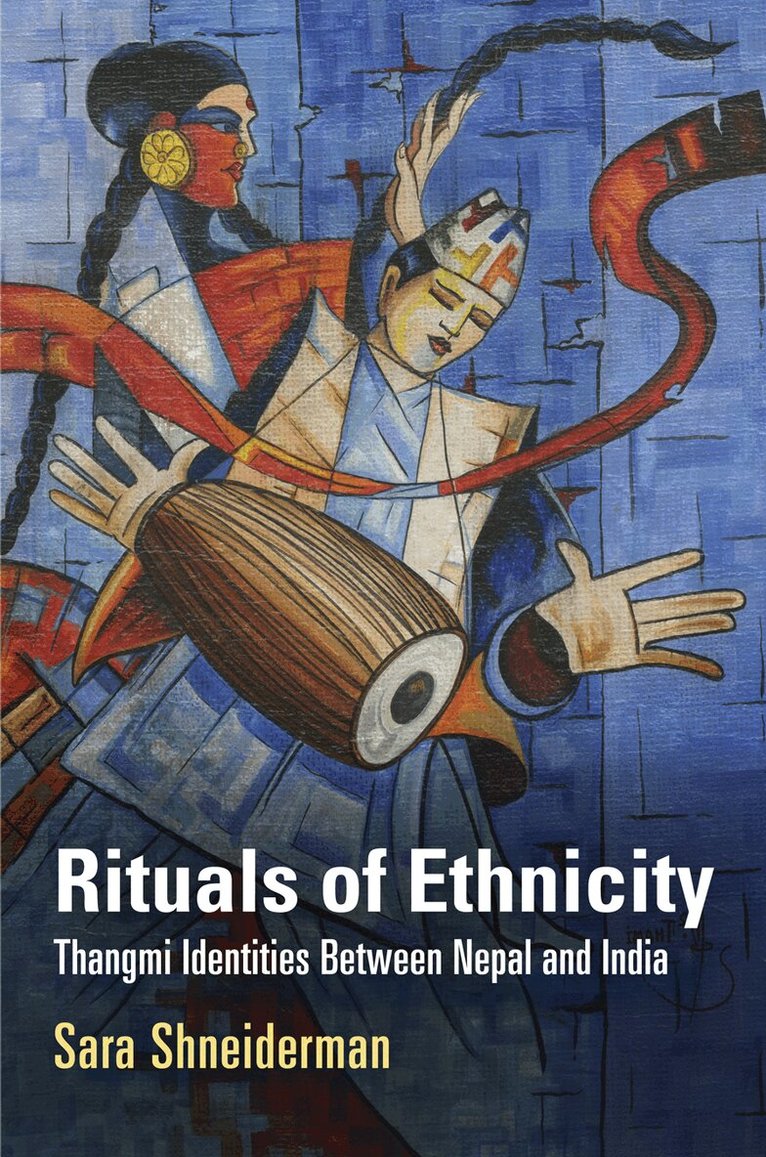
Rituals of Ethnicity is a transnational study of the relationships between mobility, ethnicity, and ritual action. Through an ethnography of the Thangmi, a marginalized community who migrate between Himalayan border zones of Nepal, India, and the Tibetan Autonomous Region of China, Shneiderman offers a new explanation for the persistence of enduring ethnic identities today despite the increasing realities of mobile, hybrid lives. She shows that ethnicization may be understood as a process of ritualization, which brings people together around the shared sacred object of identity.The first comprehensive ethnography of the Thangmi, Rituals of Ethnicity is framed by the Maoist-state civil conflict in Nepal and the movement for a separate state of Gorkhaland in India. The histories of individual nation-states in this geopolitical hotspot-as well as the cross-border flows of people and ideas between them-reveal the far-reaching and mutually entangled discourses of democracy, communism, development, and indigeneity that have transformed the region over the past half century. Attentive to the competing claims of diverse members of the Thangmi community, from shamans to political activists, Shneiderman shows how Thangmi ethnic identity is produced collaboratively by individuals through ritual actions embedded in local, national, and transnational contexts. She builds upon the specificity of Thangmi experiences to tell a larger story about the complexities of ethnic consciousness: the challenges of belonging and citizenship under conditions of mobility, the desire to both lay claim to and remain apart from the civil society of multiple states, and the paradox of self-identification as a group with cultural traditions in need of both preservation and development. Through deep engagement with a diverse, cross-border community that yearns to be understood as a distinctive, coherent whole, Rituals of Ethnicity presents an argument for the continued value of locally situated ethnography in a multisited world.Cover art: Lost Culture Can Not Be Reborn, painting by Mahendra Thami, Darjeeling, West Bengal, India.
287 kr
Skickas