Townsend Middleton - Böcker
Visar alla böcker från författaren Townsend Middleton. Handla med fri frakt och snabb leverans.
4 produkter
4 produkter
509 kr
Skickas inom 5-8 vardagar
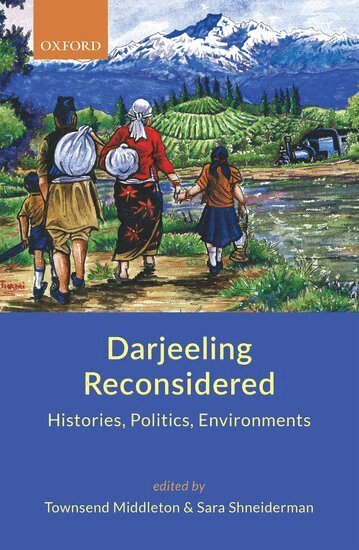
Darjeeling occupies a special place in the South Asian imaginary. With its Himalayan vistas, lush tea gardens, and brisk mountain air, Darjeeling was the consummate colonial hill-station. The romance with the "queen of the hills" lives on, as thousands of tourists (domestic and international) annually flock to the hills to taste its world-renowned tea, soak up the colonial nostalgia, and glimpse mighty Mount Kanchenjunga. Darjeeling's fame has now gone global and its legacy continues to fuel Hollywood and Bollywood fantasies. But this is only part of Darjeeling's story. Darjeeling Reconsidered provocatively rethinks Darjeeling's legendary status in the postcolonial imagination. Mobilizing diverse disciplinary approaches from the social sciences and humanities, this definitive collection of essays sheds fresh light on the region's past and offers critical insight into the issues facing its people today. The historical analyses break with hackneyed colonial accounts to provide alternative readings of systems of governance, labour, and migration that shaped Darjeeling. The ethnographic chapters present cutting-edge accounts of dynamics that define life in 21st century Darjeeling: among them the realpolitik of subnationalism; Fair Trade tea; indigenous struggle; gendered inequality; ecological transformation; and resource scarcity. Through these eye-opening perspectives, Darjeeling Reconsidered figures Darjeeling as a vital site for South Asian and Postcolonial Studies-and calls for a timely re-examination of the legend and hard-realities of this oft-romanticized region and its people. The book seeks a place on the shelves of postcolonial theorists, on the syllabi of undergraduate and graduate courses on South Asia, and in the rucksacks of intellectually curious visitors from all over the world to Darjeeling.
291 kr
Skickas inom 7-10 vardagar
A free ebook version of this title is available through Luminos, University of California Press's Open Access publishing program. Visit www.luminosoa.org to learn more.What happens after colonial industries have run their course—after the factory closes and the fields go fallow? Set in the cinchona plantations of India’s Darjeeling Hills, Quinine’s Remains chronicles the history and aftermaths of quinine. Harvested from cinchona bark, quinine was malaria’s only remedy until the twentieth-century advent of synthetic drugs, and it was vital to the British Empire. Today, the cinchona plantations—and the roughly fifty thousand people who call them home—remain. Their futures, however, are unclear. The Indian government has threatened to privatize or shut down this seemingly obsolete and crumbling industry, but the plantation community, led by strident trade unions, has successfully resisted. Overgrown cinchona fields and shuttered quinine factories may appear the stuff of postcolonial and postindustrial ruination, but quinine’s remains are not dead. Rather, they have become the site of urgent efforts to redefine land and life for the twenty-first century. Quinine's Remains offers a vivid historical and ethnographic portrait of what it means to forge life after empire.
1 386 kr
Skickas inom 10-15 vardagar
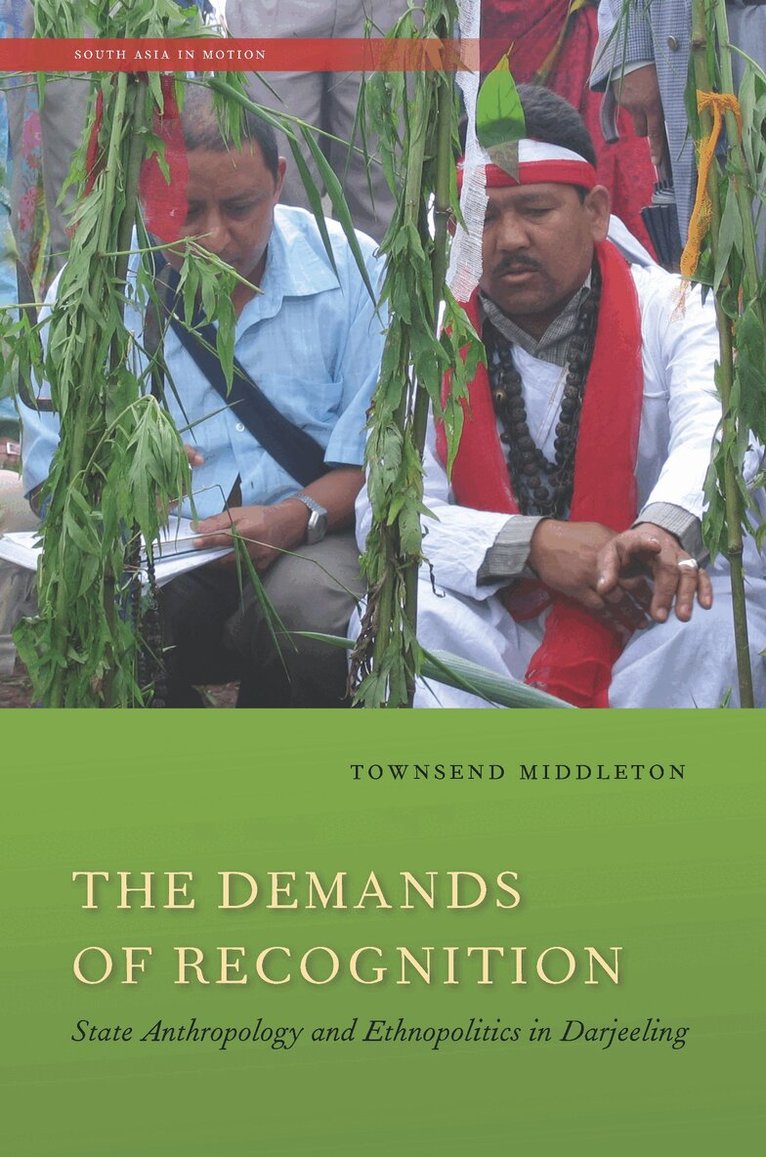
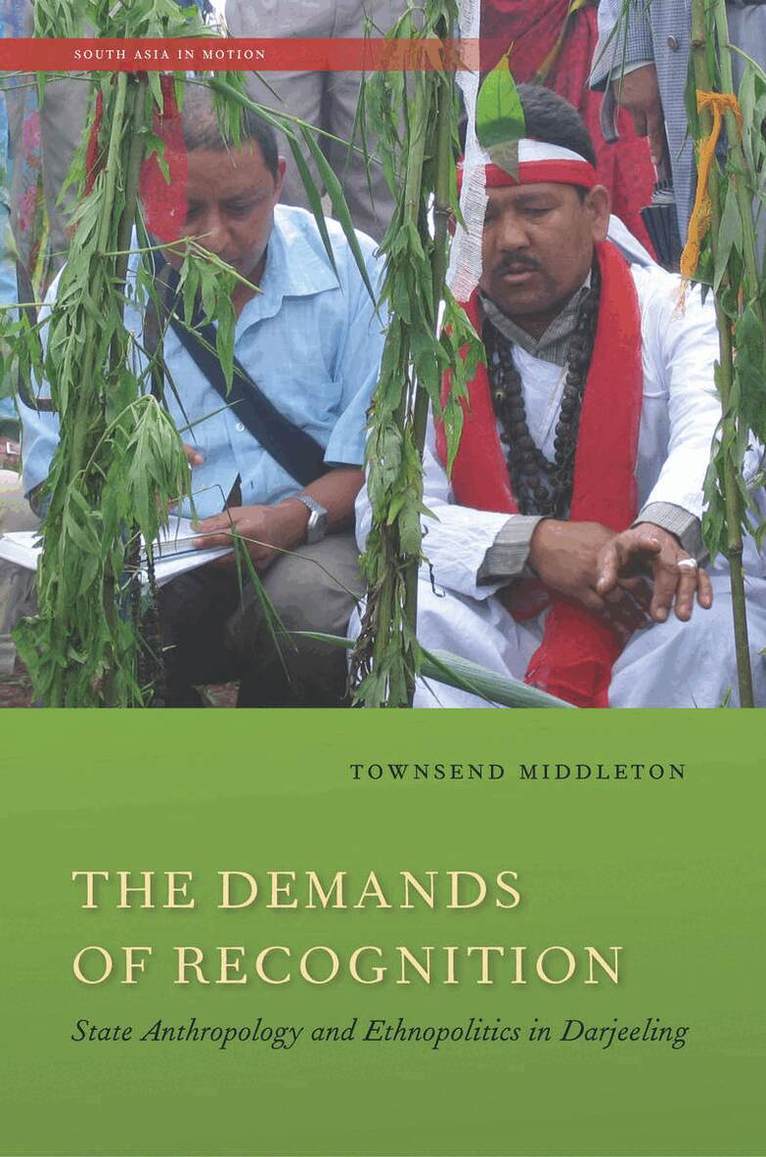
Since the British colonial period anthropology has been central to policy in India. But today, while the Indian state continues to use ethnography to govern, those who were the "objects" of study are harnessing disciplinary knowledge to redefine their communities, achieve greater prosperity, and secure political rights.In this groundbreaking study, Townsend Middleton tracks these newfound "lives" of anthropology. Offering simultaneous ethnographies of the people of Darjeeling's quest for "tribal" status and the government anthropologists handling their claims, Middleton exposes how minorities are—and are not—recognized for affirmative action and autonomy. We encounter communities putting on elaborate spectacles of sacrifice, exorcism, bows and arrows, and blood drinking to prove their "primitiveness" and "backwardness." Conversely, we see government anthropologists struggle for the ethnographic truth as communities increasingly turn academic paradigms back upon the state.The Demands of Recognition offers a compelling look at the escalating politics of tribal recognition in India. At once ethnographic and historical, it chronicles how multicultural governance has motivated the people of Darjeeling to ethnologically redefine themselves—from Gorkha to tribal and back. But as these communities now know, not all forms of difference are legible in the eyes of the state. The Gorkhas' search for recognition has only amplified these communities' anxieties about who they are—and who they must be—if they are to attain the rights, autonomy, and belonging they desire.
325 kr
Skickas inom 10-15 vardagar
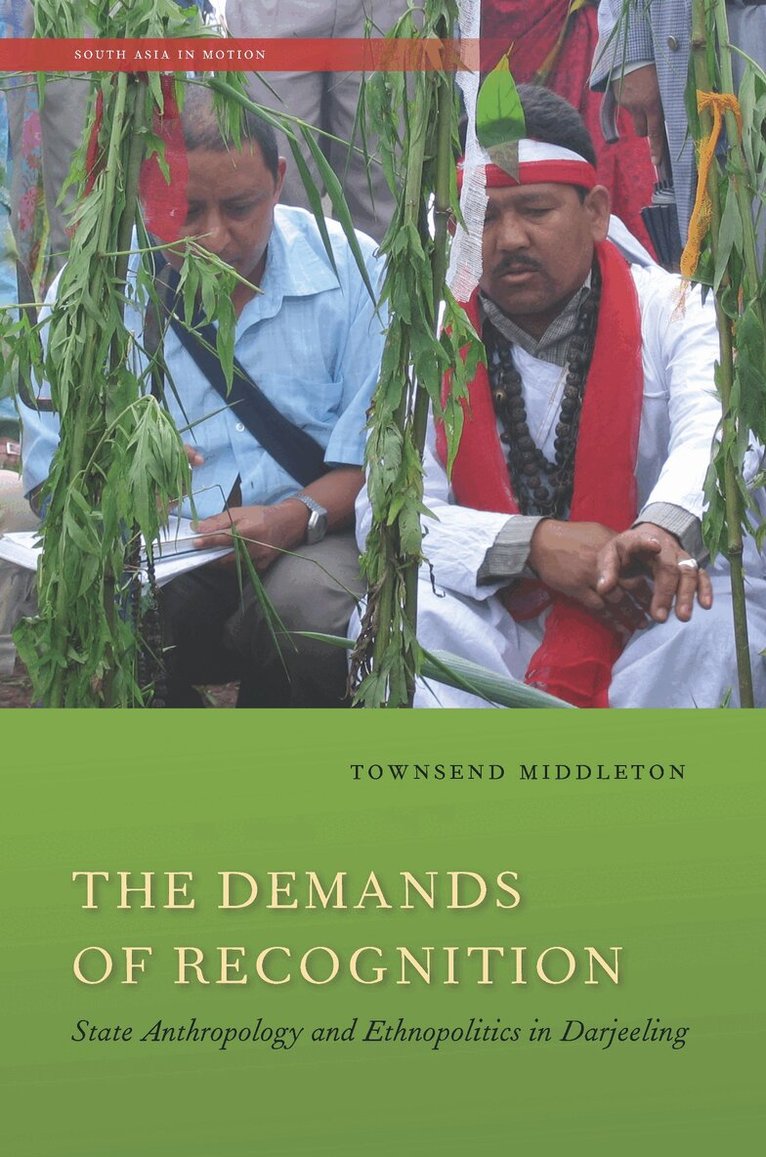
Since the British colonial period anthropology has been central to policy in India. But today, while the Indian state continues to use ethnography to govern, those who were the "objects" of study are harnessing disciplinary knowledge to redefine their communities, achieve greater prosperity, and secure political rights.In this groundbreaking study, Townsend Middleton tracks these newfound "lives" of anthropology. Offering simultaneous ethnographies of the people of Darjeeling's quest for "tribal" status and the government anthropologists handling their claims, Middleton exposes how minorities are—and are not—recognized for affirmative action and autonomy. We encounter communities putting on elaborate spectacles of sacrifice, exorcism, bows and arrows, and blood drinking to prove their "primitiveness" and "backwardness." Conversely, we see government anthropologists struggle for the ethnographic truth as communities increasingly turn academic paradigms back upon the state.The Demands of Recognition offers a compelling look at the escalating politics of tribal recognition in India. At once ethnographic and historical, it chronicles how multicultural governance has motivated the people of Darjeeling to ethnologically redefine themselves—from Gorkha to tribal and back. But as these communities now know, not all forms of difference are legible in the eyes of the state. The Gorkhas' search for recognition has only amplified these communities' anxieties about who they are—and who they must be—if they are to attain the rights, autonomy, and belonging they desire.