
Sarah A. Nickel - Böcker
Visar alla böcker från författaren Sarah A. Nickel. Handla med fri frakt och snabb leverans.
2 produkter
2 produkter
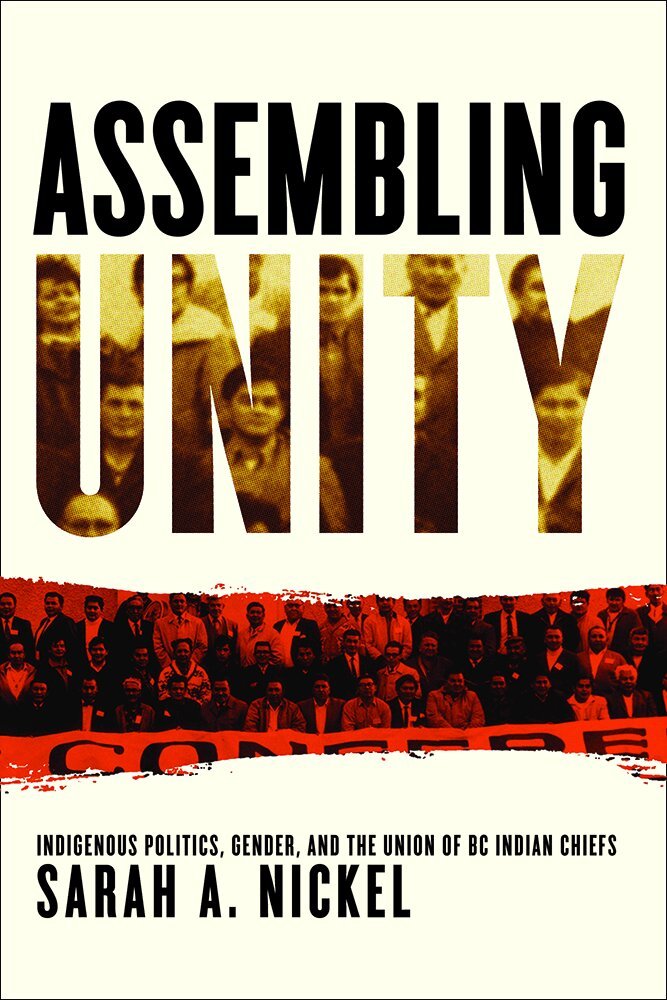
Assembling Unity
Indigenous Politics, Gender, and the Union of BC Indian Chiefs
Inbunden, Engelska, 2019
985 kr
Skickas inom 7-10 vardagar
Established narratives portray Indigenous unity as emerging solely in response to the political agenda of the settler state. But the concept of unity has long shaped the modern Indigenous political movement. With Indigenous perspectives and frameworks in the foreground, Assembling Unity explores the relationship between global political ideologies and pan-Indigenous politics in British Columbia through the history of the Union of BC Indian Chiefs (UBCIC). Sarah Nickel demonstrates that while unity has been an enduring goal for BC Indigenous peoples, its expression was heavily negotiated between UBCIC members, grassroots constituents, and Indigenous women's organizations. Nickel draws on oral interviews, newspaper articles, government documents, and UBCIC records to expose the uniquely gendered nature of political work, as well as the economic and emotional sacrifices that activists make. This incisive work unsettles dominant Western and patriarchal political ideals that cast Indigenous men as reactive and Indigenous women as invisible and apolitical.
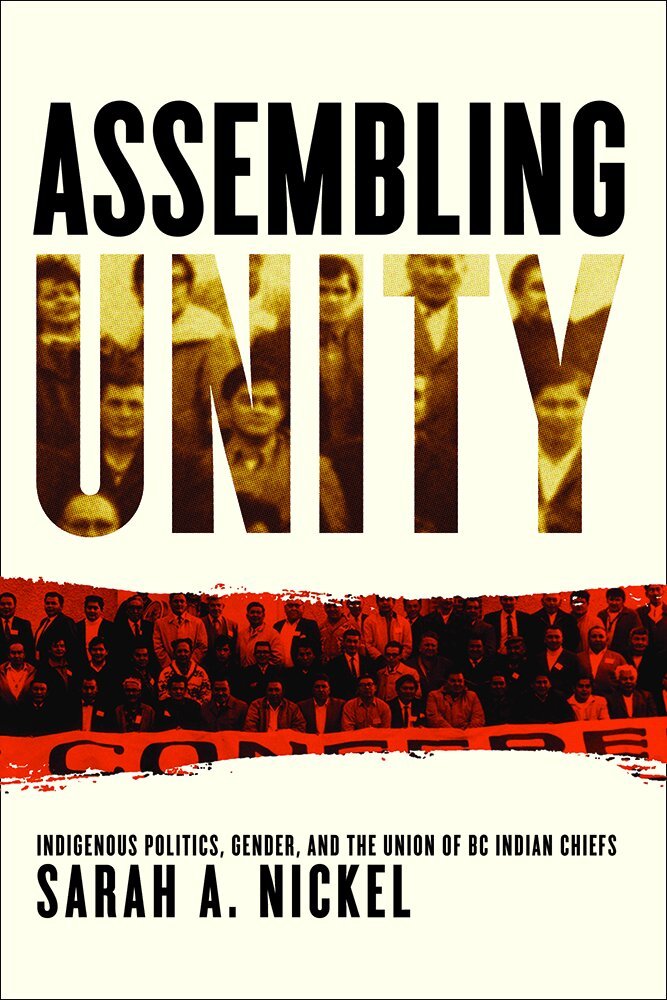
Assembling Unity
Indigenous Politics, Gender, and the Union of BC Indian Chiefs
Häftad, Engelska, 2019
357 kr
Skickas inom 11-20 vardagar
Established narratives portray Indigenous unity as emerging solely in response to the political agenda of the settler state. But the concept of unity has long shaped the modern Indigenous political movement. With Indigenous perspectives and frameworks in the foreground, Assembling Unity explores the relationship between global political ideologies and pan-Indigenous politics in British Columbia through the history of the Union of BC Indian Chiefs (UBCIC). Sarah Nickel demonstrates that while unity has been an enduring goal for BC Indigenous peoples, its expression was heavily negotiated between UBCIC members, grassroots constituents, and Indigenous women's organizations. Nickel draws on oral interviews, newspaper articles, government documents, and UBCIC records to expose the uniquely gendered nature of political work, as well as the economic and emotional sacrifices that activists make. This incisive work unsettles dominant Western and patriarchal political ideals that cast Indigenous men as reactive and Indigenous women as invisible and apolitical.