Sarah de Lange – författare
Visar alla böcker från författaren Sarah de Lange. Handla med fri frakt och snabb leverans.
5 produkter
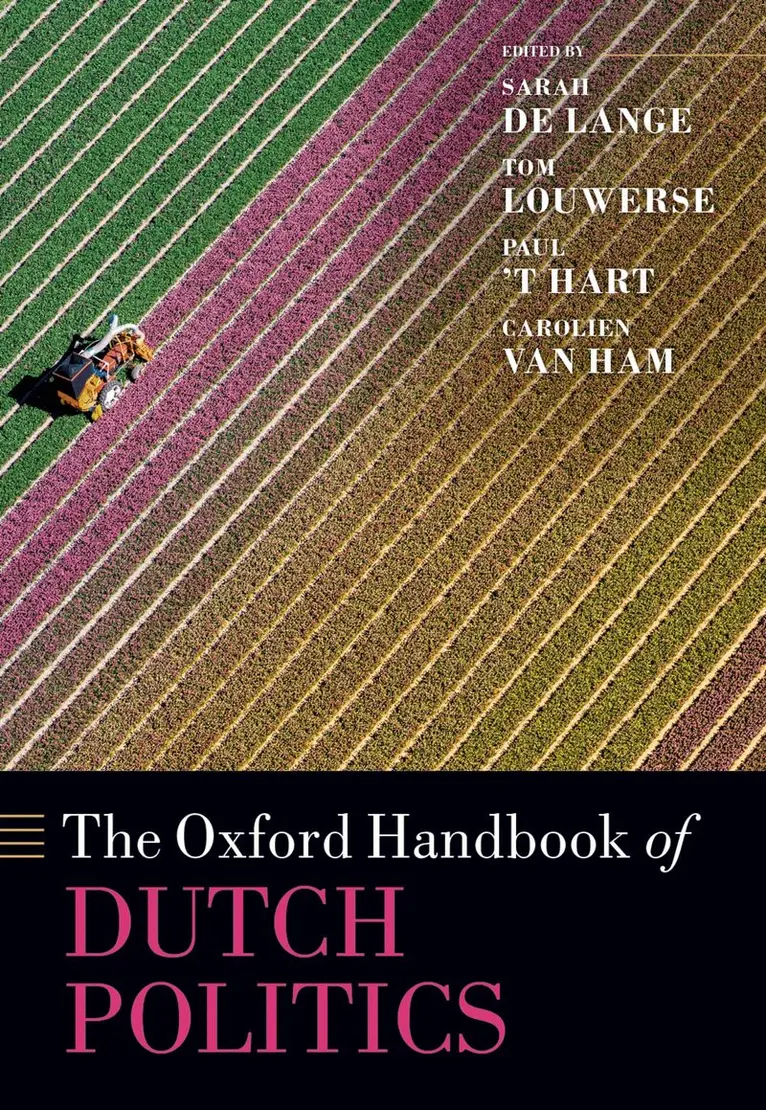
The Oxford Handbook of Dutch Politics
Av Paul T' Hart, Sarah de Lange
Inbunden, 2024
2777 kr
Lägg i varukorg
The Oxford Handbook of Dutch Politics provides a comprehensive longitudinal overview of the state of the art of academic research on the Dutch political system: its origins and historical development, its key institutions, main fault lines, pivotal processes, and key public policy dynamics. In each …
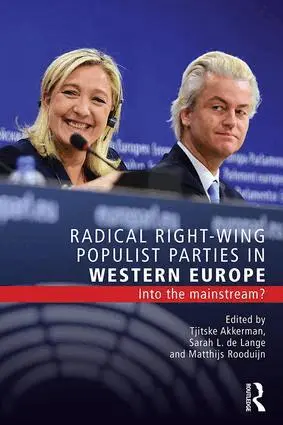
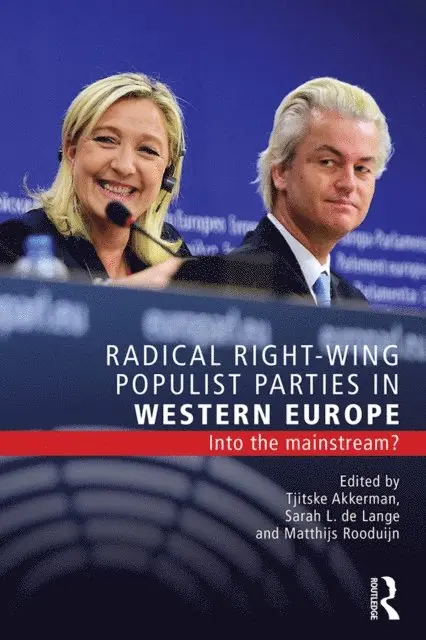
Radical Right-Wing Populist Parties in Western Europe
Into the Mainstream?
Av Tjitske Akkerman, Sarah de Lange m. fl.
Inbunden, 2016
2510 kr
Lägg i varukorg
Radical right-wing populist parties, such as Geert Wilders’ Party for Freedom, Marine Le Pen’s National Front or Nigel Farage’s UKIP, are becoming increasingly influential in Western European democracies. Their electoral support is growing, their impact on policy-making is substantial, and in …
Radical Right-Wing Populist Parties in Western Europe
Into the Mainstream?
Av Tjitske Akkerman, Sarah de Lange m. fl.
Häftad, 2016
691 kr
Lägg i varukorg
Radical right-wing populist parties, such as Geert Wilders’ Party for Freedom, Marine Le Pen’s National Front or Nigel Farage’s UKIP, are becoming increasingly influential in Western European democracies. Their electoral support is growing, their impact on policy-making is substantial, and in …
Radical Right-Wing Populist Parties in Western Europe
Into the Mainstream?
Av Matthijs Rooduijn, Sarah de Lange m. fl.
E-bok, 2016
1022 kr
Lägg i varukorg
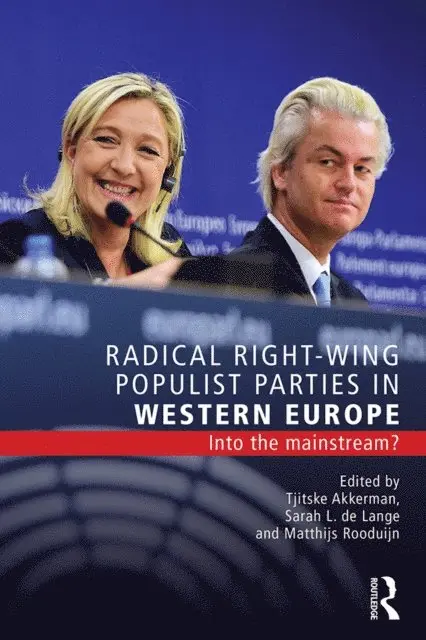
Radical right-wing populist parties, such as Geert Wilders’ Party for Freedom, Marine Le Pen’s National Front or Nigel Farage’s UKIP, are becoming increasingly influential in Western European democracies. Their electoral support is growing, their impact on policy-making is substantial, and in …
Radical Right-Wing Populist Parties in Western Europe
Into the Mainstream?
Av Matthijs Rooduijn, Sarah de Lange m. fl.
E-bok, 2016
1022 kr
Lägg i varukorg
Radical right-wing populist parties, such as Geert Wilders’ Party for Freedom, Marine Le Pen’s National Front or Nigel Farage’s UKIP, are becoming increasingly influential in Western European democracies. Their electoral support is growing, their impact on policy-making is substantial, and in …