Sarah Ifft Decker - Böcker
Visar alla böcker från författaren Sarah Ifft Decker. Handla med fri frakt och snabb leverans.
6 produkter
6 produkter
Del 7 - Iberian Encounter and Exchange, 475–1755
Fruit of Her Hands
Jewish and Christian Women’s Work in Medieval Catalan Cities
Inbunden, Engelska, 2022
1 143 kr
Skickas inom 7-10 vardagar
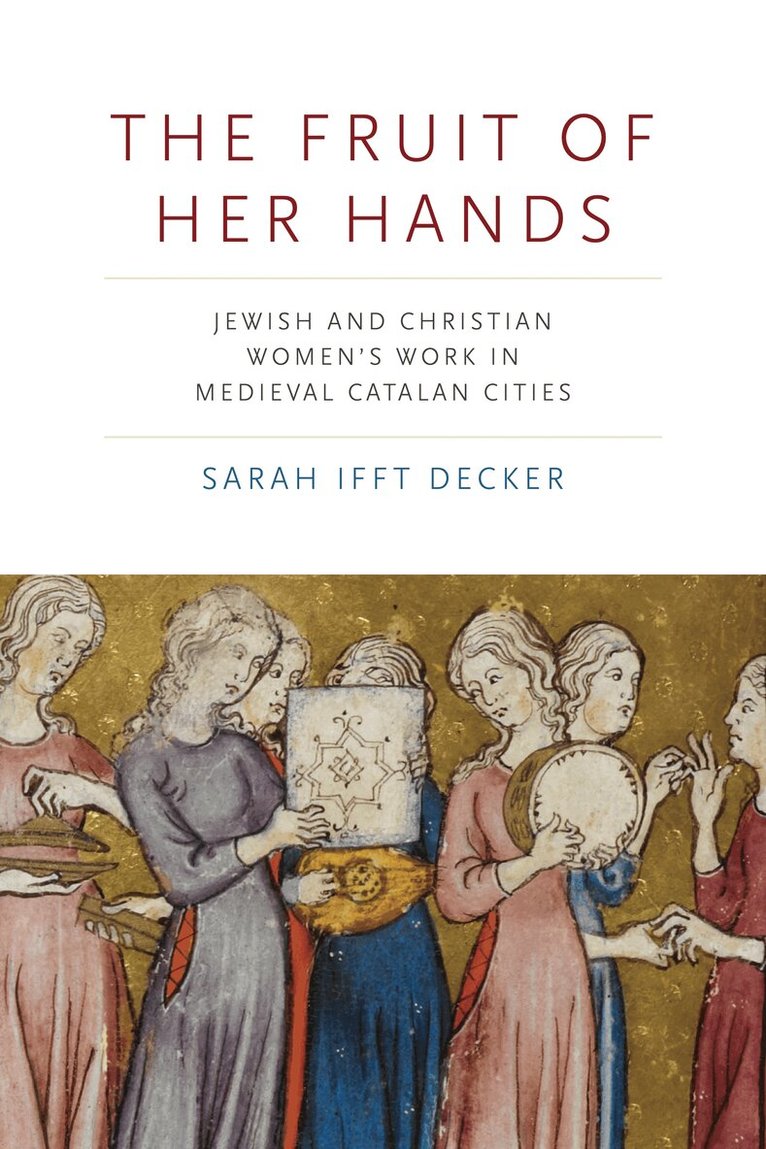
In the thriving urban economies of late thirteenth-century Catalonia, Jewish and Christian women labored to support their families and their communities. The Fruit of Her Hands examines how gender, socioeconomic status, and religious identity shaped how these women lived and worked.Sarah Ifft Decker draws on thousands of notarial contracts as well as legal codes, urban ordinances, and Hebrew responsa literature to explore the lived experiences of Jewish and Christian women in the cities of Barcelona, Girona, and Vic between 1250 and 1350. Relying on an expanded definition of women’s work that includes the management of household resources as well as wage labor and artisanal production, this study highlights the crucial contributions women made both to their families and to urban economies. Christian women, Ifft Decker finds, were deeply embedded in urban economic life in ways that challenge traditional dichotomies between women in northern and Mediterranean Europe. And while Jewish women typically played a less active role than their Christian counterparts, Ifft Decker shows how, in moments of communal change and crisis, they could and did assume prominent roles in urban economies.Through its attention to the distinct experiences of Jewish and Christian women, The Fruit of Her Hands advances our understanding of Jewish acculturation in the Iberian Peninsula and the shared experiences of women of different faiths. It will be welcomed by specialists in gender studies and religious studies as well as students and scholars of medieval Iberia.
Del 7 - Iberian Encounter and Exchange, 475–1755
Fruit of Her Hands
Jewish and Christian Women’s Work in Medieval Catalan Cities
Häftad, Engelska, 2024
494 kr
Skickas inom 7-10 vardagar
In the thriving urban economies of late thirteenth-century Catalonia, Jewish and Christian women labored to support their families and their communities. The Fruit of Her Hands examines how gender, socioeconomic status, and religious identity shaped how these women lived and worked.Sarah Ifft Decker draws on thousands of notarial contracts as well as legal codes, urban ordinances, and Hebrew responsa literature to explore the lived experiences of Jewish and Christian women in the cities of Barcelona, Girona, and Vic between 1250 and 1350. Relying on an expanded definition of women’s work that includes the management of household resources as well as wage labor and artisanal production, this study highlights the crucial contributions women made both to their families and to urban economies. Christian women, Ifft Decker finds, were deeply embedded in urban economic life in ways that challenge traditional dichotomies between women in northern and Mediterranean Europe. And while Jewish women typically played a less active role than their Christian counterparts, Ifft Decker shows how, in moments of communal change and crisis, they could and did assume prominent roles in urban economies.Through its attention to the distinct experiences of Jewish and Christian women, The Fruit of Her Hands advances our understanding of Jewish acculturation in the Iberian Peninsula and the shared experiences of women of different faiths. It will be welcomed by specialists in gender studies and religious studies as well as students and scholars of medieval Iberia.
548 kr
Skickas inom 10-15 vardagar
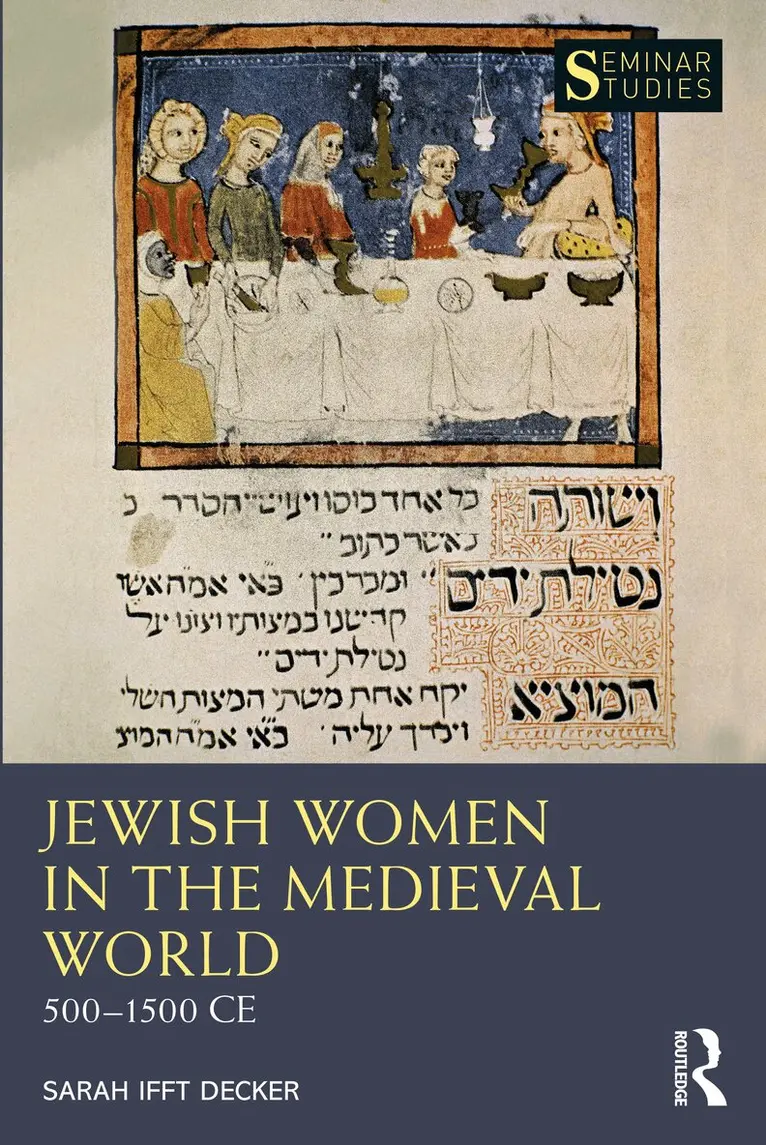
Jewish Women in the Medieval World offers a thematic overview of the lived experiences of Jewish women in both Europe and the Middle East from 500 to 1500 CE, a group often ignored in general surveys on both medieval Jewish life and medieval women.The volume blends current scholarship with evidence drawn from primary sources, originally written in languages including Hebrew, Latin, Aramaic, and Judeo-Arabic, to introduce both the state of scholarship on women and gender in medieval Jewish communities, and the ways in which Jewish women experienced family, love, sex, work, faith, and crisis in the medieval past. From the well-known Dolce of Worms to the less famed Bonadona, widow of Astrug Caravida of Girona, to the many nameless women referred to in medieval texts, Jewish Women tells the stories of individual women alongside discussions of wider trends in different parts of the medieval world. Even through texts written about women by men, the intelligence, courage, and perseverance of medieval Jewish women become clear to modern readers.With the inclusion of a Chronology, Who’s Who, Documents section, and Glossary, this study is an essential resource for students and other readers interested in both Jewish history and women’s history.
2 104 kr
Skickas inom 10-15 vardagar
Jewish Women in the Medieval World offers a thematic overview of the lived experiences of Jewish women in both Europe and the Middle East from 500 to 1500 CE, a group often ignored in general surveys on both medieval Jewish life and medieval women.The volume blends current scholarship with evidence drawn from primary sources, originally written in languages including Hebrew, Latin, Aramaic, and Judeo-Arabic, to introduce both the state of scholarship on women and gender in medieval Jewish communities, and the ways in which Jewish women experienced family, love, sex, work, faith, and crisis in the medieval past. From the well-known Dolce of Worms to the less famed Bonadona, widow of Astrug Caravida of Girona, to the many nameless women referred to in medieval texts, Jewish Women tells the stories of individual women alongside discussions of wider trends in different parts of the medieval world. Even through texts written about women by men, the intelligence, courage, and perseverance of medieval Jewish women become clear to modern readers.With the inclusion of a Chronology, Who’s Who, Documents section, and Glossary, this study is an essential resource for students and other readers interested in both Jewish history and women’s history.
1 353 kr
Kommande
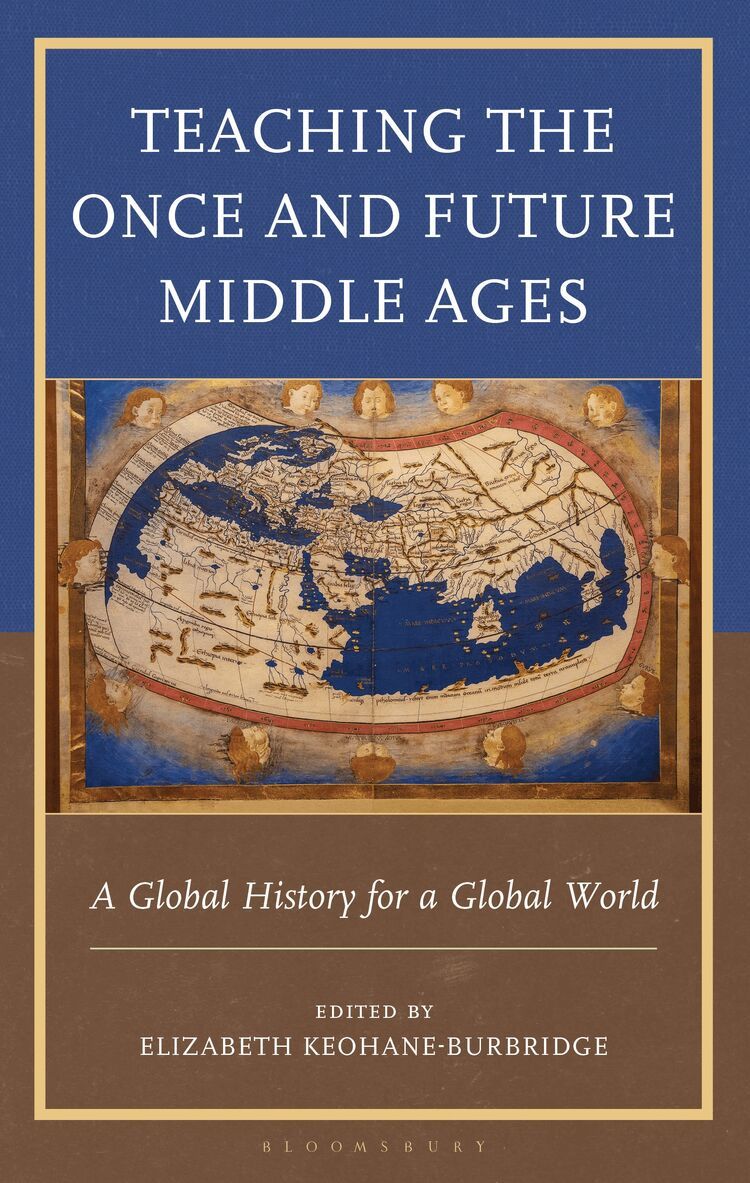
On graduating high school, many American students believe that the Middle Ages was full of knights, war, all-powerful popes, and, if their content went beyond Europe, potentially an incredibly wealthy man named Mansa Musa, and a Mesoamerican ballgame. In this version of the past, medieval people were backward, dirty, and all believed the earth was flat. While people who work within this chronological time period recognize its complexity, most students are not exposed to the history of the middle ages until they take upper level or graduate classes at universities, if they ever get that far. Given recent national and international events, it is evident that leaving this complicated and nuanced history for so late in a person’s educational journey is doing a social as well as educational disservice. In a quest to help teachers remediate this problem, several scholars of the global Middle Ages and Medievalisms have written lesson guides to be used by teachers of World and United States history for grades six through twelve. the goal is to create a collection that a teacher would be able to implement in their classroom with minimal additional work.
376 kr
Kommande
On graduating high school, many American students believe that the Middle Ages was full of knights, war, all-powerful popes, and, if their content went beyond Europe, potentially an incredibly wealthy man named Mansa Musa, and a Mesoamerican ballgame. In this version of the past, medieval people were backward, dirty, and all believed the earth was flat. While people who work within this chronological time period recognize its complexity, most students are not exposed to the history of the middle ages until they take upper level or graduate classes at universities, if they ever get that far. Given recent national and international events, it is evident that leaving this complicated and nuanced history for so late in a person’s educational journey is doing a social as well as educational disservice. In a quest to help teachers remediate this problem, several scholars of the global Middle Ages and Medievalisms have written lesson guides to be used by teachers of World and United States history for grades six through twelve. the goal is to create a collection that a teacher would be able to implement in their classroom with minimal additional work.