Scott A. MacKenzie - Böcker
Visar alla böcker från författaren Scott A. MacKenzie. Handla med fri frakt och snabb leverans.
3 produkter
3 produkter
1 211 kr
Skickas inom 10-15 vardagar
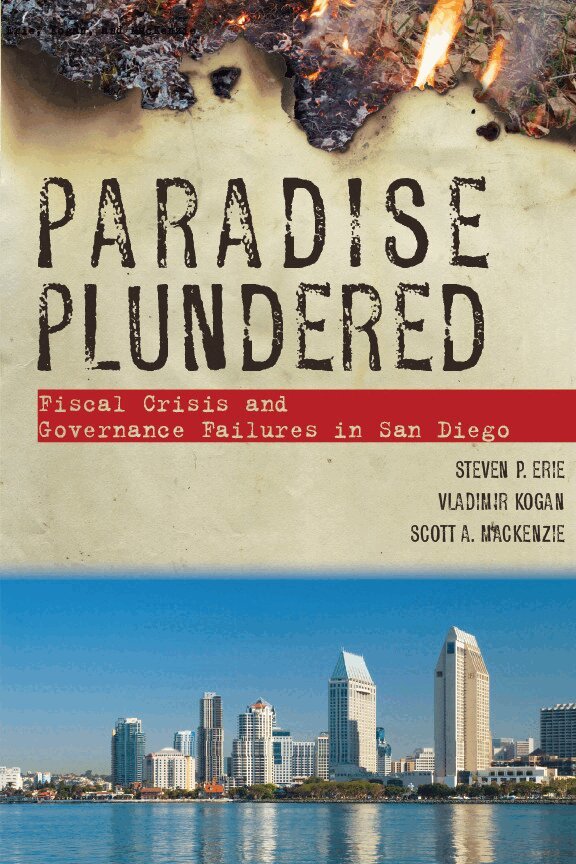
The early 21st century has not been kind to California's reputation for good government. But the Golden State's governance flaws reflect worrisome national trends with origins in the 1970s and 1980s. Growing voter distrust with government, a demand for services but not taxes to pay for them, a sharp decline in enlightened leadership and effective civic watchdogs, and dysfunctional political institutions have all contributed to the current governance malaise.Until recently, San Diego, California—America's 8th largest city—seemed immune to such systematic governance disorders. This sunny beach town entered the 1990s proclaiming to be "America's Finest City," but in a few short years its reputation went from "Futureville" to "Enron-by-the-Sea." In this eye-opening and telling narrative, Steven P. Erie, Vladimir Kogan, and Scott A. MacKenzie mix policy analysis, political theory, and history to explore and explain the unintended but largely predictable failures of governance in San Diego. Using untapped primary sources—interviews with key decision makers and public documents—and benchmarking San Diego with other leading California cities, Paradise Plundered examines critical dimensions of San Diego's governance failure: a multi-billion dollar pension deficit; a chronic budget deficit; inadequate city services and infrastructure; grandiose planning initiatives divorced from dire fiscal realities; an insulated downtown redevelopment program plagued by poorly-crafted public-private partnerships; and, for the metropolitan region, inadequate airport and port facilities, a severe underinvestment in firefighting capacity despite destructive wildfires, and heightened Mexican border security concerns. Far from a sunny story of paradise and prosperity, this account takes stock of an important but understudied city, its failed civic leadership, and poorly performing institutions, policymaking, and planning. Though the extent of these failures may place San Diego in a league of its own, other cities are experiencing similar challenges and political changes. As such, this tale of civic woe offers valuable lessons for urban scholars, practitioners, and general readers concerned about the future of their own cities.
290 kr
Skickas inom 7-10 vardagar
The early 21st century has not been kind to California's reputation for good government. But the Golden State's governance flaws reflect worrisome national trends with origins in the 1970s and 1980s. Growing voter distrust with government, a demand for services but not taxes to pay for them, a sharp decline in enlightened leadership and effective civic watchdogs, and dysfunctional political institutions have all contributed to the current governance malaise.Until recently, San Diego, California—America's 8th largest city—seemed immune to such systematic governance disorders. This sunny beach town entered the 1990s proclaiming to be "America's Finest City," but in a few short years its reputation went from "Futureville" to "Enron-by-the-Sea." In this eye-opening and telling narrative, Steven P. Erie, Vladimir Kogan, and Scott A. MacKenzie mix policy analysis, political theory, and history to explore and explain the unintended but largely predictable failures of governance in San Diego. Using untapped primary sources—interviews with key decision makers and public documents—and benchmarking San Diego with other leading California cities, Paradise Plundered examines critical dimensions of San Diego's governance failure: a multi-billion dollar pension deficit; a chronic budget deficit; inadequate city services and infrastructure; grandiose planning initiatives divorced from dire fiscal realities; an insulated downtown redevelopment program plagued by poorly-crafted public-private partnerships; and, for the metropolitan region, inadequate airport and port facilities, a severe underinvestment in firefighting capacity despite destructive wildfires, and heightened Mexican border security concerns. Far from a sunny story of paradise and prosperity, this account takes stock of an important but understudied city, its failed civic leadership, and poorly performing institutions, policymaking, and planning. Though the extent of these failures may place San Diego in a league of its own, other cities are experiencing similar challenges and political changes. As such, this tale of civic woe offers valuable lessons for urban scholars, practitioners, and general readers concerned about the future of their own cities.
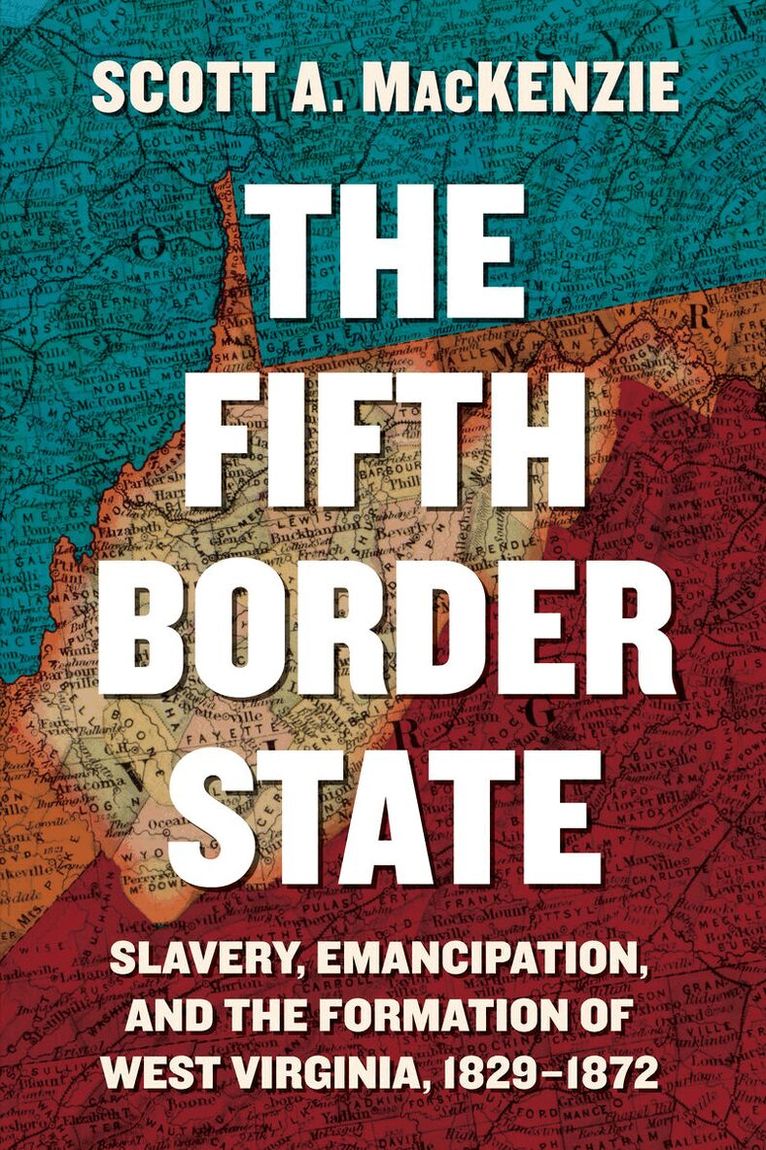
Fifth Border State
Slavery, Emancipation, and the Formation of West Virginia, 1829–1872
Häftad, Engelska, 2023
321 kr
Skickas inom 10-15 vardagar
One of the first new interpretations of West Virginia’s origins in over a century—and one that corrects previous histories’ tendency to minimize support for slavery in the state’s founding.Every history of West Virginia’s creation in 1863 explains the event in similar ways: at the start of the Civil War, political, social, cultural, and economic differences with eastern Virginia motivated the northwestern counties to resist secession from the Union and seek their independence from the rest of the state. In The Fifth Border State, Scott A. MacKenzie offers the first new interpretation of the topic in over a century—one that corrects earlier histories’ tendency to minimize support for slavery in the state’s founding.Employing previously unused sources and reexamining existing ones, MacKenzie argues that West Virginia experienced the Civil War in the same ways as the border states of Missouri, Kentucky, Maryland, and Delaware. Like these northernmost slave states, northwestern Virginia supported the institution of slavery out of proportion to the actual presence of enslavement there. The people who became West Virginians built a new state first to protect slavery, but radical Unionists and escaping slaves forced emancipation on the statehood movement. MacKenzie shows how conservatives and radicals clashed over Black freedom, correcting many myths about West Virginia’s origins and making The Fifth Border State an important addition to the literature in Appalachian and Civil War history.