Scott C. Martin – författare
Visar alla böcker från författaren Scott C. Martin. Handla med fri frakt och snabb leverans.
4 produkter
4 produkter
664 kr
Skickas inom 7-10 vardagar
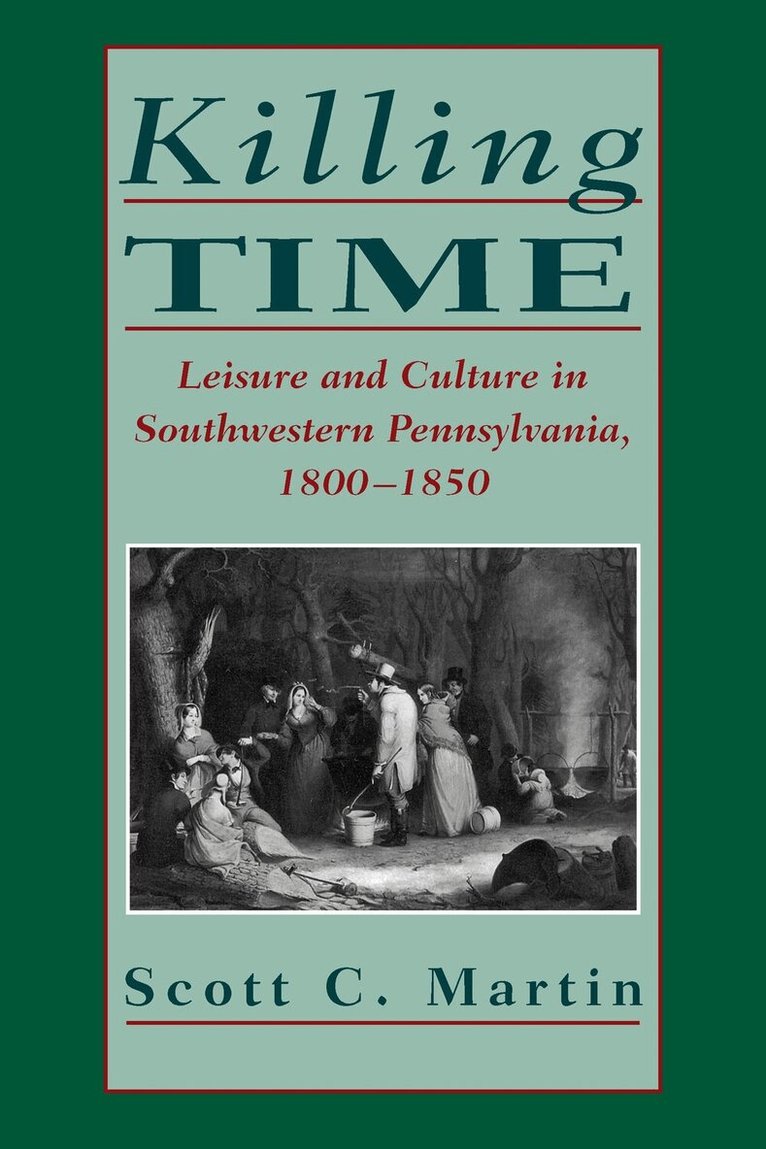
Scott C. Martin examines leisure as a \u201ccontested cultural space\u201d in which nineteenth-century Americans articulated and developed ideas about ethnicity, class, gender, and community. This new perspective demonstrates how leisure and sociability mediated the transition from an agricultural to an industrial society. Martin argues persuasively that southwestern Pennsylvanians used leisure activities to create identities and define values in a society being transformed by market expansion. The transportation revolution brought new commercial entertainments and recreational opportunities but also fragmented and privatized customary patterns of communal leisure.By using leisure as a window on the rapid changes sweeping through the region, Martin shows how southwestern Pennsylvanians used voluntary associations, private parties, and public gatherings to construct social identities better suited to their altered circumstances. The prosperous middle class devised amusements to distinguish them from workers who, in turn, resisted reformersÆ attempts to constrain their use of free time. Ethnic and racial minorities used holiday observances and traditional celebrations to define their place in American society, while women tested the boundaries of the domestic sphere through participation in church fairs, commercial recreation, and other leisure activities.This study illuminates the cultural history of the region and offers broader insights into perceptions of free time, leisure, and community in antebellum America.
Devil of the Domestic Sphere
Temperance, Gender, and Middle-class Ideology, 1800-1860
Inbunden, Engelska, 2008
655 kr
Skickas inom 3-6 vardagar
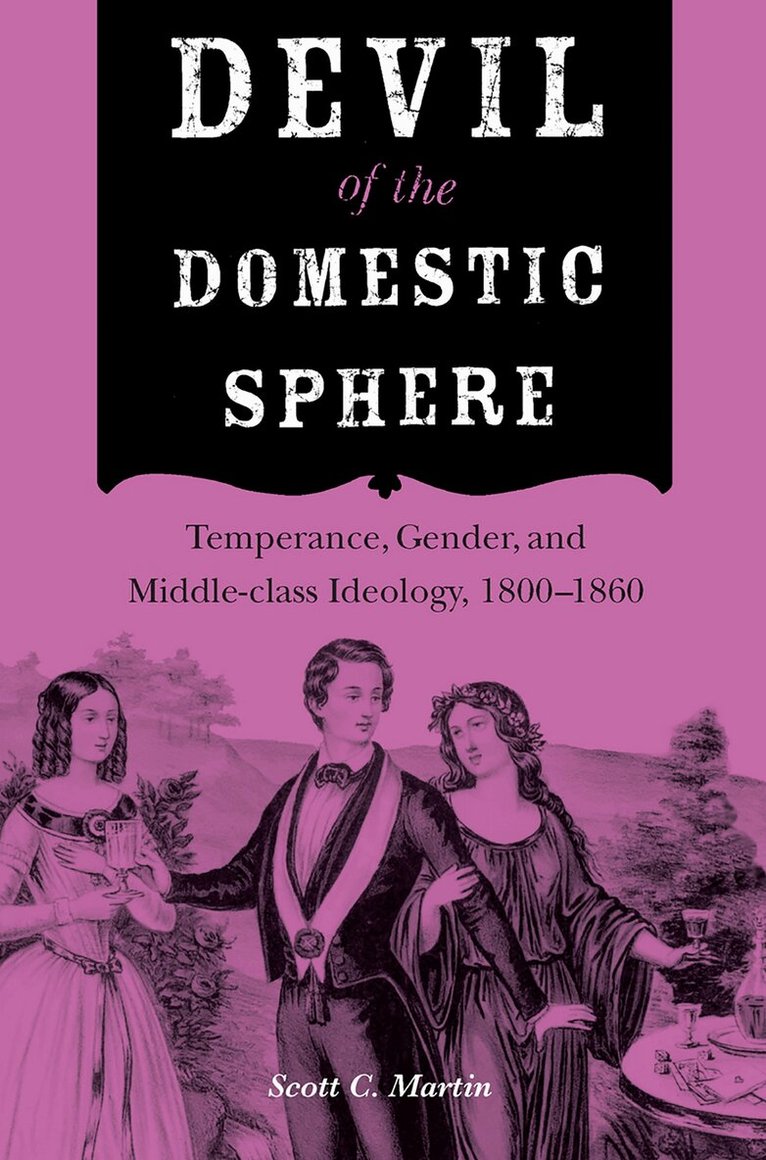
Drink, in the minds of antebellum temperance reformers, represented the threat of an increasingly urban, industrial world. Contrasting the drunkards' lack of restraint with their own thrift and sobriety, these members of the emerging middle class lay claim to respectability, virtue, and moral leadership. As they sought to legitimate their own authority, reformers also employed temperance literature to propagate middle-class ideas about the nature of women and their role as guardians of the home.Stories of women as innocent victims and loving saviors filled temperance literature. Ministers, novelists, and journalists portrayed wives beaten by drunken husbands; poets and songwriters extolled mothers and sisters who rescued men from demon drink. Yet a strand of misogyny also ran through temperance ideology. Denunciation of women as causes of intemperance and snares for men and celebration of women's victimization often coexisted with a more positive assessment of women's role in the emerging middle class. Unless a woman remained vigilant, she too might succumb to drink, and reformers had very little sympathy for such a fallen angel.By examining the contradictory images of women employed by the antebellum temperance movement, Scott Martin reveals the reformers' commitment not only to social betterment but also to middle-class interests and a particular gender ideology.Martin explores the reasons why more men than women drank, the ways in which society dealt with women who neglected familial and social obligations to become drunkards, and the consequences of women's failure to eradicate male drunkenness."Devil of the Domestic Sphere", the newest addition to NIU Press's "Drugs and Alcohol Series", will be of interest to American historians and historians of women and gender.
Devil of the Domestic Sphere
Temperance, Gender, and Middle-class Ideology, 1800–1860
Häftad, Engelska, 2010
338 kr
Skickas inom 10-15 vardagar
Drink, in the minds of antebellum temperance reformers, represented the threat of an increasingly urban, industrial world. Contrasting the drunkards' lack of restraint with their own thrift and sobriety, these members of the emerging middle class lay claim to respectability, virtue, and moral leadership. As they sought to legitimate their own authority, reformers also employed temperance literature to propagate middle-class ideas about the nature of women and their role as guardians of the home.Stories of women as innocent victims and loving saviors filled temperance literature. Ministers, novelists, and journalists portrayed wives beaten by drunken husbands; poets and songwriters extolled mothers and sisters who rescued men from demon drink. Yet a strand of misogyny also ran through temperance ideology. Denunciation of women as causes of intemperance and snares for men, and celebration of women's victimization often coexisted with a more positive assessment of women's role in the emerging middle class. Unless a woman remained vigilant, she too might succumb to drink, and reformers had very little sympathy for such a fallen angel.By examining the contradictory images of women employed by the antebellum temperance movement, Scott Martin reveals the reformers' commitment not only to social betterment but also to middle-class interests and a particular gender ideology. Martin explores the reasons why more men than women drank, the ways in which society dealt with women who neglected familial and social obligations to become drunkards, and the consequences of women's failure to eradicate male drunkenness.
7 857 kr
Skickas
The SAGE Encyclopedia of Alcohol: Social, Cultural, and Historical Perspectives examines the history of alcohol worldwide and goes beyond the historical lens to examine alcohol as a cultural and social phenomenon, used both for good and for ill. While these roots are traced back through nearly all human societies for the past thousands of years, many results are still present in today’s society. Some examples include Germany’s repute of being known as a "beer culture" and France’s as a "wine culture." With alcohol having many purposes and significance, it has become a strong part of cultures around the world as usage ranges from religious purposes to a simple toast to a seal business deal. Key Features: 550 entries are organized A-to-Z, available in a choice of electronic or print formats. Entries, authored and signed by academics, conclude with cross references and further readings. A detailed index, the Reader’s Guide, and cross references combine for search-and-browse in the electronic version. Back matter includes a timeline, appendices (alcohol statistics, toasts in languages from around the world, etc.), and a helpful Resource Guide directing students to classic books, journals, and web sites for more in-depth study. This reference work will serve as a general, non-technical resource for students and researchers who are interested in expanding their knowledge on social, cultural, and historical perspectives on topics relating to alcohol.