Scott Nethersole – författare
Visar alla böcker från författaren Scott Nethersole. Handla med fri frakt och snabb leverans.
5 produkter
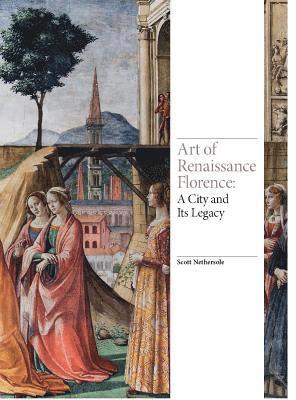
Art of Renaissance Florence
A City and Its Legacy
Inbunden, 2019
356 kr
Lägg i varukorg
'Nethersole's thought-provoking analysis reaffirms how crucial Florentine art was to the dissemination of Renaissance ideas throughout the Italian peninsula and far beyond.' The Art Newspaper In this vivid account Scott Nethersole examines the remarkable period of cultural, artistic and …
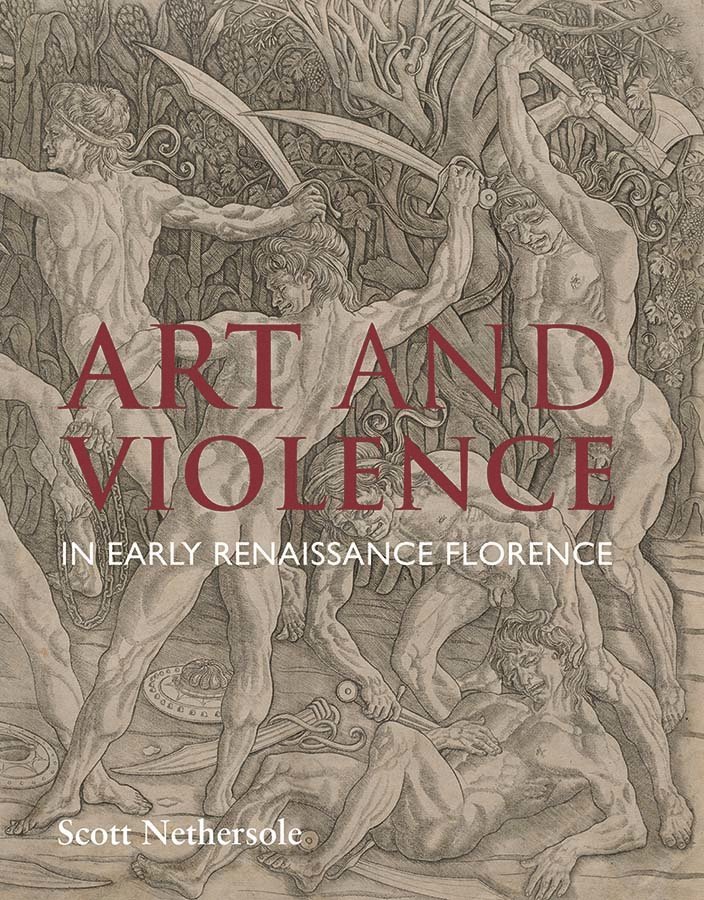
Art and Violence in Early Renaissance Florence
Inbunden, 2018
712 kr
Lägg i varukorg
This study is the first to examine the relationship between art and violence in 15th-century Florence, exposing the underbelly of a period more often celebrated for enlightened and progressive ideas. Renaissance Florentines were constantly subjected to the sight of violence, whether in carefully …
Lorenzo Ghiberti
Designer
Inbunden, 2026
203 kr
Lägg i varukorg
Lorenzo Ghiberti was the most celebrated sculptor of his day – praised by Alberti, admired by peers and trusted with Florence’s most prestigious commissions, including the iconic Baptistery doors. Yet his legacy has often been diminished, cast as a decorative hangover from the Gothic era and …
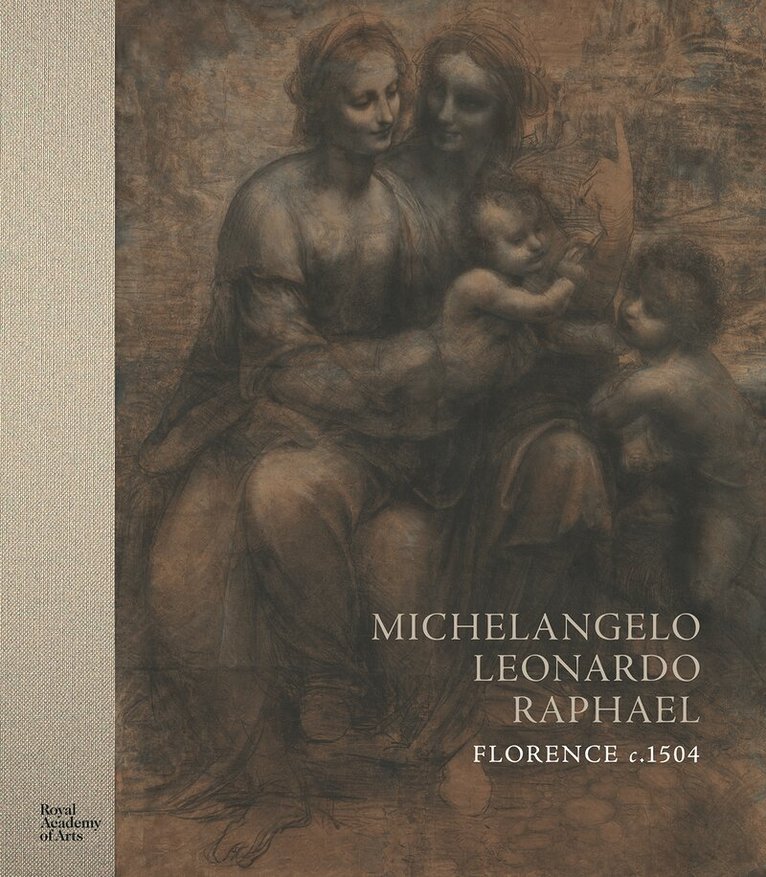
Michelangelo, Leonardo, Raphael
Florence, c. 1504
Av Scott Nethersole, Per Rumberg
Inbunden, 2024
511 kr
Lägg i varukorg
"Put your money on Leonardo in this restaging of the Turner prize of the High Renaissance." — The GuardianAt the turn of the 16th century, three titans of the Italian Renaissance briefly crossed paths, competing for the attention of the most powerful patrons in Republican Florence. In January 1504 …
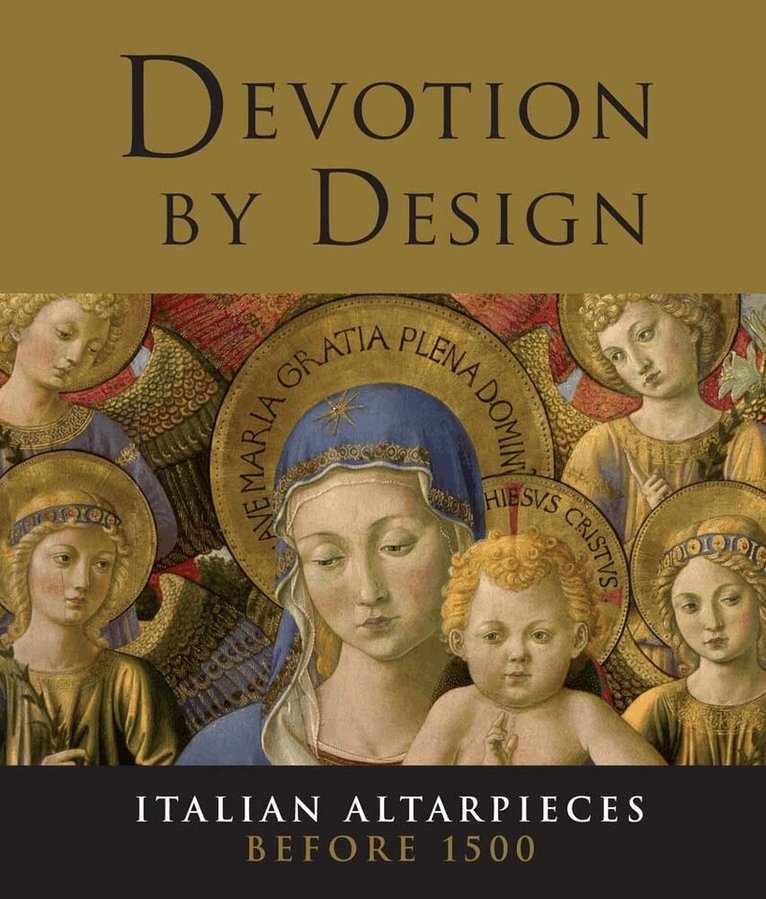
Devotion by Design
Italian Altarpieces before 1500
Inbunden, 2011
275 kr
Tillfälligt slut
Museum visitors today usually see pre-16th-century Italian painted altarpieces exhibited alone, as single paintings. Yet this beautiful catalogue shows that these works were once part of decorative, integrated schemes, and the original experience for viewers of the paintings was significantly …