Sebastian Smee - Böcker
Visar alla böcker från författaren Sebastian Smee. Handla med fri frakt och snabb leverans.
12 produkter
12 produkter
Freud At Work
Lucian Freud in conversation with Sebastian Smee. Photographs by David Dawson and Bruce Bernard
Inbunden, Engelska, 2006
407 kr
Tillfälligt slut
Lucian Freud is not only the most celebrated artist working in England, but one of the most private. He has frequently stated his reluctance to be photographed and he has almost never agreed to be interviewed. Following the publication of the last ten years of his work by Jonathan Cape in the autumn of 2005, the painter has agreed to talk to Sebastian Smee, a writer on art whom he greatly respects, in a series of conversations rather than formal interviews. He wants to talk about painting itself, the demands of his own work and the painters he admires. Two photographers have had access to Freud's studio. The late Bruce Bernard was a friend for many years and the subject of two of Freud's paintings. Bernard was an authority on photography, a great picture editor, and also a very fine photographer. He made a number of studies of Freud at work. Over the last five years in particular, Freud's assistant, the painter David Dawson, has been photographing the artist constantly. The results reveal various stages of works in progress, including paintings of Dawson himself, and the intensity of the activity in this very secret domain. The only precedent to such a document might be David Douglas Duncan's photographs of Picasso at work, but nothing as extensive has been published on such a major painter before.
292 kr
Skickas inom 3-6 vardagar
275 kr
Tillfälligt slut
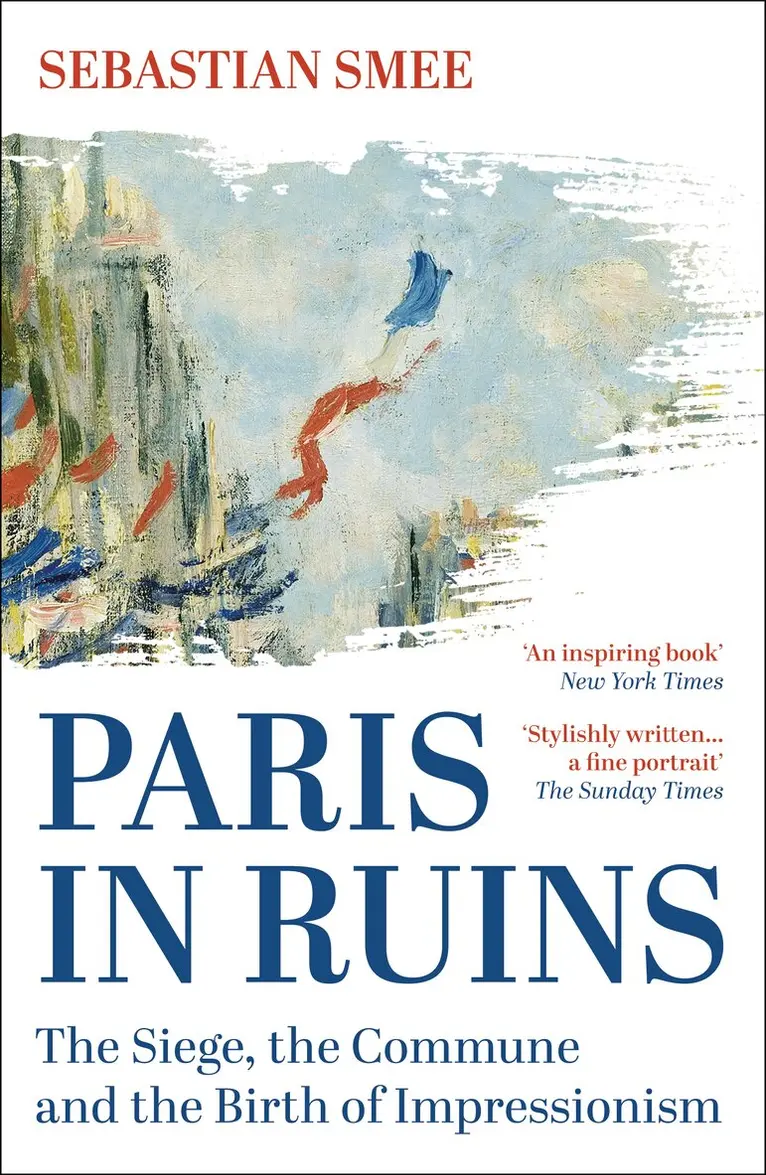
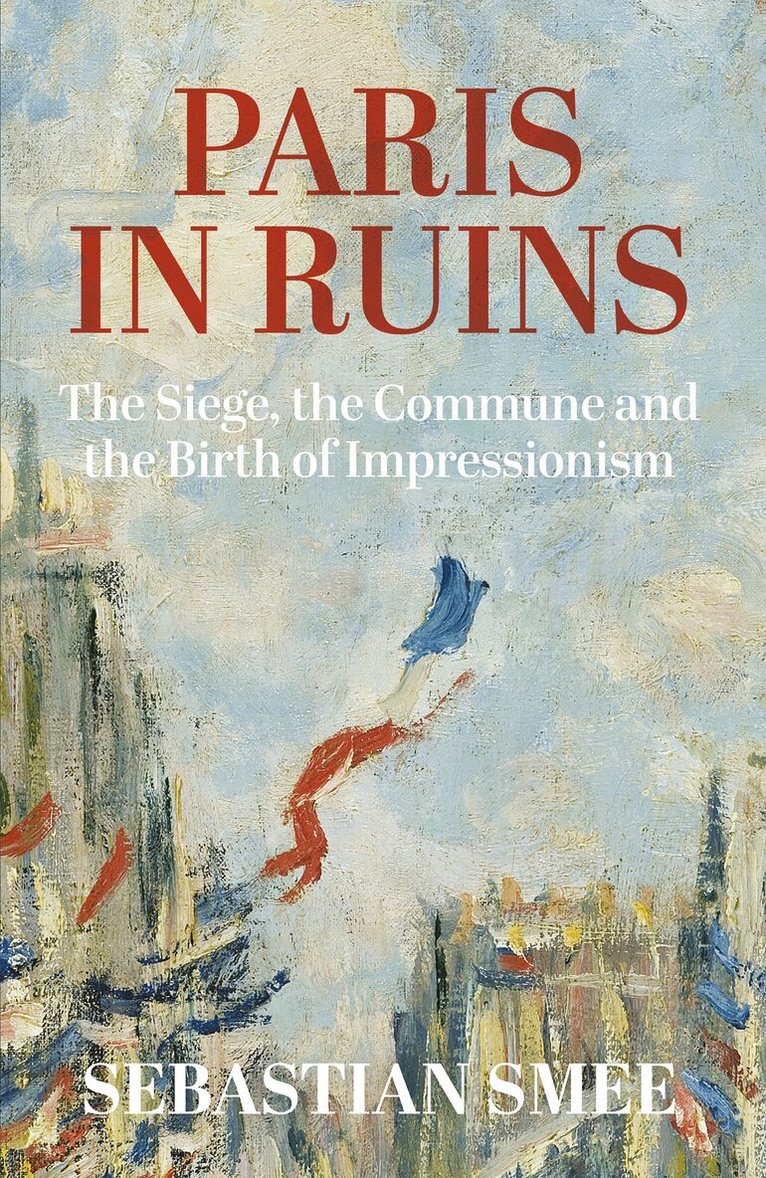
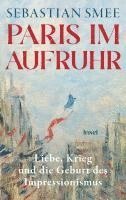
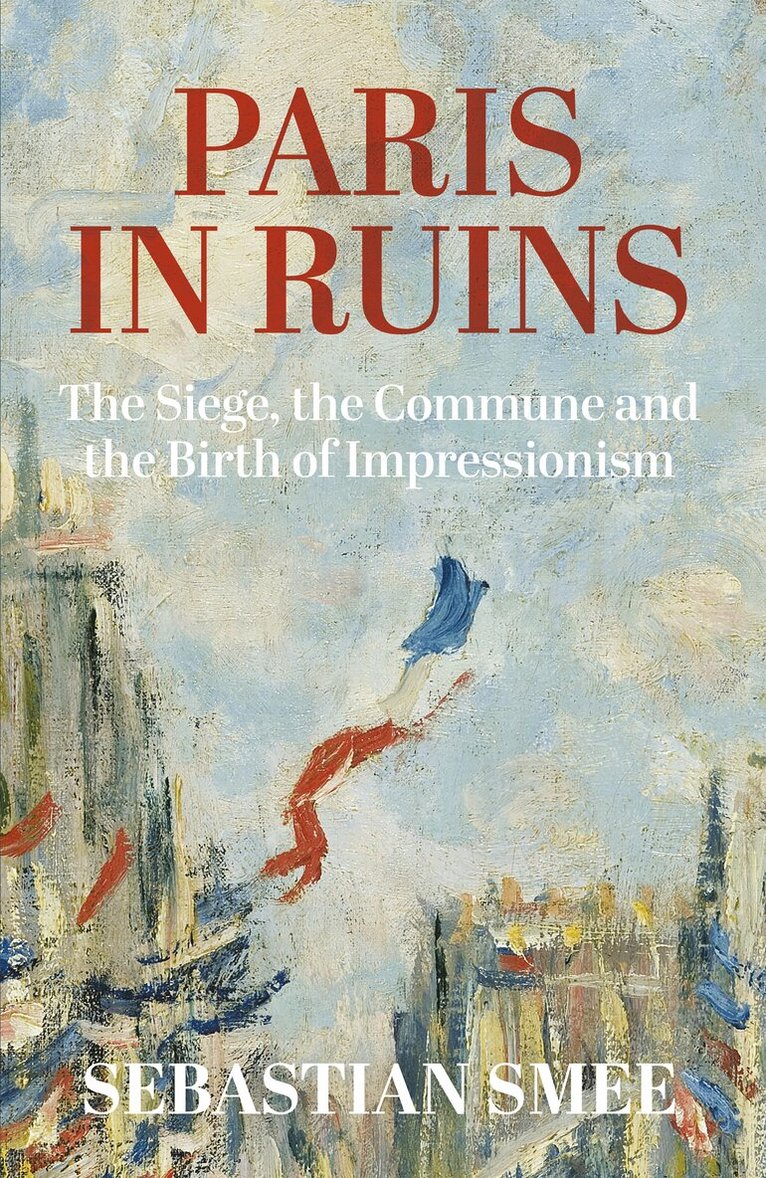
Pulitzer-winner Sebastian Smee relives the remarkable birth of Impressionism from the ashes of war'Enjoyable... a fine portrait not only of impressionism but the society that made it possible' THE SUNDAY TIMESParis, January 1871 – the final, agonising days of the Franco-Prussian War. As the German army cements its advantage, shells rattle through the Left Bank. It is a bitterly cold winter; there is no fuel, no medicine, no food. The city’s poorer citizens have long turned to eating rats, cats and dogs. France has been brought to its knees.Édouard Manet, Berthe Morisot, and Edgar Degas are trapped in the besieged city. Renoir and Bazille have joined regiments outside of Paris, while Monet and Pissarro fled the country just in time. Out of the Siege and the Commune, these artists developed a newfound sense of the fragility of life. A feeling for transience – reflected in Impressionism’s emphasis on fugitive light, shifting seasons, glimpsed street scenes, and the impermanence of all things – would change art history forever.This is the extraordinary account of the ‘Terrible Year’ in Paris and its monumental impact on the rise of Impressionism.***'Vigorous and enjoyable' DAILY TELEGRAPH'Smee has a gimlet eye, a seductive style and a novelist’s feel for character and incident' NEW YORK TIMES'Detailed, lively and at times richly novelistic' LITERARY REVIEW
281 kr
Skickas inom 7-10 vardagar
From the summer of 1870 to the spring of 1871, famously dubbed the “Terrible Year” by Victor Hugo, Paris and its people were besieged, starved, and forced into surrender by Germans—then imperiled again as radical republicans established a breakaway Commune, ultimately crushed by the French Army after bloody street battles and the burning of central Paris. As renowned art critic Sebastian Smee shows, it was against the backdrop of these tumultuous times that the Impressionist movement was born—in response to violence, civil war, and political intrigue.In stirring and exceptionally vivid prose, Smee tells the story of those dramatic days through the eyes of great figures of Impressionism. Édouard Manet, Berthe Morisot, and Edgar Degas were trapped in Paris during the siege and deeply enmeshed in its politics. Others, including Pierre-August Renoir and Frédéric Bazille, joined regiments outside of the capital, while Claude Monet and Camille Pissarro fled the country just in time. In the aftermath, these artists developed a newfound sense of the fragility of life. That feeling for transience—reflected in Impressionism’s emphasis on fugitive light, shifting seasons, glimpsed street scenes, and the impermanence of all things—became the movement’s great contribution to the history of art.At the heart of it all is a love story; that of Manet, by all accounts the father of Impressionism, and Morisot, the only woman to play a central role in the movement from the start. Smee poignantly depicts their complex relationship, their tangled effect on each other, and their great legacy, while bringing overdue attention to the woman at the heart of Impressionism.Incisive and absorbing, Paris in Ruins captures the shifting passions and politics of the art world, revealing how the pressures of the siege and the chaos of the Commune had a profound impact on modern art, and how artistic genius can emerge from darkness and catastrophe.
163 kr
Skickas inom 7-10 vardagar
From the summer of 1870 to the spring of 1871, famously dubbed the “Terrible Year” by Victor Hugo, Paris and its people were besieged, starved, and forced into surrender by Germans—then imperiled again as radical republicans established a breakaway Commune, ultimately crushed by the French Army after bloody street battles and the burning of central Paris. As renowned art critic Sebastian Smee shows, it was against the backdrop of these tumultuous times that the Impressionist movement was born—in response to violence, civil war, and political intrigue.In stirring and exceptionally vivid prose, Smee tells the story of those dramatic days through the eyes of great figures of Impressionism. Édouard Manet, Berthe Morisot, and Edgar Degas were trapped in Paris during the siege and deeply enmeshed in its politics. Others, including Pierre-August Renoir and Frédéric Bazille, joined regiments outside of the capital, while Claude Monet and Camille Pissarro fled the country just in time. In the aftermath, these artists developed a newfound sense of the fragility of life. That feeling for transience—reflected in Impressionism’s emphasis on fugitive light, shifting seasons, glimpsed street scenes, and the impermanence of all things—became the movement’s great contribution to the history of art.At the heart of it all is a love story; that of Manet, by all accounts the father of Impressionism, and Morisot, the only woman to play a central role in the movement from the start. Smee poignantly depicts their complex relationship, their tangled effect on each other, and their great legacy, while bringing overdue attention to the woman at the heart of Impressionism.Incisive and absorbing, Paris in Ruins captures the shifting passions and politics of the art world, revealing how the pressures of the siege and the chaos of the Commune had a profound impact on modern art, and how artistic genius can emerge from darkness and catastrophe.
279 kr
Skickas inom 3-6 vardagar
142 kr
Skickas
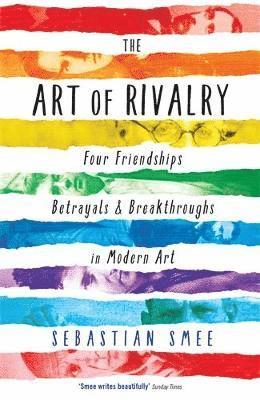
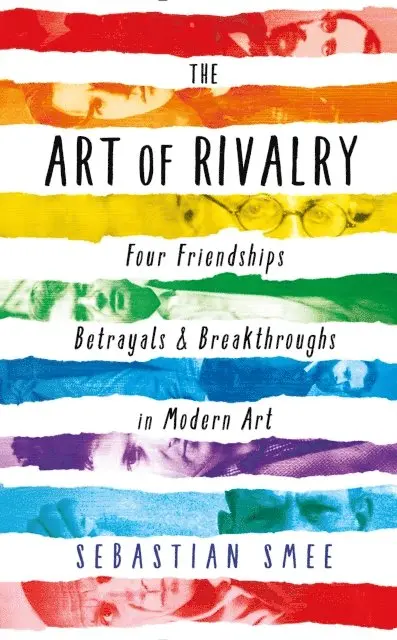
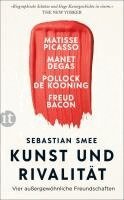
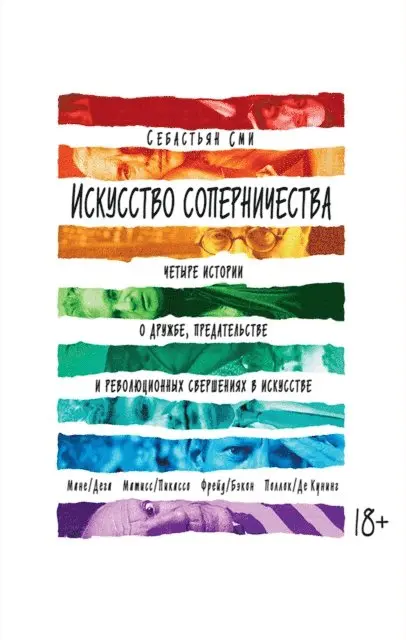
This is a story about rivalry among artists. Not the kind of rivalry that grows out of hatred and dislike, but rather, rivalry that emerges from admiration, friendship, love. The kind of rivalry that existed between Degas and Manet, Picasso and Matisse, Pollock and de Kooning, and Freud and Bacon. These were some of the most famous and creative relationships in the history of art, driving each individual to heights of creativity and inspiration - and provoking them to despair, jealousy and betrayal. Matisse's success threatened Picasso so much that his friends would throw darts at a portrait of his rival's beloved daughter Marguerite, shouting 'there's one in the eye for Matisse!' And Willem de Kooning's twisted friendship with Jackson Pollock didn't stop him taking up with his friend's lover barely a year after Pollock's fatal car crash.In The Art of Rivalry Pulitzer Prize-winning art critic Sebastian Smee explores how, as both artists struggled to come into their own, they each played vital roles in provoking the other's creative breakthroughs - ultimately determining the course of modern art itself.
142 kr
Skickas
Pulitzer-winner Sebastian Smee relives the remarkable birth of Impressionism from the ashes of war'Enjoyable... a fine portrait not only of impressionism but the society that made it possible' THE SUNDAY TIMESParis, January 1871 – the final, agonising days of the Franco-Prussian War. As the German army cements its advantage, shells rattle through the Left Bank. It is a bitterly cold winter; there is no fuel, no medicine, no food. The city’s poorer citizens have long turned to eating rats, cats and dogs. France has been brought to its knees.Édouard Manet, Berthe Morisot, and Edgar Degas are trapped in the besieged city. Renoir and Bazille have joined regiments outside of Paris, while Monet and Pissarro fled the country just in time. Out of the Siege and the Commune, these artists developed a newfound sense of the fragility of life. A feeling for transience – reflected in Impressionism’s emphasis on fugitive light, shifting seasons, glimpsed street scenes, and the impermanence of all things – would change art history forever.This is the extraordinary account of the ‘Terrible Year’ in Paris and its monumental impact on the rise of Impressionism.***'Vigorous and enjoyable' DAILY TELEGRAPH'Smee has a gimlet eye, a seductive style and a novelist’s feel for character and incident' NEW YORK TIMES'Detailed, lively and at times richly novelistic' LITERARY REVIEW
426 kr
Skickas inom 7-10 vardagar
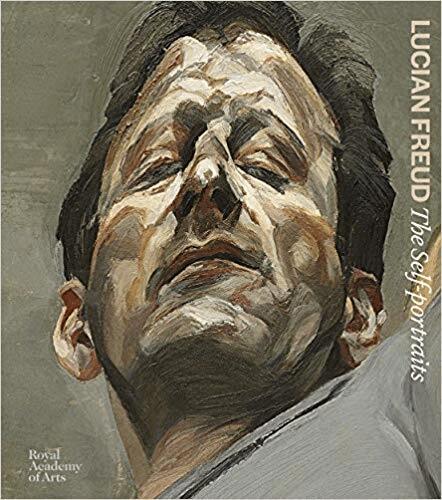
In 1964 Lucian Freud set his students at the Norwich College of Art an assignment: to paint naked self-portraits and to make them 'revealing, telling, believable... really shameless'. It was advice that the artist was often to follow himself. Visceral, unflinching and often nude, Freud's self-portraits give us an insight into the development of his style as a painter. The works provide the viewer with a constant reminder of the artist's overwhelming presence, whether he is confronting the viewer directly or only present as a shadow or in a reflection.Essays by leading authorities - including those who knew him well - explore Freud's life and work, and analyse the importance of self-portraiture in his practice and the intensity that he maintained when studying his own.
339 kr
Skickas inom 3-6 vardagar
240 kr
Skickas inom 3-6 vardagar
179 kr
Skickas inom 3-6 vardagar
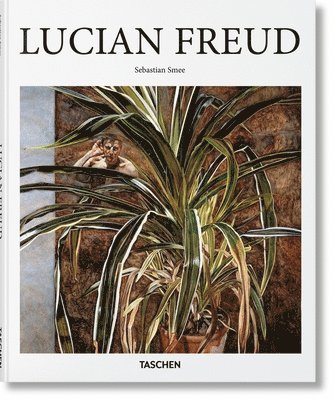
Lucian Freud (1922–2011) was interested in the telling of truths. Always operating outside the main currents of 20th-century art, the esteemed portrait painter observed his subjects with the regimen and precision of a laboratory scientist. He recorded not only the blotches, bruises, and swellings of the living body, but also, beneath the flaws and folds of flesh, the microscopic details of what lies within: the sensation, the emotion, the intelligence, the bloom, and the inevitable, unstoppable decay.Despite rejecting parallels between him and his renowned grandfather, the correlation between Lucian Freud’s sitting process for portraiture and Sigmund Freud’s psychotherapy sessions is a fascinating element to this figurative oeuvre. Despite the thickness of the impasto surfaces, Freud’s portraits of subjects as varied as the Queen, Kate Moss, and an obese job center supervisor penetrate the physicality of the body with a direct and often disarming insight. The result is as much a psychological interrogation as it is an uneasy examination of the relationship between artist and model.This book brings together some of Freud’s most outstanding and unapologetic portraits, to introduce an artist widely considered one of the finest masters of the human form.