Shailaja Paik – författare
Visar alla böcker från författaren Shailaja Paik. Handla med fri frakt och snabb leverans.
4 produkter
4 produkter
2 185 kr
Skickas inom 10-15 vardagar
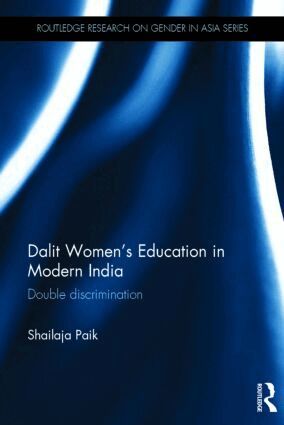
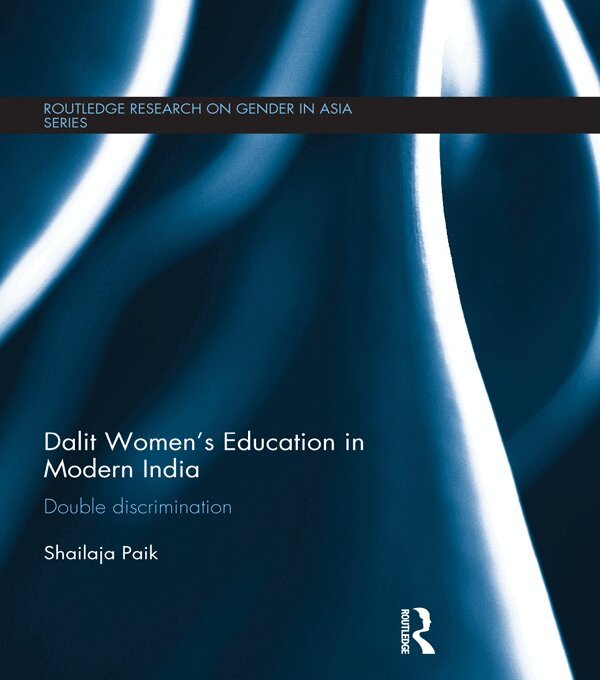
Inspired by egalitarian doctrines, the Dalit communities in India have been fighting for basic human and civic rights since the middle of the nineteenth century. In this book, Shailaja Paik focuses on the struggle of Dalit women in one arena - the realm of formal education – and examines a range of interconnected social, cultural and political questions. What did education mean to women? How did changes in women’s education affect their views of themselves and their domestic work, public employment, marriage, sexuality, and childbearing and rearing? What does the dissonance between the rhetoric and practice of secular education tell us about the deeper historical entanglement with modernity as experienced by Dalit communities?Dalit Women's Education in Modern India is a social and cultural history that challenges the triumphant narrative of modern secular education to analyse the constellation of social, economic, political and historical circumstances that both opened and closed opportunities to many Dalits. By focusing on marginalised Dalit women in modern Maharashtra, who have rarely been at the centre of systematic historical enquiry, Paik breathes life into their ideas, expectations, potentials, fears and frustrations. Addressing two major blind spots in the historiography of India and of the women’s movement, she historicises Dalit women’s experiences and constructs them as historical agents. The book combines archival research with historical fieldwork, and centres on themes including slum life, urban middle classes, social and sexual labour, and family, marriage and children to provide a penetrating portrait of the actions and lives of Dalit women.Elegantly conceived and convincingly argued, Dalit Women's Education in Modern India will be invaluable to students of History, Caste Politics, Women and Gender Studies, Education Studies, Urban Studies and Asian studies.
665 kr
Skickas inom 10-15 vardagar
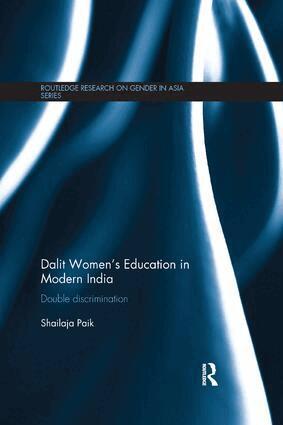
Inspired by egalitarian doctrines, the Dalit communities in India have been fighting for basic human and civic rights since the middle of the nineteenth century. In this book, Shailaja Paik focuses on the struggle of Dalit women in one arena - the realm of formal education – and examines a range of interconnected social, cultural and political questions. What did education mean to women? How did changes in women’s education affect their views of themselves and their domestic work, public employment, marriage, sexuality, and childbearing and rearing? What does the dissonance between the rhetoric and practice of secular education tell us about the deeper historical entanglement with modernity as experienced by Dalit communities?Dalit Women's Education in Modern India is a social and cultural history that challenges the triumphant narrative of modern secular education to analyse the constellation of social, economic, political and historical circumstances that both opened and closed opportunities to many Dalits. By focusing on marginalised Dalit women in modern Maharashtra, who have rarely been at the centre of systematic historical enquiry, Paik breathes life into their ideas, expectations, potentials, fears and frustrations. Addressing two major blind spots in the historiography of India and of the women’s movement, she historicises Dalit women’s experiences and constructs them as historical agents. The book combines archival research with historical fieldwork, and centres on themes including slum life, urban middle classes, social and sexual labour, and family, marriage and children to provide a penetrating portrait of the actions and lives of Dalit women.Elegantly conceived and convincingly argued, Dalit Women's Education in Modern India will be invaluable to students of History, Caste Politics, Women and Gender Studies, Education Studies, Urban Studies and Asian studies.
1 039 kr
Skickas inom 7-10 vardagar
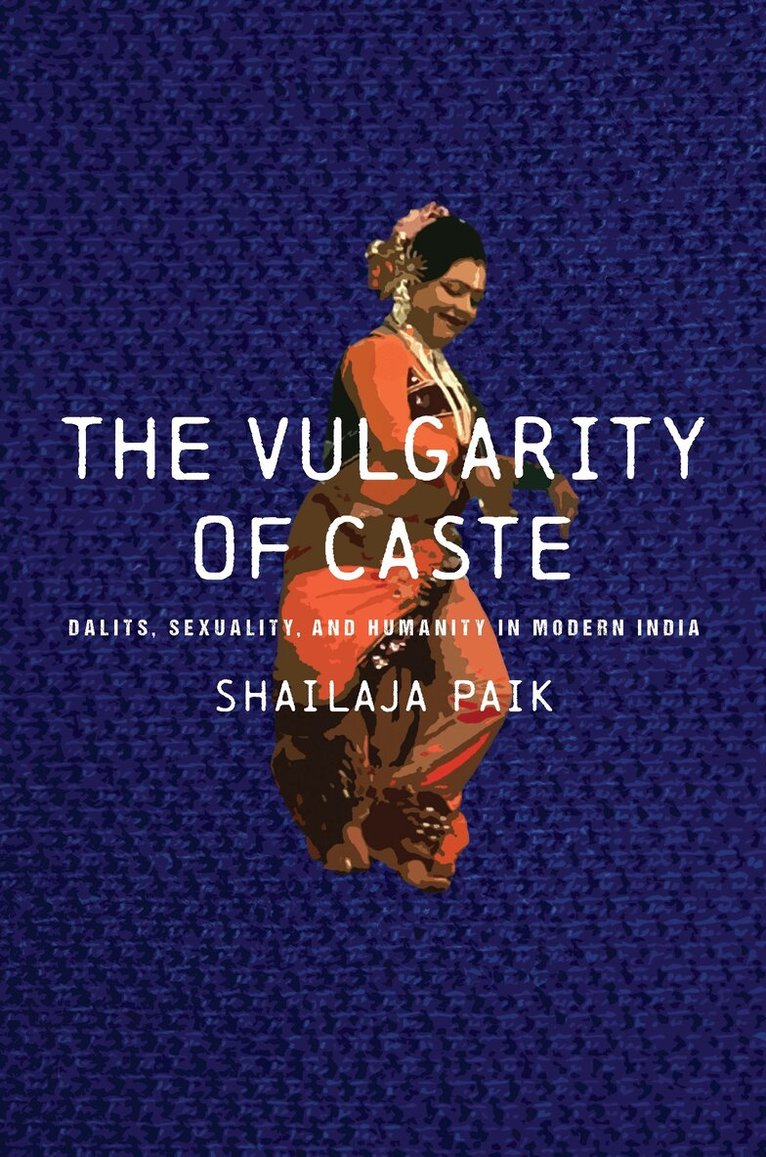
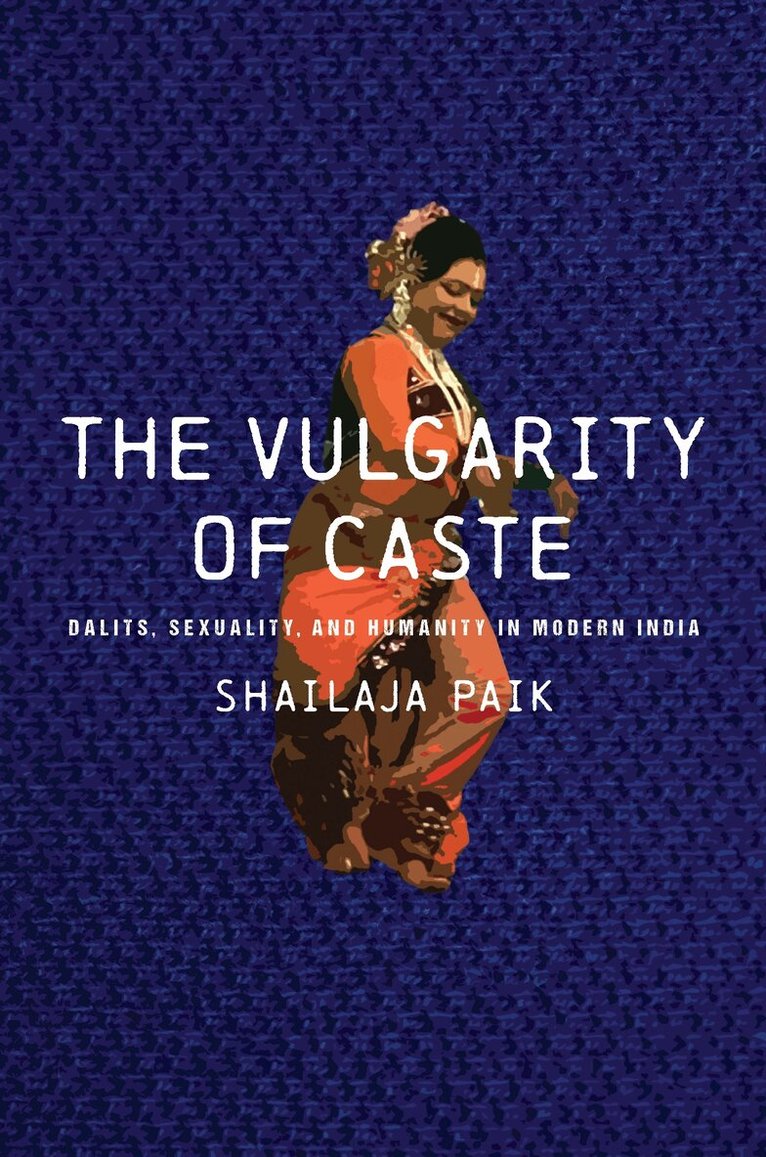
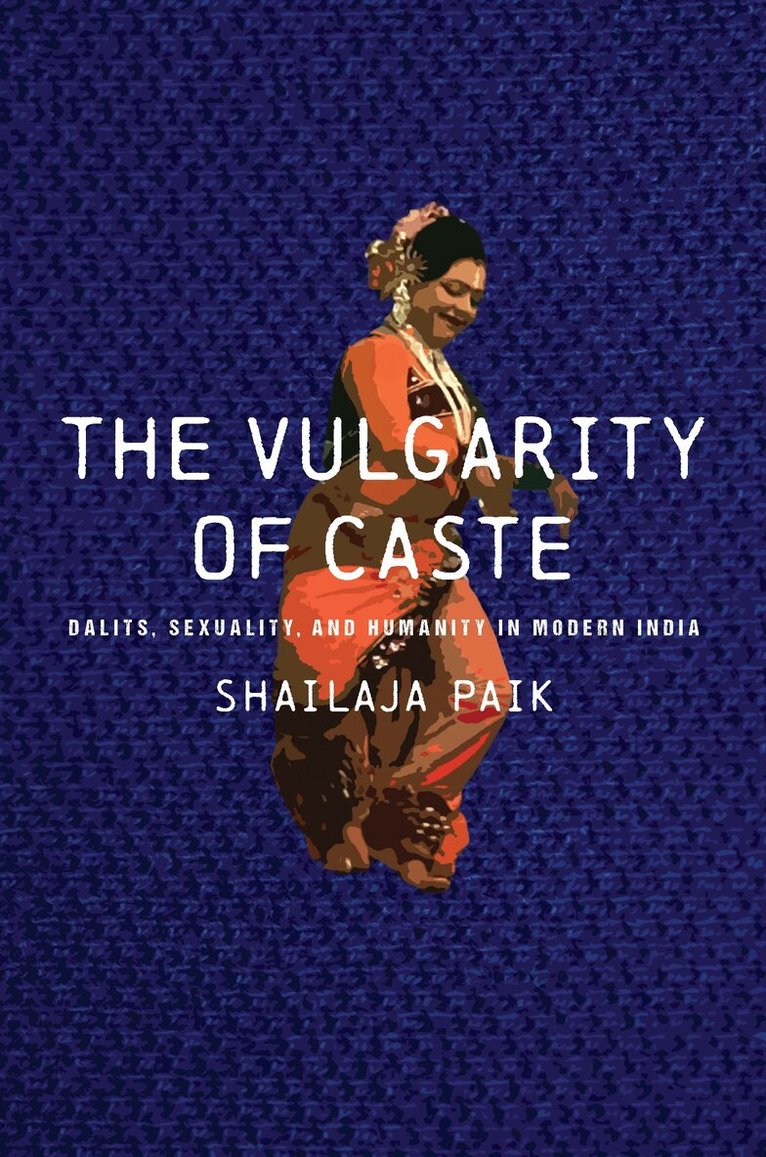
This book offers the first social and intellectual history of Dalit performance of Tamasha—a popular form of public, secular, traveling theater in Maharashtra—and places Dalit Tamasha women who represented the desire and disgust of the patriarchal society at the heart of modernization in twentieth century India. Drawing on ethnographies, films, and untapped archival materials, Shailaja Paik illuminates how Tamasha was produced and shaped through conflicts over caste, gender, sexuality, and culture. Dalit performers, activists, and leaders negotiated the violence and stigma in Tamasha as they struggled to claim manuski (human dignity) and transform themselves from ashlil (vulgar) to assli (authentic) and manus (human beings). Building on and departing from the Ambedkar-centered historiography and movement-focused approach of Dalit studies, Paik examines the ordinary and everydayness in Dalit lives. Ultimately, she demonstrates how the choices that communities make about culture speak to much larger questions about inclusion, inequality, and structures of violence of caste within Indian society, and opens up new approaches for the transformative potential of Dalit politics and the global history of gender, sexuality, and the human.
331 kr
Skickas
This book offers the first social and intellectual history of Dalit performance of Tamasha—a popular form of public, secular, traveling theater in Maharashtra—and places Dalit Tamasha women who represented the desire and disgust of the patriarchal society at the heart of modernization in twentieth century India. Drawing on ethnographies, films, and untapped archival materials, Shailaja Paik illuminates how Tamasha was produced and shaped through conflicts over caste, gender, sexuality, and culture. Dalit performers, activists, and leaders negotiated the violence and stigma in Tamasha as they struggled to claim manuski (human dignity) and transform themselves from ashlil (vulgar) to assli (authentic) and manus (human beings). Building on and departing from the Ambedkar-centered historiography and movement-focused approach of Dalit studies, Paik examines the ordinary and everydayness in Dalit lives. Ultimately, she demonstrates how the choices that communities make about culture speak to much larger questions about inclusion, inequality, and structures of violence of caste within Indian society, and opens up new approaches for the transformative potential of Dalit politics and the global history of gender, sexuality, and the human.