Shampa Biswas - Böcker
Visar alla böcker från författaren Shampa Biswas. Handla med fri frakt och snabb leverans.
5 produkter
5 produkter
430 kr
Skickas inom 7-10 vardagar
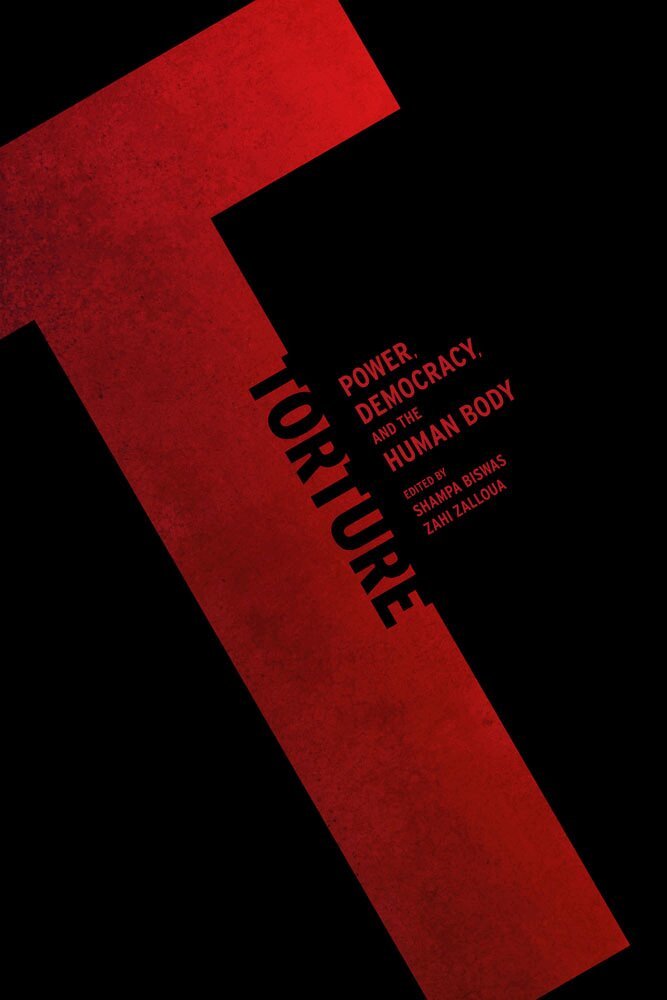
The counterterrorism policies following September 11, 2001, brought the definition and legitimacy of torture to the forefront of political, military, and public debates. This timely volume explores the question of torture through multiple lenses by situating it within systems of belief, social networks of power, and ideological worldviews. Individual essays examine the boundaries of what is deemed legitimate political violence for the sake of state security, the immediate and long-term effects of torture on human and social bodies, the visual and artistic representations of torture, how certain people are dehumanized to make it acceptable to torture them, and how we understand complicity in and the ethical boundaries of torture.
1 689 kr
Skickas inom 3-6 vardagar
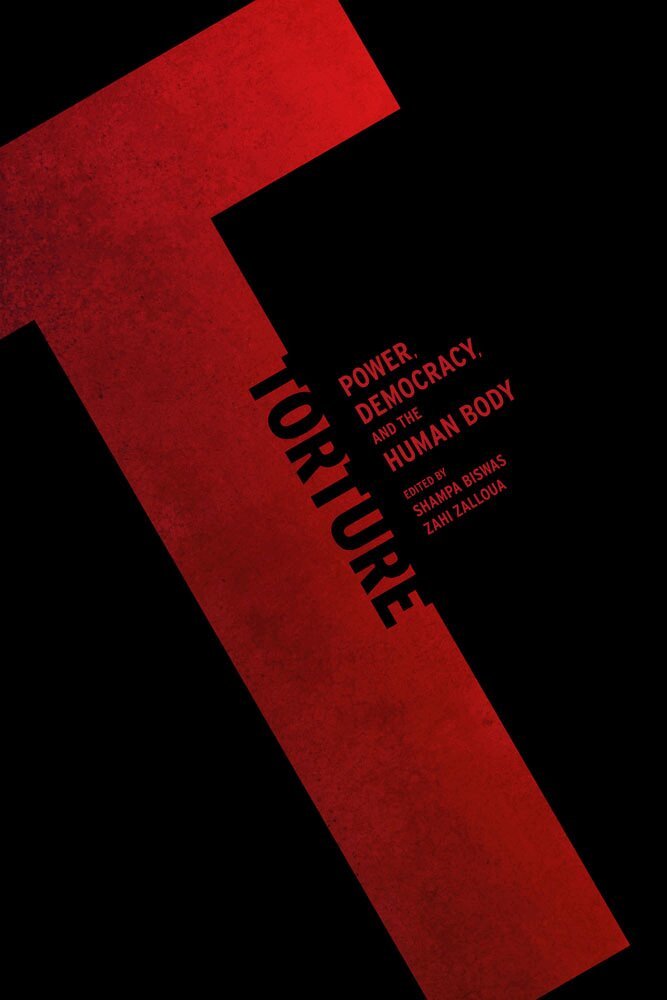
The counterterrorism policies following September 11, 2001, brought the definition and legitimacy of torture to the forefront of political, military, and public debates. This timely volume explores the question of torture through multiple lenses by situating it within systems of belief, social networks of power, and ideological worldviews. Individual essays examine the boundaries of what is deemed legitimate political violence for the sake of state security, the immediate and long-term effects of torture on human and social bodies, the visual and artistic representations of torture, how certain people are dehumanized to make it acceptable to torture them, and how we understand complicity in and the ethical boundaries of torture.
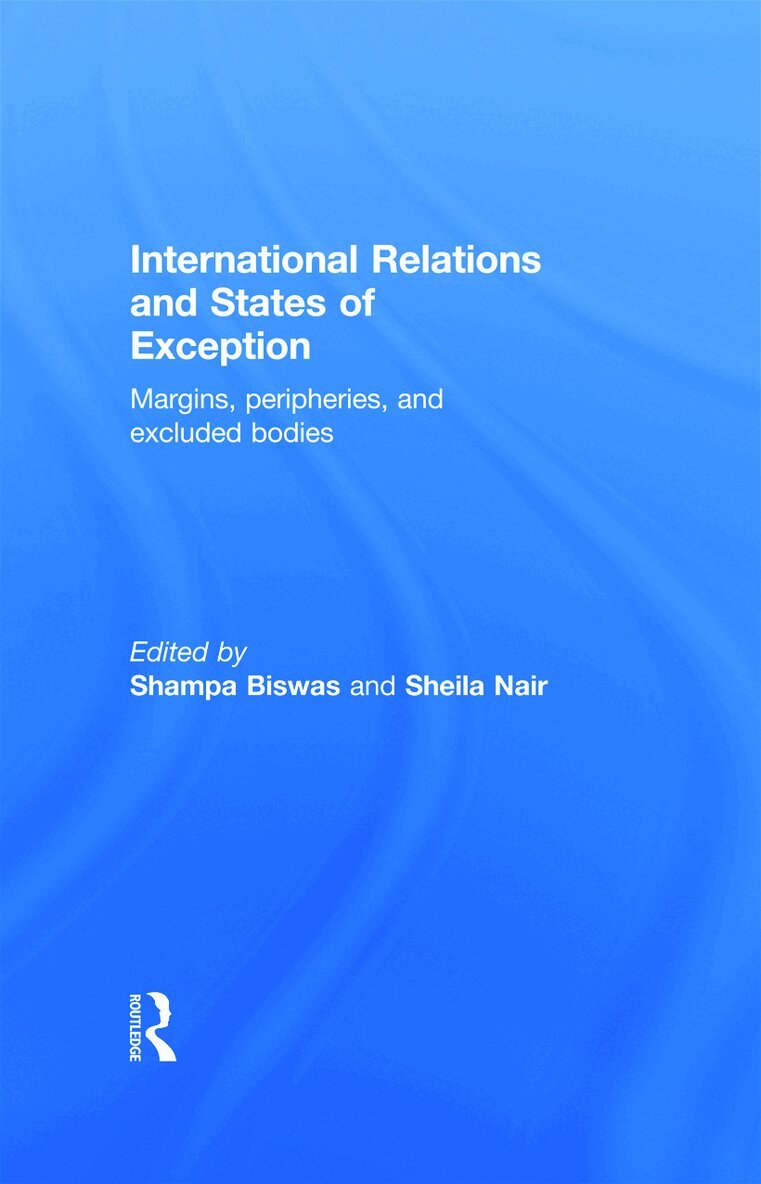
International Relations and States of Exception
Margins, Peripheries, and Excluded Bodies
Inbunden, Engelska, 2009
2 103 kr
Skickas inom 10-15 vardagar
Critically but sympathetically interrogating Italian philosopher Giorgio Agamben’s analysis of the logic of sovereign power, this volume draws attention to the multiple zones of exclusion in and through which contemporary international politics constitutes itself. Beginning from the margins and peripheries of world politics, this book emphasises the colonial processes through which contemporary "third world" spaces of exception have been shaped and particular bodies made susceptible to the conditions of "bare life". The authors contend that these bodies inhabit a variety of spaces or "zones of indistinction" that include political detainees, refugees, asylum-seekers, poor migrants, sweatshop workers, and unassimilated indigenous populations. These are the "expendable bodies" that the territorial and market-driven logic of current international relations simultaneously produces, polices and excludes. Focussing on the locally and socio-historically specific ways that sovereign power works, the individual chapters provide the volume with a wide geographical reach. Drawing on diverse approaches, this text constitutes an important intervention in critical international relations, providing grounded theory and sophisticated analyses of how contemporary international relations works through the production of ‘exceptions’. Bringing together a range of internationally-renowned scholars, International Relations and States of Exception will be of vital interest to students and scholars of International Relations, Critical Theory and Postcolonial Studies.
International Relations and States of Exception
Margins, Peripheries, and Excluded Bodies
Häftad, Engelska, 2009
697 kr
Skickas inom 10-15 vardagar
Critically but sympathetically interrogating Italian philosopher Giorgio Agamben’s analysis of the logic of sovereign power, this volume draws attention to the multiple zones of exclusion in and through which contemporary international politics constitutes itself. Beginning from the margins and peripheries of world politics, this book emphasises the colonial processes through which contemporary "third world" spaces of exception have been shaped and particular bodies made susceptible to the conditions of "bare life". The authors contend that these bodies inhabit a variety of spaces or "zones of indistinction" that include political detainees, refugees, asylum-seekers, poor migrants, sweatshop workers, and unassimilated indigenous populations. These are the "expendable bodies" that the territorial and market-driven logic of current international relations simultaneously produces, polices and excludes. Focussing on the locally and socio-historically specific ways that sovereign power works, the individual chapters provide the volume with a wide geographical reach. Drawing on diverse approaches, this text constitutes an important intervention in critical international relations, providing grounded theory and sophisticated analyses of how contemporary international relations works through the production of ‘exceptions’. Bringing together a range of internationally-renowned scholars, International Relations and States of Exception will be of vital interest to students and scholars of International Relations, Critical Theory and Postcolonial Studies.
291 kr
Skickas inom 7-10 vardagar
Since its enactment in 1970, the Nuclear Non-Proliferation Treaty (NPT), has become one node of a massive, sprawling, multibillion-dollar regime that is considered essential to slowing the proliferation of nuclear weapons and weapons technology. However, according to Shampa Biswas, these well-intentioned efforts to halt the spread of nuclear weapons deflect attention from a hierarchical global nuclear order dominated by powerful states and capitalist interests that benefit from the status quo.In Nuclear Desire, Biswas proposes that pursuit and production of nuclear power is sustained by this unequal global order whose persistent and daily harmful effects are experienced by some of the most vulnerable bodies around the world. Making a compelling case for nuclear abolition, she shows that the path to nuclear zero is more successfully traversed through the perspective of postcolonialism and the political economy of injustice?rather than through the prism of “security.” In the end, the nonproliferation regime maintains a hierarchy of haves and have-nots, one that reinforces inequalities that run counter to the NPT’s broader goal.Innovative, forcefully argued, and long overdue, Nuclear Desire moves beyond conventional critiques to give scholars and students of international relations new insights into how a more secure world might simultaneously be more peaceful and just.