• Fri frakt över 249 kr
  • •
  • Snabba leveranser
  • •
  • Billiga böcker
Kundservice

Du är på sajten för privatpersoner.

Företag, bibliotek eller offentlig verksamhet?

Du handlar på classic.bokus.com, där alla dina funktioner finns intakta.
Till classic.bokus.com
Bokus logotyp. Gå till startsidan.
  • Erbjudanden
  • Student
  • Topplistor
  • Barn & ungdom
  • Bokus Play
  • E-böcker
  • Ljudböcker
  • Pocketböcker
  • Spel & pussel

10% rabatt på allt med kod NYSTART10 →

Sidfot

Mina sidor

    Hjälp

    • Kundservice
    • Vanliga frågor och svar
    • Frakt och leverans
    • Retur vid ångerrätt
    • Reklamera vara
    • Betalning
    • Köpvillkor
    • Allmänna villkor
    • Information om webbplatsens tillgänglighet

    Om Bokus

    • Om oss
    • Pressrum
    • För studenter
    • För företag
    • För bibliotek och offentlig verksamhet
    • För leverantörer
    • Hållbarhet

    Populärt

    • Aktuella erbjudanden
    • Presentkort
    • Studentlitteratur
    • Nya böcker
    • Topplistor
    • Signerade böcker
    • Engelska böcker

    Inspiration

    • Boktips
    • BookTok
    • Populära bokserier
    • Barnbokskaraktärer
    • Populära författare
    Logotyp för Bokus
    Följ oss på Facebook (extern länk)Följ oss på Instagram (extern länk)Följ oss på YouTube (extern länk)Följ oss på TikTok (extern länk)
    bokus @ CookiesAnpassa cookiesIntegritetspolicyKöpvillkor
    Till Citymail hemsida (extern länk)Till Budbee hemsida (extern länk)Till Postnord hemsida (extern länk)Till Schenker hemsida (extern länk)Till Early Bird hemsida (extern länk)Till Walleys hemsida (extern länk)
    1. Historia och arkeologi
    2. Historia
    3. Historia: särskilda händelser och ämnen
    4. Kolonialism och imperialism

    Nuclear Desire

    Power and the Postcolonial Nuclear Order

    AvShampa Biswas

    Häftad, Engelska, 2014

    303 kr

    Beställningsvara. Skickas inom 5-8 vardagar. Fri frakt över 249 kr.

    Beskrivning

    Since its enactment in 1970, the Nuclear Non-Proliferation Treaty (NPT), has become one node of a massive, sprawling, multibillion-dollar regime that is considered essential to slowing the proliferation of nuclear weapons and weapons technology. However, according to Shampa Biswas, these well-intentioned efforts to halt the spread of nuclear weapons deflect attention from a hierarchical global nuclear order dominated by powerful states and capitalist interests that benefit from the status quo.In Nuclear Desire, Biswas proposes that pursuit and production of nuclear power is sustained by this unequal global order whose persistent and daily harmful effects are experienced by some of the most vulnerable bodies around the world. Making a compelling case for nuclear abolition, she shows that the path to nuclear zero is more successfully traversed through the perspective of postcolonialism and the political economy of injustice?rather than through the prism of “security.” In the end, the nonproliferation regime maintains a hierarchy of haves and have-nots, one that reinforces inequalities that run counter to the NPT’s broader goal.Innovative, forcefully argued, and long overdue, Nuclear Desire moves beyond conventional critiques to give scholars and students of international relations new insights into how a more secure world might simultaneously be more peaceful and just.
    Produktinformation

    • Utgivningsdatum:2014-09-15
    • Mått:140 x 216 x 38 mm
    • Format:Häftad
    • Språk:Engelska
    • Antal sidor:296
    • Förlag:University of Minnesota Press
    • ISBN:9780816680986
    • Utmärkelser:Runner-up for Nuclear Desire 2015

    Utforska kategorier

    • Kolonialism och imperialism inom Historia och arkeologi
    • Politik och statsskick inom Samhälle och politik
    • Internationella relationer inom Samhälle och politik

    Mer om författaren

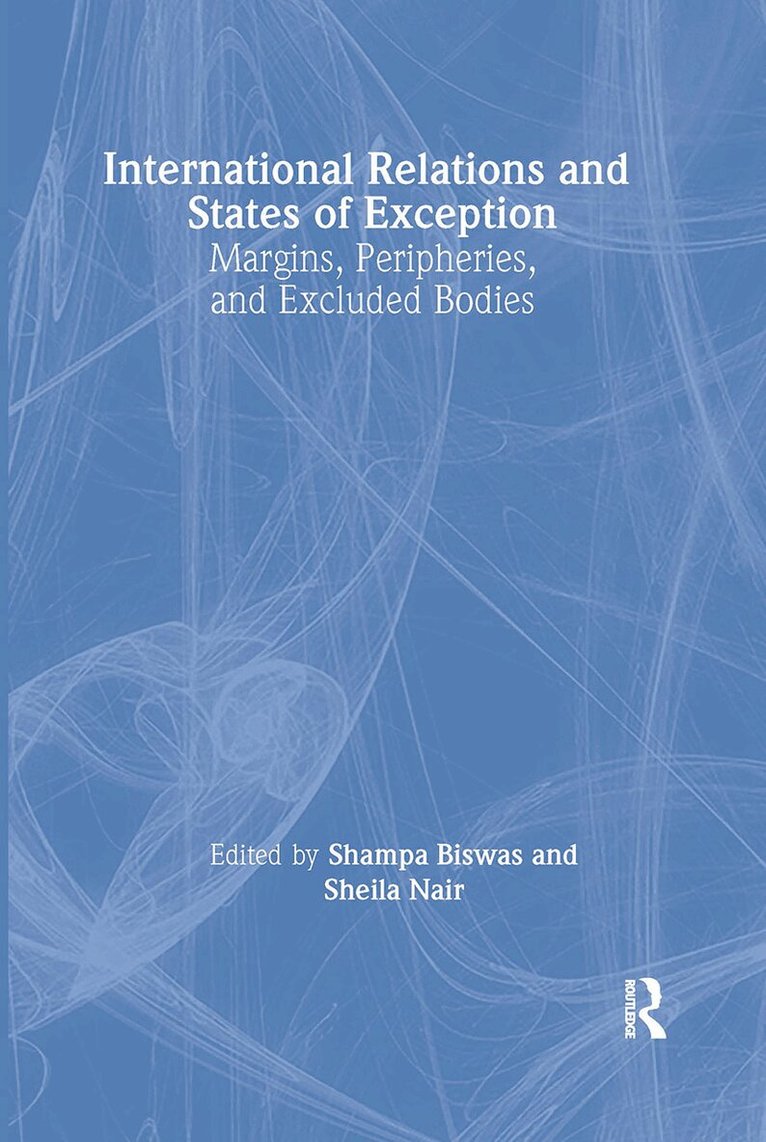
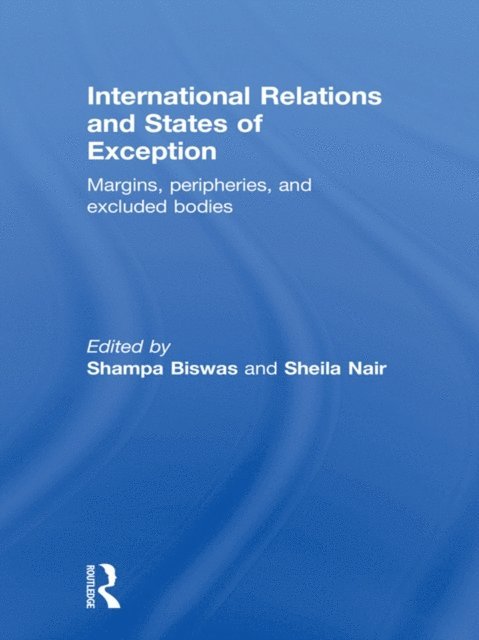
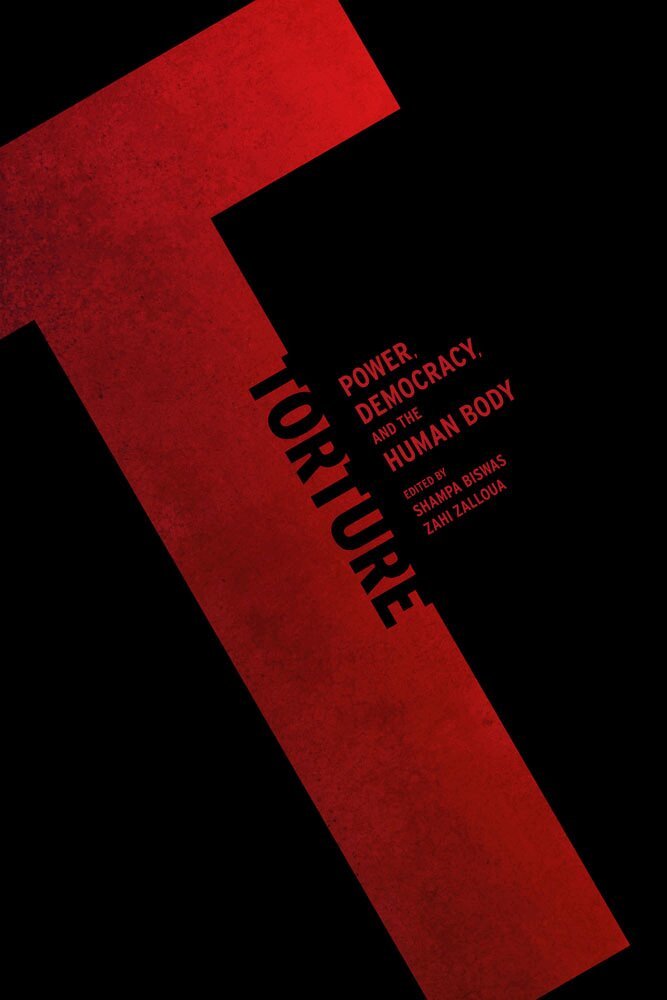
    Shampa Biswas is Paul Garrett Professor of Political Science at Whitman College and the coeditor of International Relations and States of Exception: Margins, Peripheries, and Excluded Bodies and Torture: Power, Democracy, and the Human Body.

    Recensioner i media

    "Aligning herself with the most vulnerable, and armed with a sharp stylus, Shampa Biswas deftly dissects the sprawling corpus of the global nuclear order. Focusing her analysis on the sinews of the nuclear non-proliferation regime, she tracks and traces the modalities through which ideological allure and enforced abstinence, sanitized events and horrifying accidents, faith in deterrence and flows of deathly waste, commodity fetishism and enlightenment technologies of rule, expensive state security and opaque political economy come together to power this colonial regime. Nuclear Desire offers profound and provocative insights into the hierarchical structuring and colonial governance of contemporary global orders."-Himadeep Muppidi, Vassar College"Nuclear Desire moves us to rethink the route to a nuclear-free world as one that must center reasons of peace and social justice. Shampa Biswas moves beyond well-rehearsed critiques-indeed, beyond critique itself-to give us new insights into how a more secure world might simultaneously be more peaceful and just."-J. Marshall Beier, McMaster University"This book is a heartfully rendered, powerfully argued, and intricately crafted deconstruction of the global nuclear order."-Perspectives on Politics"Nuclear Desire is one of the most comprehensive applications of a critical methodology to the topic of nuclear weapons, and a welcome contribution to the growing field of critical nuclear studies from a postcolonial perspective." -Nonproliferation Review

    Innehållsförteckning

    • ContentsAcknowledgmentsAbbreviationsIntroduction: Use and Waste in the Global Nuclear Order1. Intentions and Effects: The Proliferation of the Nuclear Nonproliferation Regime2. Whose Nuclear Order? A Postcolonial Critique of an Enlightenment Project3. Unusable, Dangerous, and Desirable: Nuclear Weapons as Fetish Commodities4. Costly Weapons: The Political Economy of Nuclear PowerConclusion. Decolonizing the Nuclear World: Can the Subaltern Speak?Appendix: The Nuclear Nonproliferation RegimeNotesBibliographyIndex