Sharika Thiranagama – författare
Visar alla böcker från författaren Sharika Thiranagama. Handla med fri frakt och snabb leverans.
6 produkter
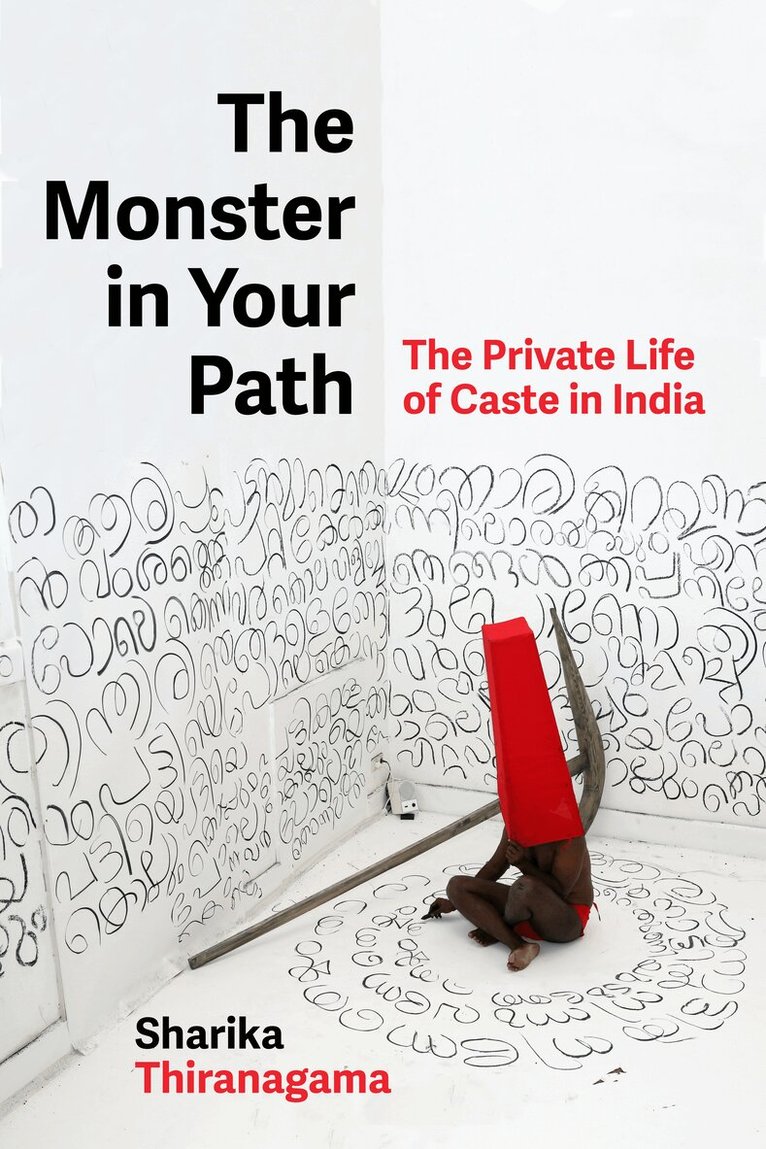
Monster in Your Path
The Private Life of Caste in India
Inbunden, 2026
1583 kr
Lägg i varukorg
The Monster in Your Path is an original and provocative look at why the global Left stumbles when dealing with historical structures of subordination like caste or race. Sharika Thiranagama examines rural communities in the South Indian state of Kerala, where decades of Communist Party rule has …
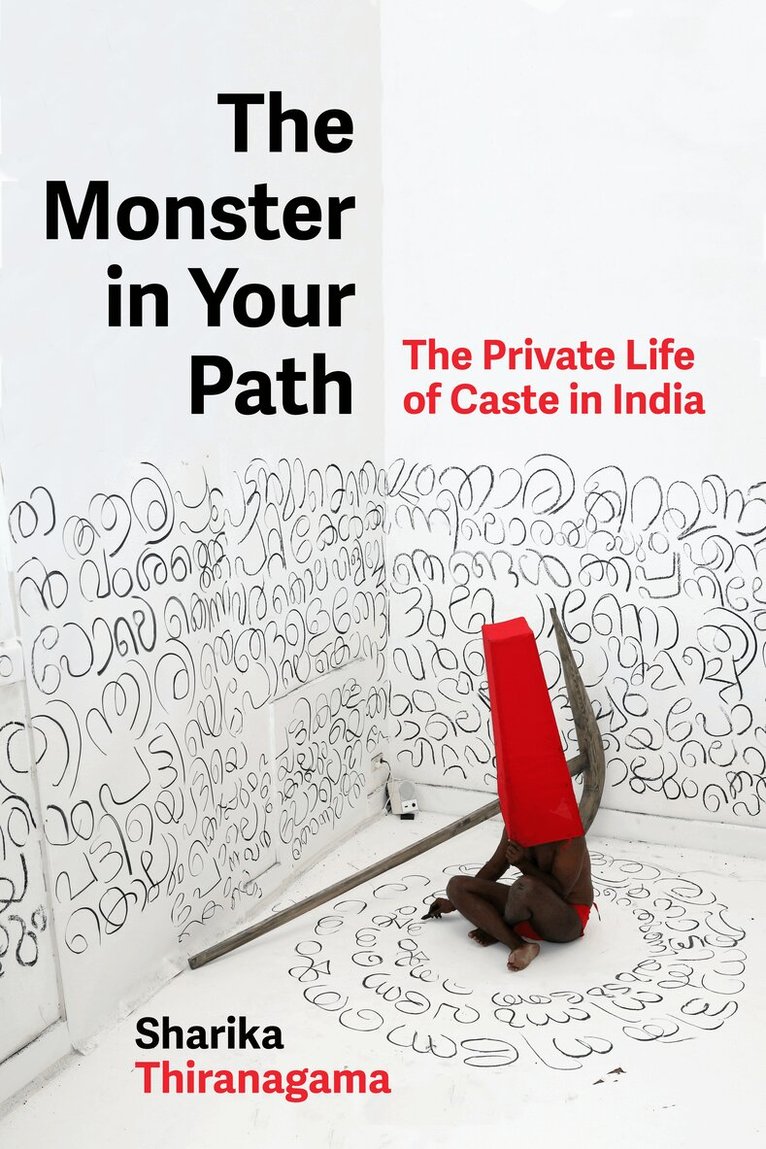
Monster in Your Path
The Private Life of Caste in India
Häftad, 2026
272 kr
Lägg i varukorg
The Monster in Your Path is an original and provocative look at why the global Left stumbles when dealing with historical structures of subordination like caste or race. Sharika Thiranagama examines rural communities in the South Indian state of Kerala, where decades of Communist Party rule has …
Monster in Your Path
The Private Life of Caste in India
E-bok, 2026
385 kr
Lägg i varukorg
The Monster in Your Path is an original and provocative look at why the global Left stumbles when dealing with historical structures of subordination like caste or race. Sharika Thiranagama examines rural communities in the South Indian state of Kerala, where decades of Communist Party rule has …
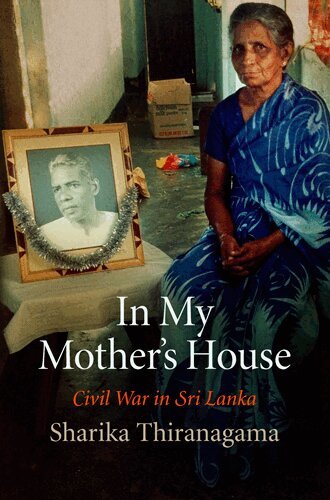
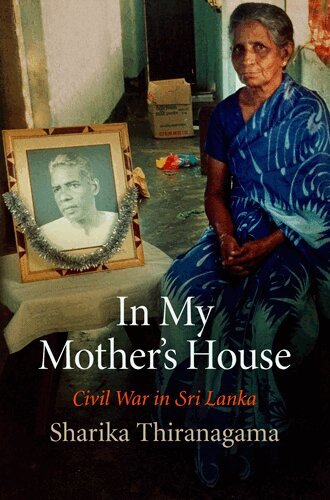
In My Mother's House
Civil War in Sri Lanka
E-bok, 2011
489 kr
Lägg i varukorg
In May 2009, the Sri Lankan army overwhelmed the last stronghold of the Liberation Tigers of Tamil Eelam-better known as the Tamil Tigers-officially bringing an end to nearly three decades of civil war. Although the war has ended, the place of minorities in Sri Lanka remains uncertain, not least …
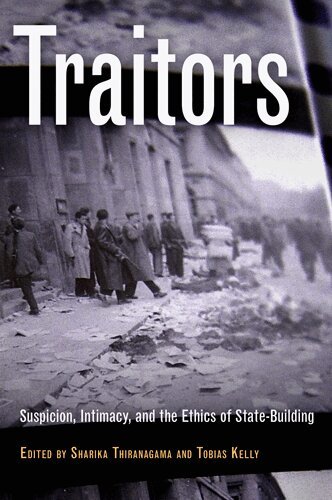
Traitors
Suspicion, Intimacy, and the Ethics of State-Building
Av Sharika Thiranagama, Tobias Kelly
E-bok, 2011
424 kr
Lägg i varukorg
The figure of the traitor plays an intriguing role in modern politics. Traitors are a source of transgression from within, creating their own kinds of aversion and suspicion. They destabilize the rigid moral binaries of victim and persecutor, friend and enemy. Recent history is stained by …
In My Mother's House
Civil War in Sri Lanka
Häftad, 2013
378 kr
Lägg i varukorg
In May 2009, the Sri Lankan army overwhelmed the last stronghold of the Liberation Tigers of Tamil Eelam-better known as the Tamil Tigers-officially bringing an end to nearly three decades of civil war. Although the war has ended, the place of minorities in Sri Lanka remains uncertain, not least …