Sharon Patricia Holland - Böcker
Visar alla böcker från författaren Sharon Patricia Holland. Handla med fri frakt och snabb leverans.
5 produkter
5 produkter
369 kr
Skickas inom 7-10 vardagar
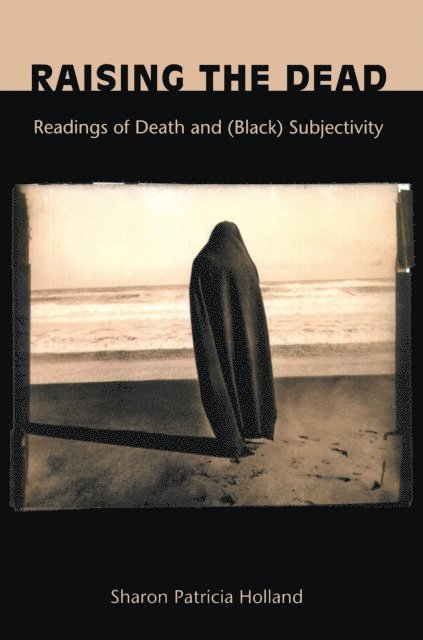
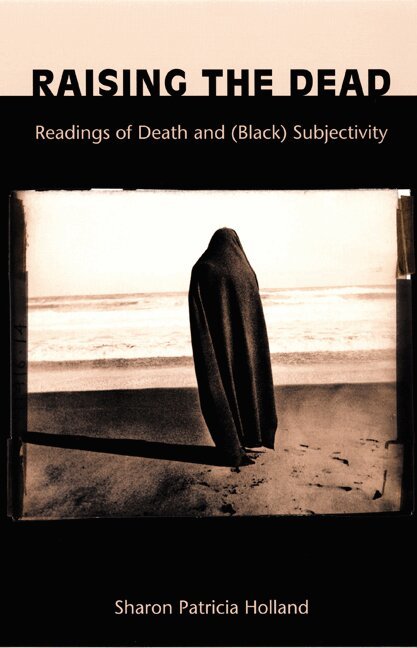
Raising the Dead is a groundbreaking, interdisciplinary exploration of death’s relation to subjectivity in twentieth-century American literature and culture. Sharon Patricia Holland contends that black subjectivity in particular is connected intimately to death. For Holland, travelling through “the space of death” gives us, as cultural readers, a nuanced and appropriate metaphor for understanding what is at stake when bodies, discourses, and communities collide.Holland argues that the presence of blacks, Native Americans, women, queers, and other “minorities” in society is, like death, “almost unspeakable.” She gives voice to-or raises-the dead through her examination of works such as the movie Menace II Society, Toni Morrison’s novel Beloved, Leslie Marmon Silko’s Almanac of the Dead, Randall Kenan’s A Visitation of Spirits, and the work of the all-white, male, feminist hip-hop band Consolidated. In challenging established methods of literary investigation by putting often-disparate voices in dialogue with each other, Holland forges connections among African-American literature and culture, queer and feminist theory.Raising the Dead will be of interest to students and scholars of American culture, African-American literature, literary theory, gender studies, queer theory, and cultural studies.
606 kr
Skickas inom 3-6 vardagar
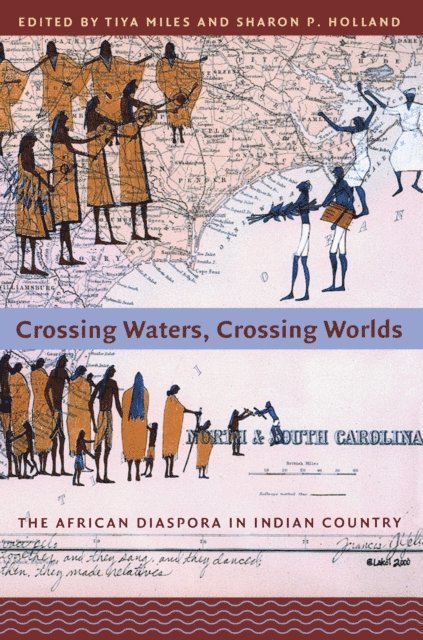
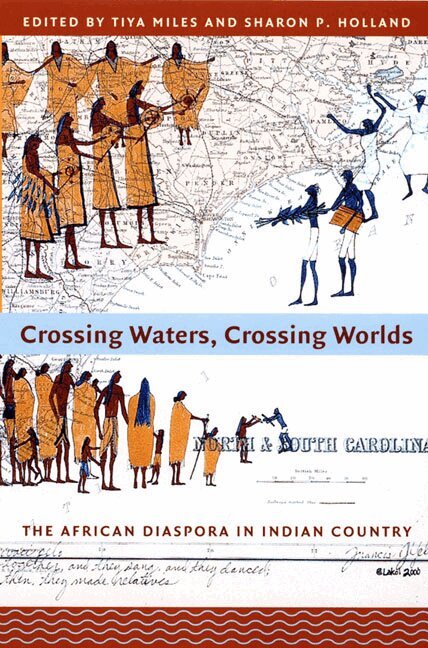
Crossing Waters, Crossing Worlds explores the critically neglected intersection of Native and African American cultures. This interdisciplinary collection combines historical studies of the complex relations between blacks and Indians in Native communities with considerations and examples of various forms of cultural expression that have emerged from their intertwined histories. The contributors include scholars of African American and Native American studies, English, history, anthropology, law, and performance studies, as well as fiction writers, poets, and a visual artist. Essays range from a close reading of the 1838 memoirs of a black and Native freewoman to an analysis of how Afro-Native intermarriage has impacted the identities and federal government classifications of certain New England Indian tribes. One contributor explores the aftermath of black slavery in the Choctaw and Chickasaw nations, highlighting issues of culture and citizenship. Another scrutinizes the controversy that followed the 1998 selection of a Miss Navajo Nation who had an African American father. A historian examines the status of Afro-Indians in colonial Mexico, and an ethnographer reflects on oral histories gathered from Afro-Choctaws. Crossing Waters, Crossing Worlds includes evocative readings of several of Toni Morrison’s novels, interpretations of plays by African American and First Nations playwrights, an original short story by Roberta J. Hill, and an interview with the Creek poet and musician Joy Harjo. The Native American scholar Robert Warrior develops a theoretical model for comparative work through an analysis of black and Native intellectual production. In his afterword, he reflects on the importance of the critical project advanced by this volume.Contributors. Jennifer D. Brody, Tamara Buffalo, David A. Y. O. Chang, Robert Keith Collins, Roberta J. Hill, Sharon P. Holland, ku'ualoha ho’omnawanui, Deborah E. Kanter, Virginia Kennedy, Barbara Krauthamer, Tiffany M. McKinney, Melinda Micco, Tiya Miles, Celia E. Naylor, Eugene B. Redmond, Wendy S. Walters, Robert Warrior
321 kr
Skickas inom 7-10 vardagar
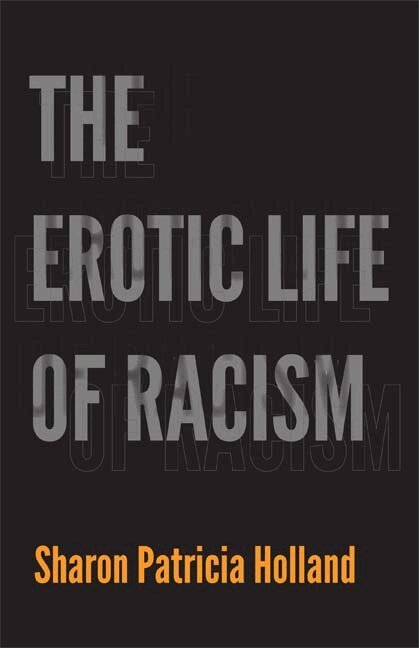
A major intervention in the fields of critical race theory, black feminism, and queer theory, The Erotic Life of Racism contends that theoretical and political analyses of race have largely failed to understand and describe the profound ordinariness of racism and the ways that it operates as a quotidian practice. If racism has an everyday life, how does it remain so powerful and yet mask its very presence? To answer this question, Sharon Patricia Holland moves into the territory of the erotic, understanding racism's practice as constitutive to the practice of racial being and erotic choice.Reemphasizing the black/white binary, Holland reinvigorates critical engagement with race and racism. She argues that only by bringing critical race theory, queer theory, and black feminist thought into conversation with each other can we fully envision the relationship between racism and the personal and political dimensions of our desire. The Erotic Life of Racism provocatively redirects our attention to a desire no longer independent of racism but rather embedded within it.
1 158 kr
Skickas inom 7-10 vardagar
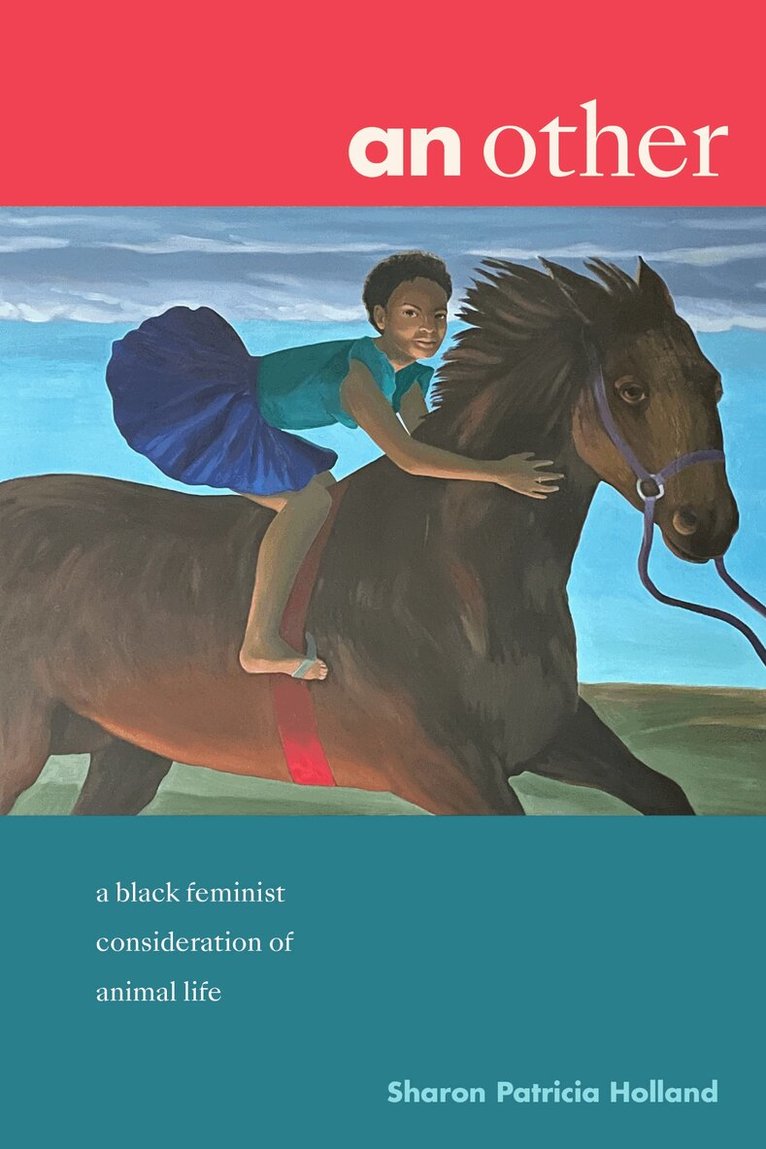
In an other, Sharon Patricia Holland offers a new theorization of the human animal/divide by shifting focus from distinction toward relation in ways that acknowledge that humans are also animals. Holland centers ethical commitments over ontological concerns to spotlight those moments when Black people ethically relate with animals. Drawing on writers and thinkers ranging from Hortense Spillers, Sara Ahmed, Toni Morrison, and C. E. Morgan to Jane Bennett, Jacques Derrida, and Donna Haraway, Holland decenters the human in Black feminist thought to interrogate blackness, insurgence, flesh, and femaleness. She examines MOVE’s incarnation as an animal liberation group; uses sovereignty in Morrison’s A Mercy to understand blackness, indigeneity, and the animal; analyzes Charles Burnett’s films as commentaries on the place of animals in Black life; and shows how equestrian novels address Black and animal life in ways that rehearse the practices of the slavocracy. By focusing on doing rather than being, Holland demonstrates that Black life is not solely likened to animal life; it is relational and world-forming with animal lives.
308 kr
Skickas inom 7-10 vardagar
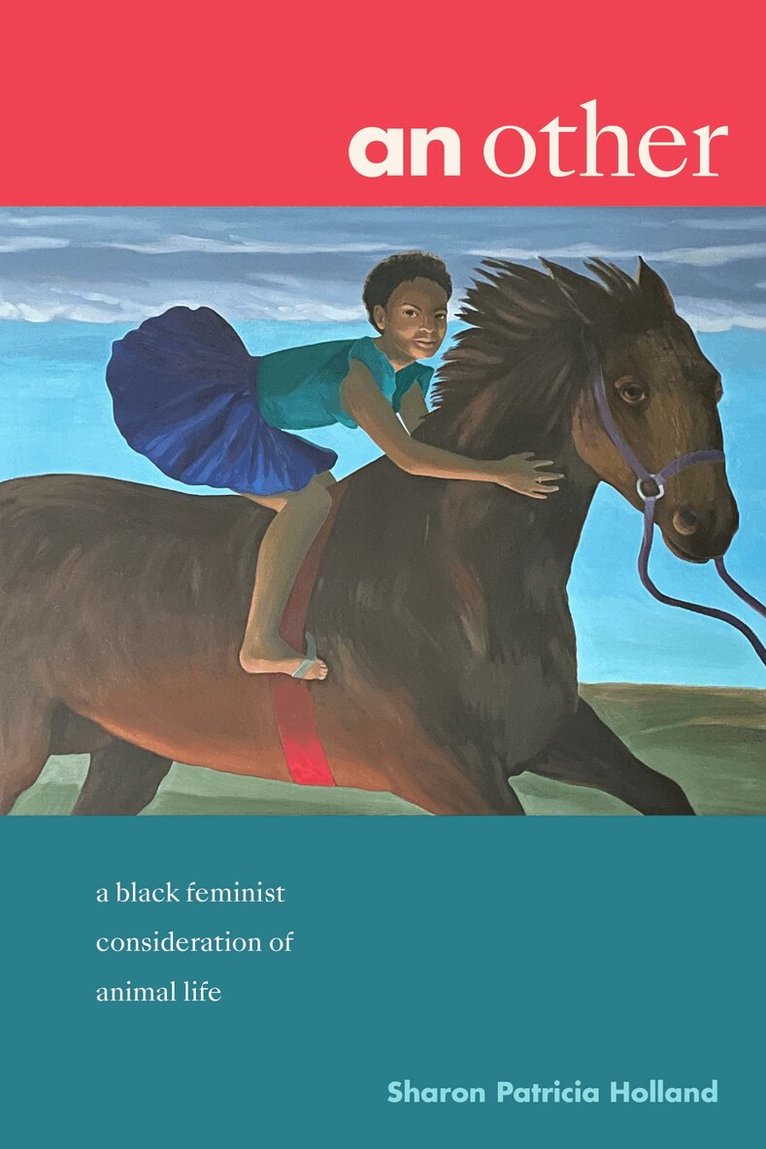
In an other, Sharon Patricia Holland offers a new theorization of the human animal/divide by shifting focus from distinction toward relation in ways that acknowledge that humans are also animals. Holland centers ethical commitments over ontological concerns to spotlight those moments when Black people ethically relate with animals. Drawing on writers and thinkers ranging from Hortense Spillers, Sara Ahmed, Toni Morrison, and C. E. Morgan to Jane Bennett, Jacques Derrida, and Donna Haraway, Holland decenters the human in Black feminist thought to interrogate blackness, insurgence, flesh, and femaleness. She examines MOVE’s incarnation as an animal liberation group; uses sovereignty in Morrison’s A Mercy to understand blackness, indigeneity, and the animal; analyzes Charles Burnett’s films as commentaries on the place of animals in Black life; and shows how equestrian novels address Black and animal life in ways that rehearse the practices of the slavocracy. By focusing on doing rather than being, Holland demonstrates that Black life is not solely likened to animal life; it is relational and world-forming with animal lives.